Michael Truebestein – författare
Visar alla böcker från författaren Michael Truebestein. Handla med fri frakt och snabb leverans.
5 produkter
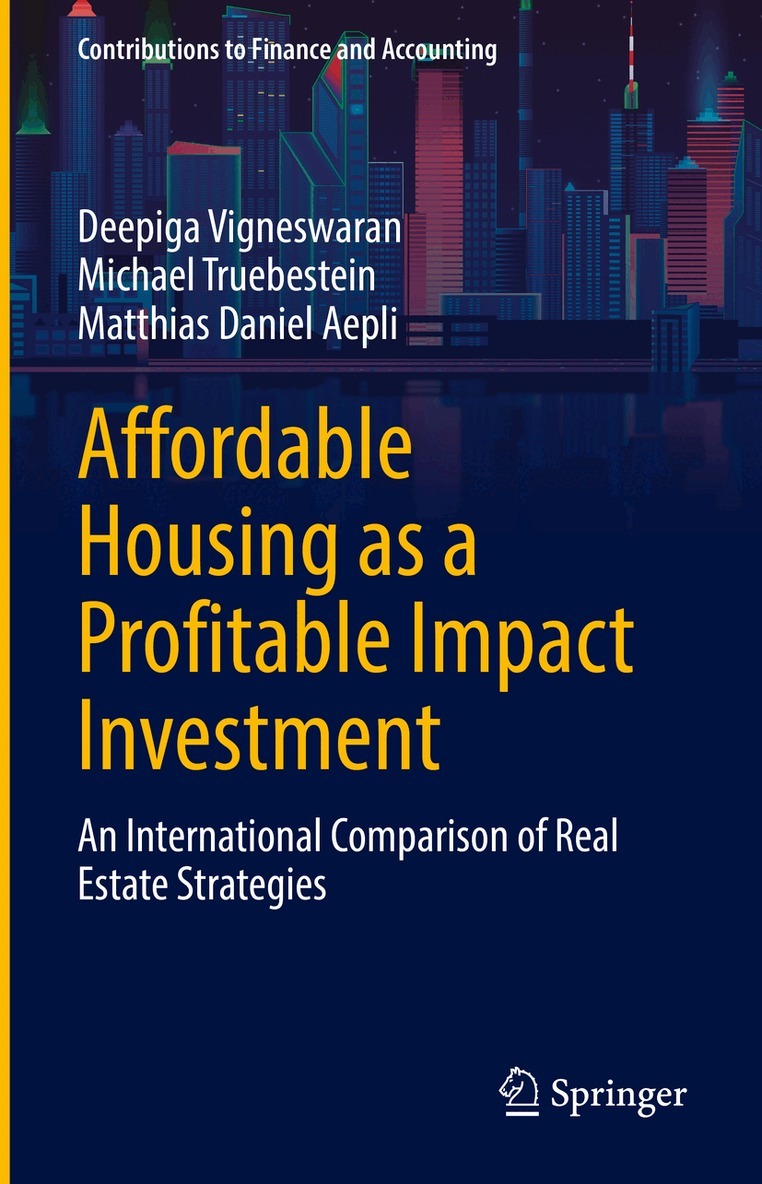
Affordable Housing as a Profitable Impact Investment
An International Comparison of Real Estate Strategies
Av Deepiga Vigneswaran, Michael Truebestein m. fl.
Inbunden, 2022
568 kr
Lägg i varukorg
The challenges of affordable housing are manifold. However this presents an opportunity to private investors, real estate companies, and developers. With the growing global trend for impact-based investments, many institutional investors have begun to consider the merits of this asset class.This …
Affordable Housing as a Profitable Impact Investment
An International Comparison of Real Estate Strategies
Av Matthias Daniel Aepli, Michael Truebestein m. fl.
E-bok, 2022
755 kr
Lägg i varukorg
The challenges of affordable housing are manifold. However this presents an opportunity to private investors, real estate companies, and developers. With the growing global trend for impact-based investments, many institutional investors have begun to consider the merits of this asset class. This …
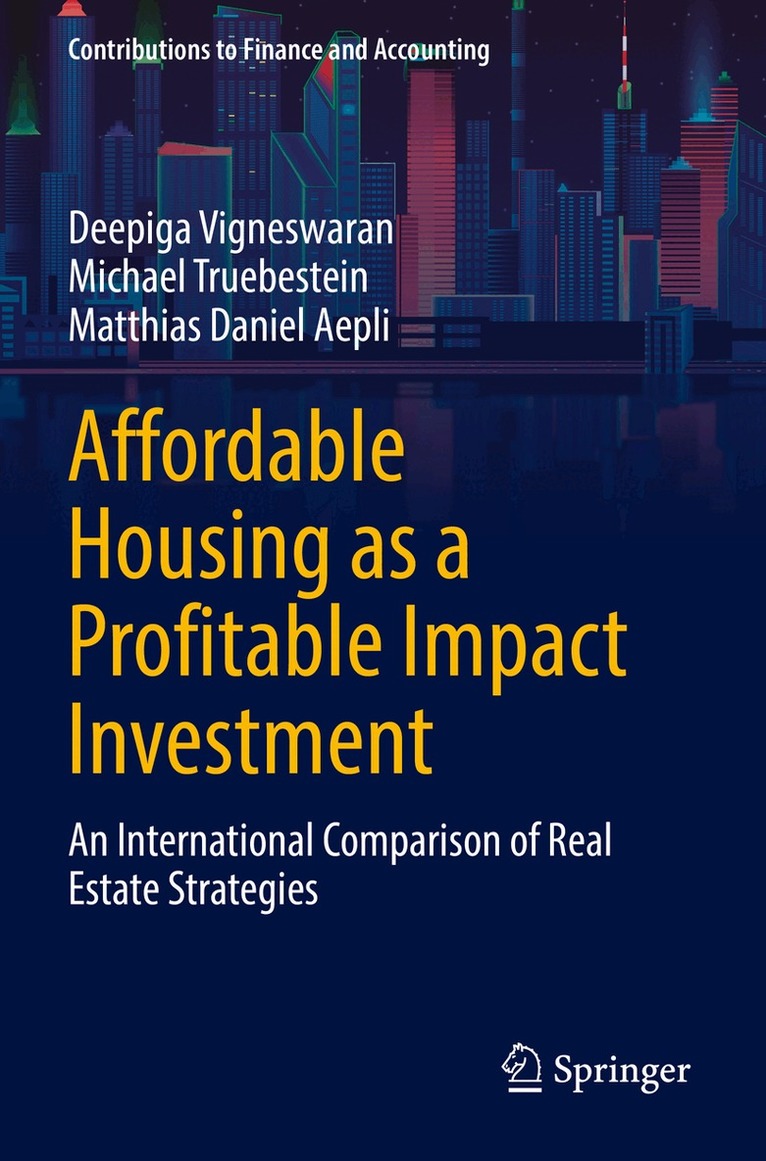
Affordable Housing as a Profitable Impact Investment
An International Comparison of Real Estate Strategies
Av Deepiga Vigneswaran, Michael Truebestein m. fl.
Häftad, 2023
568 kr
Lägg i varukorg
The challenges of affordable housing are manifold. However this presents an opportunity to private investors, real estate companies, and developers. With the growing global trend for impact-based investments, many institutional investors have begun to consider the merits of this asset class.This …
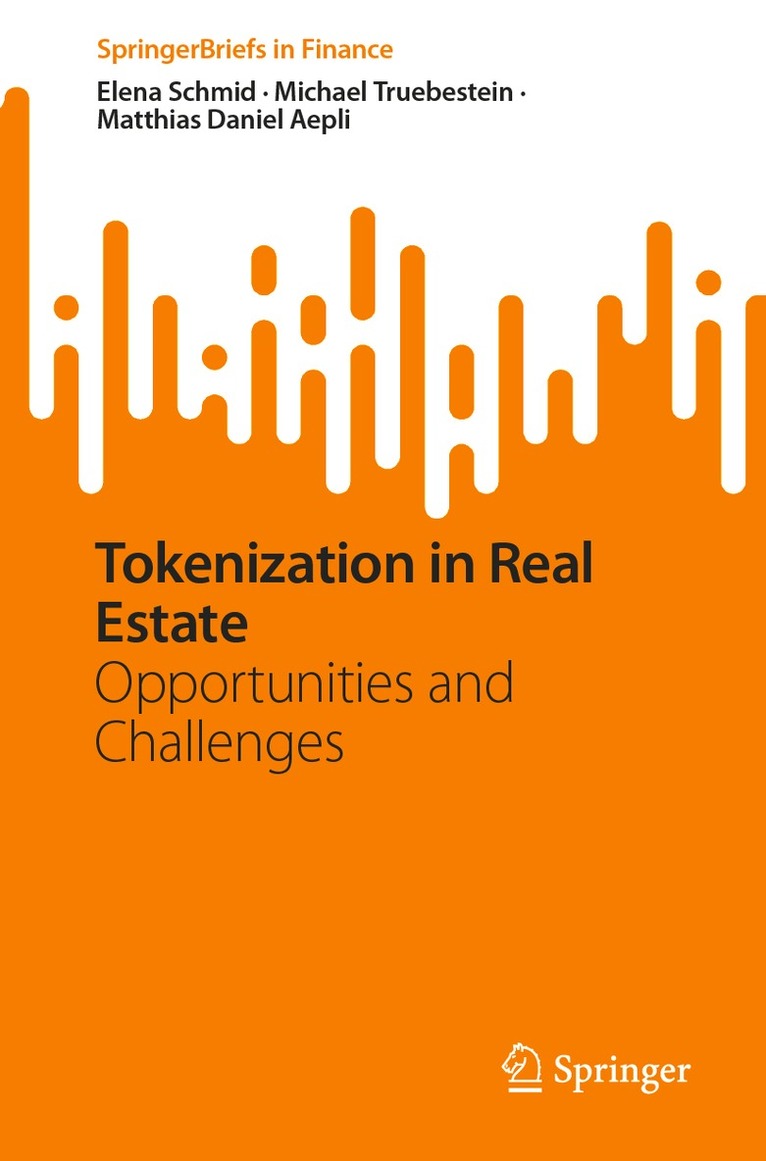
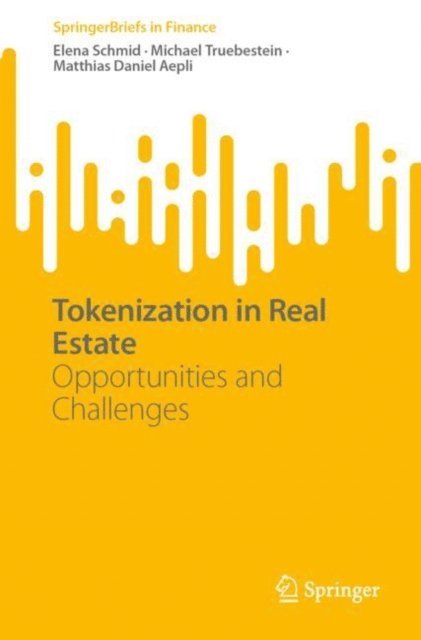
Tokenization in Real Estate
Opportunities and Challenges
Av Elena Schmid, Michael Truebestein m. fl.
Häftad, 2024
568 kr
Lägg i varukorg
Traditionally, real estate has been burdened by challenges such as illiquidity, limited accessibility, opacity, complex transactions, high costs, and substantial capital requirements. However, tokenization emerges as a potential solution to many of these issues. In this book, the authors thoroughly …
Tokenization in Real Estate
Opportunities and Challenges
Av Matthias Daniel Aepli, Michael Truebestein m. fl.
E-bok, 2024
732 kr
Lägg i varukorg
Traditionally, real estate has been burdened by challenges such as illiquidity, limited accessibility, opacity, complex transactions, high costs, and substantial capital requirements. However, tokenization emerges as a potential solution to many of these issues. In this book, the authors thoroughly …