Mohammad-Mahmoud Ould Mohamedou – författare
Visar alla böcker från författaren Mohammad-Mahmoud Ould Mohamedou. Handla med fri frakt och snabb leverans.
15 produkter
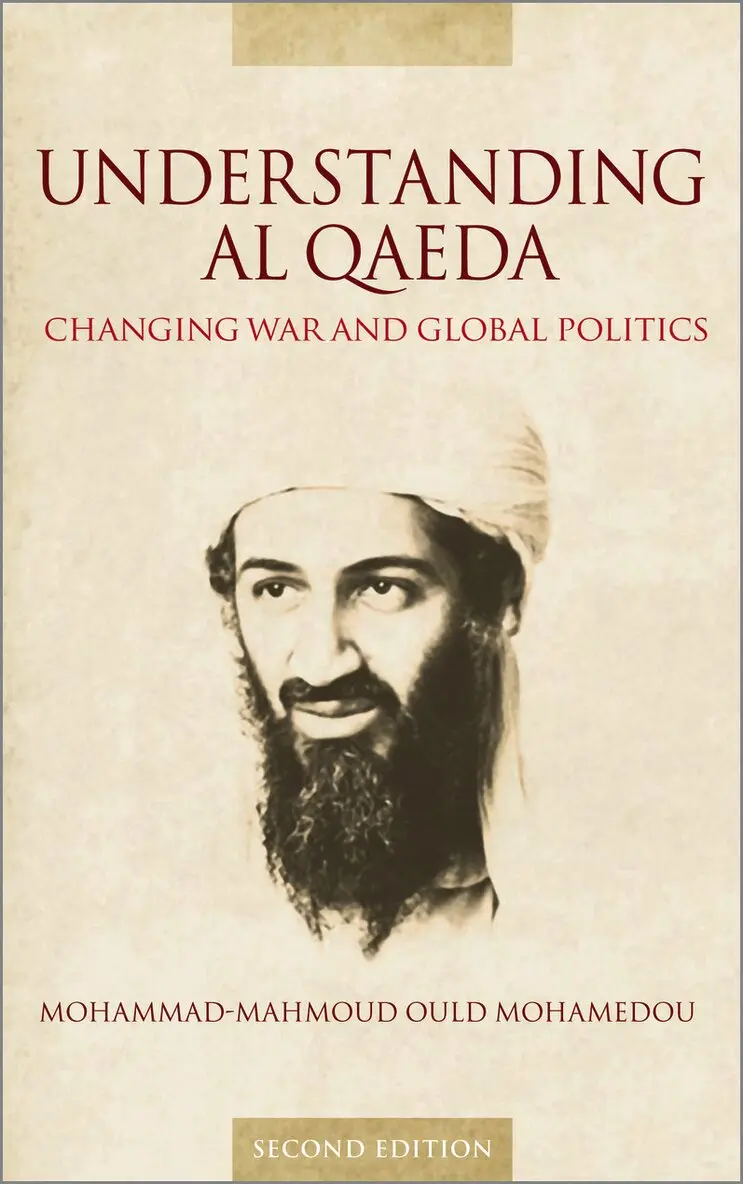
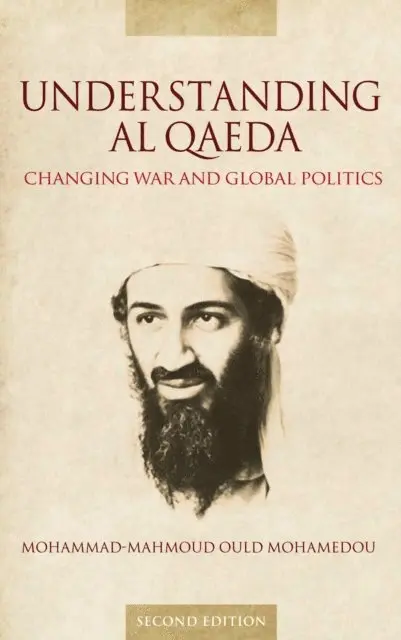
Understanding Al Qaeda
Changing War and Global Politics
Av Mohammad-Mahmoud Ould Mohamedou
Häftad, 2011
290 kr
Lägg i varukorg
This book controversially argues that Al Qaeda has clear aims, and that the only way to defeat it is to engage with its arguments in a serious way.Since the publication of the first edition in 2006, Mohamedou has brought the text right up-to-date. Starting with Al Qaeda's creation almost twenty …
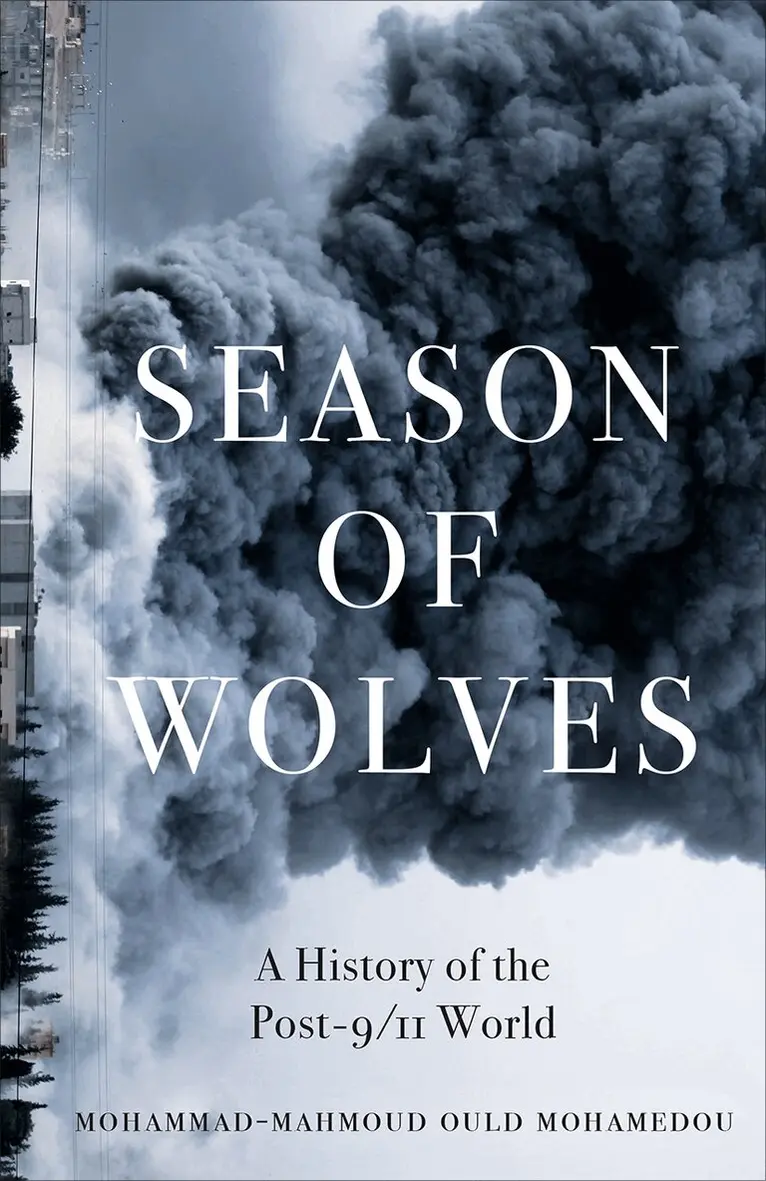
Season of Wolves
A History of the Post-9/11 World
Av Mohammad-Mahmoud Ould Mohamedou
Inbunden, 2026
224 kr
Lägg i varukorg
What political forces shaped the world in the early twenty-first century? What lasting imprint did the September 11th attacks on the United States leave on the global order?Season of Wolves argues that the post-9/11 era has so far been overwhelmingly understood through the language of terrorism and …
Theory of ISIS
Political Violence and the Transformation of the Global Order
Av Mohammad-Mahmoud Ould Mohamedou
Häftad, 2017
290 kr
Lägg i varukorg
The Islamic State of Iraq and Syria has been the subject of intense scrutiny in the West. Considered by many to be the most dangerous terrorist organisation in the world, it has become shrouded in numerous myths and narratives, many emanating from the US, which often fail to grasp its true …
Theory of ISIS
Political Violence and the Transformation of the Global Order
Av Mohammad-Mahmoud Ould Mohamedou
Inbunden, 2017
1400 kr
Lägg i varukorg
The Islamic State of Iraq and Syria has been the subject of intense scrutiny in the West. Considered by many to be the most dangerous terrorist organisation in the world, it has become shrouded in numerous myths and narratives, many emanating from the US, which often fail to grasp its true …
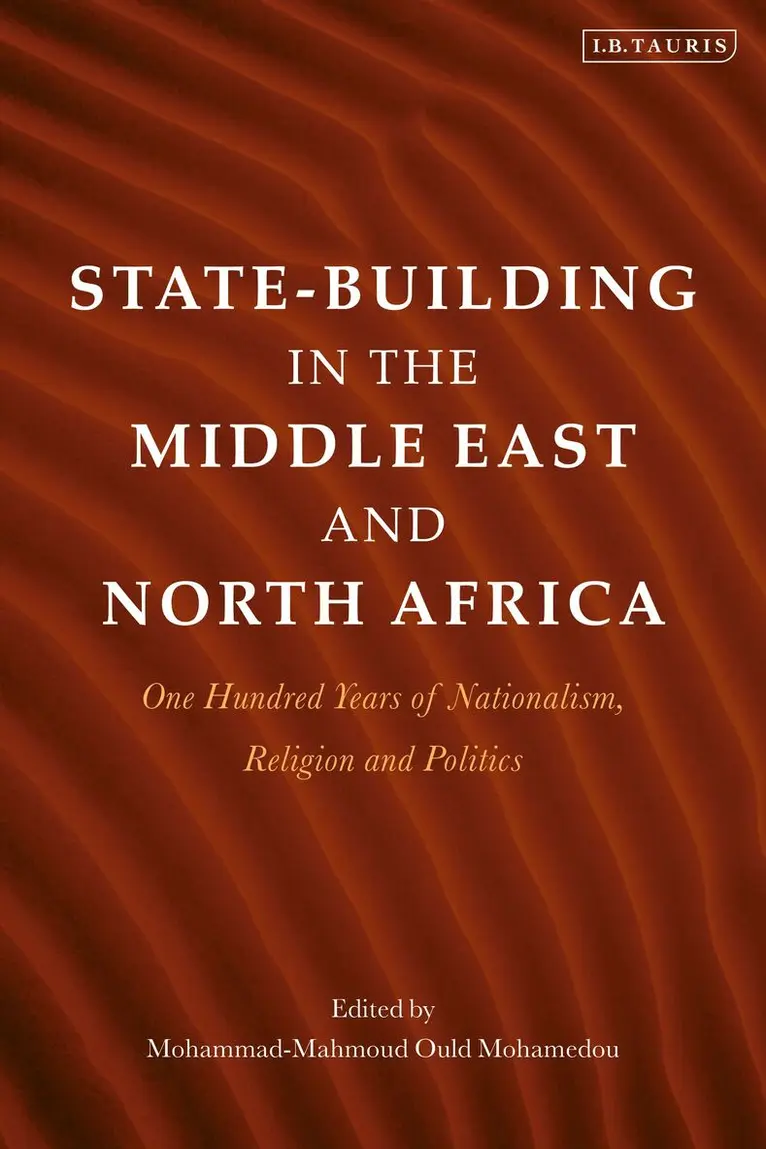
State-Building in the Middle East and North Africa
One Hundred Years of Nationalism, Religion and Politics
Av Mohammad-Mahmoud Ould Mohamedou
Inbunden, 2021
1099 kr
Lägg i varukorg
Why have state-building projects across the MENA region proven to be so difficult for so long? Following the end of the Ottoman Empire in the early 1920s, the countries of the region began a violent and divisive process of state formation. But a century later, state-building remains inconclusive. …
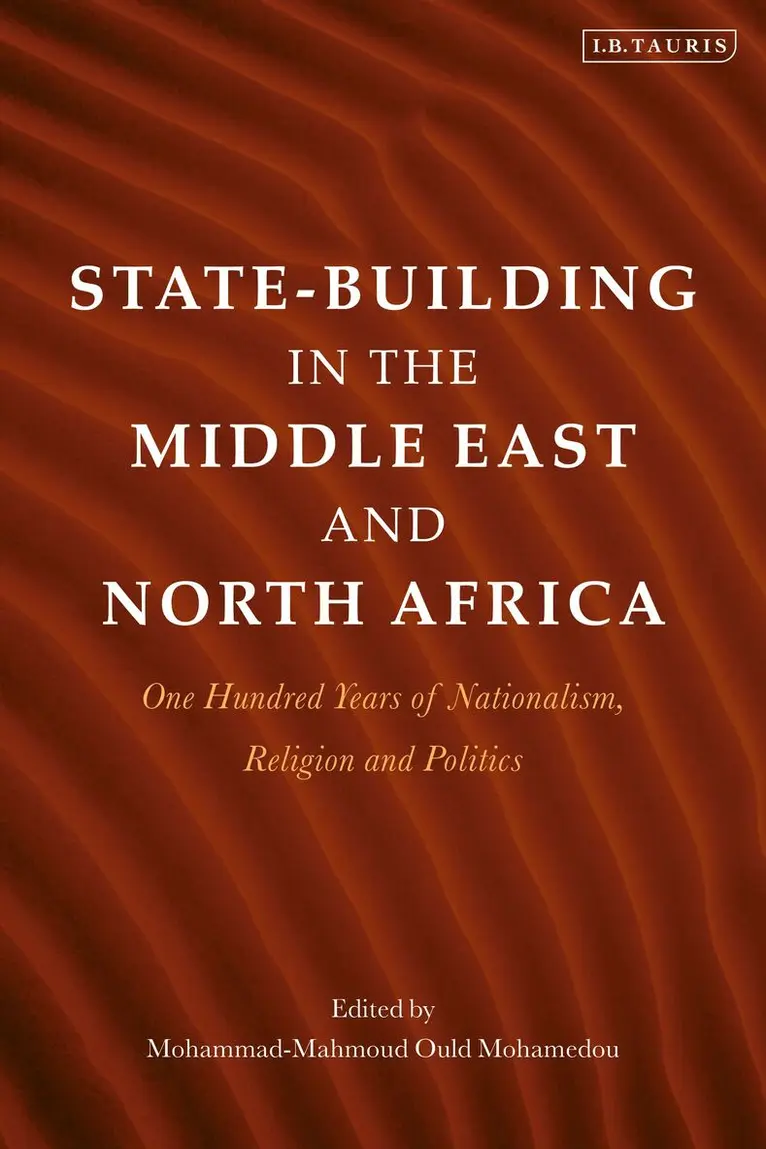
State-Building in the Middle East and North Africa
One Hundred Years of Nationalism, Religion and Politics
Av Mohammad-Mahmoud Ould Mohamedou
Häftad, 2021
234 kr
Lägg i varukorg
Why have state-building projects across the MENA region proven to be so difficult for so long? Following the end of the Ottoman Empire in the early 1920s, the countries of the region began a violent and divisive process of state formation. But a century later, state-building remains inconclusive. …
State-Building in the Middle East and North Africa
One Hundred Years of Nationalism, Religion and Politics
Av Mohammad-Mahmoud Ould Mohamedou
E-bok, 2021
385 kr
Lägg i varukorg
Why have state-building projects across the MENA region proven to be so difficult for so long? Following the end of the Ottoman Empire in the early 1920s, the countries of the region began a violent and divisive process of state formation. But a century later, state-building remains inconclusive. …
State-Building in the Middle East and North Africa
One Hundred Years of Nationalism, Religion and Politics
Av Mohammad-Mahmoud Ould Mohamedou
E-bok, 2021
385 kr
Lägg i varukorg
Why have state-building projects across the MENA region proven to be so difficult for so long? Following the end of the Ottoman Empire in the early 1920s, the countries of the region began a violent and divisive process of state formation. But a century later, state-building remains inconclusive. …
Democratisation in the 21st Century
Reviving Transitology
Av Mohammad-Mahmoud Ould Mohamedou, Timothy D. Sisk
Häftad, 2018
851 kr
Lägg i varukorg
The 2010’s was a critical period in the continuing, established trend of the spread of democracy worldwide: from the Arab Spring countries of Tunisia, Libya, Egypt and Yemen to the unfolding turmoil of Myanmar and Ukraine, by way of the upheavals in Burkina Faso, Senegal and Ivory Coast, social …
Democratisation in the 21st Century
Reviving Transitology
Av Mohammad-Mahmoud Ould Mohamedou, Timothy D. Sisk
Inbunden, 2016
2743 kr
Lägg i varukorg
The 2010’s was a critical period in the continuing, established trend of the spread of democracy worldwide: from the Arab Spring countries of Tunisia, Libya, Egypt and Yemen to the unfolding turmoil of Myanmar and Ukraine, by way of the upheavals in Burkina Faso, Senegal and Ivory Coast, social …
Democratisation in the 21st Century
Reviving Transitology
Av Timothy D. Sisk, Mohammad-Mahmoud Ould Mohamedou
E-bok, 2016
1004 kr
Lägg i varukorg
The 2010’s was a critical period in the continuing, established trend of the spread of democracy worldwide: from the Arab Spring countries of Tunisia, Libya, Egypt and Yemen to the unfolding turmoil of Myanmar and Ukraine, by way of the upheavals in Burkina Faso, Senegal and Ivory Coast, social …
Democratisation in the 21st Century
Reviving Transitology
Av Timothy D. Sisk, Mohammad-Mahmoud Ould Mohamedou
E-bok, 2016
975 kr
Lägg i varukorg
The 2010’s was a critical period in the continuing, established trend of the spread of democracy worldwide: from the Arab Spring countries of Tunisia, Libya, Egypt and Yemen to the unfolding turmoil of Myanmar and Ukraine, by way of the upheavals in Burkina Faso, Senegal and Ivory Coast, social …
Understanding Al Qaeda
Changing War and Global Politics
Av Mohammad-Mahmoud Ould Mohamedou
E-bok, 2011
55 kr
Lägg i varukorg
This book controversially argues that Al Qaeda has clear aims, and that the only way to defeat it is to engage with its arguments in a serious way. Since the publication of the first edition in 2006, Mohamedou has brought the text right up-to-date. Starting with Al Qaeda''s creation almost twenty …
Theory of ISIS
Political Violence and the Transformation of the Global Order
Av Mohammad-Mahmoud Ould Mohamedou
E-bok, 2017
55 kr
Lägg i varukorg
The Islamic State of Iraq and Syria has been the subject of intense scrutiny in the West. Considered by many to be the most dangerous terrorist organisation in the world, it has become shrouded in numerous myths and narratives, many emanating from the US, which often fail to grasp its true nature. …
Understanding Al Qaeda: Changing War and Global Politics
Av Mohammad-Mahmoud Ould Mohamedou
Inbunden
966 kr
Tillfälligt slut