Mojeed Olujinmi A. Alabi – författare
Visar alla böcker från författaren . Handla med fri frakt och snabb leverans.
4 produkter
4 produkter
Inbunden, Engelska, 2023
1 519 kr
Skickas inom 10-15 vardagar
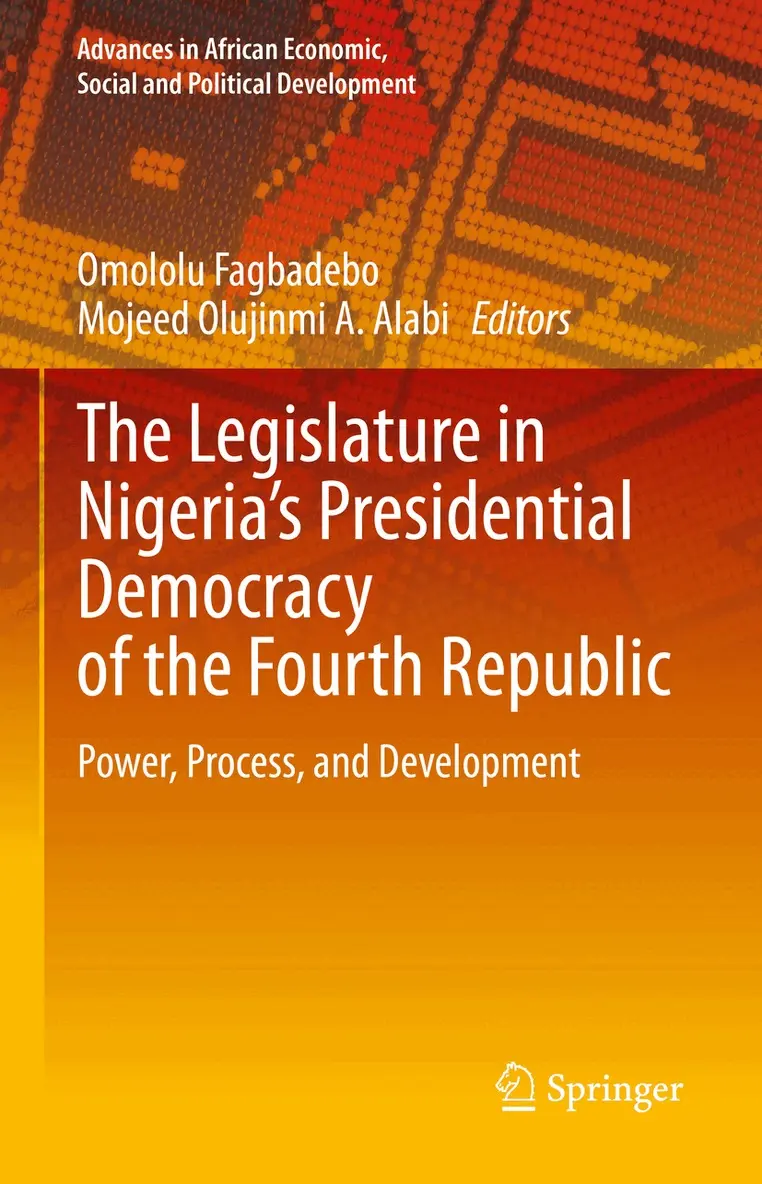
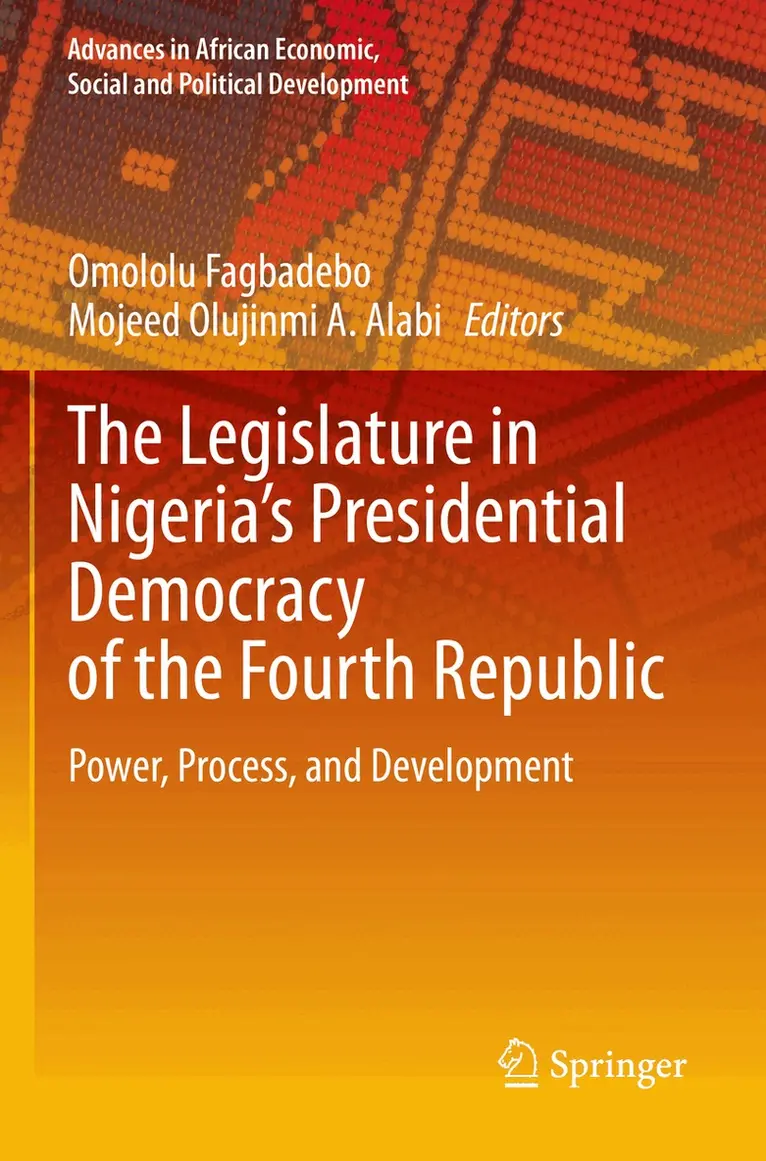
This book investigates whether legislative institutions, state and national, in Nigeria’s Fourth Republic have been able to harness constitutional powers to impact public policy. Presenting how the Nigerian state has not been able to showcase the expected dividends of presidential democracy since 1999, it analyzes the crisis of governance and its impact on political stability, social cohesion, and the livelihood of citizens. The book further discusses the depreciating infrastructure, corruption, and mismanagement of public resources, and shows how defiant attitudes of public political and bureaucratic officials define the new wave of corruption and profligacy in Nigeria, presenting this development as a result of a weakened legislature. The book displays the necessity of implementing a culture of accountability and discusses oversight mechanisms to make the executive accountable. These mechanisms are designed to ensure effective public service delivery. Finally, the book situates the legislative institutions in Nigeria within the context of the contributions of the National Assembly and the Assemblies of the State Houses to the development of this emerging democracy in Africa. The book will appeal to students and scholars of political science and public administration, as well as policy-makers and practitioners interested in a better understanding of democracy, separation of powers, governance, and Nigerian politics.
E-bok
Engelska, 20231 899 kr
Läs direkt efter köp
This book investigates whether legislative institutions, state and national, in Nigeria’s Fourth Republic have been able to harness constitutional powers to impact public policy. Presenting how the Nigerian state has not been able to showcase the expected dividends of presidential democracy since 1999, it analyzes the crisis of governance and its impact on political stability, social cohesion, and the livelihood of citizens. The book further discusses the depreciating infrastructure, corruption, and mismanagement of public resources, and shows how defiant attitudes of public political and bureaucratic officials define the new wave of corruption and profligacy in Nigeria, presenting this development as a result of a weakened legislature. The book displays the necessity of implementing a culture of accountability and discusses oversight mechanisms to make the executive accountable. These mechanisms are designed to ensure effective public service delivery. Finally, the book situates the legislative institutions in Nigeria within the context of the contributions of the National Assembly and the Assemblies of the State Houses to the development of this emerging democracy in Africa. The book will appeal to students and scholars of political science and public administration, as well as policy-makers and practitioners interested in a better understanding of democracy, separation of powers, governance, and Nigerian politics.
Engelska, 2023
648 kr
Skickas inom 5-8 vardagar
Häftad, Engelska, 2024
1 519 kr
Skickas inom 10-15 vardagar
This book investigates whether legislative institutions, state and national, in Nigeria’s Fourth Republic have been able to harness constitutional powers to impact public policy. Presenting how the Nigerian state has not been able to showcase the expected dividends of presidential democracy since 1999, it analyzes the crisis of governance and its impact on political stability, social cohesion, and the livelihood of citizens. The book further discusses the depreciating infrastructure, corruption, and mismanagement of public resources, and shows how defiant attitudes of public political and bureaucratic officials define the new wave of corruption and profligacy in Nigeria, presenting this development as a result of a weakened legislature. The book displays the necessity of implementing a culture of accountability and discusses oversight mechanisms to make the executive accountable. These mechanisms are designed to ensure effective public service delivery. Finally, the book situates the legislative institutions in Nigeria within the context of the contributions of the National Assembly and the Assemblies of the State Houses to the development of this emerging democracy in Africa. The book will appeal to students and scholars of political science and public administration, as well as policy-makers and practitioners interested in a better understanding of democracy, separation of powers, governance, and Nigerian politics.