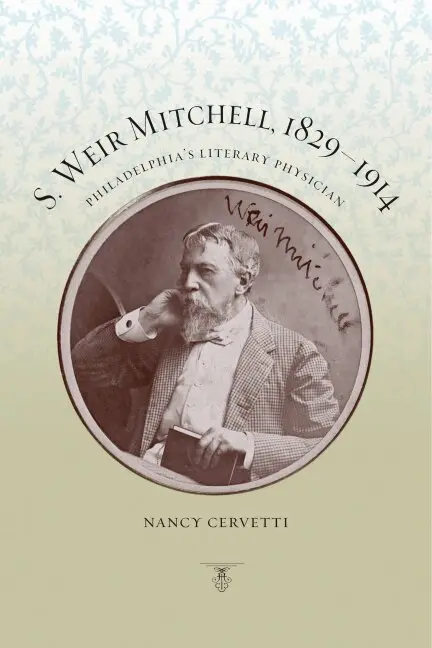
This modern biography provides a comprehensive and balanced view of a legendary figure in American medicine. Controversial because of his fierce fight against women’s rights, S. Weir Mitchell achieved stunning success through his experimentation with venomous snakes, treatment of Civil War soldiers with phantom limbs and burning pain, and creation of the rest cure to treat hysteria and neurasthenia. Mitchell’s life was extraordinary—interesting in its own right and as a case study in the larger inquiry into nineteenth-century medicine and culture.
This book combines biography, literature, and cultural and feminist theory to examine the radical critiques of patriarchy performed by Charlotte Brontë, George Eliot, and Virginia Woolf in Jane Eyre, Villette, The Mill on the Floss, The Voyage Out, and Orlando. The book's focus is how these novels revise the romance plot, abandoning this ancient and very political story line and creating in its place a much larger imaginary field in which female heroines as well as their readers can consider and experiment with other possibilities. Strikingly different from the swooning beauties of traditional romance, Jane Eyre, Lucy Snowe, Maggie Tulliver, Rachel Vinrace, and Orlando share a love of language and desire for intellectual expression that takes precedence over marriage and motherhood.
This modern biography provides a comprehensive and balanced view of a legendary figure in American medicine. Controversial because of his fierce fight against women’s rights, S. Weir Mitchell achieved stunning success through his experimentation with venomous snakes, treatment of Civil War soldiers with phantom limbs and burning pain, and creation of the rest cure to treat hysteria and neurasthenia. Mitchell’s life was extraordinary—interesting in its own right and as a case study in the larger inquiry into nineteenth-century medicine and culture.
This book combines biography, literature, and cultural and feminist theory to examine the radical critiques of patriarchy performed by Charlotte Brontë, George Eliot, and Virginia Woolf in Jane Eyre, Villette, The Mill on the Floss, The Voyage Out, and Orlando. The book's focus is how these novels revise the romance plot, abandoning this ancient and very political story line and creating in its place a much larger imaginary field in which female heroines as well as their readers can consider and experiment with other possibilities. Strikingly different from the swooning beauties of traditional romance, Jane Eyre, Lucy Snowe, Maggie Tulliver, Rachel Vinrace, and Orlando share a love of language and desire for intellectual expression that takes precedence over marriage and motherhood.