Naomi A. Weiss – författare
Visar alla böcker från författaren Naomi A. Weiss. Handla med fri frakt och snabb leverans.
5 produkter
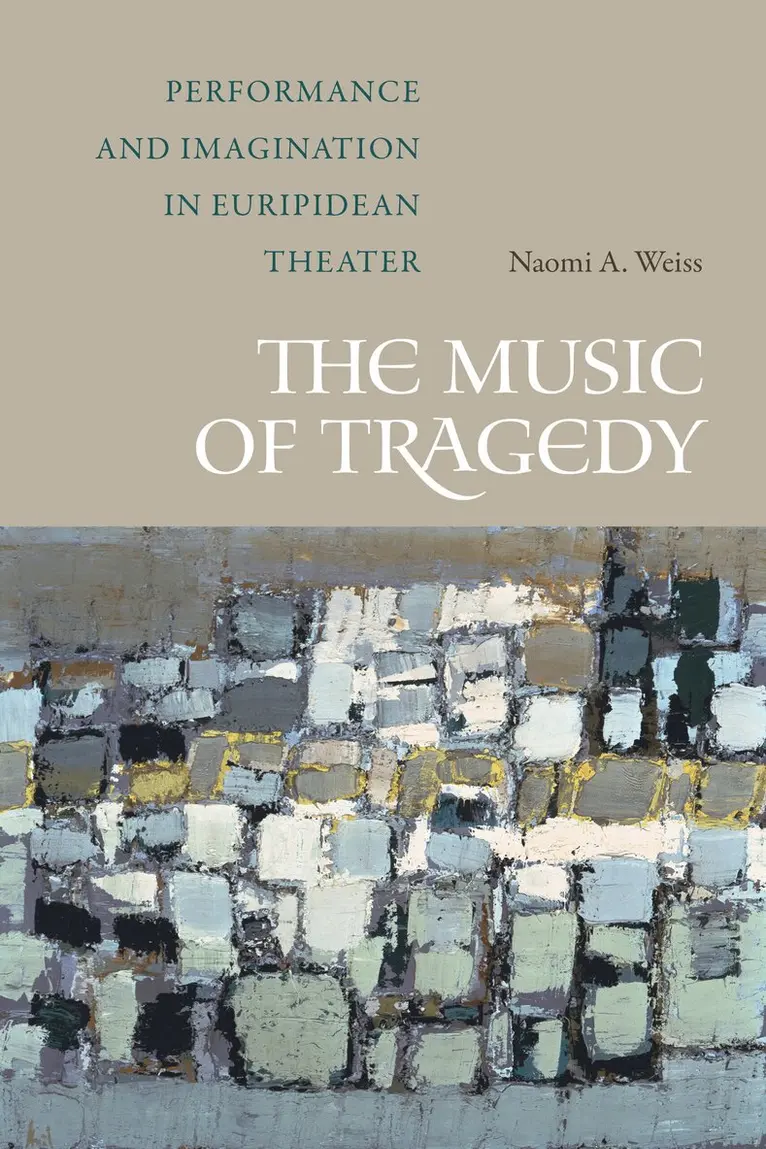
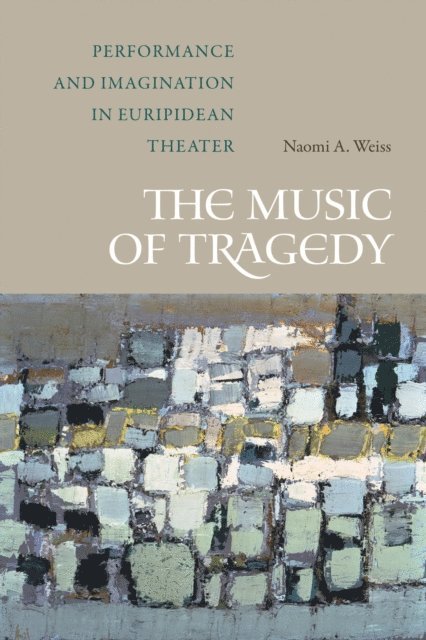
Music of Tragedy
Performance and Imagination in Euripidean Theater
Inbunden, 2017
935 kr
Lägg i varukorg
The Music of Tragedy offers a new approach to the study of classical Greek theater by examining the use of musical language, imagery, and performance in the late work of Euripides. Naomi Weiss demonstrates that Euripides' allusions to music-making are not just metatheatrical flourishes or gestures …
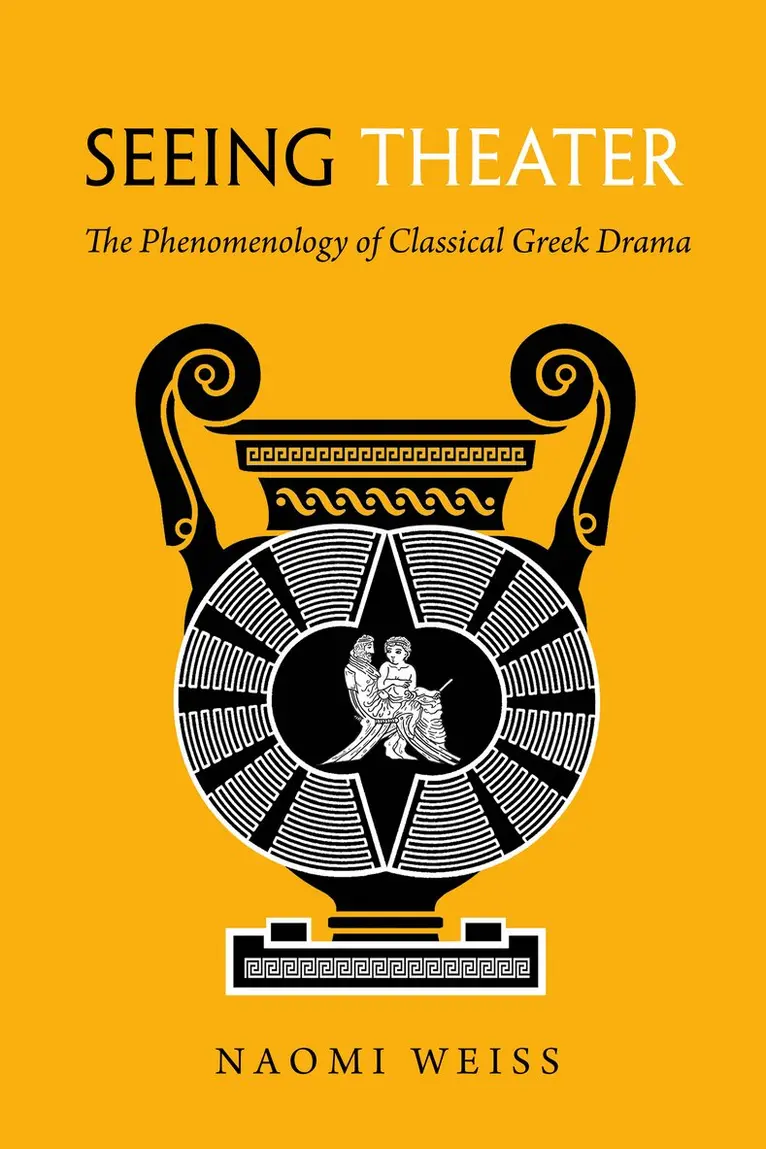
Seeing Theater
The Phenomenology of Classical Greek Drama
Inbunden, 2023
935 kr
Lägg i varukorg
This is the first book to approach the visuality of ancient Greek drama through the lens of theater phenomenology. Gathering evidence from tragedy, comedy, satyr play, and vase painting, Naomi Weiss argues that, from its very beginnings, Greek theater in the fifth century BCE was understood as a …
Seeing Theater
The Phenomenology of Classical Greek Drama
E-bok, 2023
1593 kr
Lägg i varukorg
This is the first book to approach the visuality of ancient Greek drama through the lens of theater phenomenology. Gathering evidence from tragedy, comedy, satyr play, and vase painting, Naomi Weiss argues that, from its very beginnings, Greek theater in the fifth century BCE was understood as a …
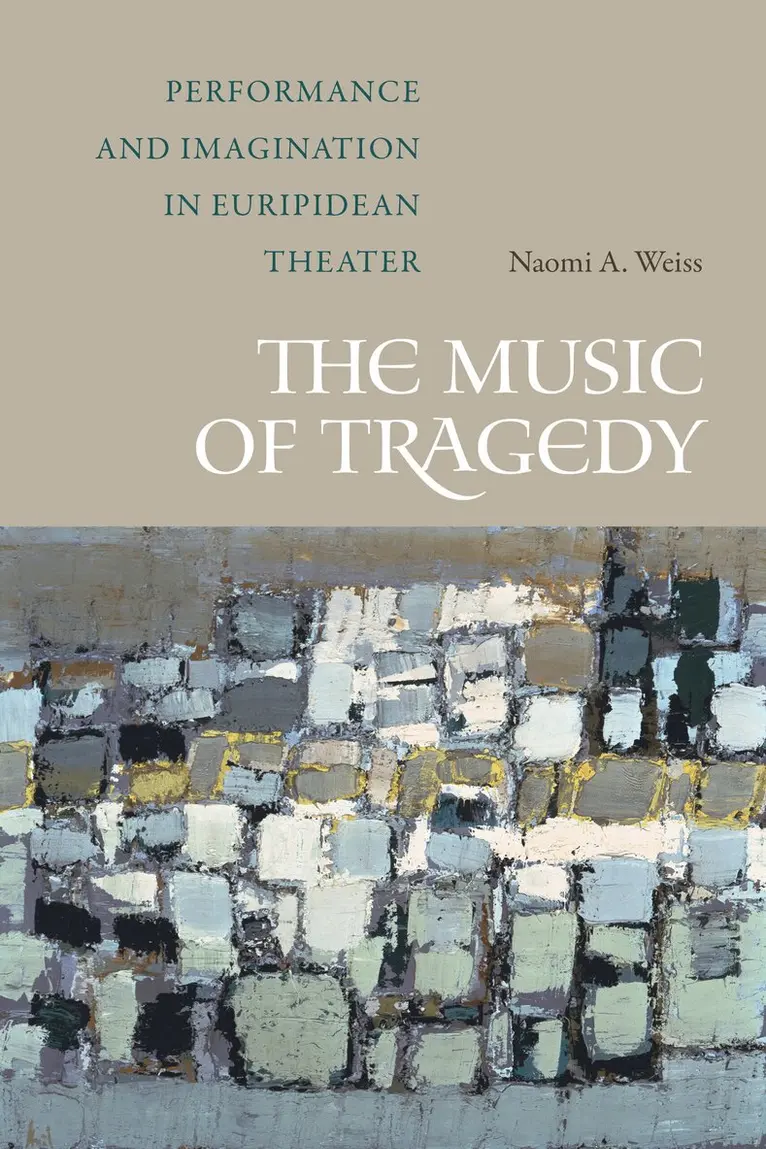
Music of Tragedy
Performance and Imagination in Euripidean Theater
Häftad, 2024
349 kr
Lägg i varukorg
The Music of Tragedy offers a new approach to the study of classical Greek theater by examining the use of musical language, imagery, and performance in the late work of Euripides. Naomi Weiss demonstrates that Euripides’ allusions to music-making are not just metatheatrical flourishes or gestures …
Music of Tragedy
Performance and Imagination in Euripidean Theater
E-bok, 2017
598 kr
Lägg i varukorg
The Music of Tragedy offers a new approach to the study of classical Greek theater by examining the use of musical language, imagery, and performance in the late work of Euripides. Naomi Weiss demonstrates that Euripides’ allusions to music-making are not just metatheatrical flourishes or gestures …