Natalia Telepneva - Böcker
Visar alla böcker från författaren Natalia Telepneva. Handla med fri frakt och snabb leverans.
6 produkter
6 produkter
489 kr
Skickas inom 10-15 vardagar
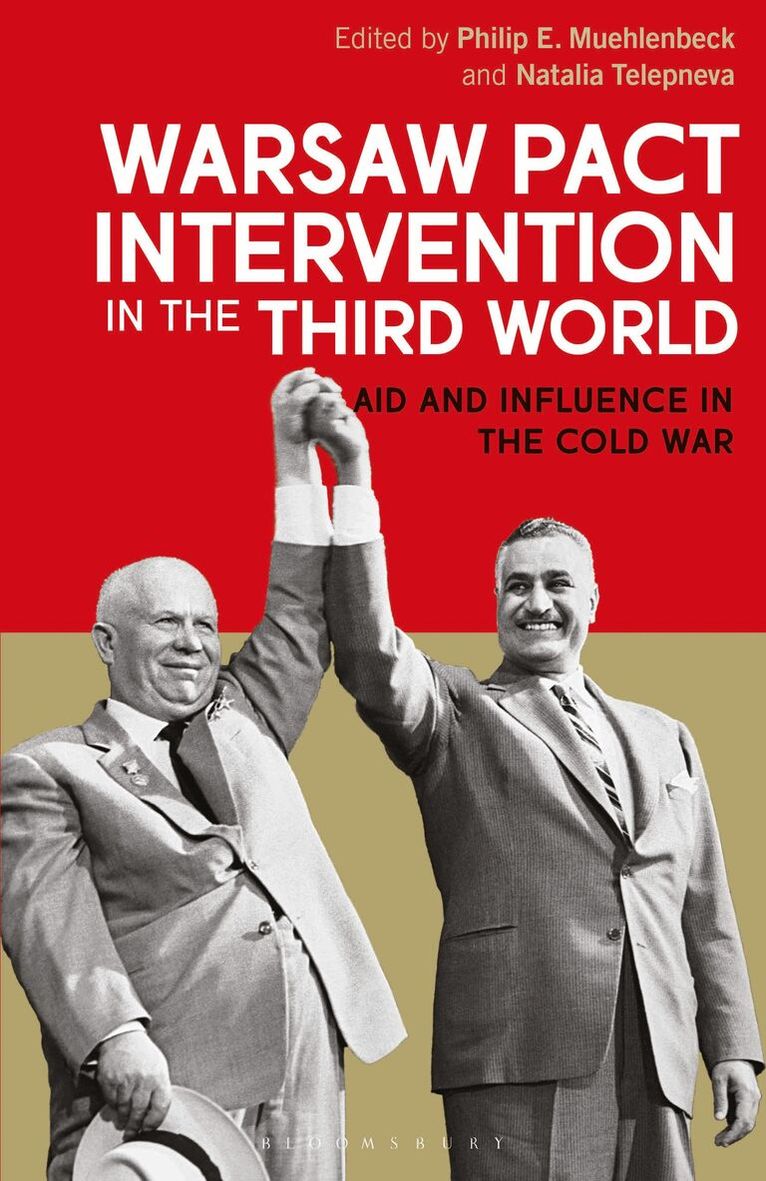
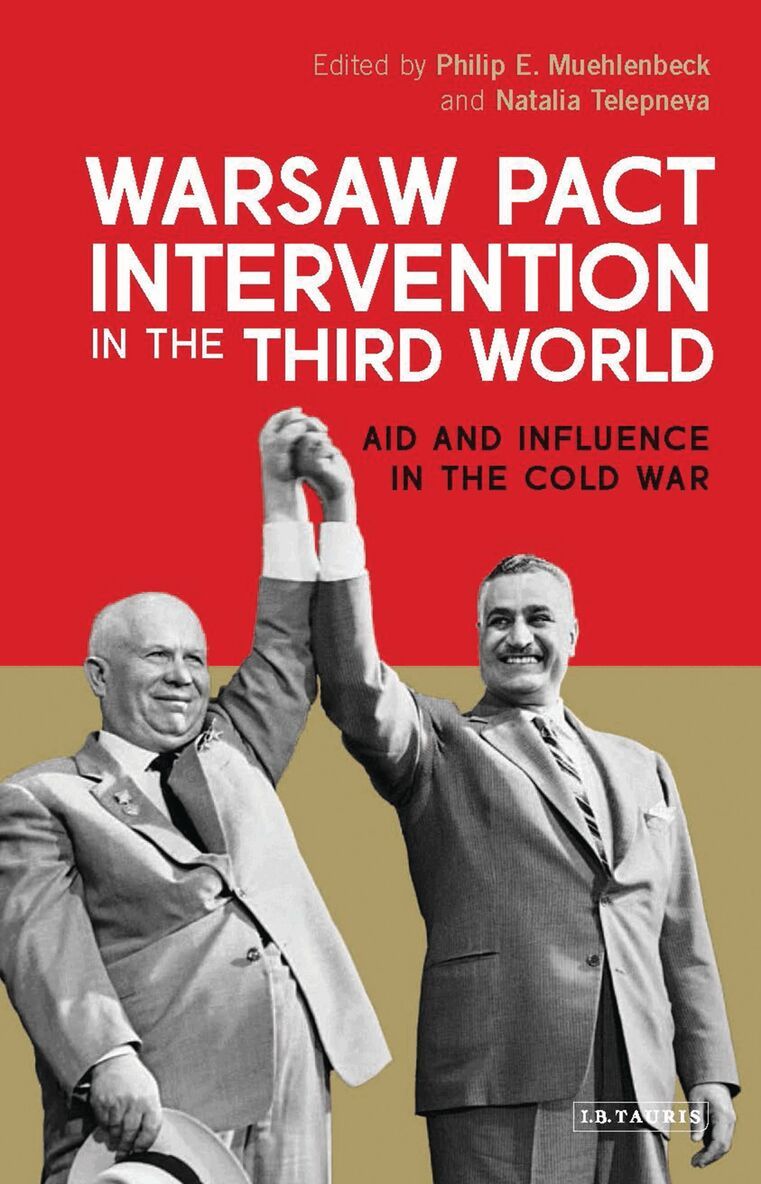
It was long assumed that the Soviet Union dictated Warsaw Pact policy in Africa, Asia, the Middle East and Latin America (known as the 'Third World' during the Cold War). Although the post-1991 opening of archives has demonstrated this to be untrue, there has still been no holistic volume examining the topic in detail. This important book fills that void and examines the agency of these states - Czechoslovakia, the German Democratic Republic, Poland, Hungary, Bulgaria and Romania - and their international interactions during the 'discovery' of the 'Third World' from the 1950s to the 1970s.Building upon recent scholarship and working from a diverse range of new archival sources, contributors study the diplomacy of the eastern and central European communist states to reveal their myriad motivations and goals (importantly often in direct conflict with Soviet directives).This work, the first revisionist review of the role of the junior members as a whole, will be of interest to all scholars of the Cold War, whatever their geographical focus.
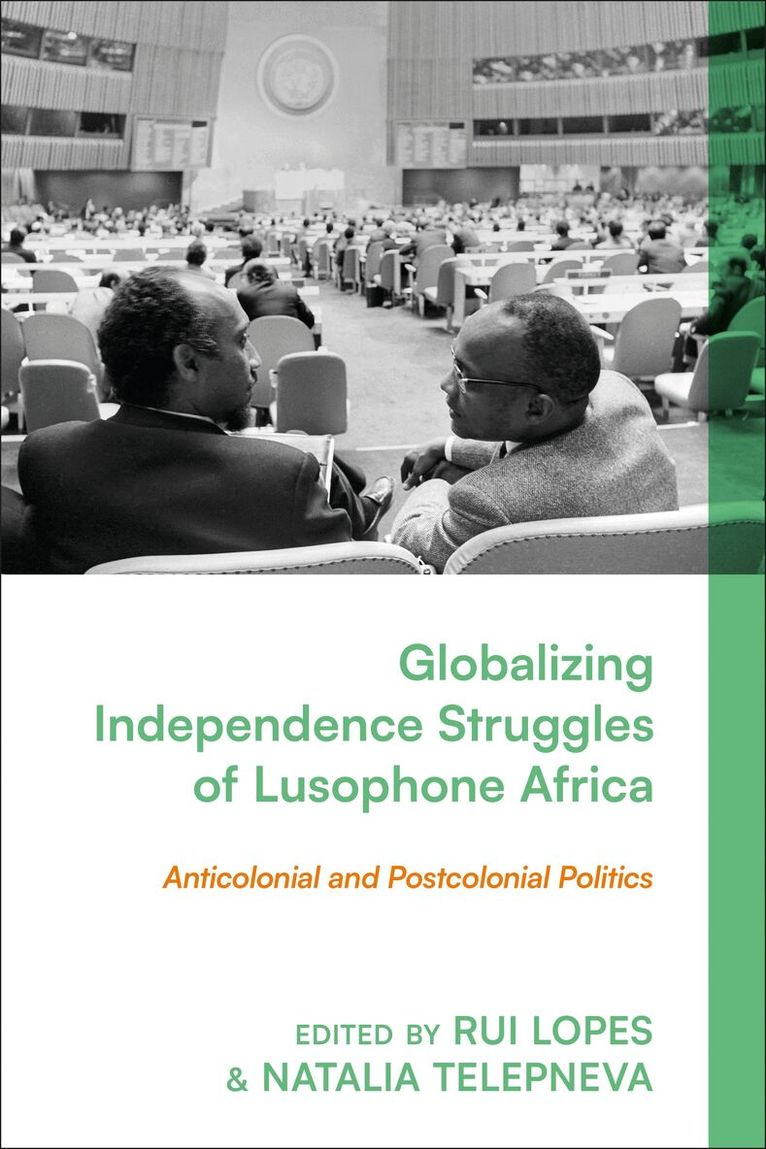
Globalizing Independence Struggles of Lusophone Africa
Anticolonial and Postcolonial Politics
Inbunden, Engelska, 2024
1 245 kr
Skickas inom 10-15 vardagar
Lusophone Africa has been neglected in Anglophone historiography. With the exceptions of a narrow set of episodes, figures, and interpretations, all of which appear in a fragmented set of journal articles, its struggles against Portuguese colonialism have remained outside the grand narratives of decolonisation.In this open access book, a group of established and up-and-coming historians of Lusophone Africa bring much-needed coherence to this interconnected set of anti-colonial struggles in order to show how people and ideas from these countries crossed borders around the globe. Its international team of contributors draws on a an underutilized range of source material beyond the usual Western state archives in order to cover a wide geographic scope, from North America, Latin America, Western Europe, Eastern Europe, and Asia, all while critically examining the consequences of such international connections within the Lusophone states themselves.For its empirically rich, original contributions to the grand narratives of African independence struggles, this book is a must-read for students and scholars interested in African history, decolonization, and the Cold War, and it is of keen interest to anyone interested in alternative histories of decolonization.The ebook editions of this book are available open access under a CC BY-NC-ND 4.0 licence on bloomsburycollections.com. Open access was funded by the Bloomsbury Open Collections Library Collective.
Globalizing Independence Struggles of Lusophone Africa
Anticolonial and Postcolonial Politics
Häftad, Engelska, 2026
406 kr
Skickas inom 10-15 vardagar
Lusophone Africa has been neglected in Anglophone historiography. With the exceptions of a narrow set of episodes, figures, and interpretations, all of which appear in a fragmented set of journal articles, its struggles against Portuguese colonialism have remained outside the grand narratives of decolonisation.In this open access book, a group of established and up-and-coming historians of Lusophone Africa bring much-needed coherence to this interconnected set of anti-colonial struggles in order to show how people and ideas from these countries crossed borders around the globe. Its international team of contributors draws on a an underutilized range of source material beyond the usual Western state archives in order to cover a wide geographic scope, from North America, Latin America, Western Europe, Eastern Europe, and Asia, all while critically examining the consequences of such international connections within the Lusophone states themselves.For its empirically rich, original contributions to the grand narratives of African independence struggles, this book is a must-read for students and scholars interested in African history, decolonization, and the Cold War, and it is of keen interest to anyone interested in alternative histories of decolonization.The ebook editions of this book are available open access under a CC BY-NC-ND 4.0 licence on bloomsburycollections.com. Open access was funded by the Bloomsbury Open Collections Library Collective.
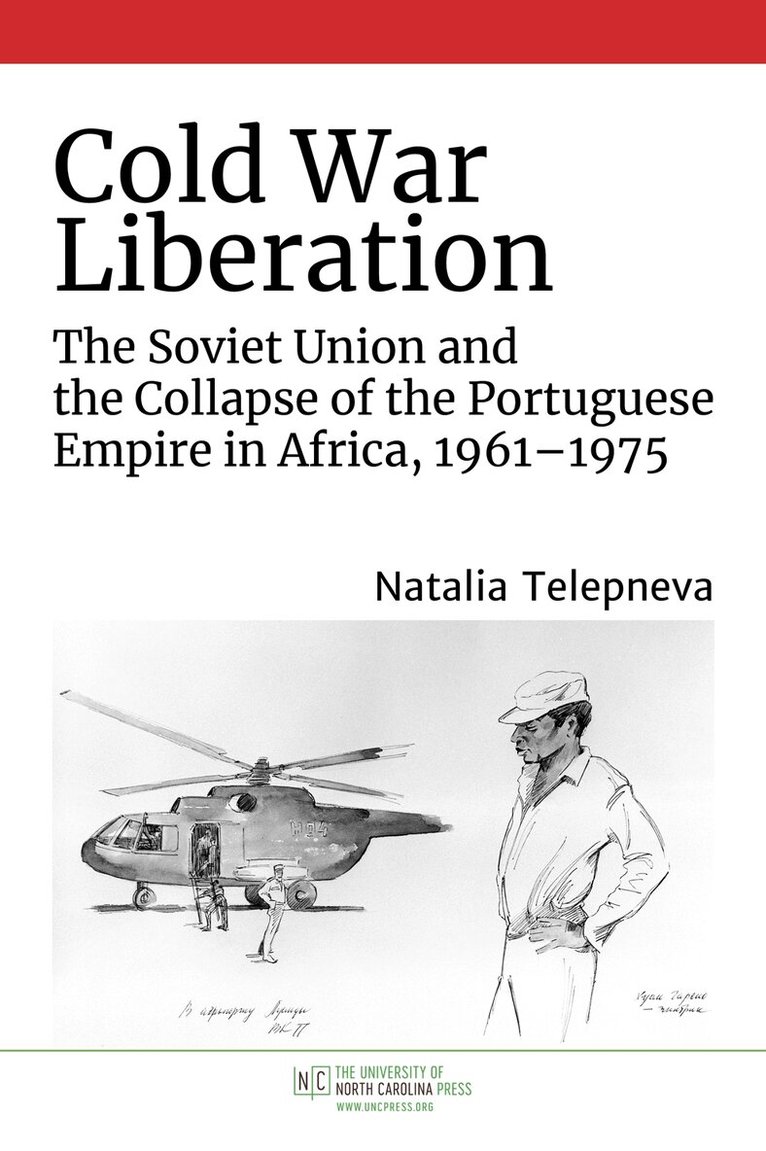
Cold War Liberation
The Soviet Union and the Collapse of the Portuguese Empire in Africa, 1961–1975
Inbunden, Engelska, 2022
1 049 kr
Skickas inom 10-15 vardagar
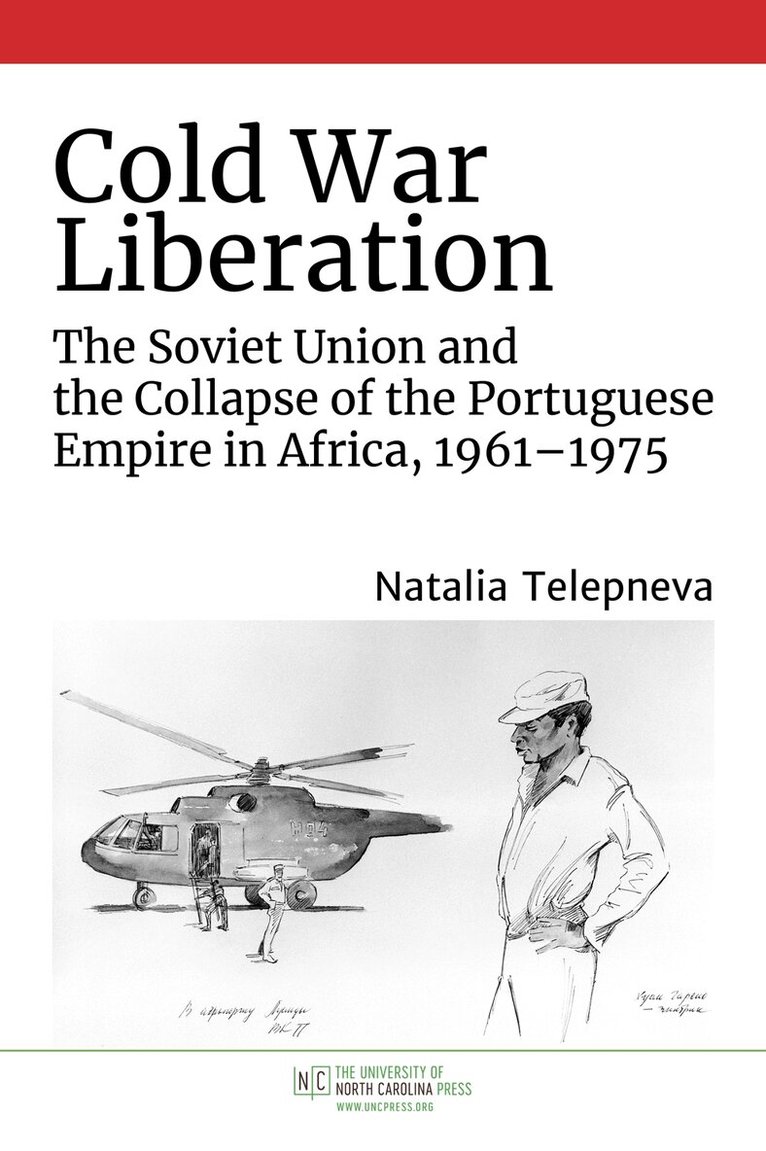
Cold War Liberation examines the African revolutionaries who led armed struggles in three Portuguese colonies—Angola, Mozambique, and Guinea-Bissau—and their liaisons in Moscow, Prague, East Berlin, and Sofia. By reconstructing a multidimensional story that focuses on both the impact of the Soviet Union on the end of the Portuguese Empire in Africa and the effect of the anticolonial struggles on the Soviet Union, Natalia Telepneva bridges the gap between the narratives of individual anticolonial movements and those of superpower rivalry in sub-Saharan Africa during the Cold War. Drawing on newly available archival sources from Russia and Eastern Europe and interviews with key participants, Telepneva emphasizes the agency of African liberation leaders who enlisted the superpower into their movements via their relationships with middle-ranking members of the Soviet bureaucracy. These administrators had considerable scope to shape policies in the Portuguese colonies which in turn increased the Soviet commitment to decolonization in the wider region. An innovative reinterpretation of the relationships forged between African revolutionaries and the countries of the Warsaw Pact, Cold War Liberation is a bold addition to debates about policy-making in the Global South during the Cold War.
Cold War Liberation
The Soviet Union and the Collapse of the Portuguese Empire in Africa, 1961-1975
Häftad, Engelska, 2022
432 kr
Skickas inom 10-15 vardagar
Cold War Liberation examines the African revolutionaries who led armed struggles in three Portuguese colonies—Angola, Mozambique, and Guinea-Bissau—and their liaisons in Moscow, Prague, East Berlin, and Sofia. By reconstructing a multidimensional story that focuses on both the impact of the Soviet Union on the end of the Portuguese Empire in Africa and the effect of the anticolonial struggles on the Soviet Union, Natalia Telepneva bridges the gap between the narratives of individual anticolonial movements and those of superpower rivalry in sub-Saharan Africa during the Cold War. Drawing on newly available archival sources from Russia and Eastern Europe and interviews with key participants, Telepneva emphasizes the agency of African liberation leaders who enlisted the superpower into their movements via their relationships with middle-ranking members of the Soviet bureaucracy. These administrators had considerable scope to shape policies in the Portuguese colonies which in turn increased the Soviet commitment to decolonization in the wider region. An innovative reinterpretation of the relationships forged between African revolutionaries and the countries of the Warsaw Pact, Cold War Liberation is a bold addition to debates about policy-making in the Global South during the Cold War.
Warsaw Pact Intervention in the Third World
Aid and Influence in the Cold War
Inbunden, Engelska, 2018
1 520 kr
Skickas inom 10-15 vardagar
It was long assumed that the Soviet Union dictated Warsaw Pact policy in Africa, Asia, the Middle East and Latin America (known as the 'Third World' during the Cold War). Although the post-1991 opening of archives has demonstrated this to be untrue, there has still been no holistic volume examining the topic in detail. Such a comprehensive and nuanced treatment is virtually impossible for the individual scholar thanks to the linguistic and practical difficulties in satisfactorily covering all of the so-called 'junior members' of the Warsaw Pact. This important book fills that void and examines the agency of these states - Czechoslovakia, the German Democratic Republic, Poland, Hungary, Bulgaria and Romania - and their international interactions during the 'discovery' of the 'Third World' from the 1950s to the 1970s. Building upon recent scholarship and working from a diverse range of new archival sources, contributors study the diplomacy of the eastern and central European communist states to reveal their myriad motivations and goals (importantly often in direct conflict with Soviet directives).This work, the first revisionist review of the role of the junior members as a whole, will be of interest to all scholars of the Cold War, whatever their geographical focus.