Nigel Oseland – författare
Visar alla böcker från författaren Nigel Oseland. Handla med fri frakt och snabb leverans.
12 produkter
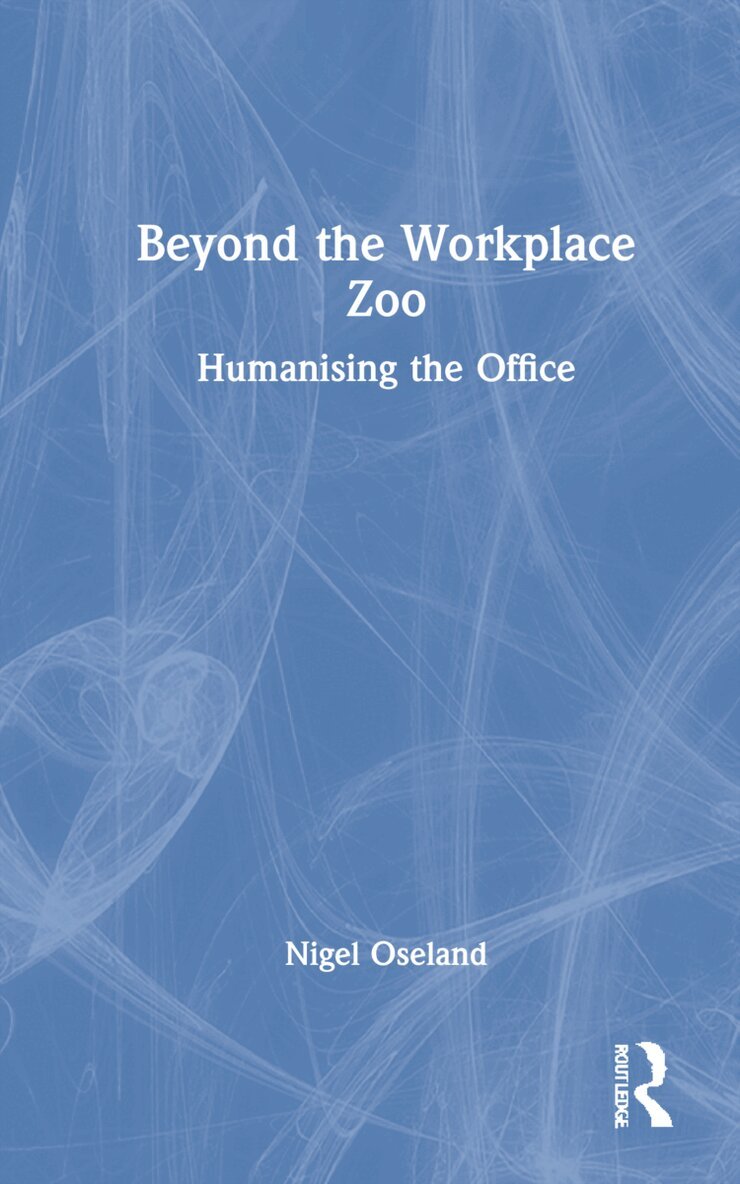
Beyond the Workplace Zoo
Humanising the Office
Inbunden, 2021
2585 kr
Lägg i varukorg
This book begins by outlining the common design mistakes with the modern open plan office and the industry focus on cost that has resulted in the ill-fated Workplace Zoo. The requirements of office-based workers according to psychological theory and research are then explained. Dr Oseland …
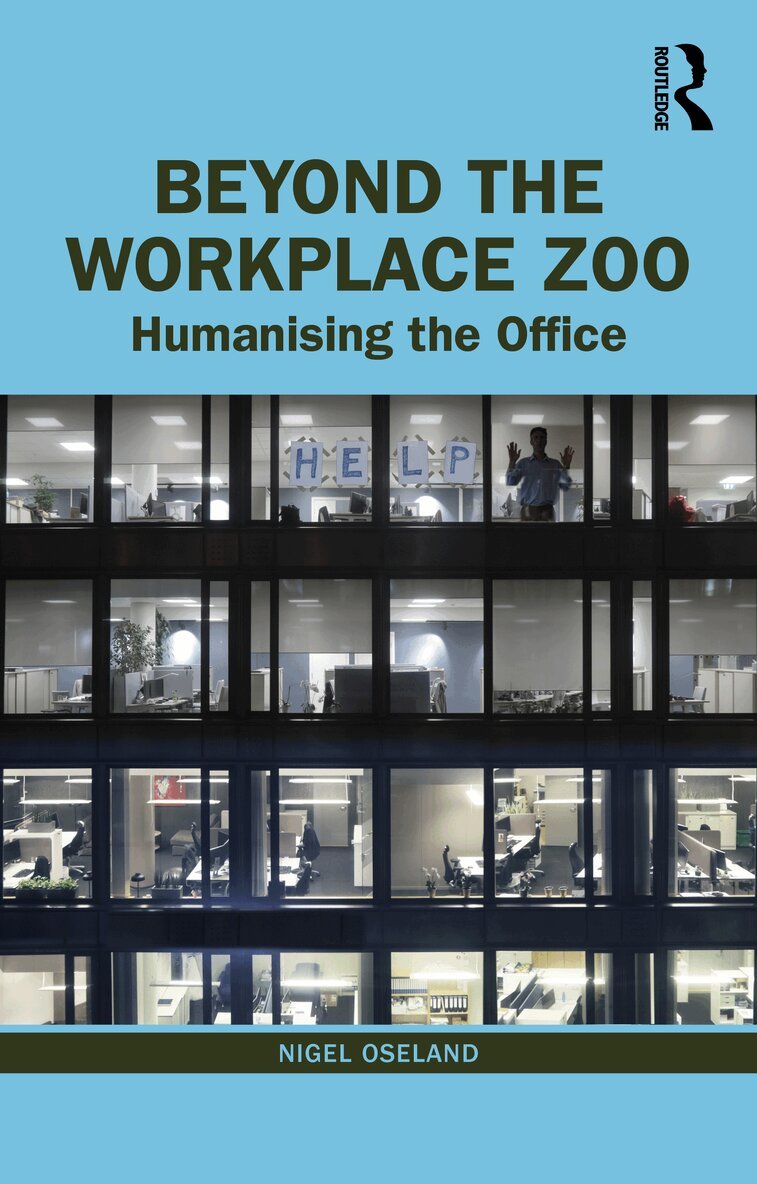
Beyond the Workplace Zoo
Humanising the Office
Häftad, 2021
517 kr
Lägg i varukorg
This book begins by outlining the common design mistakes with the modern open plan office and the industry focus on cost that has resulted in the ill-fated Workplace Zoo. The requirements of office-based workers according to psychological theory and research are then explained. Dr Oseland …
Beyond the Workplace Zoo
Humanising the Office
E-bok, 2021
607 kr
Lägg i varukorg
This book begins by outlining the common design mistakes with the modern open plan office and the industry focus on cost that has resulted in the ill-fated Workplace Zoo . The requirements of office-based workers according to psychological theory and research are then explained. Dr Oseland …
Beyond the Workplace Zoo
Humanising the Office
E-bok, 2021
607 kr
Lägg i varukorg
This book begins by outlining the common design mistakes with the modern open plan office and the industry focus on cost that has resulted in the ill-fated Workplace Zoo . The requirements of office-based workers according to psychological theory and research are then explained. Dr Oseland …
Practical Guide to Post-Occupancy Evaluation and Researching Building User Experience
E-bok, 2023
785 kr
Lägg i varukorg
A Practical Guide to Post-Occupancy Evaluation offers high-level pragmatic guidance and case study examples on how to conduct a Post-Occupancy Evaluation (POE) to determine whether a workplace project is successful and uncover the lessons learned for future projects. For designers, POEs provide …
Practical Guide to Post-Occupancy Evaluation and Researching Building User Experience
E-bok, 2023
785 kr
Lägg i varukorg
A Practical Guide to Post-Occupancy Evaluation offers high-level pragmatic guidance and case study examples on how to conduct a Post-Occupancy Evaluation (POE) to determine whether a workplace project is successful and uncover the lessons learned for future projects. For designers, POEs provide …
Practical Guide to Post-Occupancy Evaluation and Researching Building User Experience
Häftad, 2023
742 kr
Lägg i varukorg
A Practical Guide to Post-Occupancy Evaluation offers high-level pragmatic guidance and case study examples on how to conduct a Post-Occupancy Evaluation (POE) to determine whether a workplace project is successful and uncover the lessons learned for future projects. For designers, POEs provide …
Practical Guide to Post-Occupancy Evaluation and Researching Building User Experience
Inbunden, 2023
2825 kr
Lägg i varukorg
A Practical Guide to Post-Occupancy Evaluation offers high-level pragmatic guidance and case study examples on how to conduct a Post-Occupancy Evaluation (POE) to determine whether a workplace project is successful and uncover the lessons learned for future projects. For designers, POEs provide …
Science of People and Office Design
Planning for Thinking, Discussing and Achieving
Av Sally Augustin, Nigel Oseland
Häftad, 2024
592 kr
Lägg i varukorg
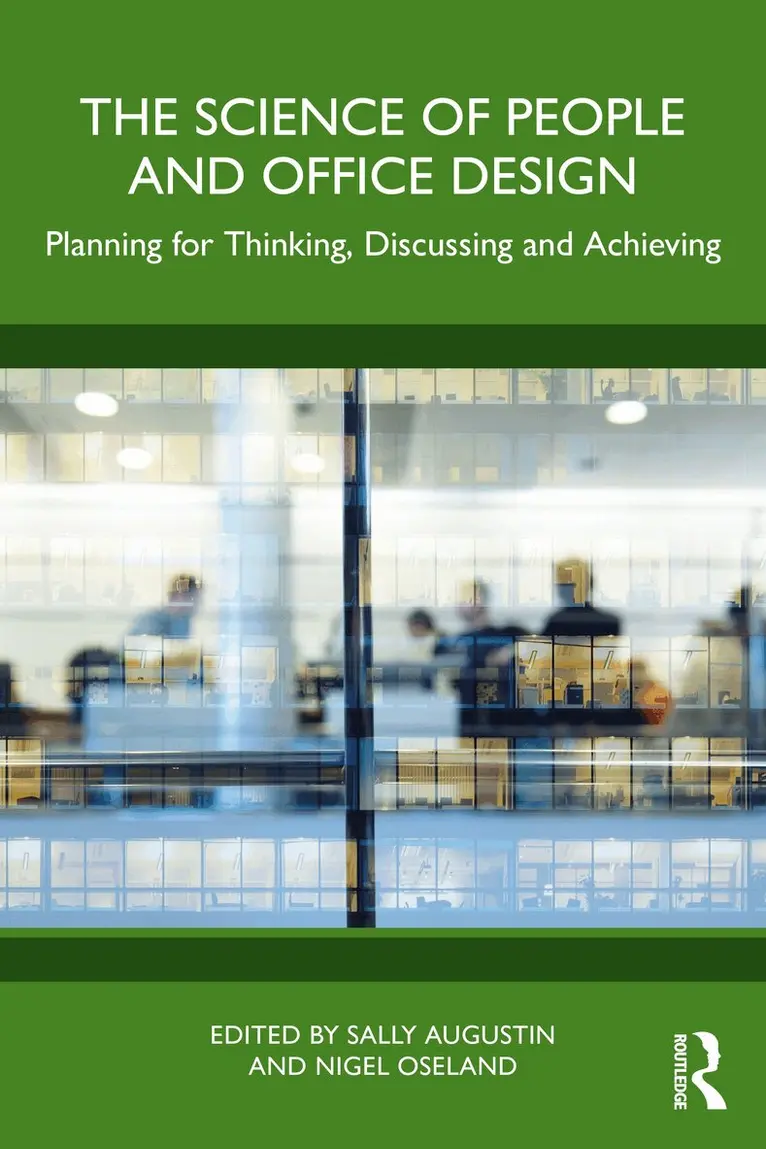
The Science of People and Office Design: Planning for Thinking, Discussing and Achieving has been written for practitioners who would like to apply evidence-based and human-centric design principles to office and workplace design. Practitioner-researcher disconnects often arise due to a lack of …
Science of People and Office Design
Planning for Thinking, Discussing and Achieving
Av Sally Augustin, Nigel Oseland
Inbunden, 2024
2195 kr
Lägg i varukorg
The Science of People and Office Design: Planning for Thinking, Discussing and Achieving has been written for practitioners who would like to apply evidence-based and human-centric design principles to office and workplace design. Practitioner-researcher disconnects often arise due to a lack of …
Science of People and Office Design
Planning for Thinking, Discussing and Achieving
Av Nigel Oseland, Sally Augustin
E-bok, 2024
571 kr
Lägg i varukorg
The Science of People and Office Design: Planning for Thinking, Discussing and Achieving has been written for practitioners who would like to apply evidence-based and human-centric design principles to office and workplace design. Practitioner-researcher disconnects often arise due to a lack of …
Science of People and Office Design
Planning for Thinking, Discussing and Achieving
Av Nigel Oseland, Sally Augustin
E-bok, 2024
571 kr
Lägg i varukorg
The Science of People and Office Design: Planning for Thinking, Discussing and Achieving has been written for practitioners who would like to apply evidence-based and human-centric design principles to office and workplace design. Practitioner-researcher disconnects often arise due to a lack of …