Nobuhiro Fusetani – författare
Visar alla böcker från författaren Nobuhiro Fusetani. Handla med fri frakt och snabb leverans.
6 produkter
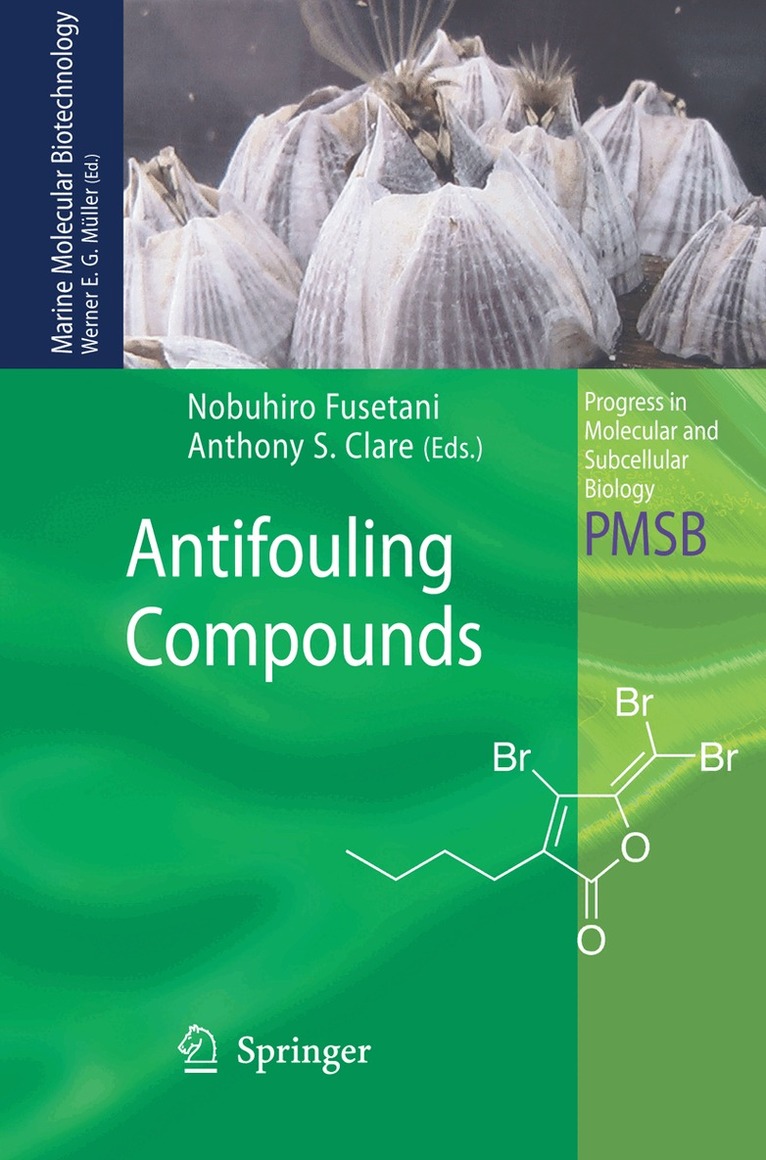
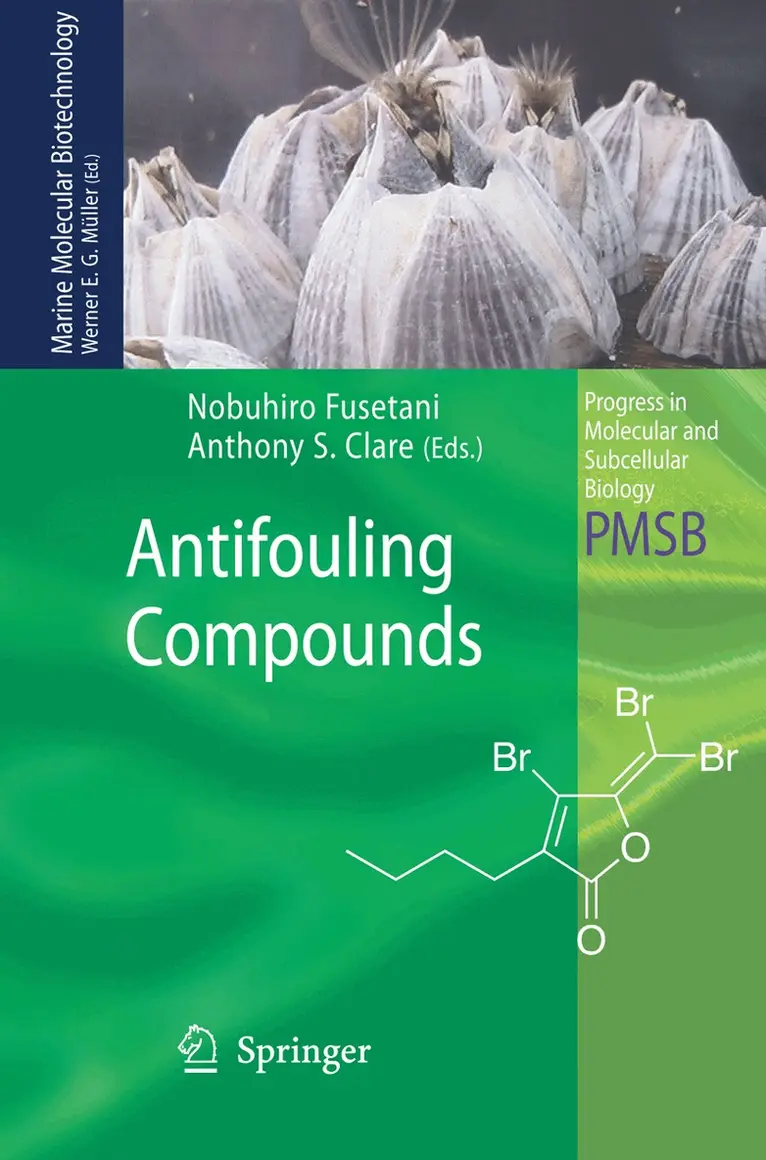
Antifouling Compounds
Av Nobuhiro Fusetani, Anthony S. Clare
Inbunden, 2006
1636 kr
Lägg i varukorg
Increasing awareness of the deleterious effects of toxic components in antifouling coatings has raised interest in the potential for nontoxic alternatives. This book examines how marine organisms from bacteria to invertebrates and plants use chemicals to communicate and defend themselves. Chemicals …
Antifouling Compounds
Av Anthony S. Clare, Nobuhiro Fusetani
E-bok, 2006
2111 kr
Lägg i varukorg
Increasing awareness of the deleterious effects of toxic components in antifouling coatings has raised interest in the potential for nontoxic alternatives. This book examines how marine organisms from bacteria to invertebrates and plants use chemicals to communicate and defend themselves. Chemicals …
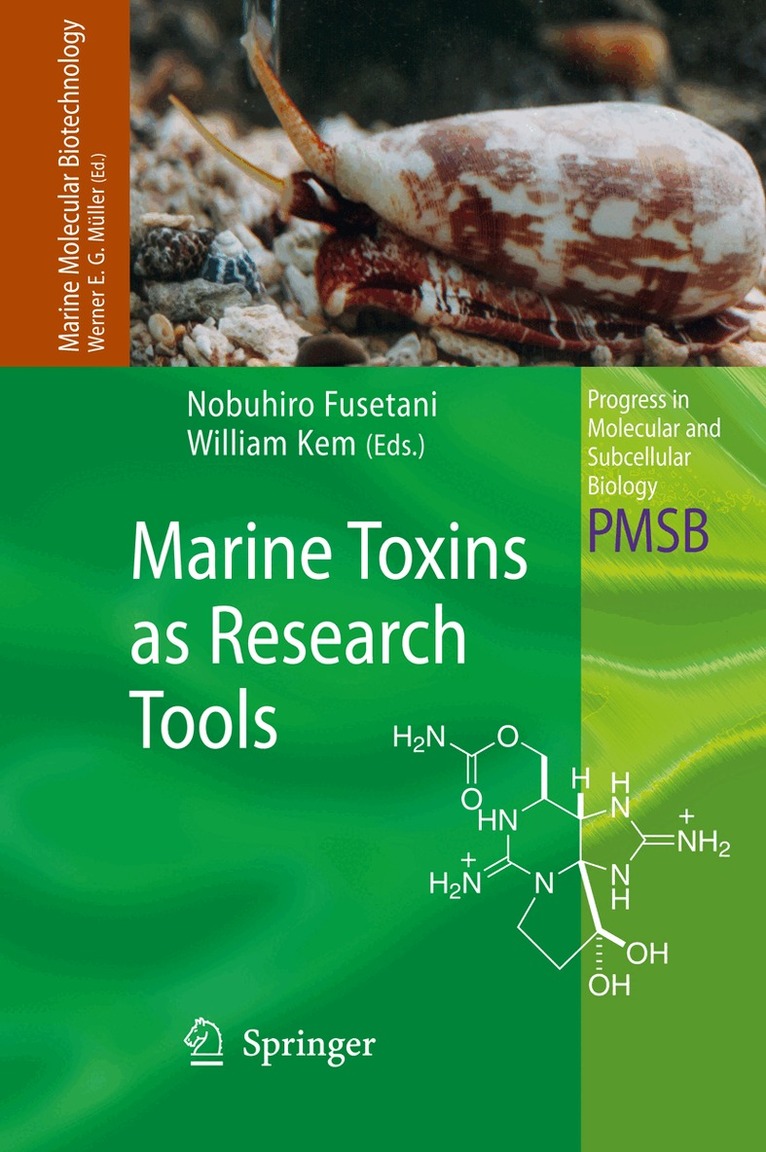
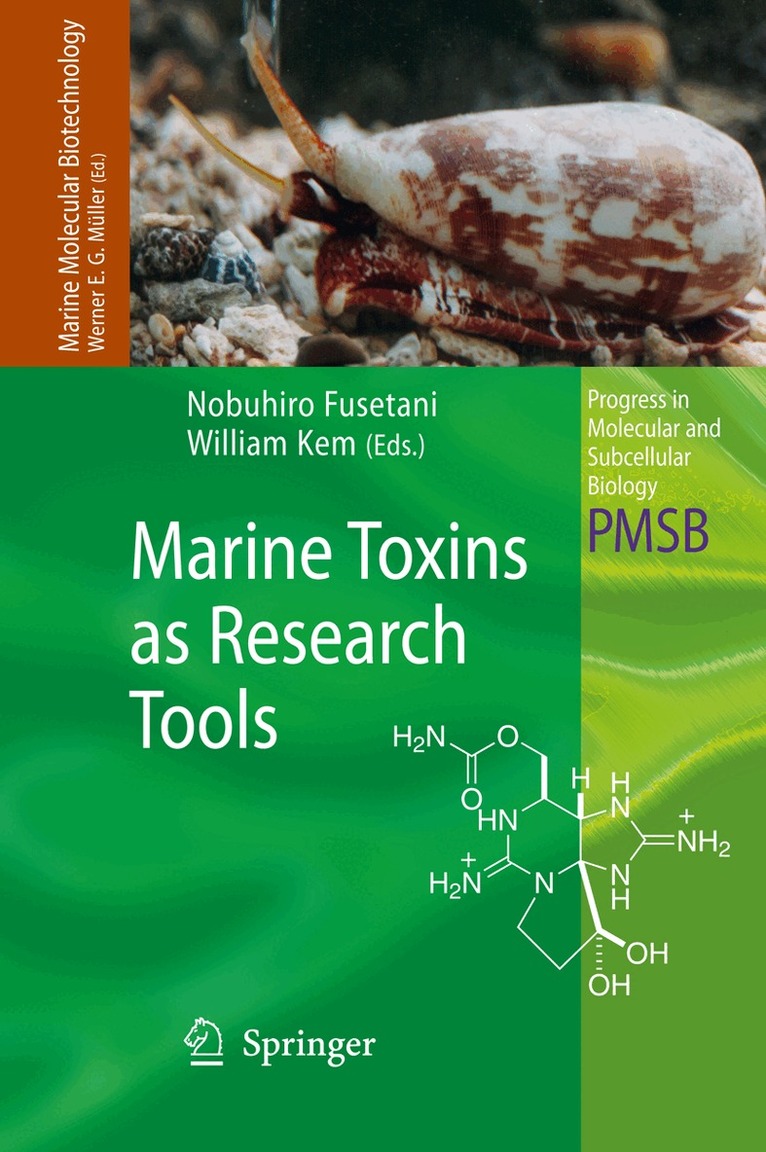
Marine Toxins as Research Tools
Av Nobuhiro Fusetani, William Kem
Inbunden, 2009
2179 kr
Lägg i varukorg
Marine organisms produce a wide array of toxins, many of which are not only structurally unusual, but also show potent and interesting modes of action. Since the discovery of tetrodotoxin, a pufferfish toxin, as a potent and selective blocker of Na+ channels in 1964, it has been widely used as a …
Marine Toxins as Research Tools
Av William Kem, Nobuhiro Fusetani
E-bok, 2009
2948 kr
Lägg i varukorg
Marine organisms produce a wide array of toxins, many of which are not only structurally unusual, but also show potent and interesting modes of action. Since the discovery of tetrodotoxin, a pufferfish toxin, as a potent and selective blocker of Na+ channels in 1964, it has been widely used as a …
Antifouling Compounds
Av Nobuhiro Fusetani, Anthony S. Clare
Häftad, 2010
1636 kr
Lägg i varukorg
Increasing awareness of the deleterious effects of toxic components in antifouling coatings has raised interest in the potential for nontoxic alternatives. This book examines how marine organisms from bacteria to invertebrates and plants use chemicals to communicate and defend themselves. Chemicals …
Marine Toxins as Research Tools
Av Nobuhiro Fusetani, William Kem
Häftad, 2010
2244 kr
Lägg i varukorg
Marine organisms produce a wide array of toxins, many of which are not only structurally unusual, but also show potent and interesting modes of action. Since the discovery of tetrodotoxin, a pufferfish toxin, as a potent and selective blocker of Na+ channels in 1964, it has been widely used as a …