Nordhaus William D. Nordhaus – författare
Visar alla böcker från författaren . Handla med fri frakt och snabb leverans.
2 produkter
2 produkter
E-bok
Engelska, 2008285 kr
Läs direkt efter köp
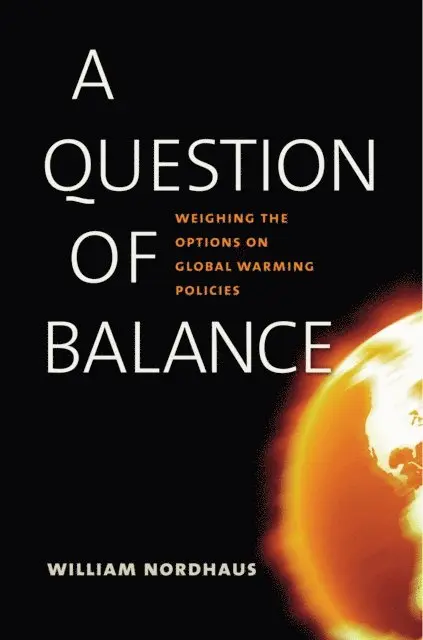
As scientific and observational evidence on global warming piles up every day, questions of economic policy in this central environmental topic have taken center stage. But as author and prominent Yale economist William Nordhaus observes, the issues involved in understanding global warming and slowing its harmful effects are complex and cross disciplinary boundaries. For example, ecologists see global warming as a threat to ecosystems, utilities as a debit to their balance sheets, and farmers as a hazard to their livelihoods.In this important work, William Nordhaus integrates the entire spectrum of economic and scientific research to weigh the costs of reducing emissions against the benefits of reducing the long-run damages from global warming. The book offers one of the most extensive analyses of the economic and environmental dynamics of greenhouse-gas emissions and climate change and provides the tools to evaluate alternative approaches to slowing global warming. The author emphasizes the need to establish effective mechanisms, such as carbon taxes, to harness markets and harmonize the efforts of different countries. This book not only will shape discussion of one the world's most pressing problems but will provide the rationales and methods for achieving widespread agreement on our next best move in alleviating global warming.
E-bok
Engelska, 2013233 kr
Läs direkt efter köp
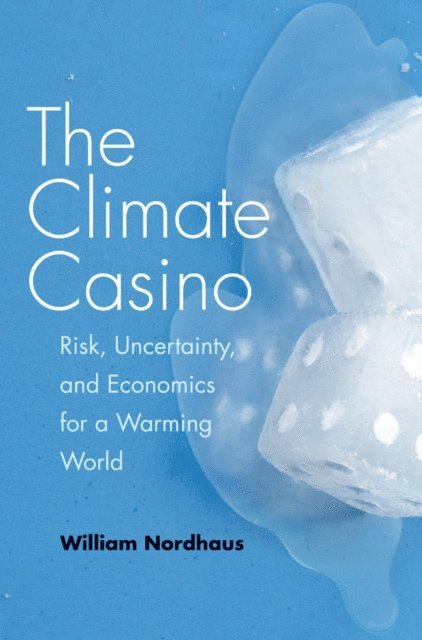
Climate change is profoundly altering our world in ways that pose major risks to human societies and natural systems. We have entered the Climate Casino and are rolling the global-warming dice, warns economist William Nordhaus. But there is still time to turn around and walk back out of the casino, and in this essential book the author explains how. Bringing together all the important issues surrounding the climate debate, Nordhaus describes the science, economics, and politics involved—and the steps necessary to reduce the perils of global warming. Using language accessible to any concerned citizen and taking care to present different points of view fairly, he discusses the problem from start to finish: from the beginning, where warming originates in our personal energy use, to the end, where societies employ regulations or taxes or subsidies to slow the emissions of gases responsible for climate change. Nordhaus offers a new analysis of why earlier policies, such as the Kyoto Protocol, failed to slow carbon dioxide emissions, how new approaches can succeed, and which policy tools will most effectively reduce emissions. In short, he clarifies a defining problem of our times and lays out the next critical steps for slowing the trajectory of global warming.