Ozcan Konur – författare
1 864 kr
Skickas inom 10-15 vardagar
Handbook of Algal Science, Microbiology, Technology and Medicine provides a concise introduction to the science, biology, technology and medical use of algae that is structured on the major research fronts of the last four decades, such as algal structures and properties, algal biomedicine, algal genomics, algal toxicology, and algal bioremediation, algal photosystems, algal ecology, algal bioenergy and biofuels. It also covers algal production for biomedicine, algal biomaterials, and algal medicinal foods within these primary sections. All chapters are authored by the leading researchers in their respective research fields.
Our society currently faces insurmountable challenges in the areas of biomedicine and energy in the face of increasing global population and diminishing natural resources as well as the growing environmental and economic concerns, such as global warming, greenhouse gas emissions and climate change. Algae offer a way to deal with these challenges and concerns for both sustainable and environment friendly bioenergy production and in biomedicine through the development of crucial biotechnology.
Provides an essential interdisciplinary introduction and handbook for all the stakeholders engaged in science, technology and medicine of algae Covers the major research streams of the last four decades, ranging from algal structures, to algal biomedicine and algal bioremediation Fills a significant market opening for an interdisciplinary handbook on algal science, technology and medicine2 599 kr
Läs direkt efter köp
Handbook of Algal Science, Microbiology, Technology and Medicine provides a concise introduction to the science, biology, technology and medical use of algae that is structured on the major research fronts of the last four decades, such as algal structures and properties, algal biomedicine, algal genomics, algal toxicology, and algal bioremediation, algal photosystems, algal ecology, algal bioenergy and biofuels. It also covers algal production for biomedicine, algal biomaterials, and algal medicinal foods within these primary sections. All chapters are authored by the leading researchers in their respective research fields.
Our society currently faces insurmountable challenges in the areas of biomedicine and energy in the face of increasing global population and diminishing natural resources as well as the growing environmental and economic concerns, such as global warming, greenhouse gas emissions and climate change. Algae offer a way to deal with these challenges and concerns for both sustainable and environment friendly bioenergy production and in biomedicine through the development of crucial biotechnology.
Provides an essential interdisciplinary introduction and handbook for all the stakeholders engaged in science, technology and medicine of algae Covers the major research streams of the last four decades, ranging from algal structures, to algal biomedicine and algal bioremediation Fills a significant market opening for an interdisciplinary handbook on algal science, technology and medicine8 456 kr
Skickas inom 10-15 vardagar
2 648 kr
Skickas inom 10-15 vardagar
2 648 kr
Skickas inom 10-15 vardagar
2 395 kr
Skickas inom 10-15 vardagar
3 984 kr
Skickas inom 10-15 vardagar
794 kr
Skickas inom 10-15 vardagar
794 kr
Skickas inom 10-15 vardagar
751 kr
Skickas inom 10-15 vardagar
891 kr
Läs direkt efter köp
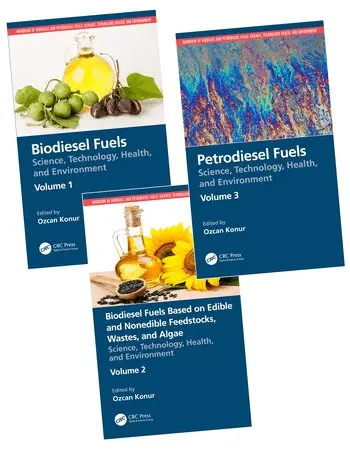
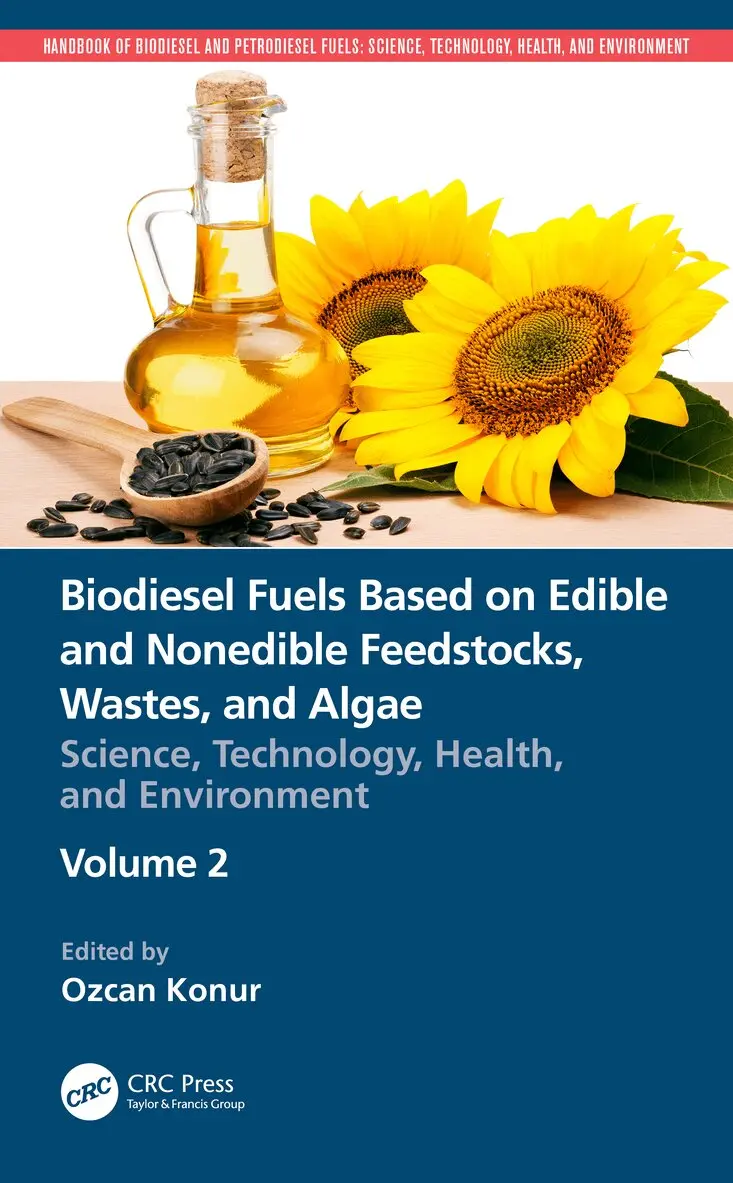
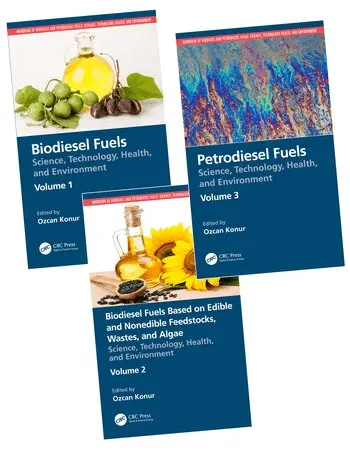
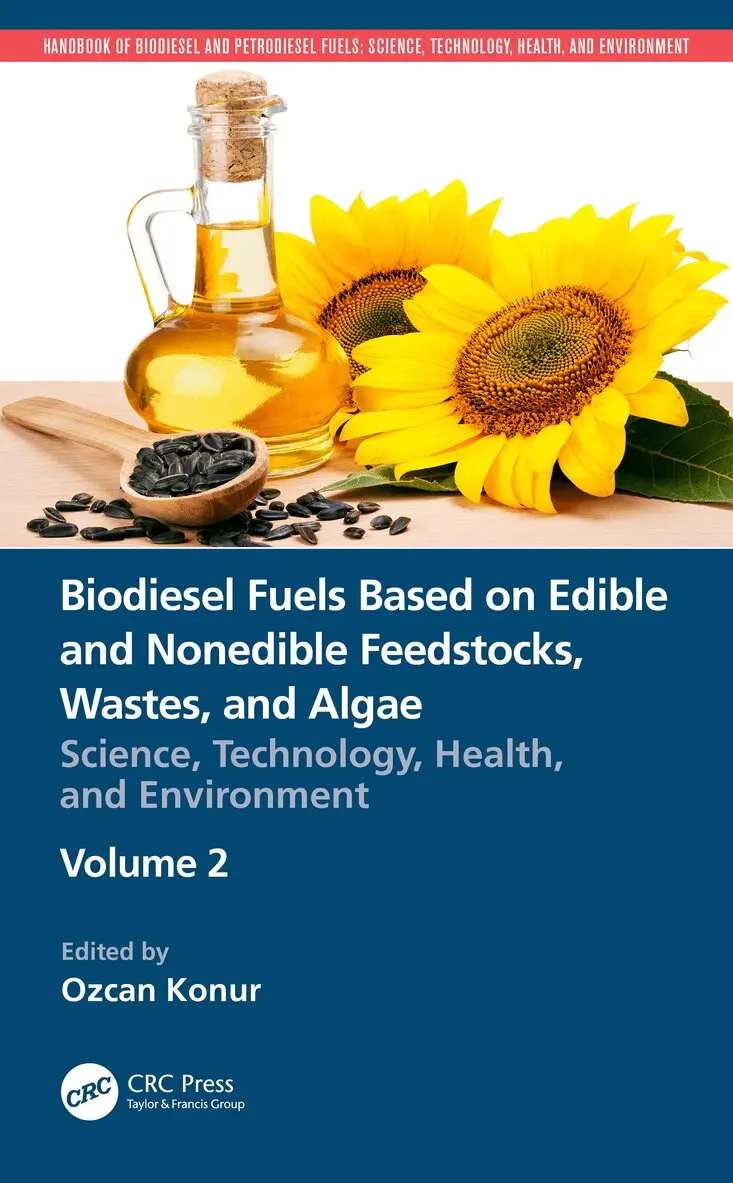
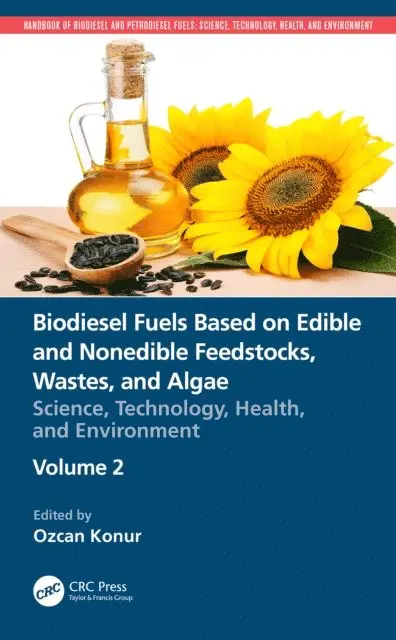
This second volume of the Handbook of Biodiesel and Petrodiesel Fuels presents a representative sample of the population papers in the field of feedstock-specific biodiesel fuels.
The research on feedstocks for biodiesel fuels has first focused on the edible oils as first-generation biodiesel fuels. However, the public concerns about the competition with foods based on these feedstocks and adverse impact on the ecological diversity and deforestation have resulted in the exploration of nonedible-oil-based biodiesel fuels as second-generation biodiesel fuels in the first instance.
Due to the ecological and cost benefits of treating wastes, waste oil-based biodiesel fuels as third-generation biodiesel fuels have emerged. Furthermore, following a series of influential review papers, the research has focused on the algal oil-based biodiesel fuels in recent years. Since the cost of feedstocks in general constitutes 85% of the total biodiesel production costs, the research focused more on improving biomass and lipid productivity in these research fields. Furthermore, since water, CO2, and nutrients (primarily N and P) have been major ingredients for the algal biomass and lipid production, the research has also intensified in the use of wastewaters and flue gases for algal biomass production to reduce the ecological burdens and the production costs.
Part 1 presents a representative sample of the population papers in the field of edible oil-based biodiesel fuels covering major research fronts. It covers soybean oil-based biodiesel fuels, palm oil-based biodiesel fuels, and rapeseed oil-based biodiesel fuels as case studies besides an overview paper.
Part 2 presents a representative sample of the population papers in the field of nonedible oil-based biodiesel fuels covering major research fronts. It covers Jatropha oil-based biodiesel fuels, polanga oil-based biodiesel fuels, and moringa oil-based biodiesel fuels as case studies besides an overview paper.
Part 3 presents a representative sample of the population papers in the field of waste oil-based biodiesel fuels covering major research fronts. It covers wastewater sludge-based biodiesel fuels, waste cooking oil-based biodiesel fuels, and microbial oil-based biodiesel fuels as case studies besides an overview paper.
Part 4 presents a representative sample of the population papers in the field of algal oil-based biodiesel fuels covering major research fronts. It covers algal biomass production in general, algal biomass production in wastewaters, algal lipid production, hydrothermal liquefaction of algal biomass, algal lipid extraction, and algal biodiesel production besides an overview paper.
This book will be useful to academics and professionals in the fields of Energy Fuels, Chemical Engineering, Physical Chemistry, Biotechnology and Applied Microbiology, Environmental Sciences, and Thermodynamics.
Ozcan Konur is both a materials scientist and social scientist by training. He has published around 200 journal papers, book chapters, and conference papers. He has focused on the bioenergy and biofuels in recent years. In 2018, he edited ‘Bioenergy and Biofuels’, that brought together the work of over 30 experts in their respective field. He also edited ‘Handbook of Algal Science, Technology, and Medicine’ with a strong section on the algal biofuels in 2020.
860 kr
Läs direkt efter köp
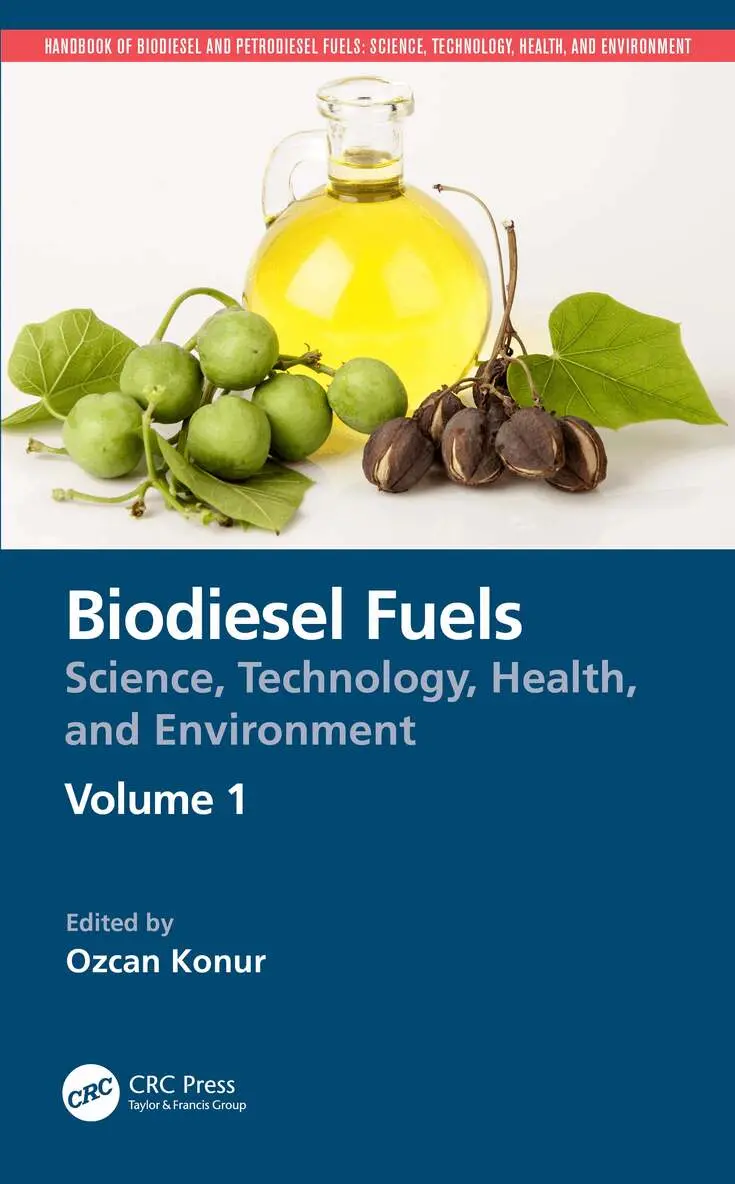
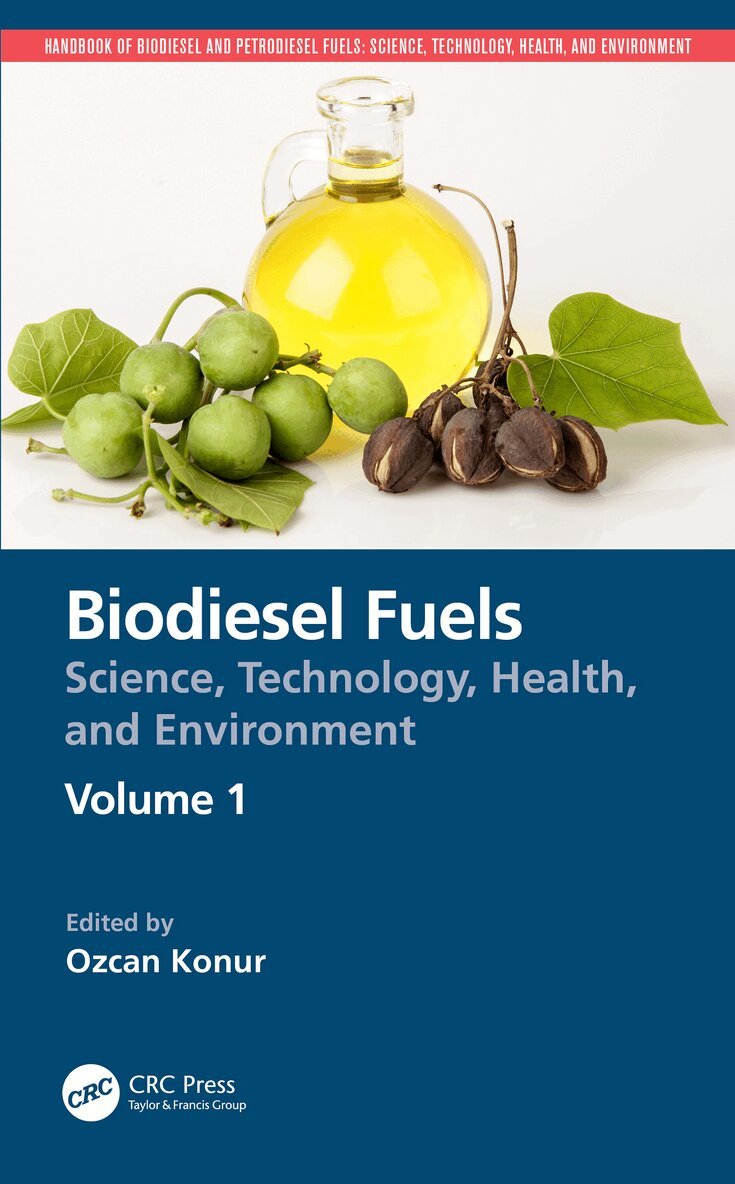
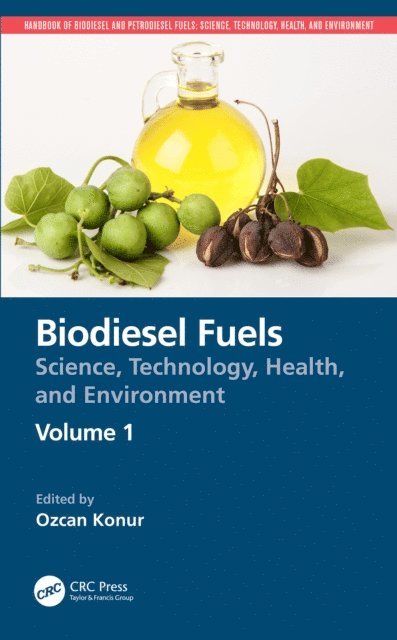
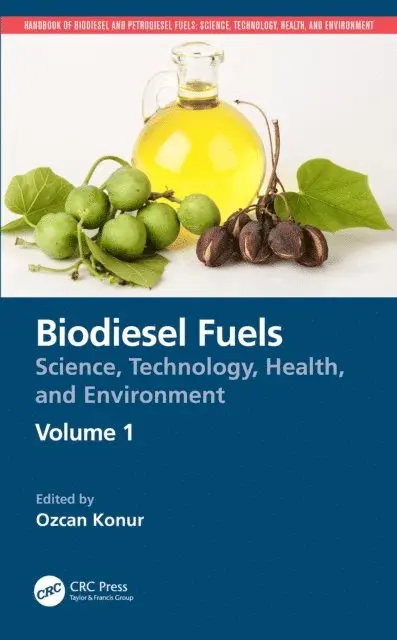
This first volume of the Handbook of Biodiesel and Petrodiesel Fuels presents a representative sample of the population papers in the field of biodiesel fuels in general.
Part I provides an overview of the research field on both biodiesel and petrodiesel fuels highlighting primary and secondary research fronts in these fields.
Part II presents a representative sample of the population papers in the field of biooils covering major research fronts. The research on the biooils is a fundamental part of the research on the biodiesel fuels. The research in this field has intensified in recent years with the application of advanced catalytic technologies and nanotechnologies in both production and upgrading of biooils. It covers pyrolysis, hydrothermal liquefaction, and upgrading, and characterization and properties of biooils besides an overview of the research field.
Part III presents a representative sample of the population papers in the field of biodiesel fuels in general covering major research fronts. The research in this field has progressed in the lines of production, properties, and emissions of biodiesel fuels. As in the case of biooils, catalysts and additives play a crucial role for the biodiesel fuels. It covers biomass-based catalyst-assisted biodiesel production, enzymatic biodiesel production, additives in biodiesel production, properties, characterization, performance, and policies of biodiesel fuels besides an overview of the research field.
Part IV presents a representative sample of the population papers in the field of glycerol, biodiesel waste, covering major research fronts. The research in this field has intensified in recent years with the increasing volume of biodiesel fuels, creating eco-friendly solutions for these wastes of biodiesel fuels for producing valuable biofuels and biochemicals from glycerol. It covers biohydrogen and propanediol production from glycerol as a case study for bioenergy and biochemicals, respectively.
This book will be useful to academics and professionals in the fields of Energy Fuels, Chemical Engineering, Physical Chemistry, Biotechnology and Applied Microbiology, Environmental Sciences, and Thermodynamics.
Ozcan Konur is both a materials scientist and social scientist by training. He has published around 200 journal papers, book chapters, and conference papers. He has focused on the bioenergy and biofuels in recent years. In 2018, he edited Bioenergy and Biofuels, which brought together the work of over 30 experts in their respective field. He also edited the Handbook of Algal Science, Technology, and Medicine with a strong section on the algal biofuels in 2020.
891 kr
Läs direkt efter köp
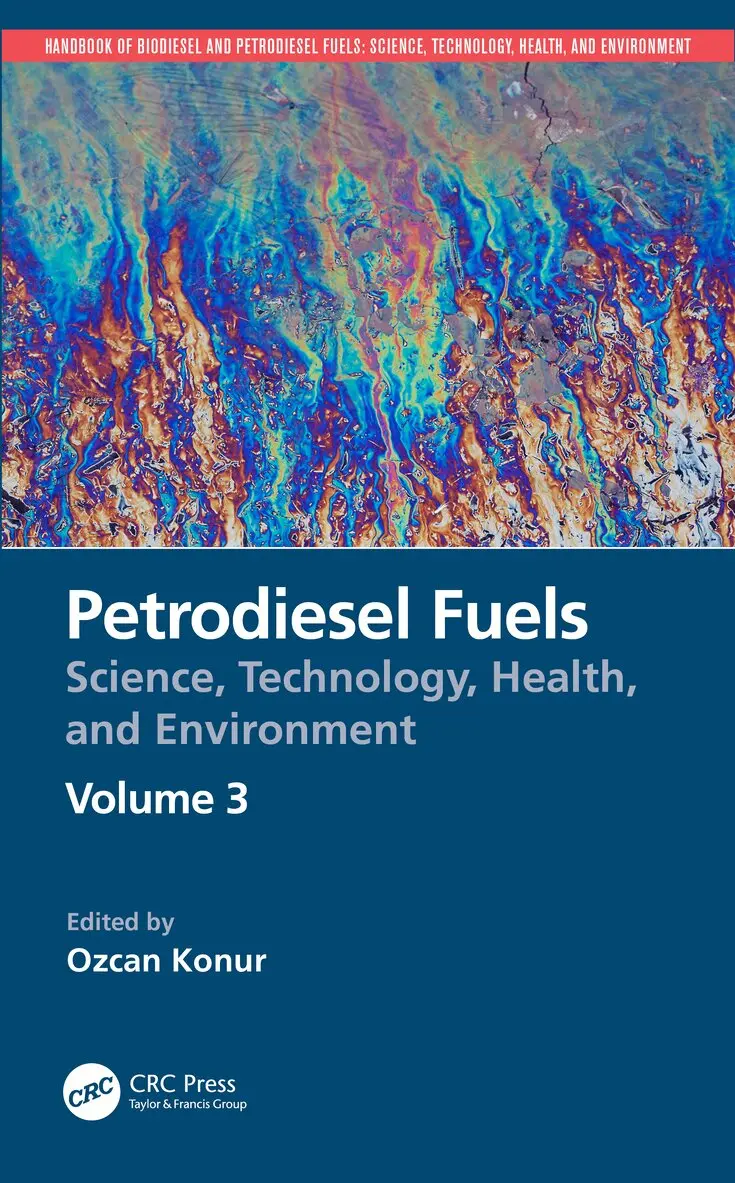
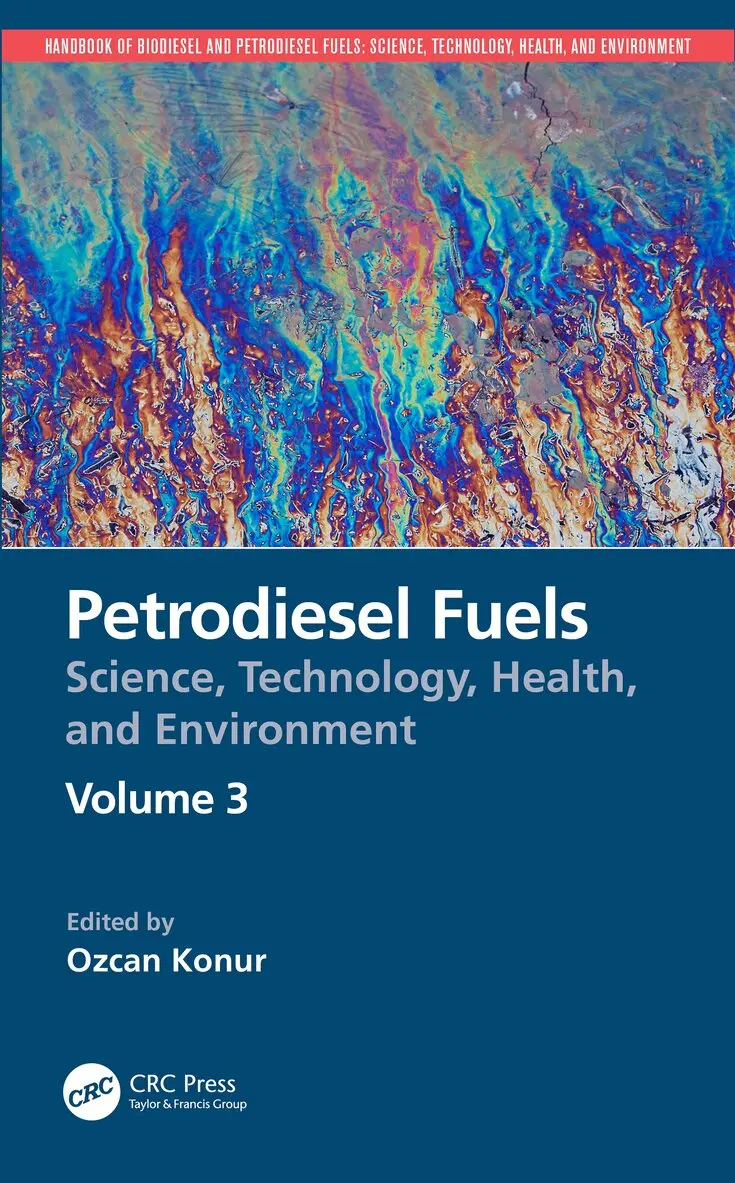
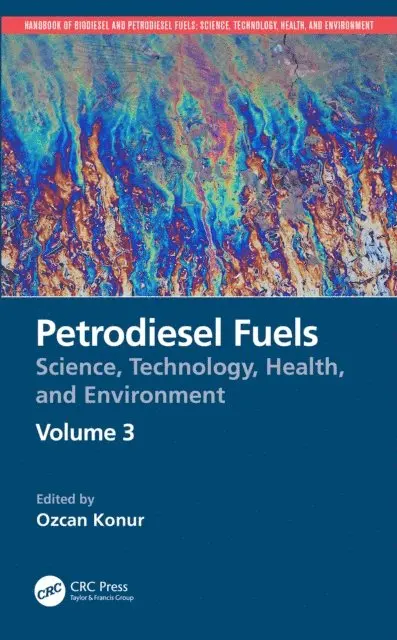
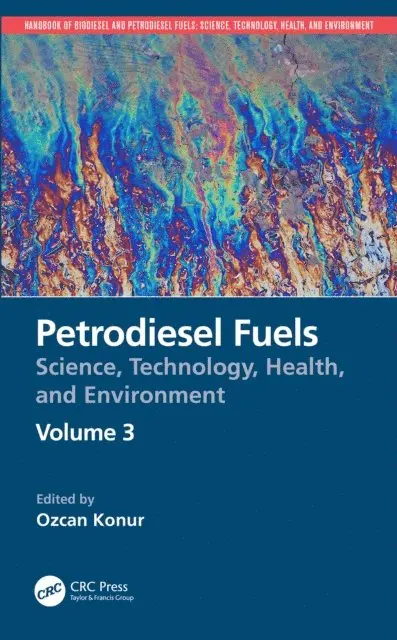
This third volume of the handbook presents a representative sample of the population papers in the field of petrodiesel fuels.
Following the substantial public concerns on the adverse impact of the emissions from petrodiesel fuels on the environment and human health, the research has intensified in the areas related to the reduction of these adverse effects. Thus, bioremediation of spills from crude oils and petrodiesel fuels at sea and soils as well as desulfurization of petrodiesel fuels have emerged as publicly important research areas.
Similarly, the emissions from diesel fuel exhausts, due to their adverse effects on both human health and environment, have been researched more in recent years. These emissions cover particulate emissions, aerosol emissions, and NOx emissions.
Research on the adverse impact of petrodiesel fuel exhaust emissions on human health has primarily progressed along the lines of respiratory illnesses, cancer, and other illnesses, such as cardiovascular illnesses, brain illnesses, and reproductive system illnesses, through human, animal, and in vitro studies.
It is clear that these illnesses caused by the petrodiesel fuel exhaust emissions have been one of the most significant reasons to develop alternative biodiesel fuels.
Part IX presents a representative sample of the population papers in the field of crude oils covering major research fronts. It covers crude oil spills in general, crude oil spills and their cleanup, properties and removal of crude oils, biodegradation of crude oil-contaminated soils, and crude oil recovery besides an overview paper.
Part X presents a representative sample of the population papers in the field of petrodiesel fuels in general covering major research fronts. It covers combustion of biodiesel fuels in diesel engines, bioremediation of biodiesel fuel-contaminated soils, biodiesel power generation, and desulfurization of diesel fuels besides an overview paper.
Part XI presents a representative sample of the population papers in the field of emissions from petrodiesel fuels covering major research fronts. It covers diesel emission mitigation, diesel particulate emissions, and diesel NOx emissions, besides an overview paper.
Part XII presents a representative sample of the population papers in the field of the health impact of the emissions from petrodiesel fuels covering major research fronts. It covers respiratory illnesses, cancer, cardiovascular, brain, and reproductive system illnesses, besides an overview paper.
This book will be useful to academics and professionals in the fields of Energy Fuels, Public Environmental Occupational Health, Pharmacology, Pharmacy, Immunology, Respiratory System, Allergy, and Oncology.
Ozcan Konur is both a materials scientist and social scientist by training. He has published around 200 journal papers, book chapters, and conference papers. He has focused on the bioenergy and biofuels in recent years. In 2018, he edited Bioenergy and Biofuels, which brought together the work of over 30 experts in their respective field. He also edited the Handbook of Algal Science, Technology, and Medicine with a strong section on the algal biofuels in 2020.
891 kr
Läs direkt efter köp
This second volume of the Handbook of Biodiesel and Petrodiesel Fuels presents a representative sample of the population papers in the field of feedstock-specific biodiesel fuels.
The research on feedstocks for biodiesel fuels has first focused on the edible oils as first-generation biodiesel fuels. However, the public concerns about the competition with foods based on these feedstocks and adverse impact on the ecological diversity and deforestation have resulted in the exploration of nonedible-oil-based biodiesel fuels as second-generation biodiesel fuels in the first instance.
Due to the ecological and cost benefits of treating wastes, waste oil-based biodiesel fuels as third-generation biodiesel fuels have emerged. Furthermore, following a series of influential review papers, the research has focused on the algal oil-based biodiesel fuels in recent years. Since the cost of feedstocks in general constitutes 85% of the total biodiesel production costs, the research focused more on improving biomass and lipid productivity in these research fields. Furthermore, since water, CO2, and nutrients (primarily N and P) have been major ingredients for the algal biomass and lipid production, the research has also intensified in the use of wastewaters and flue gases for algal biomass production to reduce the ecological burdens and the production costs.
Part 1 presents a representative sample of the population papers in the field of edible oil-based biodiesel fuels covering major research fronts. It covers soybean oil-based biodiesel fuels, palm oil-based biodiesel fuels, and rapeseed oil-based biodiesel fuels as case studies besides an overview paper.
Part 2 presents a representative sample of the population papers in the field of nonedible oil-based biodiesel fuels covering major research fronts. It covers Jatropha oil-based biodiesel fuels, polanga oil-based biodiesel fuels, and moringa oil-based biodiesel fuels as case studies besides an overview paper.
Part 3 presents a representative sample of the population papers in the field of waste oil-based biodiesel fuels covering major research fronts. It covers wastewater sludge-based biodiesel fuels, waste cooking oil-based biodiesel fuels, and microbial oil-based biodiesel fuels as case studies besides an overview paper.
Part 4 presents a representative sample of the population papers in the field of algal oil-based biodiesel fuels covering major research fronts. It covers algal biomass production in general, algal biomass production in wastewaters, algal lipid production, hydrothermal liquefaction of algal biomass, algal lipid extraction, and algal biodiesel production besides an overview paper.
This book will be useful to academics and professionals in the fields of Energy Fuels, Chemical Engineering, Physical Chemistry, Biotechnology and Applied Microbiology, Environmental Sciences, and Thermodynamics.
Ozcan Konur is both a materials scientist and social scientist by training. He has published around 200 journal papers, book chapters, and conference papers. He has focused on the bioenergy and biofuels in recent years. In 2018, he edited ‘Bioenergy and Biofuels’, that brought together the work of over 30 experts in their respective field. He also edited ‘Handbook of Algal Science, Technology, and Medicine’ with a strong section on the algal biofuels in 2020.
891 kr
Läs direkt efter köp
This first volume of the Handbook of Biodiesel and Petrodiesel Fuels presents a representative sample of the population papers in the field of biodiesel fuels in general.
Part I provides an overview of the research field on both biodiesel and petrodiesel fuels highlighting primary and secondary research fronts in these fields.
Part II presents a representative sample of the population papers in the field of biooils covering major research fronts. The research on the biooils is a fundamental part of the research on the biodiesel fuels. The research in this field has intensified in recent years with the application of advanced catalytic technologies and nanotechnologies in both production and upgrading of biooils. It covers pyrolysis, hydrothermal liquefaction, and upgrading, and characterization and properties of biooils besides an overview of the research field.
Part III presents a representative sample of the population papers in the field of biodiesel fuels in general covering major research fronts. The research in this field has progressed in the lines of production, properties, and emissions of biodiesel fuels. As in the case of biooils, catalysts and additives play a crucial role for the biodiesel fuels. It covers biomass-based catalyst-assisted biodiesel production, enzymatic biodiesel production, additives in biodiesel production, properties, characterization, performance, and policies of biodiesel fuels besides an overview of the research field.
Part IV presents a representative sample of the population papers in the field of glycerol, biodiesel waste, covering major research fronts. The research in this field has intensified in recent years with the increasing volume of biodiesel fuels, creating eco-friendly solutions for these wastes of biodiesel fuels for producing valuable biofuels and biochemicals from glycerol. It covers biohydrogen and propanediol production from glycerol as a case study for bioenergy and biochemicals, respectively.
This book will be useful to academics and professionals in the fields of Energy Fuels, Chemical Engineering, Physical Chemistry, Biotechnology and Applied Microbiology, Environmental Sciences, and Thermodynamics.
Ozcan Konur is both a materials scientist and social scientist by training. He has published around 200 journal papers, book chapters, and conference papers. He has focused on the bioenergy and biofuels in recent years. In 2018, he edited Bioenergy and Biofuels, which brought together the work of over 30 experts in their respective field. He also edited the Handbook of Algal Science, Technology, and Medicine with a strong section on the algal biofuels in 2020.
891 kr
Läs direkt efter köp
This third volume of the handbook presents a representative sample of the population papers in the field of petrodiesel fuels.
Following the substantial public concerns on the adverse impact of the emissions from petrodiesel fuels on the environment and human health, the research has intensified in the areas related to the reduction of these adverse effects. Thus, bioremediation of spills from crude oils and petrodiesel fuels at sea and soils as well as desulfurization of petrodiesel fuels have emerged as publicly important research areas.
Similarly, the emissions from diesel fuel exhausts, due to their adverse effects on both human health and environment, have been researched more in recent years. These emissions cover particulate emissions, aerosol emissions, and NOx emissions.
Research on the adverse impact of petrodiesel fuel exhaust emissions on human health has primarily progressed along the lines of respiratory illnesses, cancer, and other illnesses, such as cardiovascular illnesses, brain illnesses, and reproductive system illnesses, through human, animal, and in vitro studies.
It is clear that these illnesses caused by the petrodiesel fuel exhaust emissions have been one of the most significant reasons to develop alternative biodiesel fuels.
Part IX presents a representative sample of the population papers in the field of crude oils covering major research fronts. It covers crude oil spills in general, crude oil spills and their cleanup, properties and removal of crude oils, biodegradation of crude oil-contaminated soils, and crude oil recovery besides an overview paper.
Part X presents a representative sample of the population papers in the field of petrodiesel fuels in general covering major research fronts. It covers combustion of biodiesel fuels in diesel engines, bioremediation of biodiesel fuel-contaminated soils, biodiesel power generation, and desulfurization of diesel fuels besides an overview paper.
Part XI presents a representative sample of the population papers in the field of emissions from petrodiesel fuels covering major research fronts. It covers diesel emission mitigation, diesel particulate emissions, and diesel NOx emissions, besides an overview paper.
Part XII presents a representative sample of the population papers in the field of the health impact of the emissions from petrodiesel fuels covering major research fronts. It covers respiratory illnesses, cancer, cardiovascular, brain, and reproductive system illnesses, besides an overview paper.
This book will be useful to academics and professionals in the fields of Energy Fuels, Public Environmental Occupational Health, Pharmacology, Pharmacy, Immunology, Respiratory System, Allergy, and Oncology.
Ozcan Konur is both a materials scientist and social scientist by training. He has published around 200 journal papers, book chapters, and conference papers. He has focused on the bioenergy and biofuels in recent years. In 2018, he edited Bioenergy and Biofuels, which brought together the work of over 30 experts in their respective field. He also edited the Handbook of Algal Science, Technology, and Medicine with a strong section on the algal biofuels in 2020.
891 kr
Läs direkt efter köp
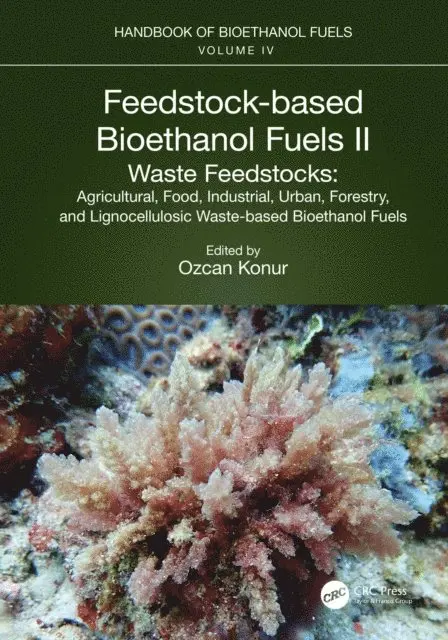
This book provides an overview of research on the production of bioethanol fuels from waste feedstocks such as second-generation residual sugar and starch feedstocks, food waste, industrial waste, urban waste, forestry waste, and lignocellulosic biomass at large with 17 chapters. In this context, there are eight sections where the first two chapters cover the production of bioethanol fuels from waste feedstocks at large.
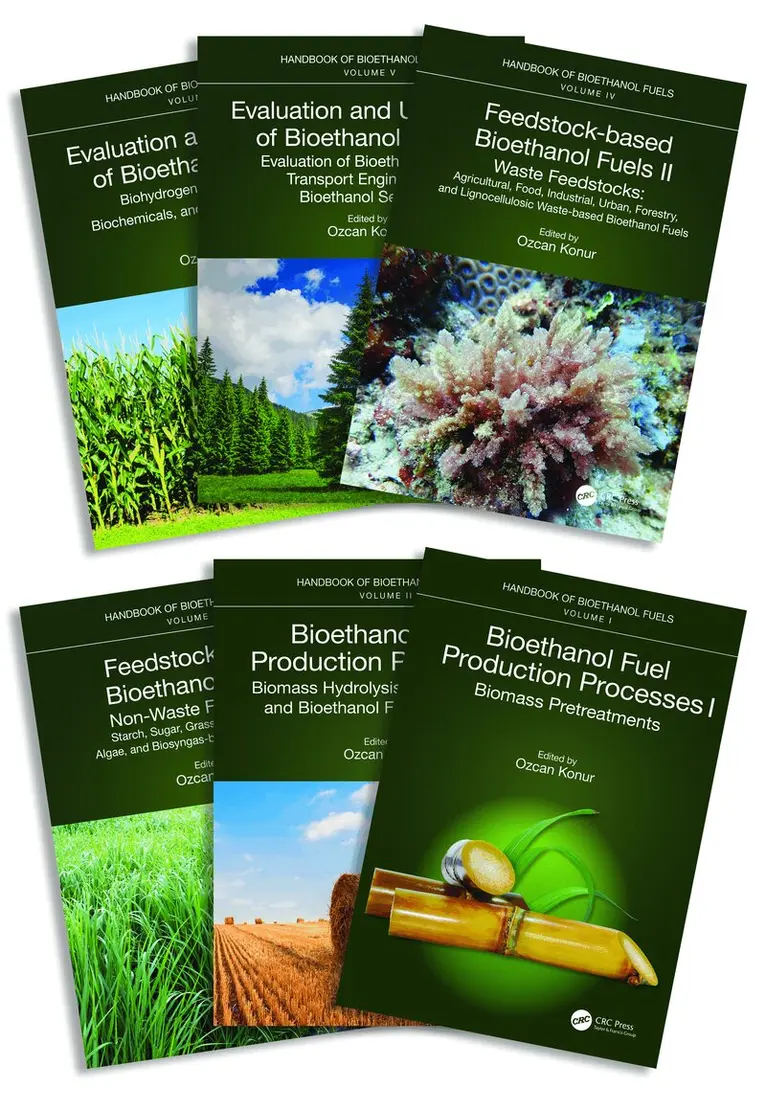
This book is the fourth volume in the Handbook of Bioethanol Fuels (Six-Volume Set). It shows that pretreatments and hydrolysis of the waste feedstocks, fermentation of hydrolysates, and separation and distillation of bioethanol fuels are the fundamental processes for bioethanol fuel production from these waste feedstocks.
This book is a valuable resource for stakeholders primarily in research fields of energy and fuels, chemical engineering, environmental science and engineering, biotechnology, microbiology, chemistry, physics, mechanical engineering, agricultural sciences, food science and engineering, materials science, biochemistry, genetics, molecular biology, plant sciences, water resources, economics, business and management, transportation science and technology, ecology, public, environmental and occupational health, social sciences, toxicology, multi-disciplinary sciences, and humanities among others.
860 kr
Läs direkt efter köp
This book provides an overview of research on the production of bioethanol fuels from waste feedstocks such as second-generation residual sugar and starch feedstocks, food waste, industrial waste, urban waste, forestry waste, and lignocellulosic biomass at large with 17 chapters. In this context, there are eight sections where the first two chapters cover the production of bioethanol fuels from waste feedstocks at large.
This book is the fourth volume in the Handbook of Bioethanol Fuels (Six-Volume Set). It shows that pretreatments and hydrolysis of the waste feedstocks, fermentation of hydrolysates, and separation and distillation of bioethanol fuels are the fundamental processes for bioethanol fuel production from these waste feedstocks.
This book is a valuable resource for stakeholders primarily in research fields of energy and fuels, chemical engineering, environmental science and engineering, biotechnology, microbiology, chemistry, physics, mechanical engineering, agricultural sciences, food science and engineering, materials science, biochemistry, genetics, molecular biology, plant sciences, water resources, economics, business and management, transportation science and technology, ecology, public, environmental and occupational health, social sciences, toxicology, multi-disciplinary sciences, and humanities among others.
891 kr
Läs direkt efter köp
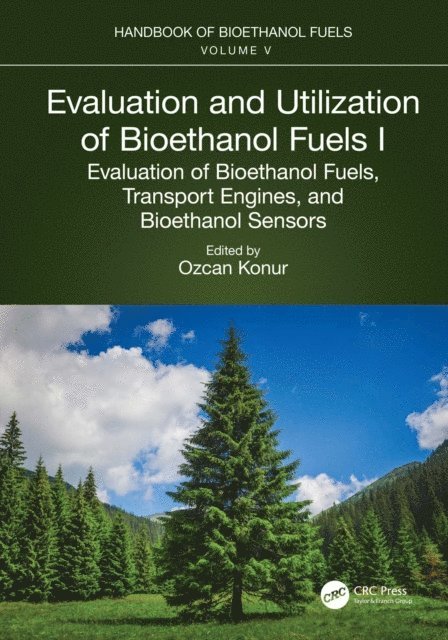
This book aims to inform readers about the recent developments in the evaluation and utilization of bioethanol fuels. It covers the evaluation and utilization of bioethanol fuels in general, gasoline fuels, nanotechnology applications in bioethanol fuels, utilization of bioethanol fuels in transport engines, evaluation of bioethanol fuels, utilization of bioethanol fuels in general, and development and utilization of bioethanol fuel sensors.
This book is the fifth volume in the Handbook of Bioethanol Fuels (Six-Volume Set). It indicates that research on the evaluation and utilization of bioethanol fuels has intensified in recent years to become a major part of bioenergy and biofuels research together primarily with biodiesel, biohydrogen, and biogas research as a sustainable alternative to crude oil-based gasoline and petrodiesel fuels as well as natural gas and syngas.
This book is a valuable resource for stakeholders primarily in the research fields of energy and fuels, chemical engineering, environmental science and engineering, biotechnology, microbiology, chemistry, physics, mechanical engineering, agricultural sciences, food science and engineering, materials science, biochemistry, genetics, and molecular biology, plant sciences, water resources, economics, business and management, transportation science and technology, ecology, public, environmental and occupational health, social sciences, toxicology, multidisciplinary sciences, and humanities, among others.
891 kr
Läs direkt efter köp
This book aims to inform readers about the recent developments in the evaluation and utilization of bioethanol fuels. It covers the evaluation and utilization of bioethanol fuels in general, gasoline fuels, nanotechnology applications in bioethanol fuels, utilization of bioethanol fuels in transport engines, evaluation of bioethanol fuels, utilization of bioethanol fuels in general, and development and utilization of bioethanol fuel sensors.
This book is the fifth volume in the Handbook of Bioethanol Fuels (Six-Volume Set). It indicates that research on the evaluation and utilization of bioethanol fuels has intensified in recent years to become a major part of bioenergy and biofuels research together primarily with biodiesel, biohydrogen, and biogas research as a sustainable alternative to crude oil-based gasoline and petrodiesel fuels as well as natural gas and syngas.
This book is a valuable resource for stakeholders primarily in the research fields of energy and fuels, chemical engineering, environmental science and engineering, biotechnology, microbiology, chemistry, physics, mechanical engineering, agricultural sciences, food science and engineering, materials science, biochemistry, genetics, and molecular biology, plant sciences, water resources, economics, business and management, transportation science and technology, ecology, public, environmental and occupational health, social sciences, toxicology, multidisciplinary sciences, and humanities, among others.
891 kr
Läs direkt efter köp
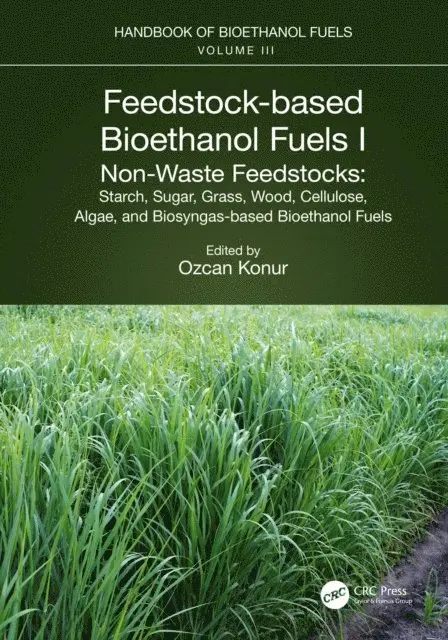
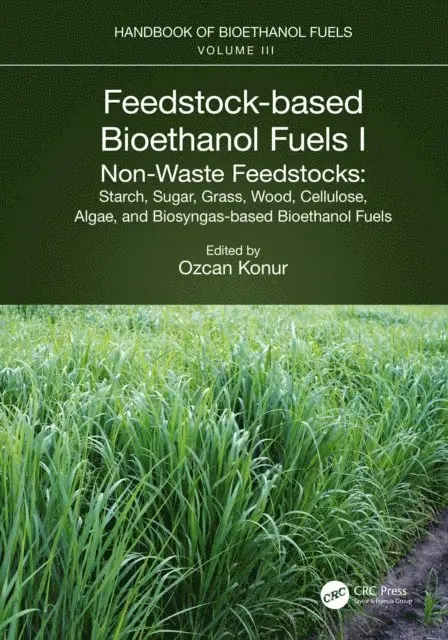
This book aims to inform readers about the recent developments in production, evaluation, and utilization of bioethanol fuels from non-waste feedstocks. It covers the production of bioethanol fuels from first generation starch feedstocks and sugar feedstocks, grass biomass, wood biomass, cellulose, biosyngas, and third generation algae. In this context, there are nine key sections where the first four chapters cover the production of bioethanol fuels from feedstocks at large and non-waste feedstocks.
This book shows that pretreatments and hydrolysis of the non-waste feedstocks, fermentation of hydrolysates, and separation and distillation of bioethanol fuels are the fundamental processes for bioethanol fuel production from these non-waste feedstocks with the exception of the biosyngas feedstocks.
This book is a valuable resource for the stakeholders primarily in the research fields of energy and fuels, chemical engineering, environmental science and engineering, biotechnology, microbiology, chemistry, physics, mechanical engineering, agricultural sciences, food science and engineering, materials science, biochemistry, genetics, molecular biology, plant sciences, water resources, economics, business and management, transportation science and technology, ecology, public, environmental, and occupational health, social sciences, toxicology, multidisciplinary sciences, and humanities among others
860 kr
Läs direkt efter köp
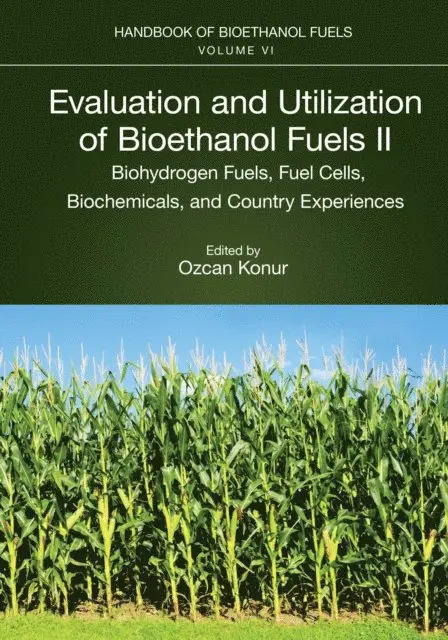
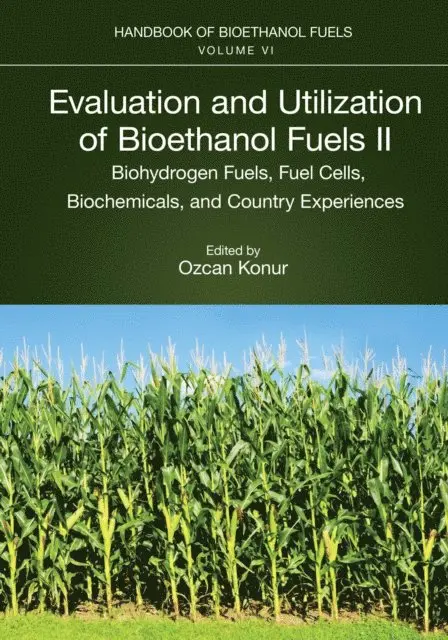
The sixth volume of this handbook provides an overview of the research on the country-based experience of bioethanol fuels at large, Chinese, US, and European experience of bioethanol fuels, production of bioethanol fuel-based biohydrogen fuels for fuel cells, bioethanol fuel cells, and bioethanol fuel-based biochemicals with a collection of 17 chapters. Thus, it complements the fifth volume of this handbook.
Hence, the sixth volume indicates that the research on the evaluation and utilization of bioethanol fuels has intensified in recent years to become a major part of the bioenergy and biofuels research together primarily with biodiesel, biohydrogen, and biogas research as a sustainable alternative to crude oil-based gasoline and petrodiesel fuels as well as natural gas and syngas.
This book is intended for students, researchers, engineers, policy makers, economist, business managers, and social scientists, working on the production, utilization and evaluation of bioethanol fuels.
891 kr
Läs direkt efter köp
This book aims to inform readers about the recent developments in production, evaluation, and utilization of bioethanol fuels from non-waste feedstocks. It covers the production of bioethanol fuels from first generation starch feedstocks and sugar feedstocks, grass biomass, wood biomass, cellulose, biosyngas, and third generation algae. In this context, there are nine key sections where the first four chapters cover the production of bioethanol fuels from feedstocks at large and non-waste feedstocks.
This book shows that pretreatments and hydrolysis of the non-waste feedstocks, fermentation of hydrolysates, and separation and distillation of bioethanol fuels are the fundamental processes for bioethanol fuel production from these non-waste feedstocks with the exception of the biosyngas feedstocks.
This book is a valuable resource for the stakeholders primarily in the research fields of energy and fuels, chemical engineering, environmental science and engineering, biotechnology, microbiology, chemistry, physics, mechanical engineering, agricultural sciences, food science and engineering, materials science, biochemistry, genetics, molecular biology, plant sciences, water resources, economics, business and management, transportation science and technology, ecology, public, environmental, and occupational health, social sciences, toxicology, multidisciplinary sciences, and humanities among others
891 kr
Läs direkt efter köp
The sixth volume of this handbook provides an overview of the research on the country-based experience of bioethanol fuels at large, Chinese, US, and European experience of bioethanol fuels, production of bioethanol fuel-based biohydrogen fuels for fuel cells, bioethanol fuel cells, and bioethanol fuel-based biochemicals with a collection of 17 chapters. Thus, it complements the fifth volume of this handbook.
Hence, the sixth volume indicates that the research on the evaluation and utilization of bioethanol fuels has intensified in recent years to become a major part of the bioenergy and biofuels research together primarily with biodiesel, biohydrogen, and biogas research as a sustainable alternative to crude oil-based gasoline and petrodiesel fuels as well as natural gas and syngas.
This book is intended for students, researchers, engineers, policy makers, economist, business managers, and social scientists, working on the production, utilization and evaluation of bioethanol fuels.
891 kr
Läs direkt efter köp
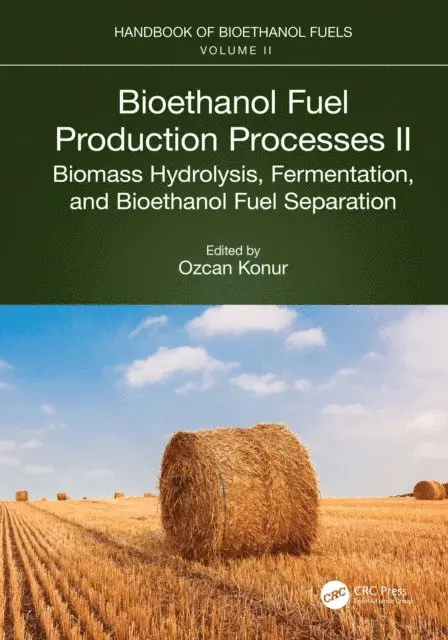
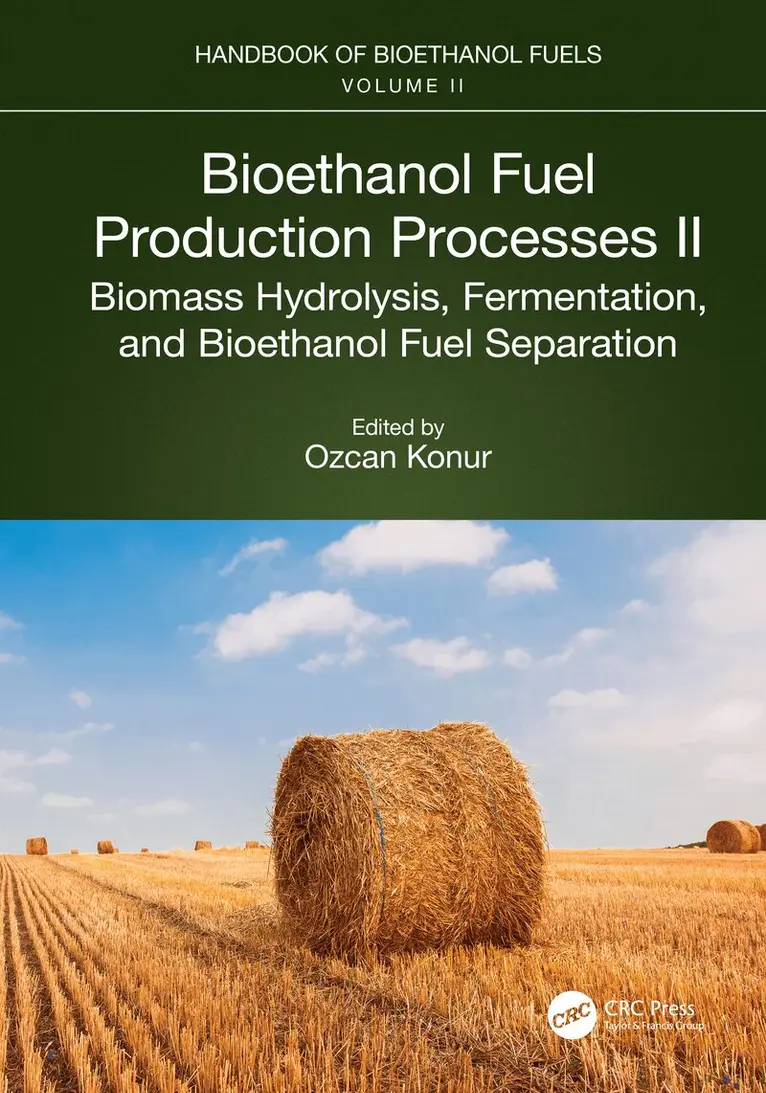
This book provides an overview of the research on production processes for bioethanol fuels in general, hydrolysis of the pretreated biomass for bioethanol production, microbial fermentation of hydrolysates and substrates with yeasts for bioethanol production, and separation and distillation of bioethanol fuels from the fermentation broth, complementing the research on biomass pretreatments presented in the first volume.
It presents an overview of the research on biomass hydrolysis in general, wood hydrolysis, straw hydrolysis, and cellulose hydrolysis for bioethanol fuel production in the first section for biomass hydrolysis. It provides an overview of the research on microbial hydrolysate fermentation for bioethanol production in general, alternative fermentation processes for bioethanol fuel production such as simultaneous saccharification and fermentation (SSF) and consolidated biomass processing (CBP) compared with the separate hydrolysis and fermentation (SHF) process, metabolic engineering of microorganisms and substrates for bioethanol fuel production, and utilization of Saccharomyces cerevisiae for microbial fermentation of hydrolysates for bioethanol fuel production in the second section for hydrolysate fermentation.
It provides an overview of the research on the bioethanol fuel separation from the fermentation broth in the last section. This book is a valuable resource for the stakeholders primarily in the research fields of energy and fuels, chemical engineering, environmental science and engineering, biotechnology, microbiology, chemistry, physics, mechanical engineering, agricultural sciences, food science and engineering, materials science, biochemistry, genetics, molecular biology, plant sciences, water resources, economics, business, management, transportations science and technology, ecology, public, environmental and occupational health, social sciences, toxicology, multidisciplinary sciences, and humanities among others.
891 kr
Läs direkt efter köp
This book provides an overview of the research on production processes for bioethanol fuels in general, hydrolysis of the pretreated biomass for bioethanol production, microbial fermentation of hydrolysates and substrates with yeasts for bioethanol production, and separation and distillation of bioethanol fuels from the fermentation broth, complementing the research on biomass pretreatments presented in the first volume.
It presents an overview of the research on biomass hydrolysis in general, wood hydrolysis, straw hydrolysis, and cellulose hydrolysis for bioethanol fuel production in the first section for biomass hydrolysis. It provides an overview of the research on microbial hydrolysate fermentation for bioethanol production in general, alternative fermentation processes for bioethanol fuel production such as simultaneous saccharification and fermentation (SSF) and consolidated biomass processing (CBP) compared with the separate hydrolysis and fermentation (SHF) process, metabolic engineering of microorganisms and substrates for bioethanol fuel production, and utilization of Saccharomyces cerevisiae for microbial fermentation of hydrolysates for bioethanol fuel production in the second section for hydrolysate fermentation.
It provides an overview of the research on the bioethanol fuel separation from the fermentation broth in the last section. This book is a valuable resource for the stakeholders primarily in the research fields of energy and fuels, chemical engineering, environmental science and engineering, biotechnology, microbiology, chemistry, physics, mechanical engineering, agricultural sciences, food science and engineering, materials science, biochemistry, genetics, molecular biology, plant sciences, water resources, economics, business, management, transportations science and technology, ecology, public, environmental and occupational health, social sciences, toxicology, multidisciplinary sciences, and humanities among others.
891 kr
Läs direkt efter köp
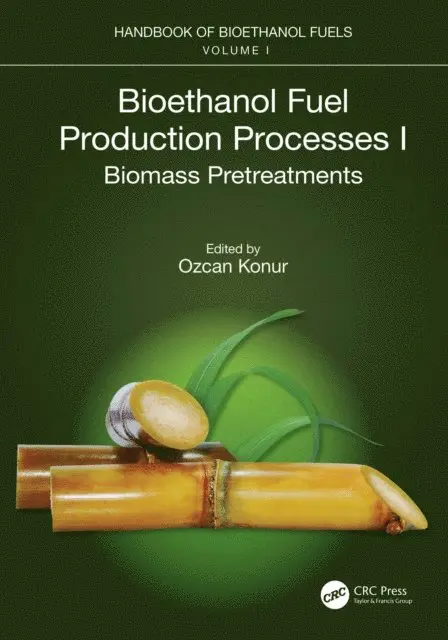
This book presents research on biomass pretreatments, which are a fundamental part of bioethanol fuel production to make biomass more accessible. This book also includes an introductory section on the bioethanol fuels.
Bioethanol Fuel Production Processes. I: Biomass Pretreatments is the first volume in the Handbook of Bioethanol Fuels (Six-Volume Set). The primary pretreatments at the macro level are the biological chemical, hydrothermal, and mechanical pretreatments of the biomass. It also has an introductory section on the biomass pretreatments at large for bioethanol fuel production.
The major pretreatments at the micro level are the enzymatic and fungal pretreatments of the biomass as the biological pretreatments, acid, alkaline, ionic liquid, and organic solvent pretreatment pretreatments of the biomass as the chemical pretreatments, steam explosion and liquid hot water pretreatments of the biomass as the hydrothermal pretreatments, and milling, ultrasonic, and microwave pretreatments of the biomass as the mechanical pretreatments.
The first volume also indicates that a wide range of pretreatments stand alone or in combination with each other fractionate the biomass to its constituents of cellulose, lignin, and hemicellulose and improve both sugar and bioethanol fuel yield, making this bioethanol fuel more competitive in relation to crude oil- and natural gas-based fossil fuels.
This first volume is a valuable resource for the stakeholders primarily in the research fields of energy and fuels, chemical engineering, environmental science and engineering, biotechnology, microbiology, chemistry, physics, mechanical engineering, agricultural sciences, food science and engineering, materials science, biochemistry, genetics, molecular biology, plant sciences, water resources, economics, business, management, transportation science and technology, ecology, public, environmental and occupational health, social sciences, toxicology, multidisciplinary sciences, and humanities among others.
891 kr
Läs direkt efter köp
This book presents research on biomass pretreatments, which are a fundamental part of bioethanol fuel production to make biomass more accessible. This book also includes an introductory section on the bioethanol fuels.
Bioethanol Fuel Production Processes. I: Biomass Pretreatments is the first volume in the Handbook of Bioethanol Fuels (Six-Volume Set). The primary pretreatments at the macro level are the biological chemical, hydrothermal, and mechanical pretreatments of the biomass. It also has an introductory section on the biomass pretreatments at large for bioethanol fuel production.
The major pretreatments at the micro level are the enzymatic and fungal pretreatments of the biomass as the biological pretreatments, acid, alkaline, ionic liquid, and organic solvent pretreatment pretreatments of the biomass as the chemical pretreatments, steam explosion and liquid hot water pretreatments of the biomass as the hydrothermal pretreatments, and milling, ultrasonic, and microwave pretreatments of the biomass as the mechanical pretreatments.
The first volume also indicates that a wide range of pretreatments stand alone or in combination with each other fractionate the biomass to its constituents of cellulose, lignin, and hemicellulose and improve both sugar and bioethanol fuel yield, making this bioethanol fuel more competitive in relation to crude oil- and natural gas-based fossil fuels.
This first volume is a valuable resource for the stakeholders primarily in the research fields of energy and fuels, chemical engineering, environmental science and engineering, biotechnology, microbiology, chemistry, physics, mechanical engineering, agricultural sciences, food science and engineering, materials science, biochemistry, genetics, molecular biology, plant sciences, water resources, economics, business, management, transportation science and technology, ecology, public, environmental and occupational health, social sciences, toxicology, multidisciplinary sciences, and humanities among others.
16 974 kr
Skickas inom 10-15 vardagar
2 659 kr
Skickas inom 10-15 vardagar