Paola Caridi – författare
Visar alla böcker från författaren . Handla med fri frakt och snabb leverans.
5 produkter
5 produkter
E-bok
Engelska, 2012278 kr
Läs direkt efter köp
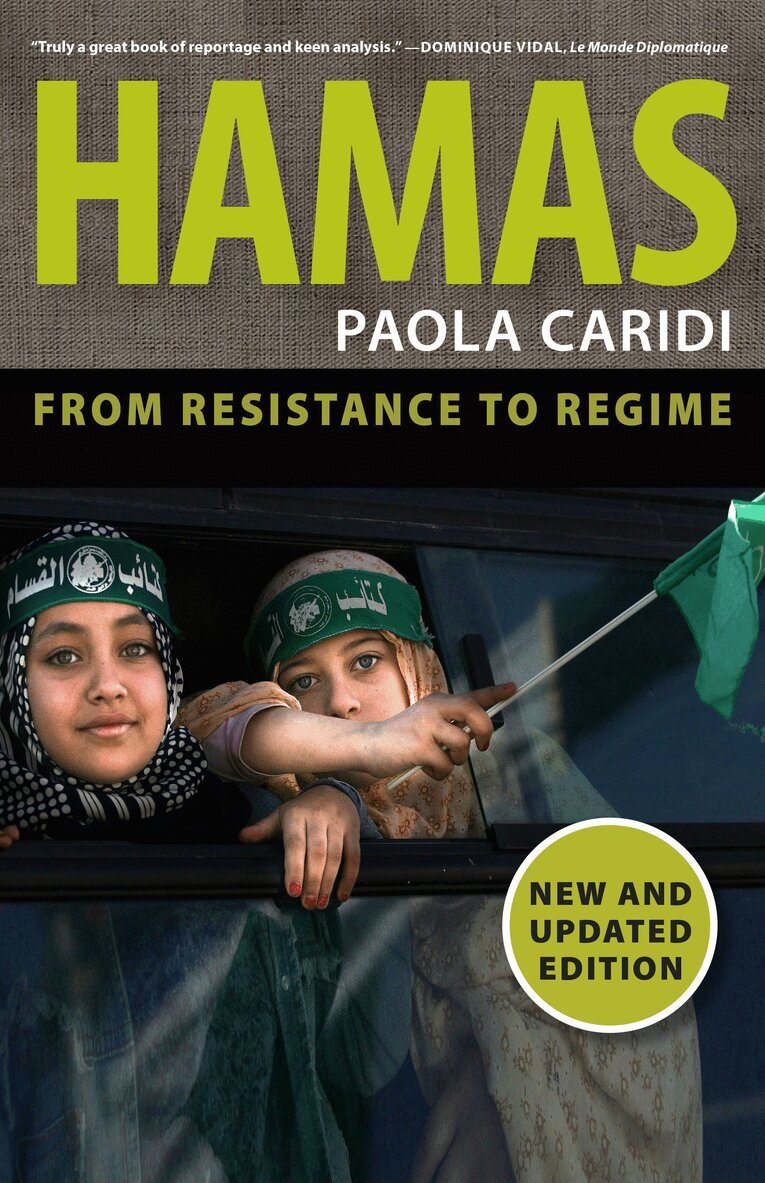
When the radical Islamist group Hamas was elected to lead Palestine in 2006, the Western world was shocked. How had the majority of Palestinians come to support an extremist organization and how would the group’s new political power affect the larger Israel/Palestine conflict?Italian journalist and historian Paola Caridi offers a clear-eyed account of how the conditions in this war-torn region led to the rise of Hamas and an unbiased look at the complex feelings that Palestinians have toward getting behind a government that supports violent resistance. By breaking from the sensationalist journalism surrounding the elections, Caridi is able to tell the story of a movement caught between the desire to resist its oppressor and the need to provide support for a refugee people. Caridi, informed by years of on-the-ground research and interviews with residents of Gaza and leaders of Hamas, covers the history of Gaza from its golden age as a port city to the formal birth and slow militarization of Hamas. This English-language translation brings the reader to present-day Palestine by offering a never-before-seen chapter on Operation Cast Lead, the shocking WikiLeaks disclosures, and the Cairo Revolution.Hamas paints a picture, with intelligence, dexterity, and heart, of a people trapped in the most historic of political battles and reveals the strange complexities behind the controversy by explaining one of the key players in the search for peace and justice that runs through the central crisis of the Middle East today.
Häftad, 2012
224 kr
Skickas inom 5-8 vardagar
Häftad, Engelska, 2023
219 kr
Skickas
Centers the voices of Palestinians in Gaza to better understand Hamas.
E-bok
Engelska, 2023193 kr
Läs direkt efter köp
Häftad, Engelska, 2017
198 kr
Skickas inom 5-8 vardagar
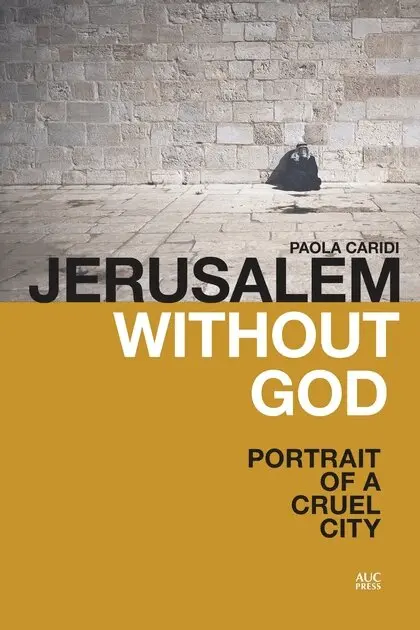
There is no escaping the Jerusalem of the religious imagination. Not once but three times holy, its overwhelming spiritual significance looms large over the city's complex urban landscape and the diurnal rhythms and struggles that make up its earthbound existence. Nonetheless, writes Paola Caridi, in this intimate and hard-hitting portrayal of the city, it is possible to close one's eyes and, "like the blind listening to sounds," discern the conflict and plurality of belonging that mark out the city' secular character. Jerusalem without God leads the reader through the streets, malls, suburbs, traffic jams, and squares of Jerusalem's present moment, into the daily lives of the men and women who inhabit it. Caridi brings contemporary Jerusalem alive by describing it as a place of sights and senses, sounds and smells, but she also shows us a city riven by the harsh asymmetry of power and control embodied in its lines, limits, walls, and borders.She explores a cruel city, where Israeli and Palestinian civilians sometimes spend hours in the same supermarkets, only to return to the confines of their respective districts, invisible to each other; a city memorable for its ancient stones and shimmering sunsets but dotted with Israeli checkpoints, "postmodern drawbridges," that control the movement of people, ideas, and potential attackers. Describing Jerusalem through the lenses of urban planners and politicians, anthropologists and archaeologists, advertisers and scholars, Jerusalem without God reveals a city that is as diverse as it is complex, and ultimately, argues its author, one whose destiny cannot be tied to any single religious faith, tradition, or political ideology.