Patrick R. Hof – författare
Visar alla böcker från författaren Patrick R. Hof. Handla med fri frakt och snabb leverans.
6 produkter
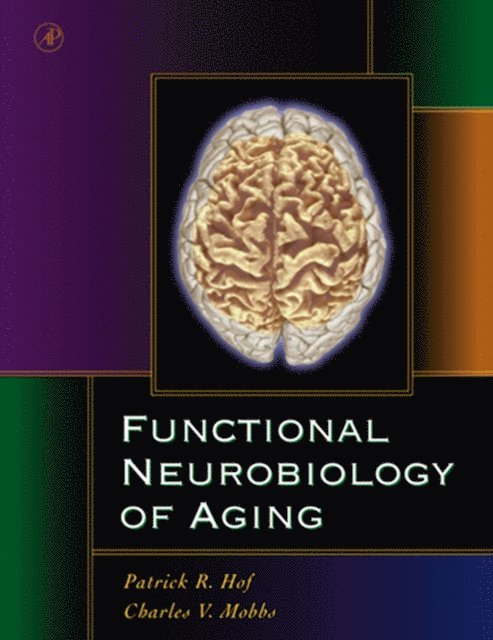
Functional Neurobiology of Aging
Av Charles V. Mobbs, Patrick R. Hof
E-bok, 2001
2937 kr
Lägg i varukorg
Some well-known age-related neurological diseases include Parkinson''s disease, Alzheimer''s disease, deafness, and blindness. Even more common are the problems of aging which are not due to disease but to more subtle impairments in neurobiological systems, including impairments in vision, memory …
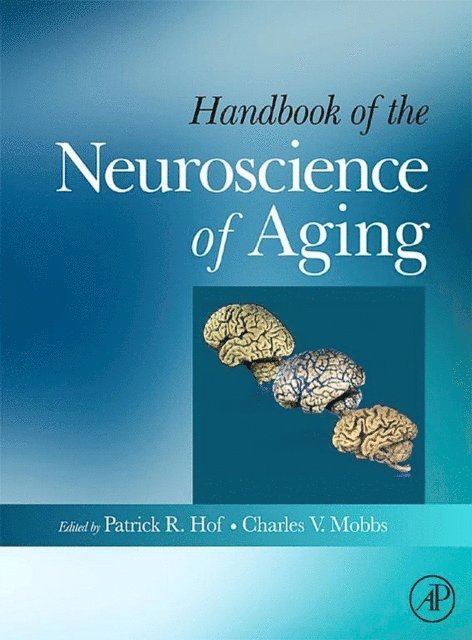
Handbook of the Neuroscience of Aging
Av Charles V. Mobbs, Patrick R. Hof
E-bok, 2010
2014 kr
Lägg i varukorg
A single volume of 85 articles, the Handbook of the Neurobiology of Aging is an authoritative selection of relevant chapters from the Encyclopedia of Neuroscience, the most comprehensive source of neuroscience information assembled to date (AP Oct 2008).The study of neural aging is a central topic …
Functional Neurobiology of Aging
Av Patrick R. Hof, Charles V. Mobbs
Inbunden, 2001
2809 kr
Lägg i varukorg
Some well-known age-related neurological diseases include Parkinson's disease, Alzheimer's disease, deafness, and blindness. Even more common are the problems of aging which are not due to disease but to more subtle impairments in neurobiological systems, including impairments in vision, memory …
Handbook of the Neuroscience of Aging
Av Patrick R. Hof, Charles V. Mobbs
Inbunden, 2009
1924 kr
Lägg i varukorg
A single volume of 85 articles, the Handbook of the Neurobiology of Aging is an authoritative selection of relevant chapters from the Encyclopedia of Neuroscience, the most comprehensive source of neuroscience information assembled to date (AP Oct 2008). The study of neural aging is a central topic …
The Neuroscience of Autism Spectrum Disorders
Av Joseph D. Buxbaum, Patrick R. Hof
Inbunden, 2012
1419 kr
Lägg i varukorg
Autism is no longer considered a rare disease, and the Center for Disease Control now estimates that upwards of 730,000 children in the US struggle with this isolating brain disorder.� New research is leading to greater understanding of and ability to treat the disorder at an earlier age.� It is …
Neuroscience of Autism Spectrum Disorders
Av Patrick R. Hof, Joseph D. Buxbaum
E-bok, 2012
1495 kr
Lägg i varukorg
Autism is no longer considered a rare disease, and the Center for Disease Control now estimates that upwards of 730,000 children in the US struggle with this isolating brain disorder. New research is leading to greater understanding of and ability to treat the disorder at an earlier age. It is …