Paul B. Wice – författare
Visar alla böcker från författaren Paul B. Wice. Handla med fri frakt och snabb leverans.
4 produkter
4 produkter
Inbunden, Engelska, 1995
1 108 kr
Skickas inom 10-15 vardagar
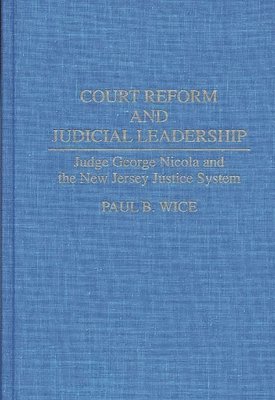
This study examines judicial leadership in court reform, tying biography, political science, social psychology, law, and history into court reform at the local level through the case of a nationally known jurist and reformer—Judge George Nicola of New Jersey. The work provides an important examination, in depth and over time, of true leadership in the courts and of the exceptionally innovative programs developed by Judge Nicola. The author also addresses two fundamental issues which lie at the heart of court reform and judicial leadership: the perplexing question of whether a judicial system so bound by tradition as that of the United States can be changed from within; and whether judicial leadership provides the best and most fruitful opportunity for changing this institution. This volume will be of interest to scholars of political science, American government, the judiciary, and the practice of law.
E-bok
PDF, Engelska, 2005696 kr
Läs direkt efter köp
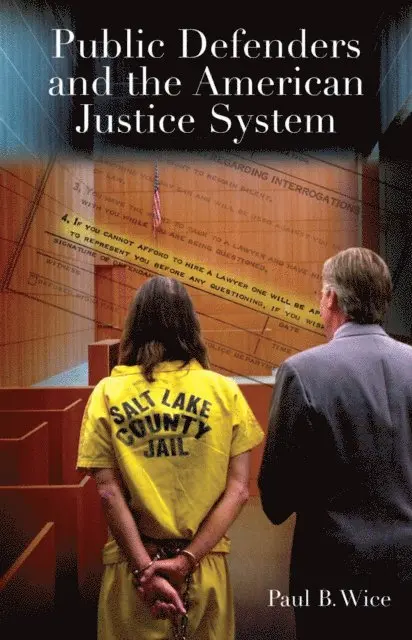
Eighty to ninety percent of the nation's urban criminal defendants are defended in court by public defenders. Thus, understanding how these defender programs operate, their effectiveness and the quality of professional life for these beleaguered and often underpaid attorneys, is a critical factor in improving local criminal justice systems. What is it like to practice law in such an inhospitable environment, where clients often revile their counsel and prosecutors hold defenders in contempt? How does a public defender maintain self-esteem and dignity? What are the particular problems and obstacles of public defender offices? And how might such departments overcome these obstacles so that defendants and defenders, as well as the public, benefit? In vivid prose, and with vignettes and quotes from the lawyers themselves, Wice answers these questions and paints a truer picture of the state of public defenders offices than most of us have from television and the media.Through a colorful profile of a reform-minded public defender's office Newark, N.J., one of the nation's most crime-ridden smaller cities, Wice examines the public defender system and shows how even the smallest reforms, especially those that address quality of life and work for public defenders, can make a big difference. Comparing the smaller defender's office to larger ones in such cities as New York and Chicago, which have not instituted significant reforms, the author illustrates the successes that can be found when change is implemented. Flaws remain, but with improved services and work environments, this important component of the overburdened criminal justice system can function more effectively, creating a system that benefits lawyers, defendants, and the community alike.
Inbunden, Engelska, 2009
1 389 kr
Skickas inom 10-15 vardagar
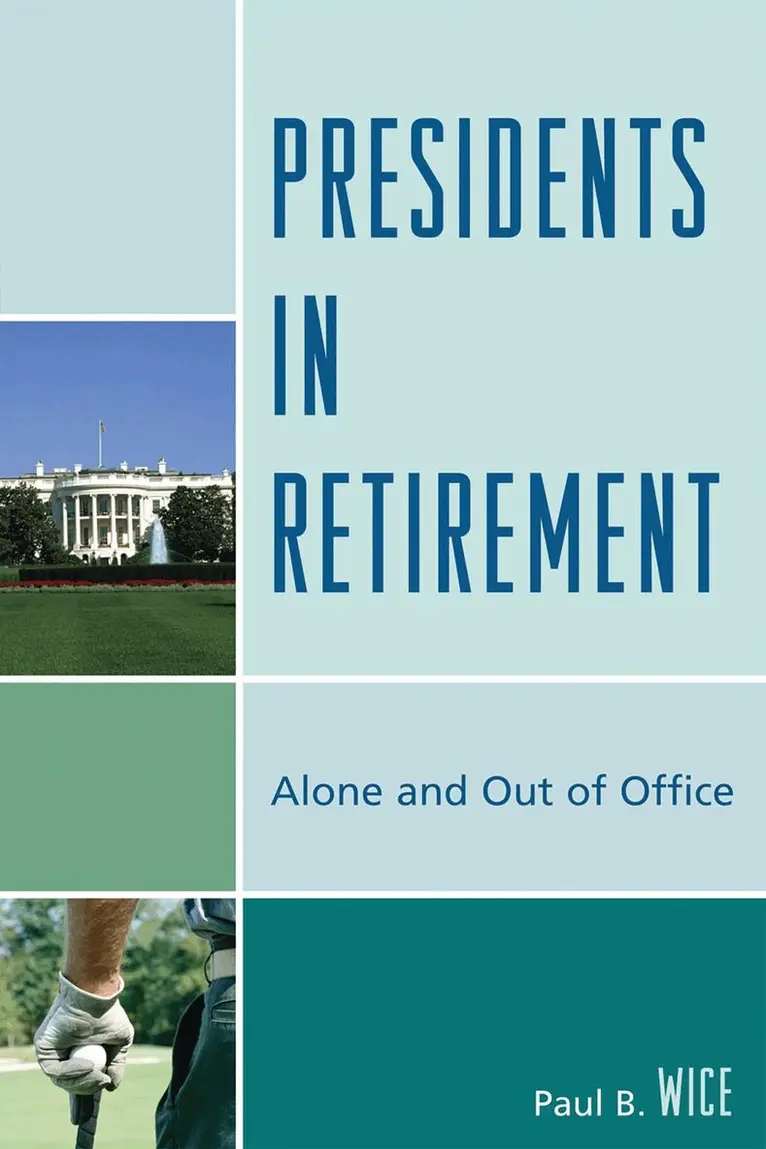
Presidents in Retirement: Alone and Out of the Office describes and analyzes the behavior of those thirty-four former presidents who survived their terms and were faced with deciding how to make the most of their new lives as private citizens. Rather than simply present a chronology of presidential behavior, the book explores the variety of retirement activities with chapters on partisan politics, public service, economic pursuits, leisurely activities, health concerns, and relationships with a successor. The book's emphasis is on the range of social-psychological factors affecting the behavior of ex-presidents once they leave the White House. What did these once powerful men do to fill many empty hours of retirement? Why did they pursue particular avenues of endeavor, and to what degree did these choices provide satisfaction? What discernible patterns of behavior can be identified which can be of predictive value in understanding the retirement behavior of future presidents?This book offers a unique opportunity to examine the personality and beliefs of our presidents in a relatively pristine setting. The reader can observe these former chief executives without having to factor in the influence of advisors and staff. Retirement grants a personal freedom to engage in activities and express oneself without great concern with political repercussions. Additionally, once out of the White House, ex-presidents are no longer trapped by political crises which are likely to circumscribe their behavior. Retirement is therefore a time when a person can express true inner feelings and behave in a manner consistent with these beliefs.Freeing them from the dictates of a difficult job, retirement offers former presidents the freedom and enjoyment to live their final years in comfort and happiness or under stressful conditions caused by economic or health concerns. Although the step down from the presidency may be much greater than the average person's experiences of entering retirement, the relative problems and
Häftad, Engelska, 2009
601 kr
Skickas inom 10-15 vardagar
Presidents in Retirement: Alone and Out of the Office describes and analyzes the behavior of those thirty-four former presidents who survived their terms and were faced with deciding how to make the most of their new lives as private citizens. Rather than simply present a chronology of presidential behavior, the book explores the variety of retirement activities with chapters on partisan politics, public service, economic pursuits, leisurely activities, health concerns, and relationships with a successor. The book's emphasis is on the range of social-psychological factors affecting the behavior of ex-presidents once they leave the White House. What did these once powerful men do to fill many empty hours of retirement? Why did they pursue particular avenues of endeavor, and to what degree did these choices provide satisfaction? What discernible patterns of behavior can be identified which can be of predictive value in understanding the retirement behavior of future presidents?This book offers a unique opportunity to examine the personality and beliefs of our presidents in a relatively pristine setting. The reader can observe these former chief executives without having to factor in the influence of advisors and staff. Retirement grants a personal freedom to engage in activities and express oneself without great concern with political repercussions. Additionally, once out of the White House, ex-presidents are no longer trapped by political crises which are likely to circumscribe their behavior. Retirement is therefore a time when a person can express true inner feelings and behave in a manner consistent with these beliefs.Freeing them from the dictates of a difficult job, retirement offers former presidents the freedom and enjoyment to live their final years in comfort and happiness or under stressful conditions caused by economic or health concerns. Although the step down from the presidency may be much greater than the average person's experiences of entering retirement, the relative problems and