Peter Hitchens – författare
Visar alla böcker från författaren Peter Hitchens. Handla med fri frakt och snabb leverans.
21 produkter
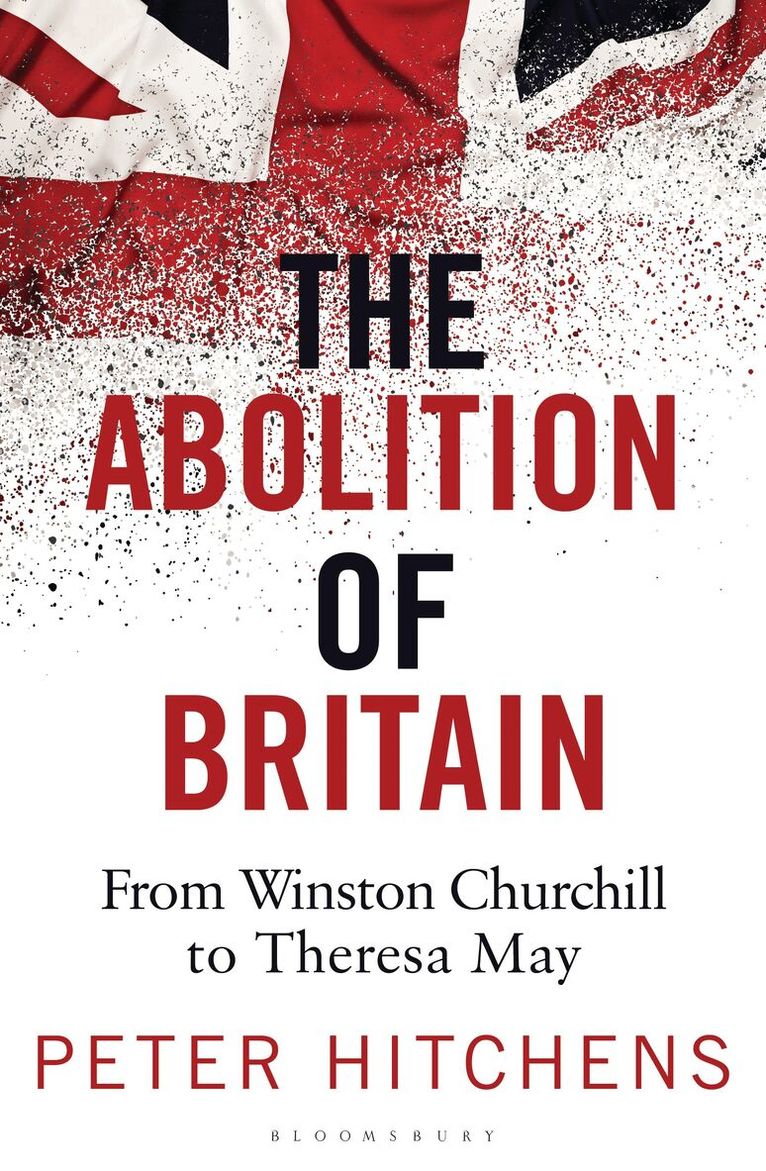
Abolition of Britain
From Winston Churchill to Theresa May
Häftad, 2018
201 kr
Lägg i varukorg
How do you tell that a country has died? In this devastating, pessimistic, though critically-timed revised edition of his classic book, Peter Hitchens describes and regrets the abolition of Britain. In the years since Peter Hitchens first wrote The Abolition of Britain, he argues, there has been an …
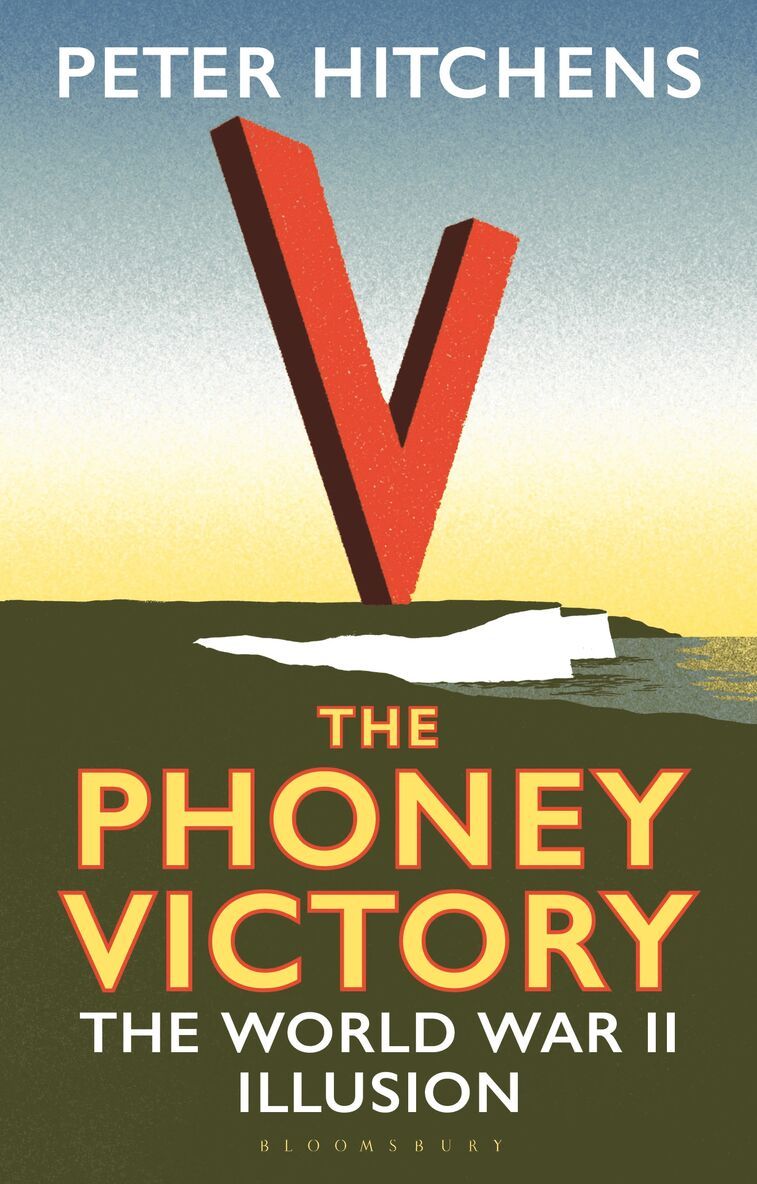
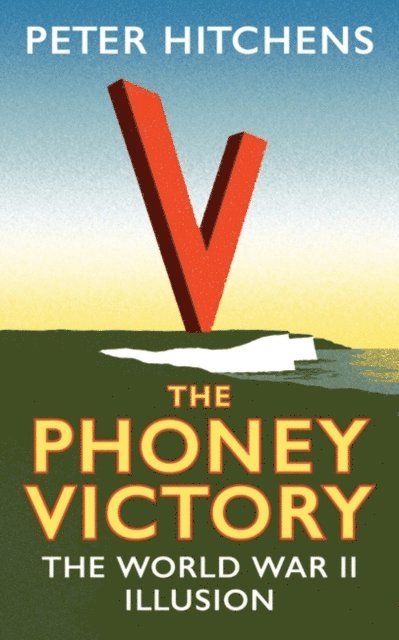
Phoney Victory
The World War II Illusion
Häftad, 2020
266 kr
Lägg i varukorg
Was World War II really the `Good War'? In the years since the declaration of peace in 1945 many myths have sprung up around the conflict in the victorious nations. In this book, Peter Hitchens deconstructs the many fables which have become associated with the narrative of the `Good War'. Whilst …
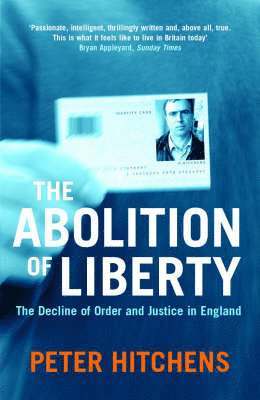
Abolition Of Liberty
Häftad, 2004
162 kr
Lägg i varukorg
'It's fair to say that Peter Hitchens remains one of the most misrepresented figures in the British media... Hitchens is in reality one of the most thought-provoking and intelligent commentators on life in contemporary Britain' -- Neil Clark, Spectator From identification cards to how we protect …
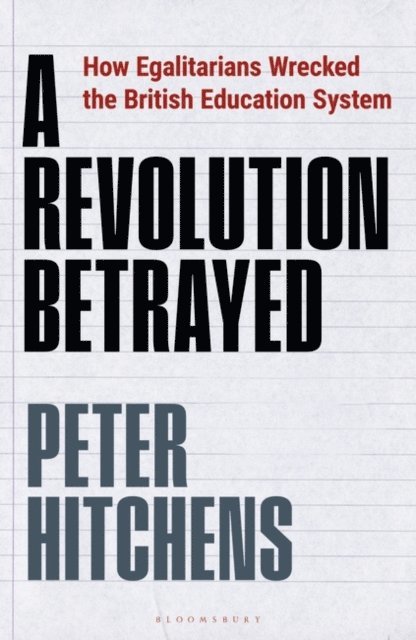
Revolution Betrayed
How Egalitarians Wrecked the British Education System
E-bok, 2022
155 kr
Lägg i varukorg
There are few subjects these days that cause parents more stress than the education of their children. In his new book, Peter Hitchens describes the misjudgements made by politicians over the years that have led to the increase of class distinction and privilege in our education system. This is of …
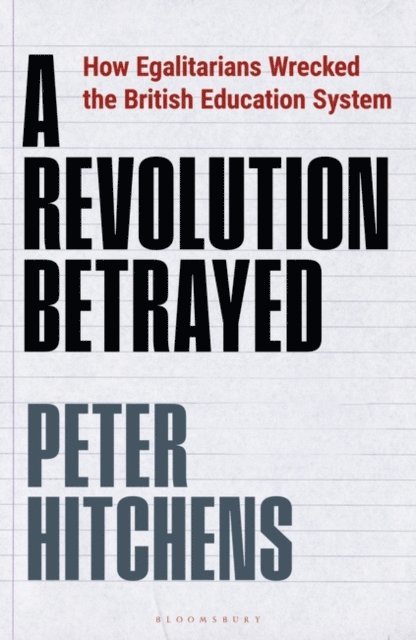
Revolution Betrayed
How Egalitarians Wrecked the British Education System
E-bok, 2022
155 kr
Lägg i varukorg
There are few subjects these days that cause parents more stress than the education of their children. In his new book, Peter Hitchens describes the misjudgements made by politicians over the years that have led to the increase of class distinction and privilege in our education system. This is of …
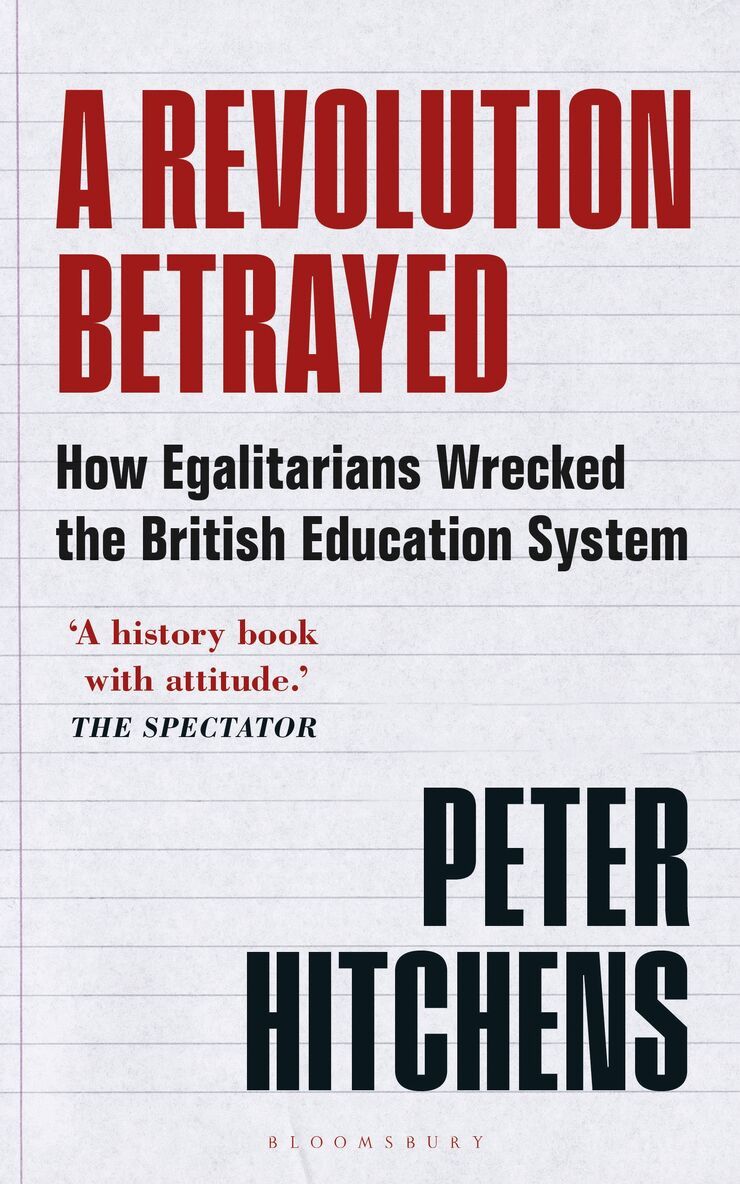
Revolution Betrayed
How Egalitarians Wrecked the British Education System
Häftad, 2023
145 kr
Lägg i varukorg
There are few subjects these days that cause parents more stress than the education of their children.In his new book, Peter Hitchens describes the misjudgements made by politicians over the years that have led to the increase of class distinction and privilege in our education system. This is of …
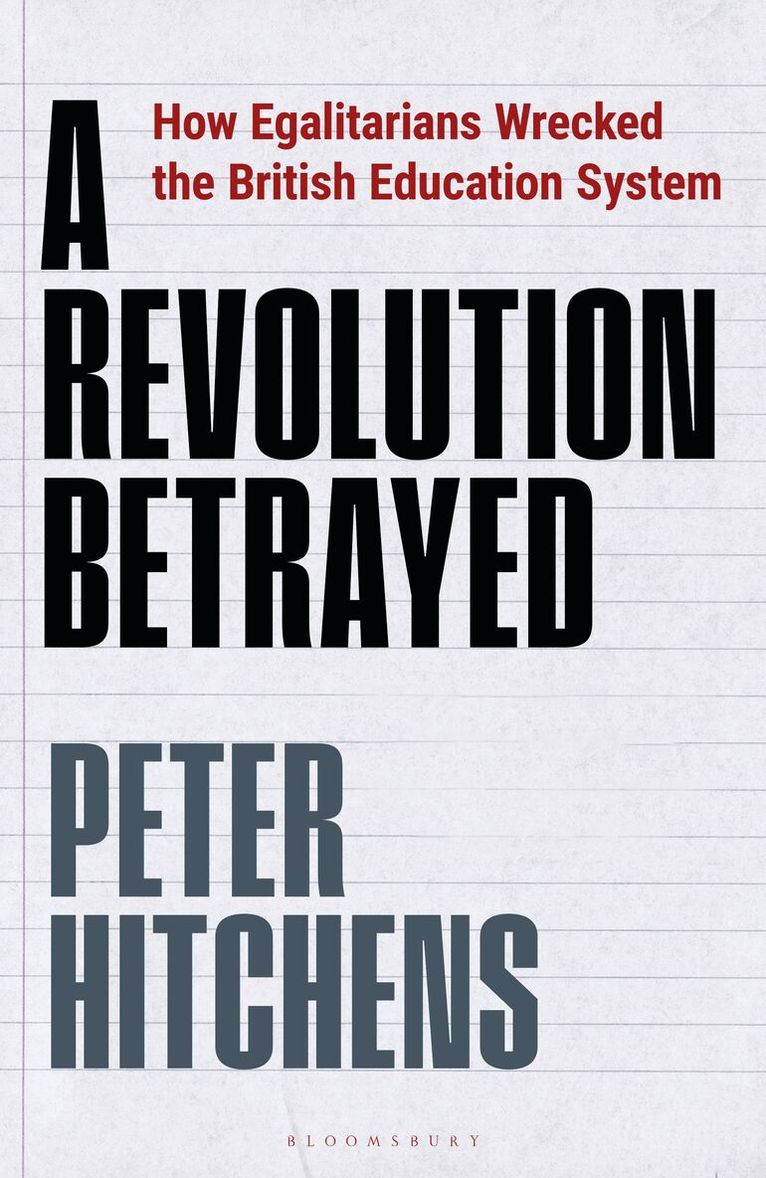
Revolution Betrayed
How Egalitarians Wrecked the British Education System
Inbunden, 2022
245 kr
Lägg i varukorg
There are few subjects these days that cause parents more stress than the education of their children.In his new book, Peter Hitchens describes the misjudgements made by politicians over the years that have led to the increase of class distinction and privilege in our education system. This is of …
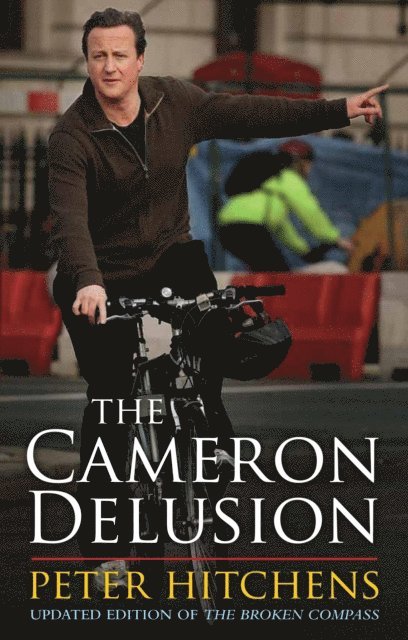
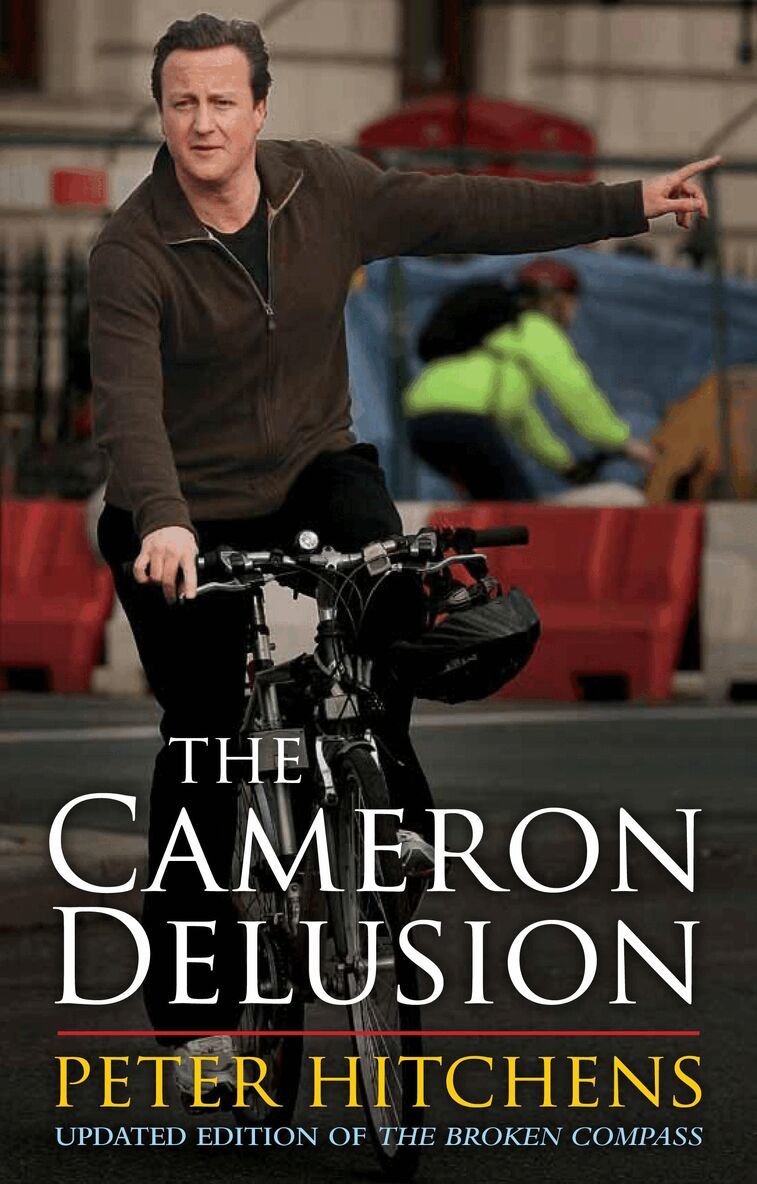
Cameron Delusion
E-bok, 2010
234 kr
Lägg i varukorg
The struggle between the main political parties has been reduced to an unpopularity contest, in which voters hold their noses and sigh as they trudge to the polls. Peter Hitchens explains how and why British politics has sunk to this dreary level - the takeover of the parties and the media by …
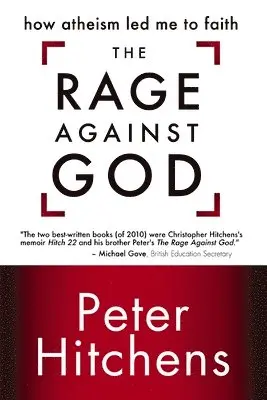
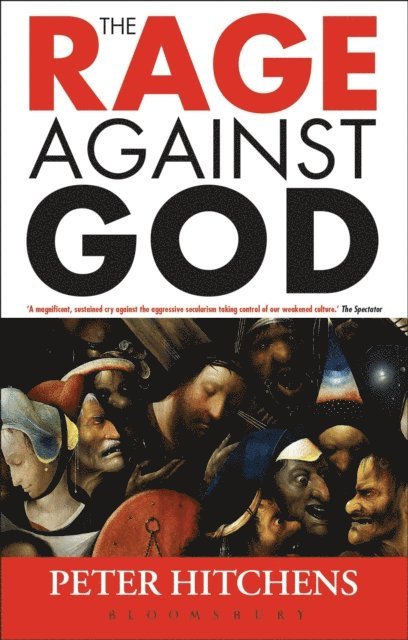
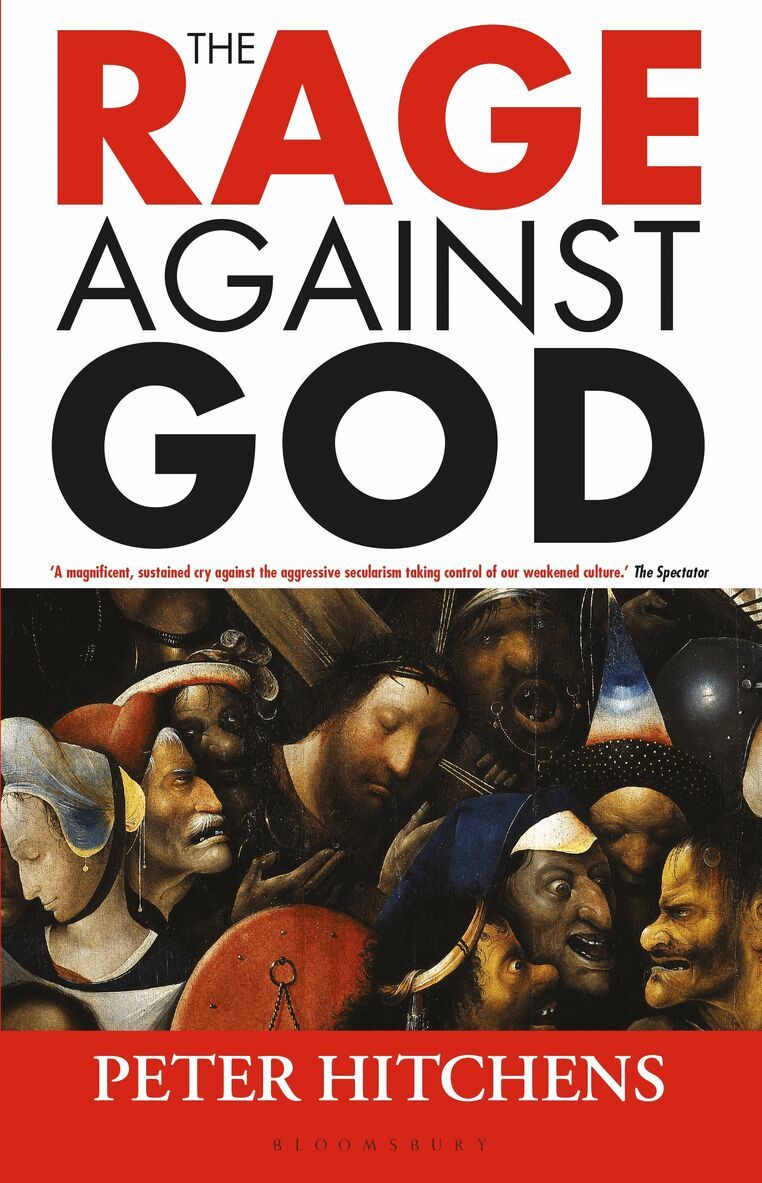
Rage Against God
E-bok, 2011
248 kr
Lägg i varukorg
Peter Hitchens lost faith as a teenager. But eventually finding atheism barren, he came by a logical process to his current affiliation to an unmodernised belief in Christianity. Hitchens describes his return from the far political left. Familiar with British left-wing politics, it was travelling …
Cameron Delusion
E-bok, 2010
234 kr
Lägg i varukorg
The struggle between the main political parties has been reduced to an unpopularity contest, in which voters hold their noses and sigh as they trudge to the polls. Peter Hitchens explains how and why British politics has sunk to this dreary level - the takeover of the parties and the media by …
Rage Against God
E-bok, 2011
234 kr
Lägg i varukorg
Peter Hitchens lost faith as a teenager. But eventually finding atheism barren, he came by a logical process to his current affiliation to an unmodernised belief in Christianity. Hitchens describes his return from the far political left. Familiar with British left-wing politics, it was travelling …
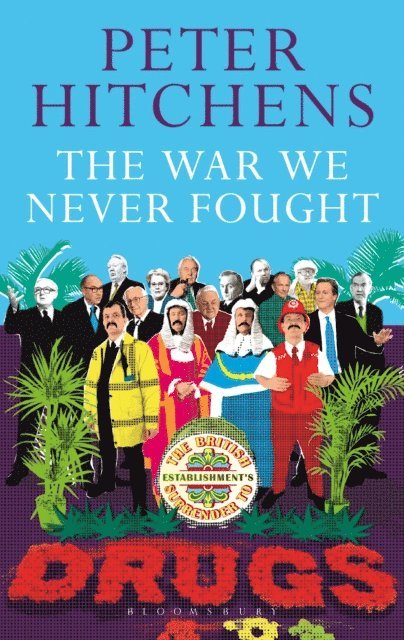
War We Never Fought
The British Establishment's Surrender to Drugs
E-bok, 2012
196 kr
Lägg i varukorg
Again and again British politicians, commentators and celebrities intone that 'The War on Drugs has failed'. They then say that this is an argument for abandoning all attempts to reduce drug use through the criminal law. Peter Hitchens shows that in Britain there has been no serious 'war on drugs' …
Abolition of Britain
E-bok, 2016
204 kr
Lägg i varukorg
''This is a cri de coeur from an honest, intelligent and patriotic Englishman desperately worried about the corruption of this country and the likely effects of its lurch into the clutches of a European.'' - The Spectator Hitchens identifies everything that he feels has gone wrong with Britain …
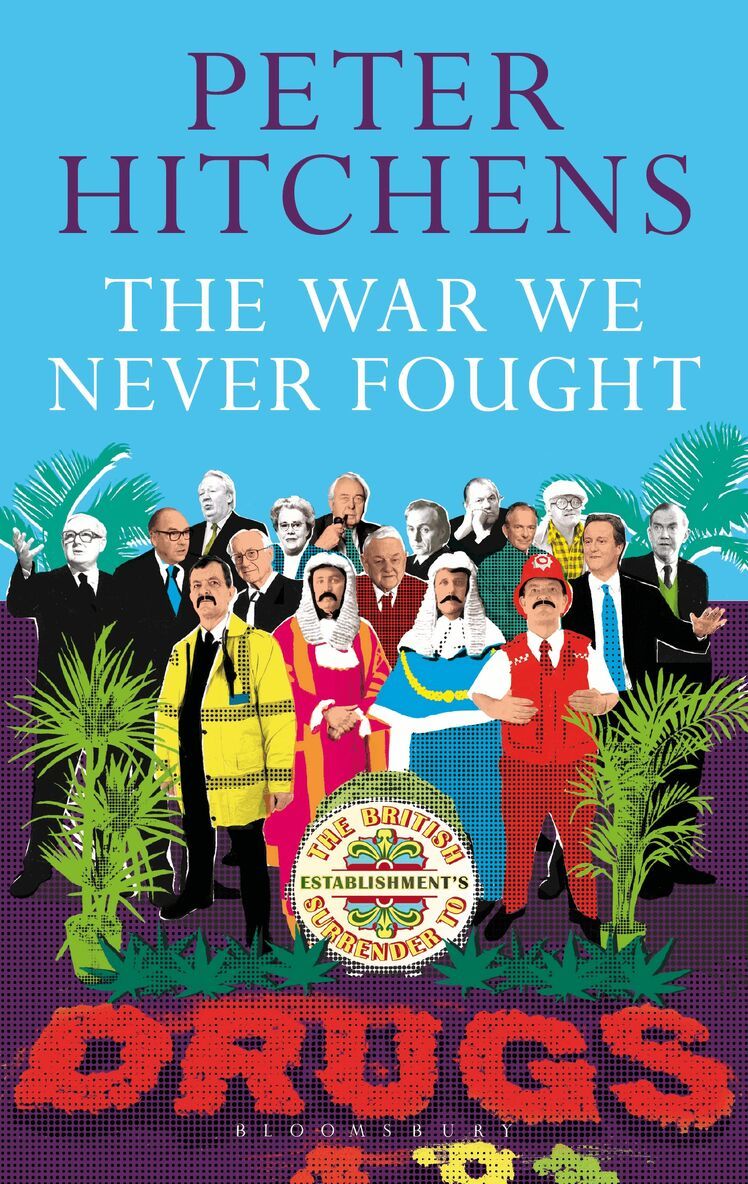
War We Never Fought
The British Establishment's Surrender to Drugs
Häftad, 2016
192 kr
Lägg i varukorg
Again and again British politicians, commentators and celebrities intone that 'The War on Drugs has failed'. They then say that this is an argument for abandoning all attempts to reduce drug use through the criminal law.Peter Hitchens shows that in Britain there has been no serious 'war on drugs' …
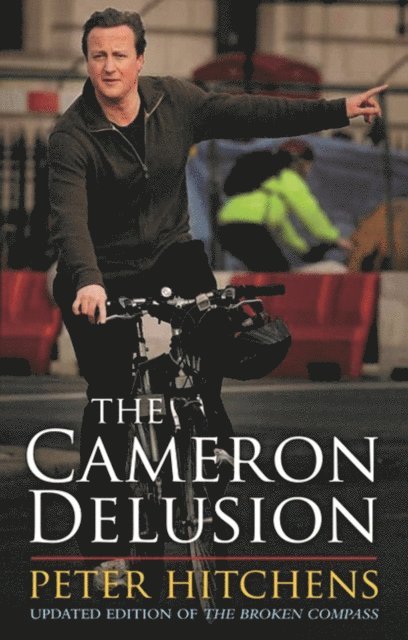
Cameron Delusion
Häftad, 2018
262 kr
Lägg i varukorg
The struggle between the main political parties has been reduced to an unpopularity contest, in which voters hold their noses and sigh as they trudge to the polls. Peter Hitchens explains how and why British politics has sunk to this dreary level - the takeover of the parties and the media by …
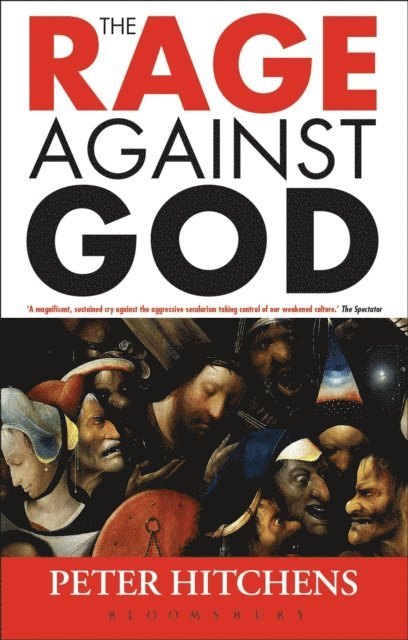
Rage Against God
Häftad, 2019
217 kr
Lägg i varukorg
Peter Hitchens lost faith as a teenager. But eventually finding atheism barren, he came by a logical process to his current affiliation to an unmodernised belief in Christianity. Hitchens describes his return from the far political left. Familiar with British left-wing politics, it was travelling …
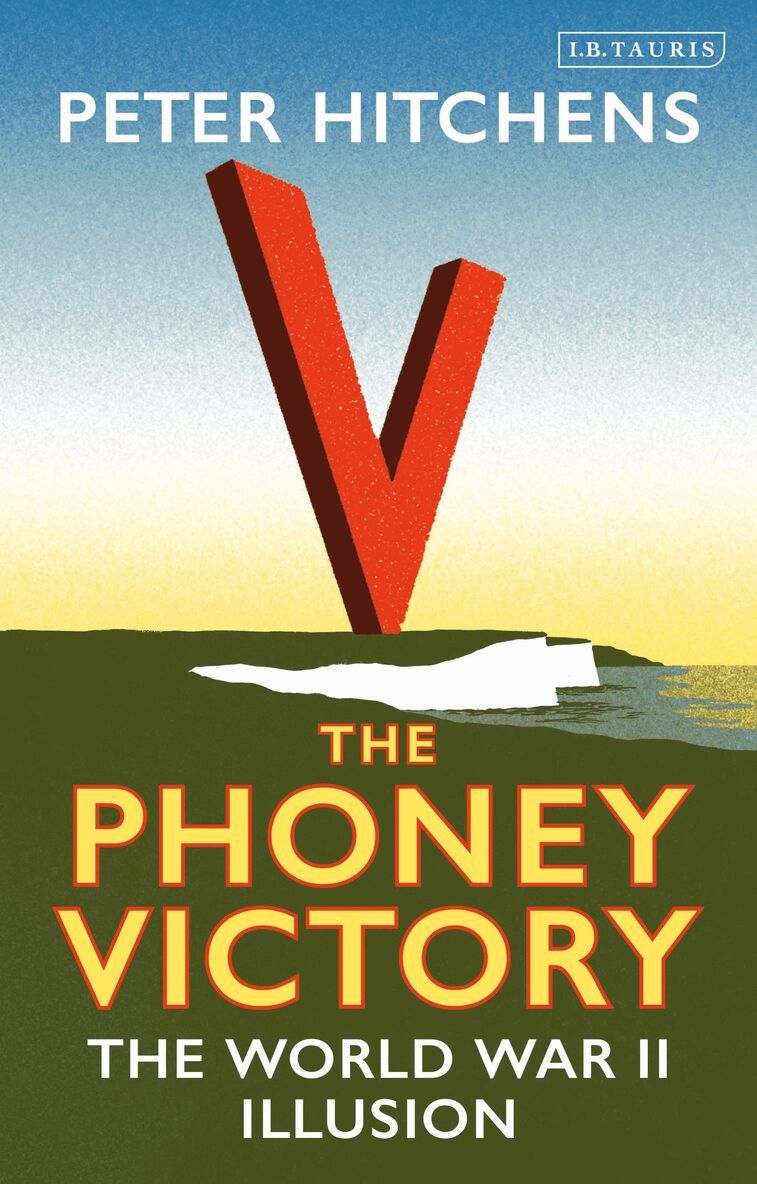
Phoney Victory
The World War II Illusion
E-bok, 2018
241 kr
Lägg i varukorg
Was World War II really the `Good War'? In the years since the declaration of peace in 1945 many myths have sprung up around the conflict in the victorious nations. In this book, Peter Hitchens deconstructs the many fables which have become associated with the narrative of the `Good War'. Whilst …
Phoney Victory
The World War II Illusion
E-bok, 2018
241 kr
Lägg i varukorg
Was World War II really the `Good War'? In the years since the declaration of peace in 1945 many myths have sprung up around the conflict in the victorious nations. In this book, Peter Hitchens deconstructs the many fables which have become associated with the narrative of the `Good War'. Whilst …
Phoney Victory
The World War II Illusion
Inbunden, 2018
589 kr
Lägg i varukorg
Was World War II really the `Good War'? In the years since the declaration of peace in 1945 many myths have sprung up around the conflict in the victorious nations. In this book, Peter Hitchens deconstructs the many fables which have become associated with the narrative of the `Good War'. Whilst …