Randall P. Bezanson – författare
Visar alla böcker från författaren Randall P. Bezanson. Handla med fri frakt och snabb leverans.
11 produkter
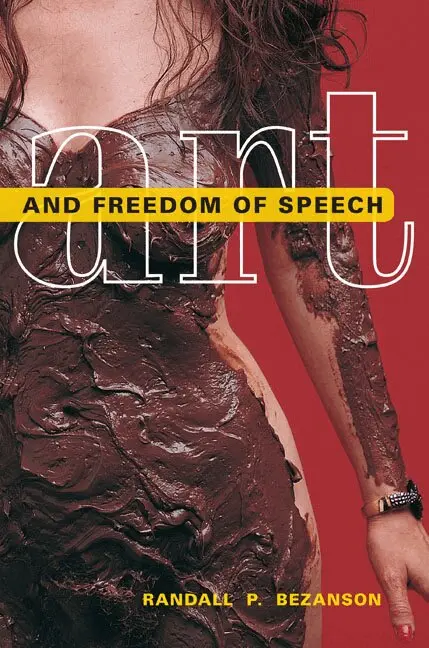
Art and Freedom of Speech
Inbunden, 2009
444 kr
Lägg i varukorg
This book analyzes the broad range of Supreme Court cases that concern the protection of art and free speech under the First Amendment. Finding that debates about free expression (whether in speech or art) swirl around sex and cultural blasphemy, Randall P. Bezanson tracks and interprets the …
How Free Can the Press Be?
Häftad, 2007
328 kr
Lägg i varukorg
Randall P. Bezanson explores the contradictions embedded in understanding press freedom in America by discussing nine of the most pivotal and provocative First Amendment cases in US judicial history. Each case resulted in a ruling that refined or reshaped judicial definition of the limits of press …
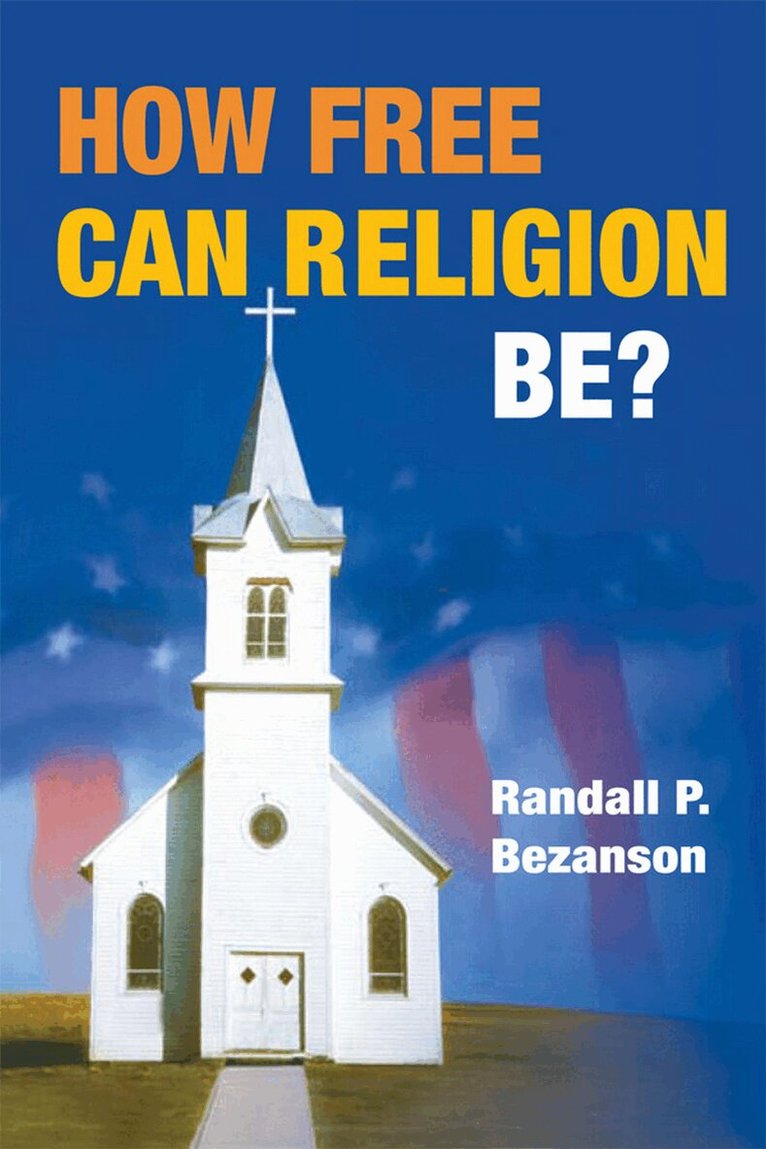
How Free Can Religion Be?
Häftad, 2010
312 kr
Lägg i varukorg
In tracking the evolution of the First Amendment's Free Exercise and Establishment Clause doctrine through Key Supreme Court decisions on religious freedom, legal scholar Randall P. Bezanson focuses on the court's shift from strict separation of church and state to a position where the government …
Too Much Free Speech?
Häftad, 2015
287 kr
Lägg i varukorg
Randall P. Bezanson takes up an essential and timely inquiry into the Constitutional limits of the Supreme Court's power to create, interpret, and enforce one of the essential rights of American citizens. Analyzing contemporary Supreme Court decisions from the past fifteen years, Bezanson argues …
How Free Can Religion Be?
E-bok, 2010
568 kr
Lägg i varukorg
In tracking the evolution of the First Amendment''s Free Exercise and Establishment Clause doctrine through Key Supreme Court decisions on religious freedom, legal scholar Randall P. Bezanson focuses on the court''s shift from strict separation of church and state to a position where the government …
How Free Can the Press Be?
E-bok, 2010
568 kr
Lägg i varukorg
Randall P. Bezanson explores the contradictions embedded in understanding press freedom in America by discussing nine of the most pivotal and provocative First Amendment cases in US judicial history. Each case resulted in a ruling that refined or reshaped judicial definition of the limits of press …
Too Much Free Speech?
E-bok, 2012
522 kr
Lägg i varukorg
Randall P. Bezanson takes up an essential and timely inquiry into the Constitutional limits of the Supreme Court''s power to create, interpret, and enforce one of the essential rights of American citizens. Analyzing contemporary Supreme Court decisions from the past fifteen years, Bezanson argues …
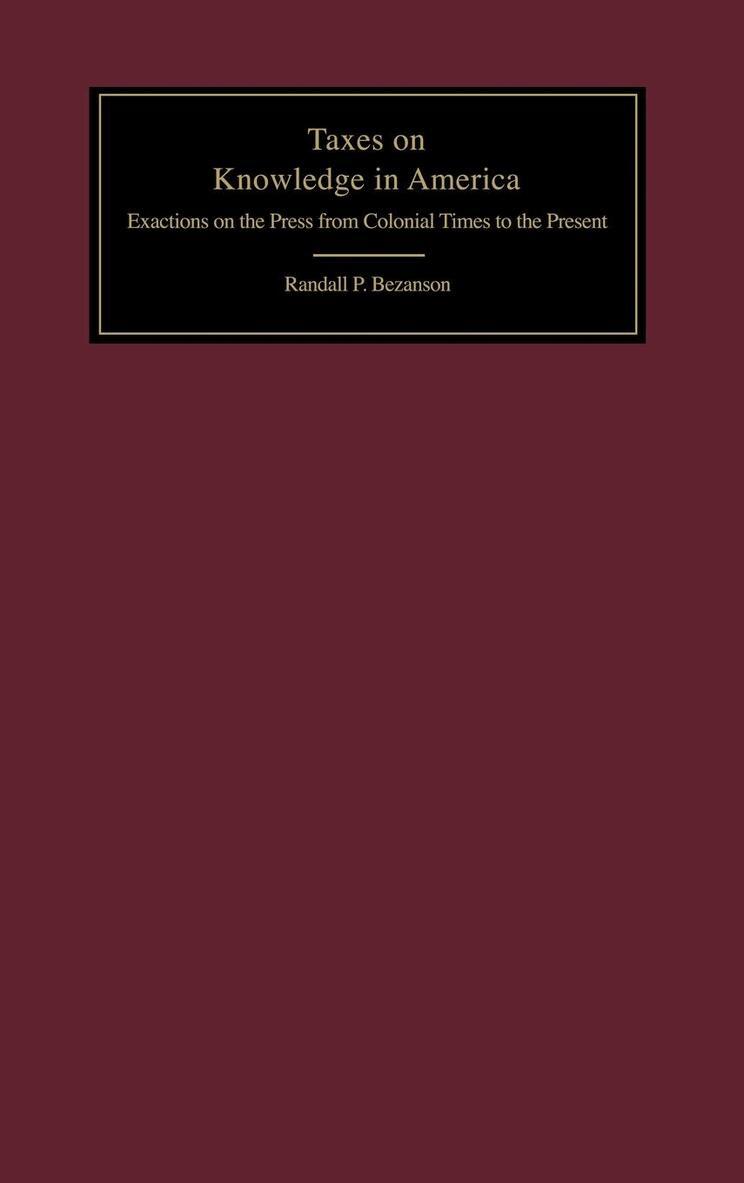
Taxes on Knowledge in America
Exactions on the Press from Colonial Times to the Present
Inbunden, 1994
890 kr
Lägg i varukorg
In Taxes on Knowledge in America, Randall P. Bezanson explores the extent to which the publication and distribution of current public information is effected by economic exactions. The book begins with a brief overview of the English history and experience with knowledge taxes, before turning to a …
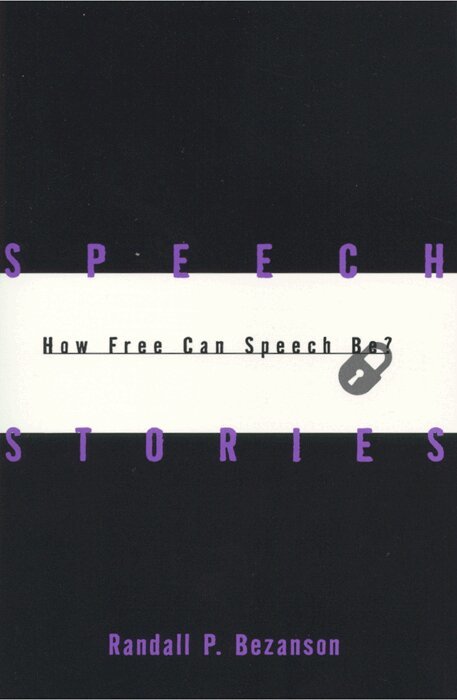
Speech Stories
How Free Can Speech Be?
Inbunden, 1998
1124 kr
Lägg i varukorg
When we talk about what "freedom of speech" means in America, the discussion almost always centers on freedom rather than speech. Taking for granted that speech is an unambiguous and stable category, we move to considering how much freedom speech should enjoy. But, as Randall Bezanson demonstrates …
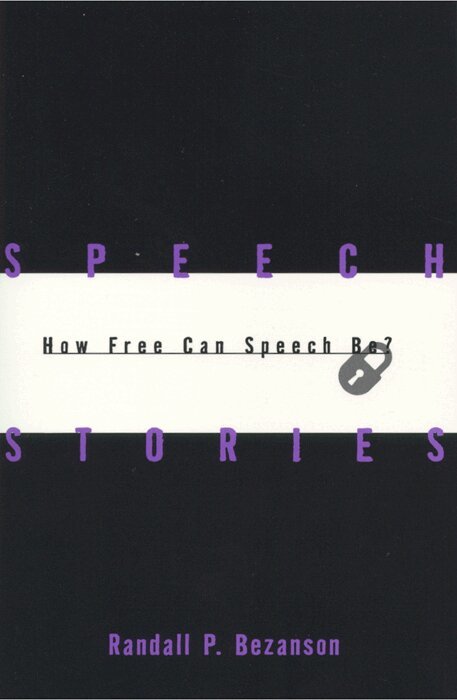
Speech Stories
How Free Can Speech Be?
Häftad, 1998
357 kr
Lägg i varukorg
When we talk about what "freedom of speech" means in America, the discussion almost always centers on freedom rather than speech. Taking for granted that speech is an unambiguous and stable category, we move to considering how much freedom speech should enjoy. But, as Randall Bezanson demonstrates …
Taxes on Knowledge in America
Exactions on the Press from Colonial Times to the Present
E-bok, 2015
1065 kr
Lägg i varukorg
In Taxes on Knowledge in America , Randall P. Bezanson explores the extent to which the publication and distribution of current public information is effected by economic exactions. The book begins with a brief overview of the English history and experience with knowledge taxes, before turning to a …