Ray Westlake – författare
Visar alla böcker från författaren Ray Westlake. Handla med fri frakt och snabb leverans.
35 produkter
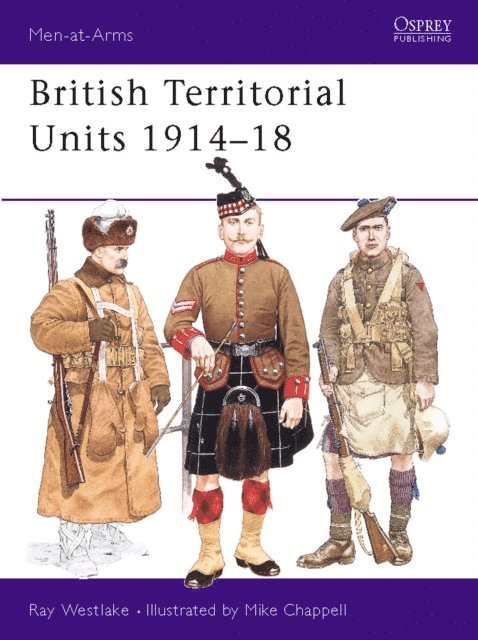
British Territorial Units 1914–18
Av Ray Westlake
E-bok, 2013
180 kr
Lägg i varukorg
In his Army Reforms of 1906/07, the Secretary of State for War, Richard Burdon Haldane, provided for an expeditionary force: the Regular Army supplemented by the old Militia and a new organisation intended for home defence, the Territorial Force. This new ''Citizen''s Army'' was formed by the …
British Territorial Units 1914–18
Av Ray Westlake
E-bok, 2013
180 kr
Lägg i varukorg
In his Army Reforms of 1906/07, the Secretary of State for War, Richard Burdon Haldane, provided for an expeditionary force: the Regular Army supplemented by the old Militia and a new organisation intended for home defence, the Territorial Force. This new ''Citizen''s Army'' was formed by the …
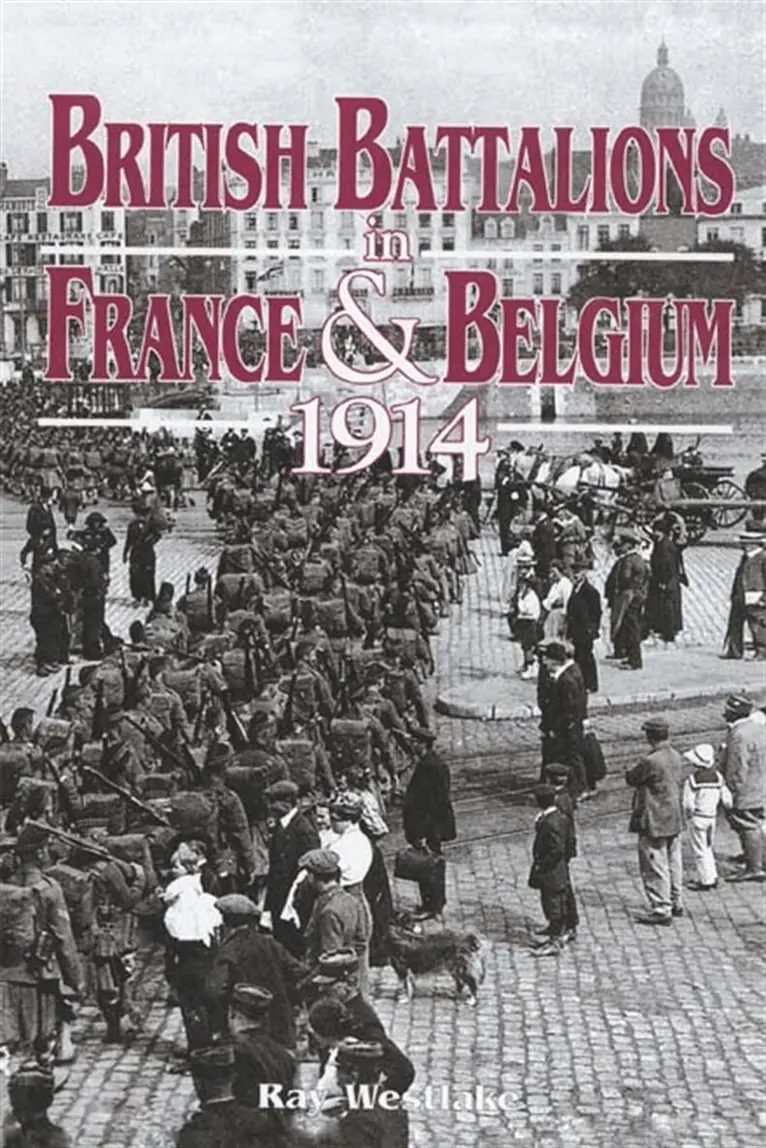
British Battalions in France & Belgium
Av Ray Westlake
E-bok, 2021
126 kr
Lägg i varukorg
The author has painstakingly compiled a comprehensive compendium of the exact movements of every regiment involved on the various battlefields in France and Flanders during World War One.
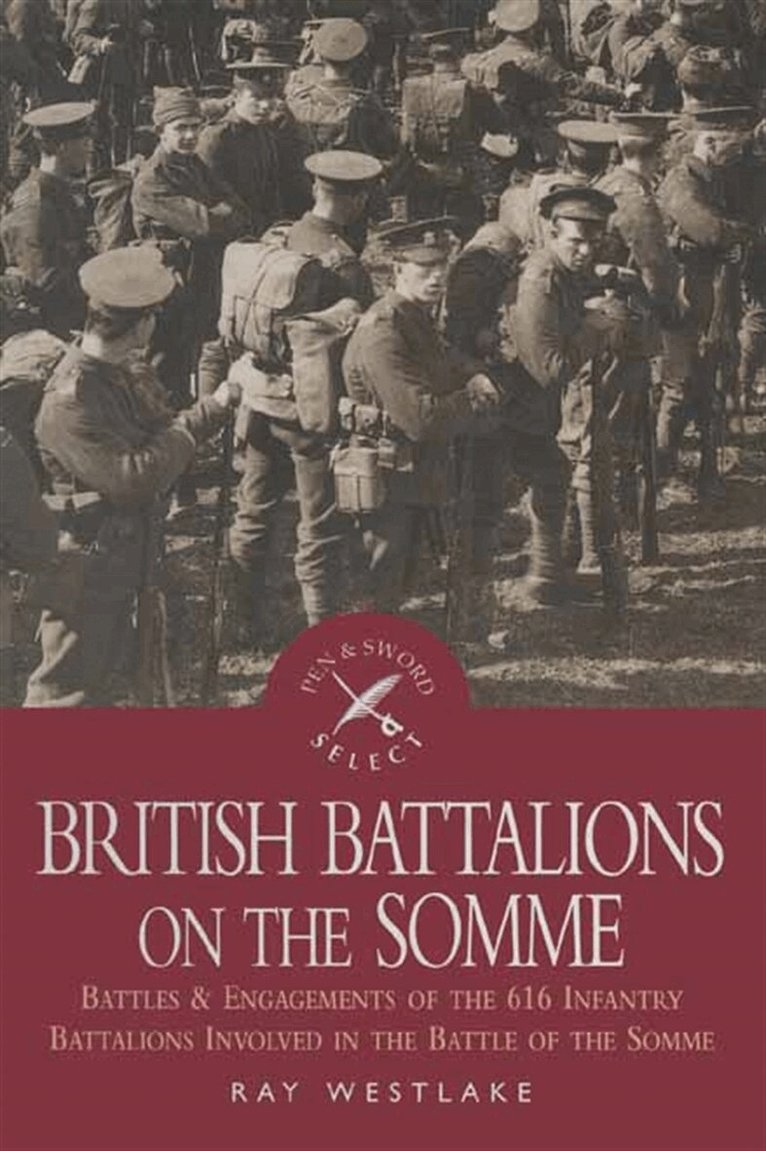
British Battalions on the Somme
Battles & Engagements of the 616 Infantry Battalions Involved in the Battle of the Somme
Av Ray Westlake
E-bok, 2021
126 kr
Lägg i varukorg
This book tells the story of the actions made by the 616 battalions that were involved in the attack on the somme.
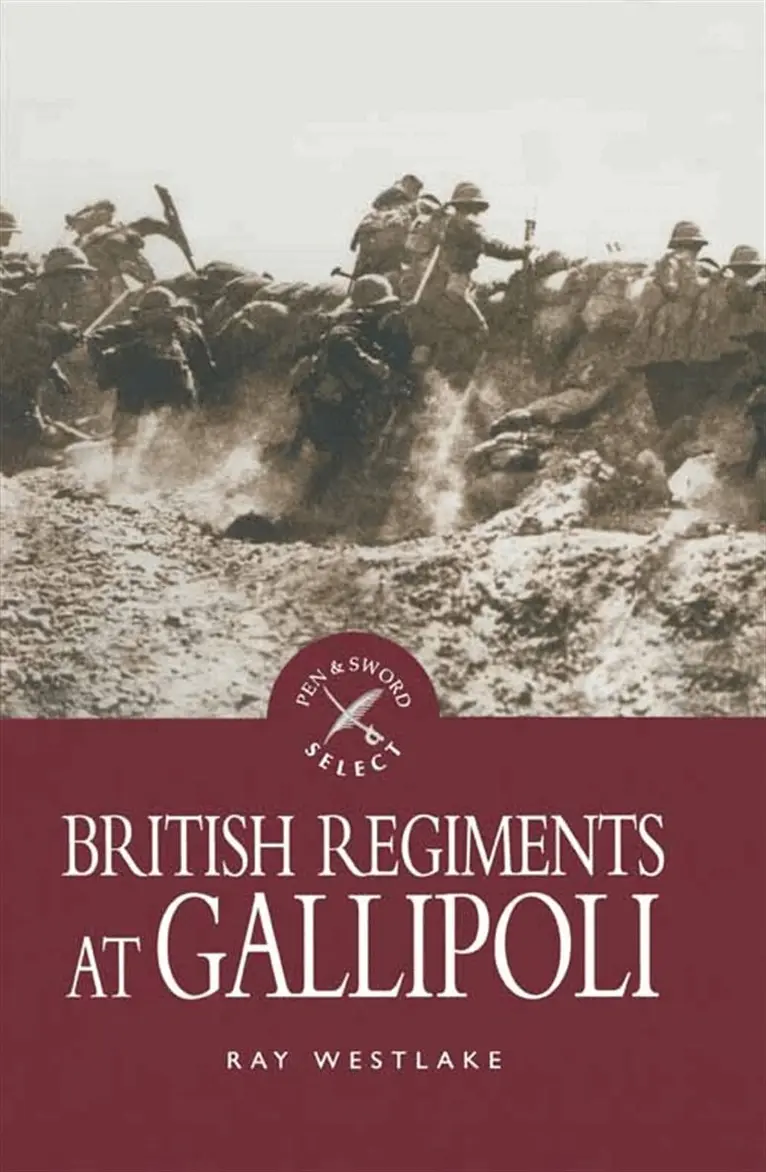
British Regiments at Gallipoli
Av Ray Westlake
E-bok, 2021
126 kr
Lägg i varukorg
Following the success of British Battalions on the Somme, the author has produced a source book of the same quality on the Gallipoli Campaign. It has come about as a result of many years of enquiries from researchers and family historians.
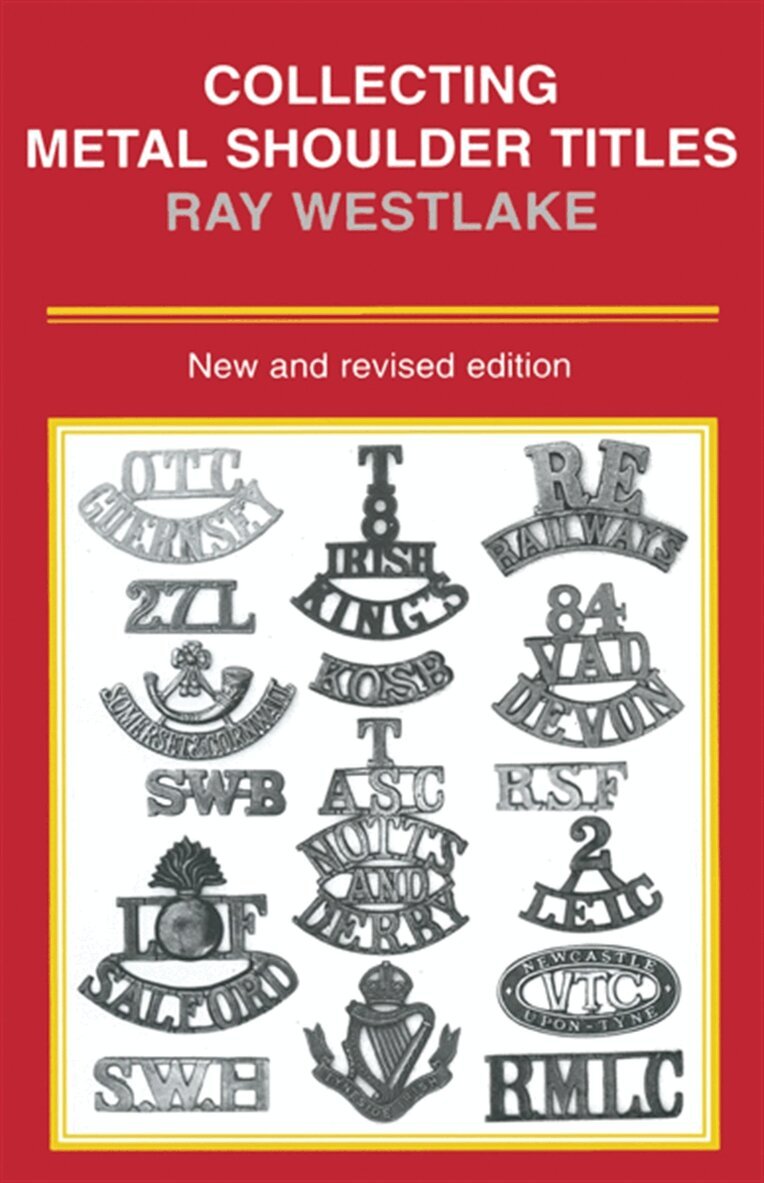
Collecting Metal Shoulder Titles
Av Ray Westlake
E-bok, 2021
126 kr
Lägg i varukorg
Newly revised and updated, Collecting Metal Shoulder Titles records the titles worn throughout the British Army by units of the Regular, Militia, Yeomanry, Volunteer, Territorial and Cadet forces. Details of some two thousand patterns are set out in the text and illustrated by photographs from the …
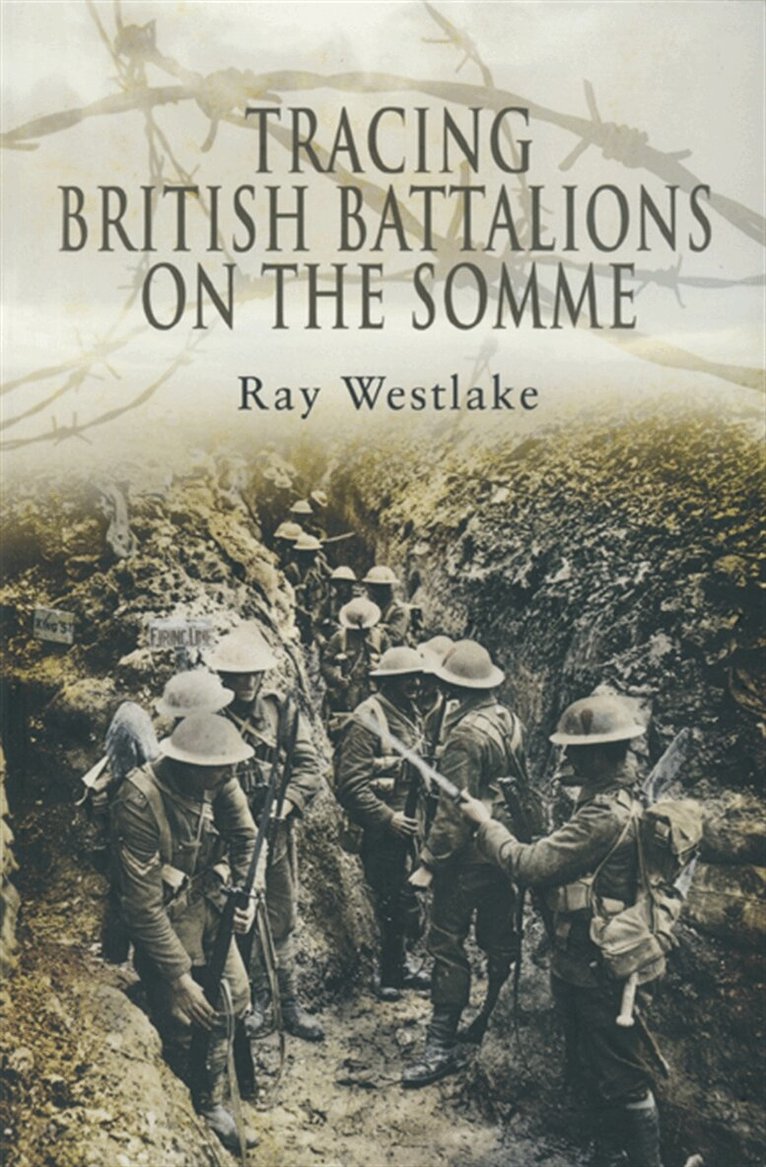
Tracing British Battalions on the Somme
Av Ray Westlake
E-bok, 2021
126 kr
Lägg i varukorg
Although seventy-eight years have passed since the Battle of the Somme was fought, interest in this, the bloodiest battle of the First World War, has never waned. Ray Westlake has collated all the information so painstakingly gathered, to produce a comprehensive compendium of the exact movements of …
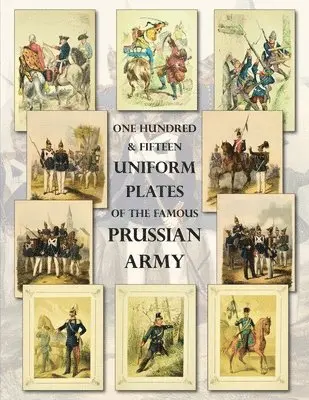
One Hundred & Fifteen Uniform Plates of The Famous Prussian Army - OMNIBUS EDITION
Under Frederick the Great, Frederick William IV & Prince Regent Wilhelm
Av Ray Westlake
Häftad, 2023
653 kr
Lägg i varukorg
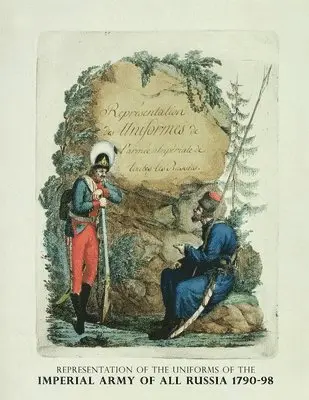
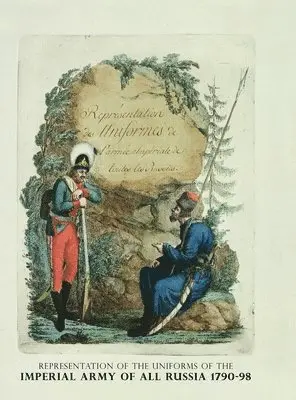
Representation of the Uniforms of the Imperial Army of All Russia 1790-98
Representation des Uniforms de L'armee Imperiale de toutes les Russies
Av Ray Westlake
Häftad, 2023
317 kr
Lägg i varukorg
Representation of the Uniforms of the Imperial Army of All Russia 1790-98
Representation des Uniforms de L'armee Imperiale de toutes les Russies
Av Ray Westlake
Inbunden, 2023
475 kr
Lägg i varukorg
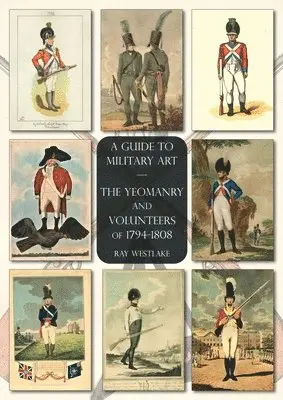
Yeomanry and Volunteers of 1794-1808
A Guide to Military Art
Av Ray Westlake
Häftad, 2023
435 kr
Lägg i varukorg
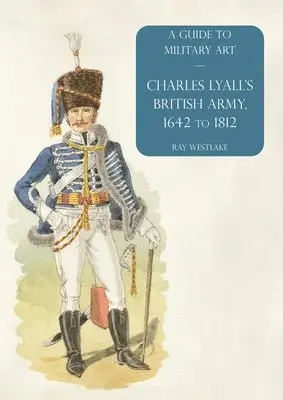
Charles Lyall's British Army, 1642 to 1812
A Guide to Military Art
Av Ray Westlake
Häftad, 2023
435 kr
Lägg i varukorg
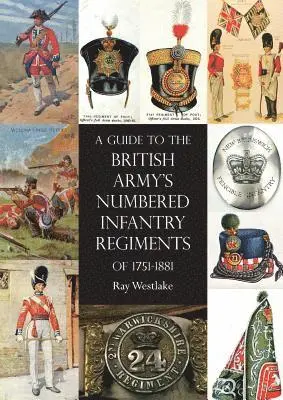
Guide to the British Army's Numbered Infantry Regiments of 1751-1881
Av Ray Westlake
Häftad, 2018
485 kr
Lägg i varukorg
The book provides the formation date of each regiment, names of colonels prior to 1751, changes of title, battle honours awarded before 1881 and brief descriptions of uniform and badges worn. Helpful to the collector will be the badge authorisation dates included. With a view to further research, …
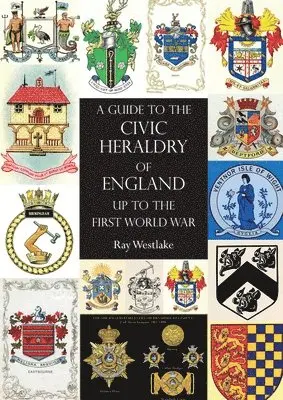
GUIDE TO THE CIVIC HERALDRY OF ENGLAND Up to the First World War
Av Ray Westlake
Häftad, 2019
475 kr
Lägg i varukorg
Guide to the British Army's Line Infantry Regiments, 1881-1914
Av Ray Westlake
Häftad, 2020
485 kr
Lägg i varukorg
Guide to the British Home Service Helmet and Its Badges 1878 - 1914
Av Ray Westlake
Häftad, 2020
410 kr
Lägg i varukorg
The British Army's Home Service Helmet was introduced in 1878. It was of a German influence and would replace a long line of shakos going back to the days of the Peninsular War and Waterloo. With the new headdress came the helmet plate, those highly desirable items of militaria much sought after …
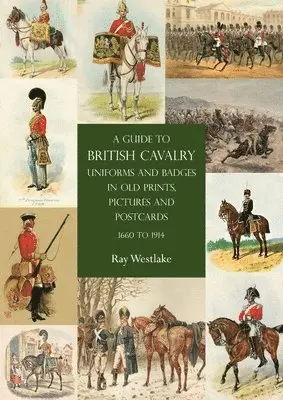
Guide to British Cavalry Uniforms and Badges in Old Prints, Pictures and Postcards, 1660 to 1914
Av Ray Westlake
Häftad, 2021
308 kr
Lägg i varukorg
There is much to be learnt from pictures. It was film producer and pioneer of the American animation industry Walt Disney who said, 'Of all of our inventions for mass communication, pictures still speak the most universally understood language.' And, of course, we must not forget the wider use of, …
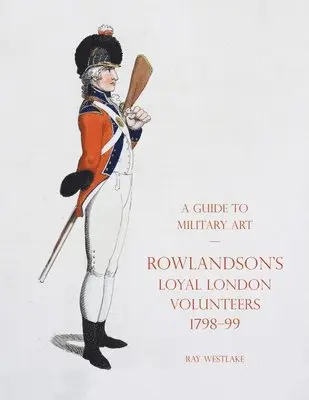
Guide to Military Art - Rowlandson's Loyal London Volunteers 1798-99
Av Ray Westlake
Häftad, 2021
519 kr
Lägg i varukorg
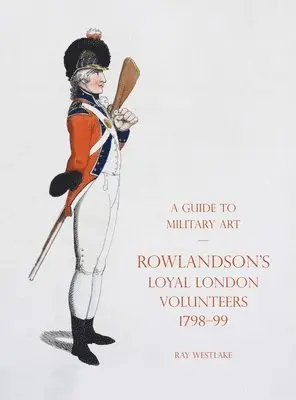
Guide to Military Art - Rowlandson's Loyal London Volunteers 1798-99
Av Ray Westlake
Inbunden, 2021
770 kr
Lägg i varukorg
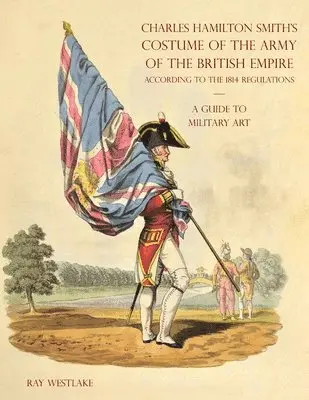
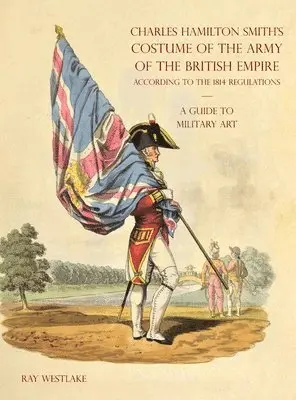
GUIDE TO MILITARY ART - Charles Hamilton Smith's Costume of the Army of the British Empire
According to the 1814 regulations
Av Ray Westlake
Häftad, 2021
519 kr
Lägg i varukorg
Born on 26 December 1776 in East Flanders, then an Austrian province, Charles Hamilton Smith was a descendent of a Flemish Protestant family named Smet. In England he attended school in Richmond, Surrey, but having returned to Flanders he went on to study at the Austrian Academy for Artillery and …
GUIDE TO MILITARY ART - Charles Hamilton Smith's Costume of the Army of the British Empire
According to the 1814 regulations
Av Ray Westlake
Inbunden, 2021
770 kr
Lägg i varukorg
Born on 26 December 1776 in East Flanders, then an Austrian province, Charles Hamilton Smith was a descendent of a Flemish Protestant family named Smet. In England he attended school in Richmond, Surrey, but having returned to Flanders he went on to study at the Austrian Academy for Artillery and …
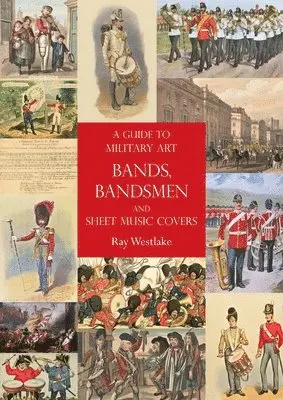
Guide to Military Art Bands, Bandsmen and Sheet Music Covers
Av Ray Westlake
Häftad, 2021
217 kr
Lägg i varukorg
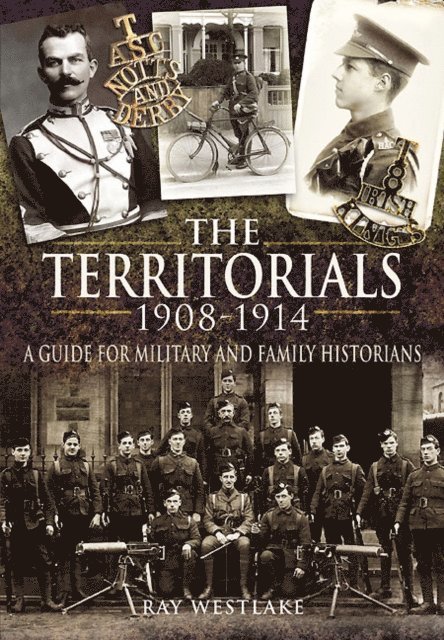
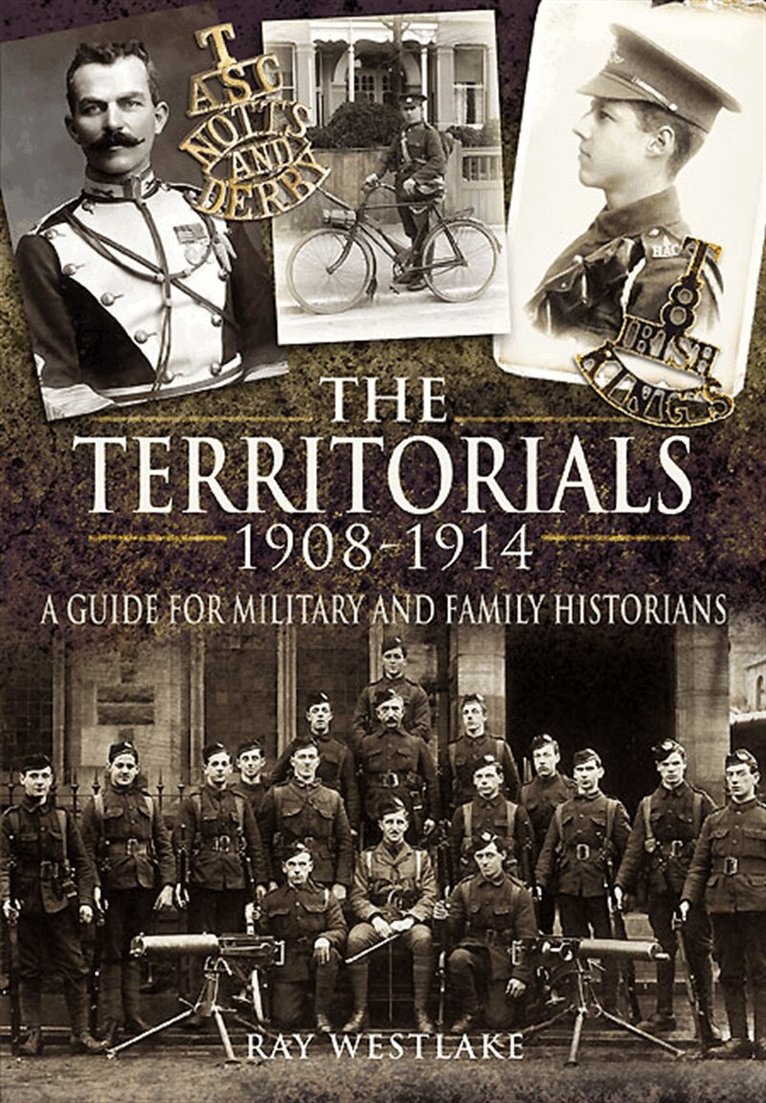
Territorials, 1908-1914
A Guide for Military and Family Historians
Av Ray Westlake
E-bok, 2012
74 kr
Lägg i varukorg
The Territorials 1908–1914 is a unique, comprehensive record of the part-time soldiers who made up the Territorial Force that supported the regular army in the years immediately before the outbreak of the First World War. Previously information on the history and organization of these dedicated …
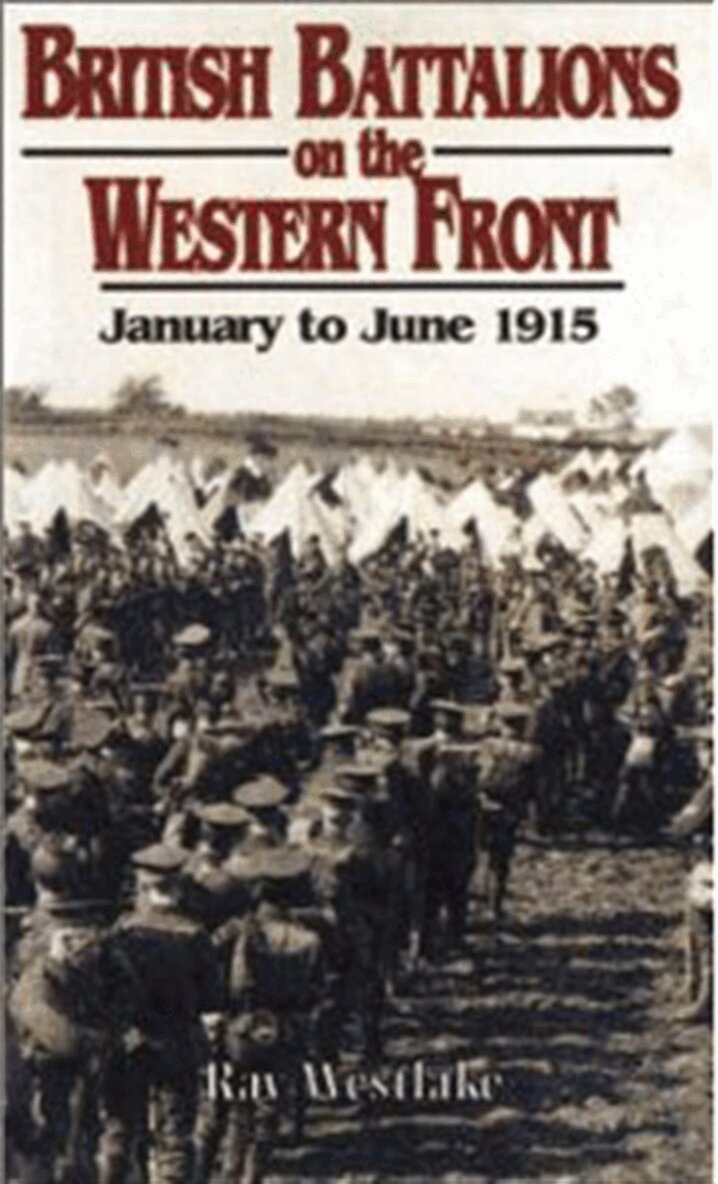
British Battalions on the Western Front
January to June 1915
Av Ray Westlake
E-bok, 2021
110 kr
Lägg i varukorg
The author's previous three books in this series - British Battalions on the Somme, 1916, British Regiments at Gallipoli andBritish Battalions in France and Belgium, 1914 have achieved all that they set out to do. On the historical side it is now agreed by a large number of grateful historians, …
The Territorials 1908-1914
A Guide for Military and Family Historians
Av Ray Westlake
E-bok, 2021
126 kr
Lägg i varukorg
The Territorials 1908-1914 is a unique, comprehensive record of the part-time soldiers who made up the Territorial Force that supported the regular army in the years immediately before the outbreak of the First World War. Previously information on the history and organization of these dedicated …
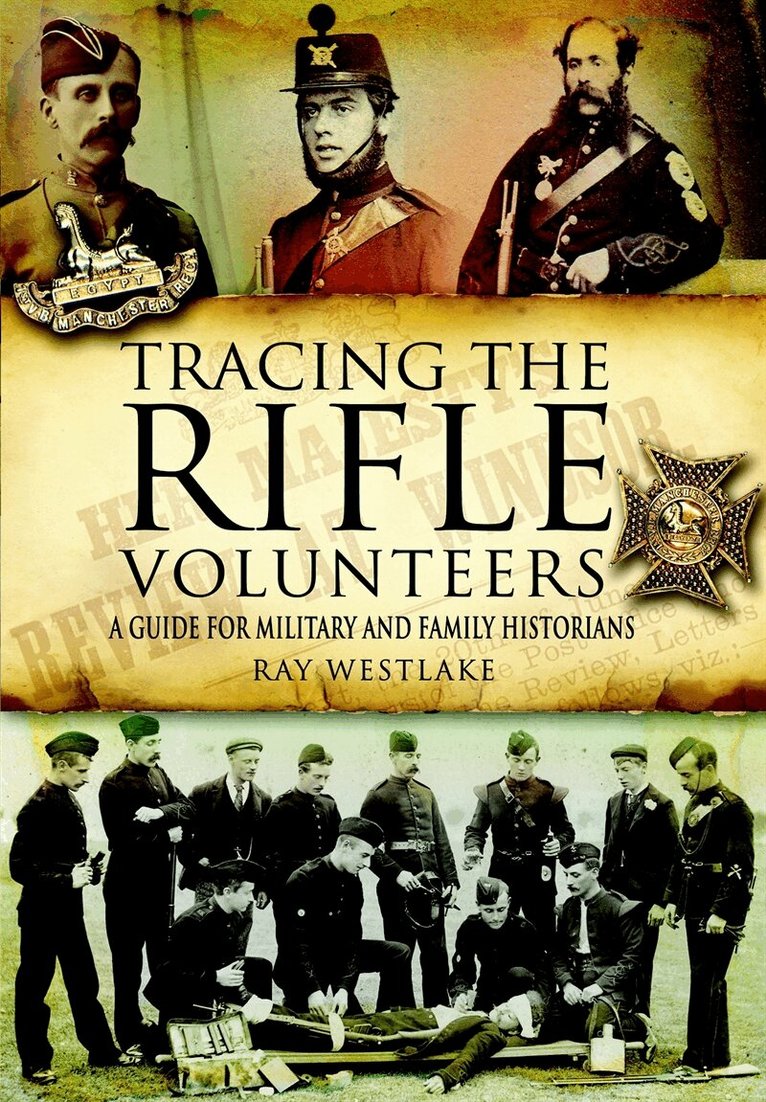
Tracing the Rifle Volunteers
A Guide for Military and Family Historians
Av Ray Westlake
E-bok, 2021
126 kr
Lägg i varukorg
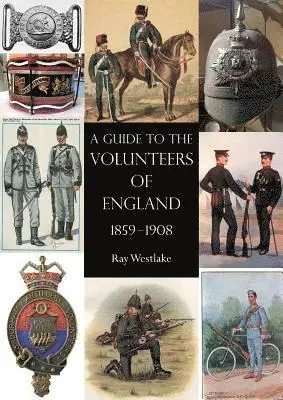
From 1859 to 1908 the Rifle Volunteers played an essential role in Britain’s national defense, yet their history has been sadly neglected. Little information is available on these dedicated, amateur soldiers who were recruited into the ranks of a military organization that flourished across the …