One of the major strengths of Glasgow’s world-famous Burrell Collection is undoubtedly its collection of 250 fabulous tapestries, which date from the 14th to 18th centuries. This book showcases 44 of the best examples of these textiles, sharing recent research into the methods and manufacture of the tapestries, their origin, and the medieval and Renaissance history of the people who made them. New photography allows the fantastic skills of the many makers to be enjoyed in full.
This book offers an introduction to the internationally renowned collection of European embroideries in the Burrell Collection, Glasgow. Richly illustrated and written for a general interest adult audience, it features over 60 objects, each shown in full colour, with close-up images of details.The embroideries are highlights from a collection of more than 300 objects, and date from the medieval period to the eighteenth century. The accessible text gives an insight into their designs and themes, the techniques used to make them and the historical contexts in which they were created. The varied selection includes ecclesiastical vestments, secular garments and accessories, furnishings, embroidered panels, samplers, boxes and decorative items, and objects with royal connections.
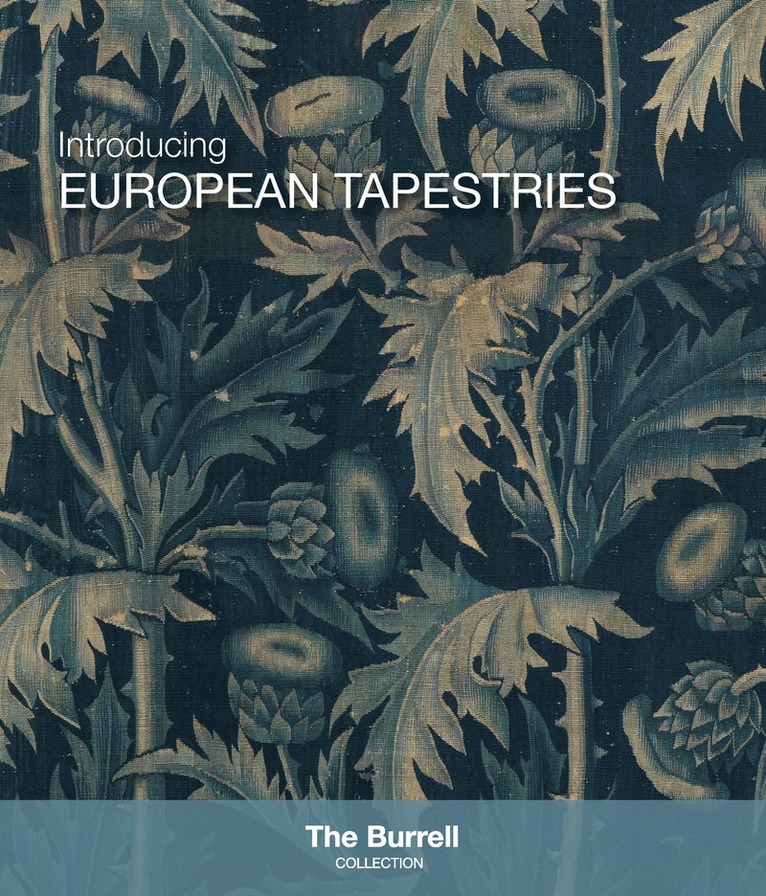
One of the major strengths of Glasgow’s world-famous Burrell Collection is undoubtedly its collection of 250 fabulous tapestries, which date from the 14th to 18th centuries. This book showcases 44 of the best examples of these textiles, sharing recent research into the methods and manufacture of the tapestries, their origin, and the medieval and Renaissance history of the people who made them. New photography allows the fantastic skills of the many makers to be enjoyed in full.
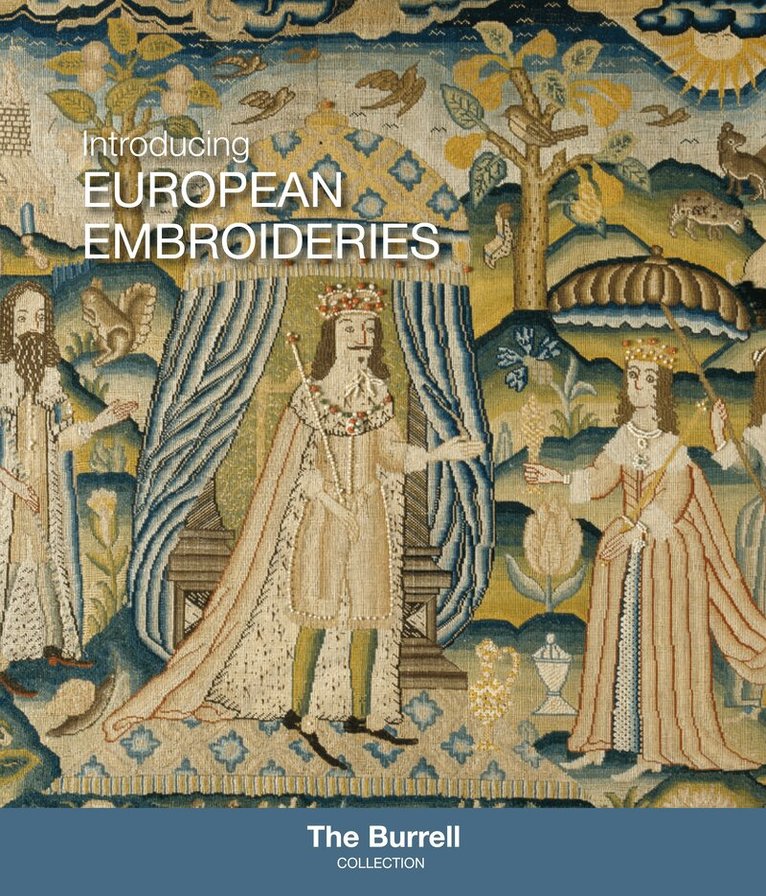
This book offers an introduction to the internationally renowned collection of European embroideries in the Burrell Collection, Glasgow. Richly illustrated and written for a general interest adult audience, it features over 60 objects, each shown in full colour, with close-up images of details.The embroideries are highlights from a collection of more than 300 objects, and date from the medieval period to the eighteenth century. The accessible text gives an insight into their designs and themes, the techniques used to make them and the historical contexts in which they were created. The varied selection includes ecclesiastical vestments, secular garments and accessories, furnishings, embroidered panels, samplers, boxes and decorative items, and objects with royal connections.