Rebecca Sweetman – författare
Visar alla böcker från författaren Rebecca Sweetman. Handla med fri frakt och snabb leverans.
7 produkter
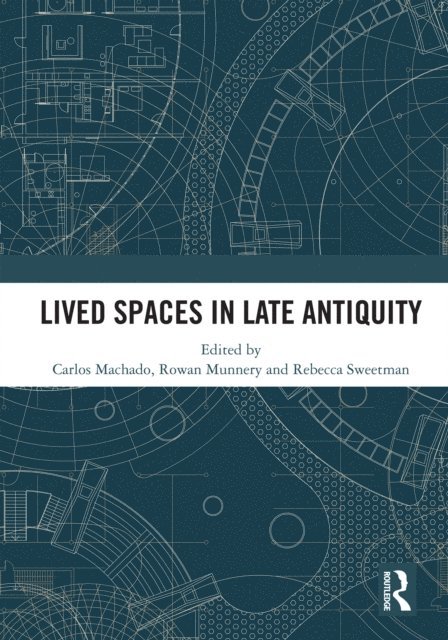
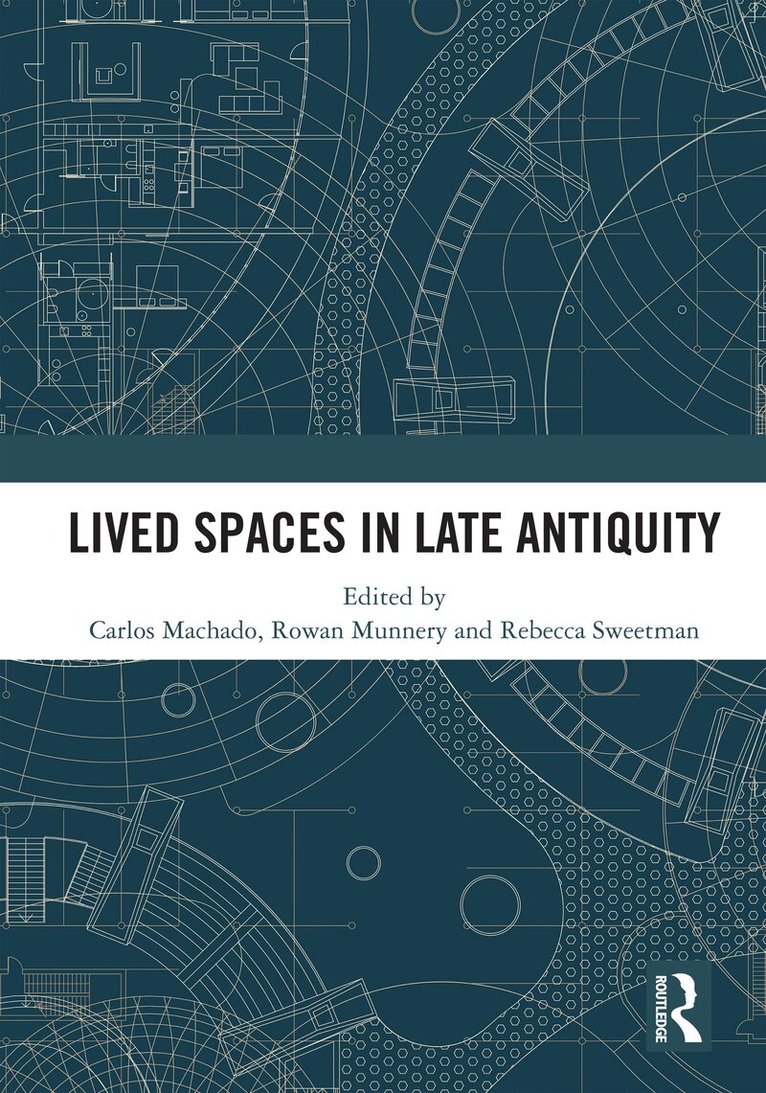
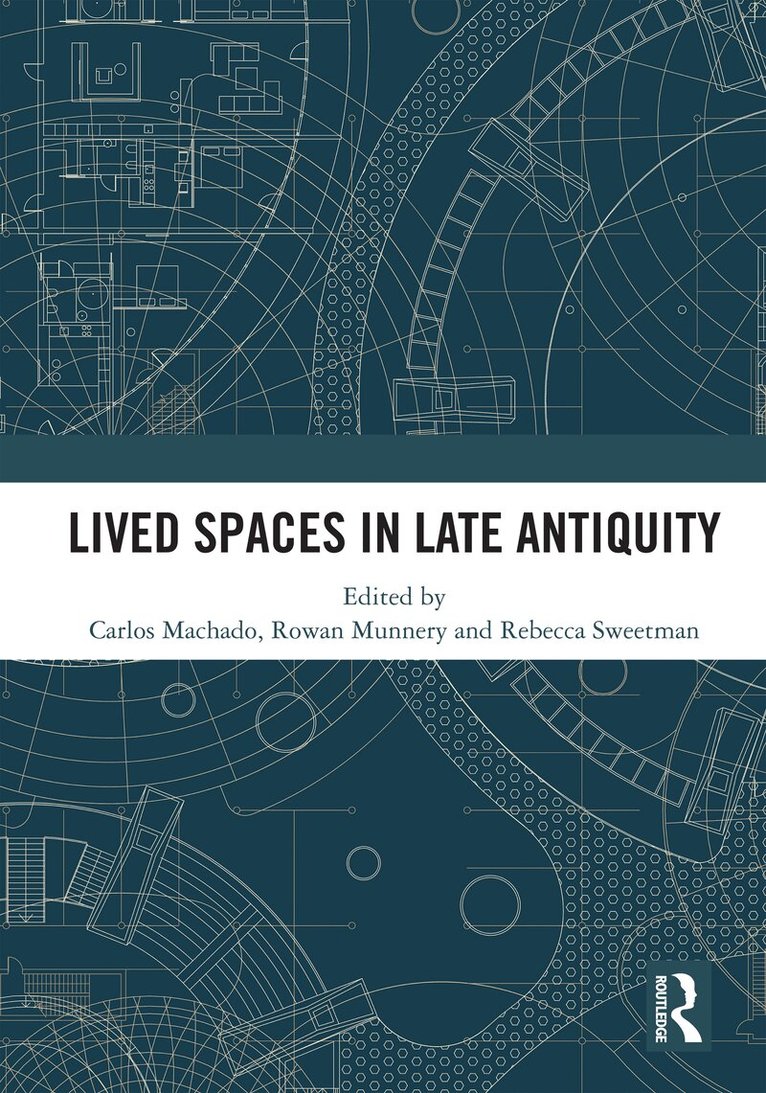
Lived Spaces in Late Antiquity
Av Rebecca Sweetman, Rowan Munnery m. fl.
E-bok, 2024
856 kr
Lägg i varukorg
This volume considers “lived space†as a scholarly approach to the past, showing how spatial approaches can present innovative views of the world of Late Antiquity, integrating social, economic and cultural developments and putting centre stage this fundamental dimension of social life. …
Lived Spaces in Late Antiquity
Av Rebecca Sweetman, Rowan Munnery m. fl.
E-bok, 2024
856 kr
Lägg i varukorg
This volume considers “lived space†as a scholarly approach to the past, showing how spatial approaches can present innovative views of the world of Late Antiquity, integrating social, economic and cultural developments and putting centre stage this fundamental dimension of social life. …
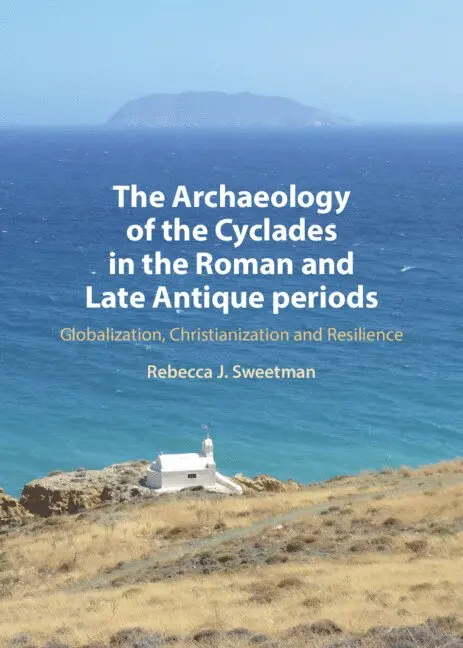
The Archaeology of the Cyclades in the Roman and Late Antique Periods
Globalization, Christianization and Resilience
Inbunden, 2025
1526 kr
Lägg i varukorg
The Cycladic islands have traditionally been considered as backwaters during the Roman and Late Antique periods. Through analysis of the material culture produced from the late first century BCE through to the seventh century CE, however, Rebecca Sweetman offers a fresh interpretation of Cycladic …
Archaeology of the Cyclades in the Roman and Late Antique Periods
Globalization, Christianization and Resilience
E-bok, 2025
1478 kr
Lägg i varukorg
Archaeology of the Cyclades in the Roman and Late Antique Periods
Globalization, Christianization and Resilience
E-bok, 2025
1511 kr
Lägg i varukorg
Lived Spaces in Late Antiquity
Av Carlos Machado, Rowan Munnery m. fl.
Häftad, 2025
726 kr
Lägg i varukorg
This volume considers “lived space” as a scholarly approach to the past, showing how spatial approaches can present innovative views of the world of Late Antiquity, integrating social, economic and cultural developments and putting centre stage this fundamental dimension of social life.Bringing …
Lived Spaces in Late Antiquity
Av Carlos Machado, Rowan Munnery m. fl.
Inbunden, 2024
2585 kr
Lägg i varukorg
This volume considers “lived space” as a scholarly approach to the past, showing how spatial approaches can present innovative views of the world of Late Antiquity, integrating social, economic and cultural developments and putting centre stage this fundamental dimension of social life.Bringing …