Rich Wiles – författare
Visar alla böcker från författaren Rich Wiles. Handla med fri frakt och snabb leverans.
5 produkter
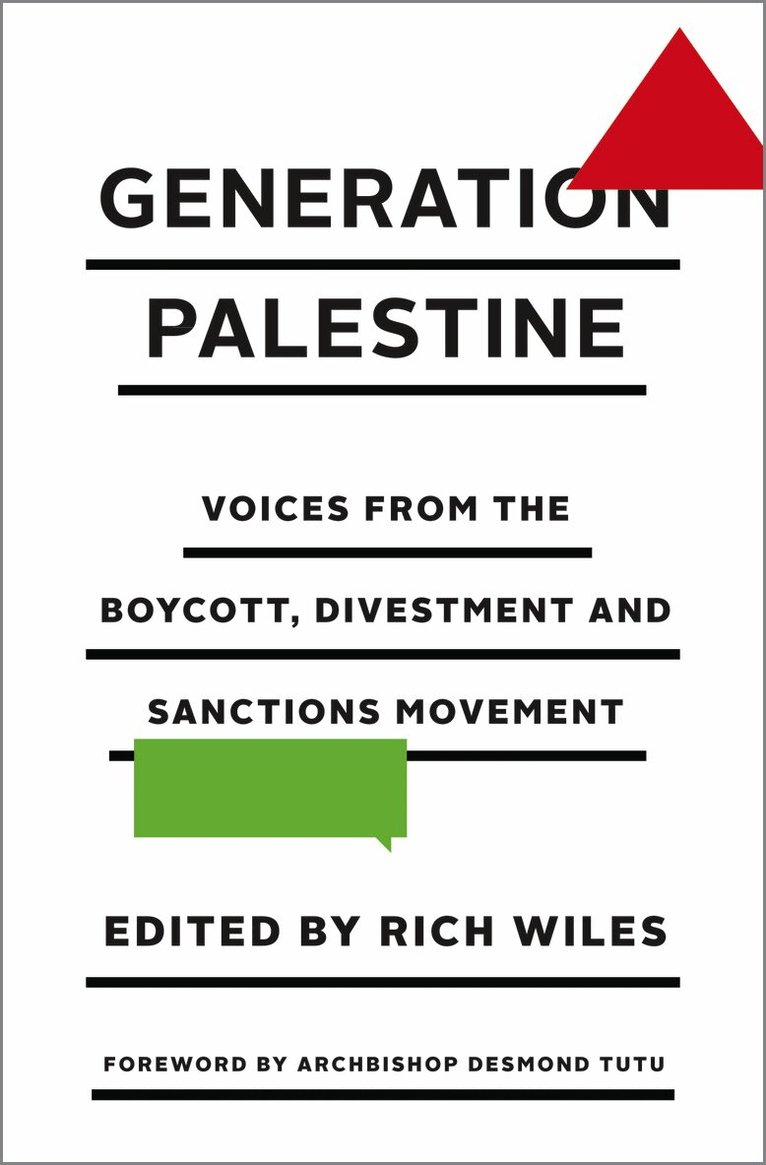
Generation Palestine
Voices from the Boycott, Divestment and Sanctions Movement
Av Rich Wiles
Häftad, 2013
290 kr
Lägg i varukorg
The unique model of apartheid, colonisation and military occupation that Israel imposes on the Palestinians, along with myriad violations of international law, have made Palestine the moral cause of a generation. Yet many people continue to ask, 'what can we do?'Generation Palestine helps to answer …
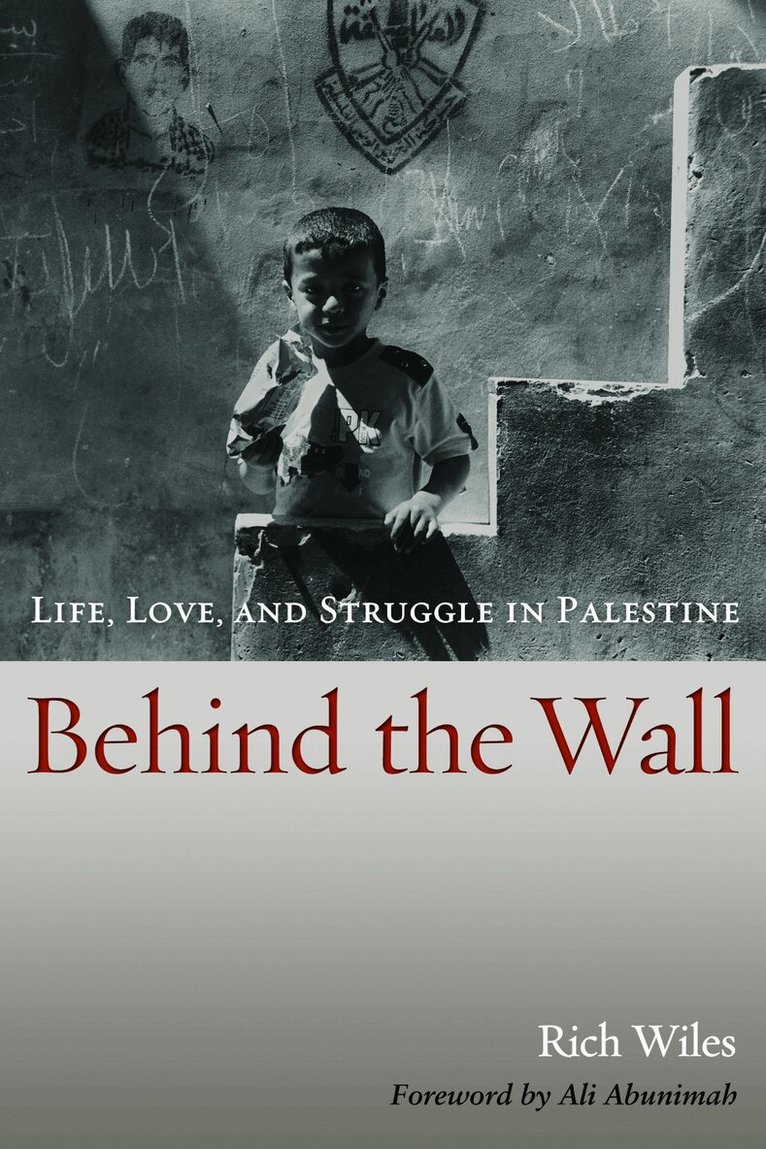
Behind the Wall
Life, Love, and Struggle in Palestine
Av Rich Wiles
Inbunden, 2010
390 kr
Lägg i varukorg
Of the approximately seven million Palestinian refugees around the world, more than 650,000 are living in camps along the West Bank and Gaza Strip. Having been forced from their homes, either through violence or the threat of it, those living in these camps, Rich Wiles asserts, suffer greatly from …
Behind the Wall
Life, Love, and Struggle in Palestine
Av Rich Wiles
E-bok, 2011
358 kr
Lägg i varukorg
Of the approximately seven million Palestinian refugees around the world, more than 650,000 are living in camps along the West Bank and Gaza Strip. Having been forced from their homes, either through violence or the threat of it, those living in these camps, Rich Wiles asserts, suffer greatly from …
Generation Palestine
Voices from the Boycott, Divestment and Sanctions Movement
Av Rich Wiles
E-bok, 2013
119 kr
Lägg i varukorg
The unique model of apartheid, colonisation and military occupation that Israel imposes on the Palestinians, along with myriad violations of international law, have made Palestine the moral cause of a generation. Yet many people continue to ask, ''what can we do?'' Generation Palestine helps to …
Generation Palestine
Voices from the Boycott, Divestment and Sanctions Movement
Av Rich Wiles
Inbunden, 2013
938 kr
Tillfälligt slut
The unique model of apartheid, colonisation and military occupation that Israel imposes on the Palestinians, along with myriad violations of international law, have made Palestine the moral cause of a generation. Yet many people continue to ask, 'what can we do?'Generation Palestine helps to answer …