Richard G. Hovannisian – författare
Visar alla böcker från författaren Richard G. Hovannisian. Handla med fri frakt och snabb leverans.
8 produkter
8 produkter
1 132 kr
Tillfälligt slut
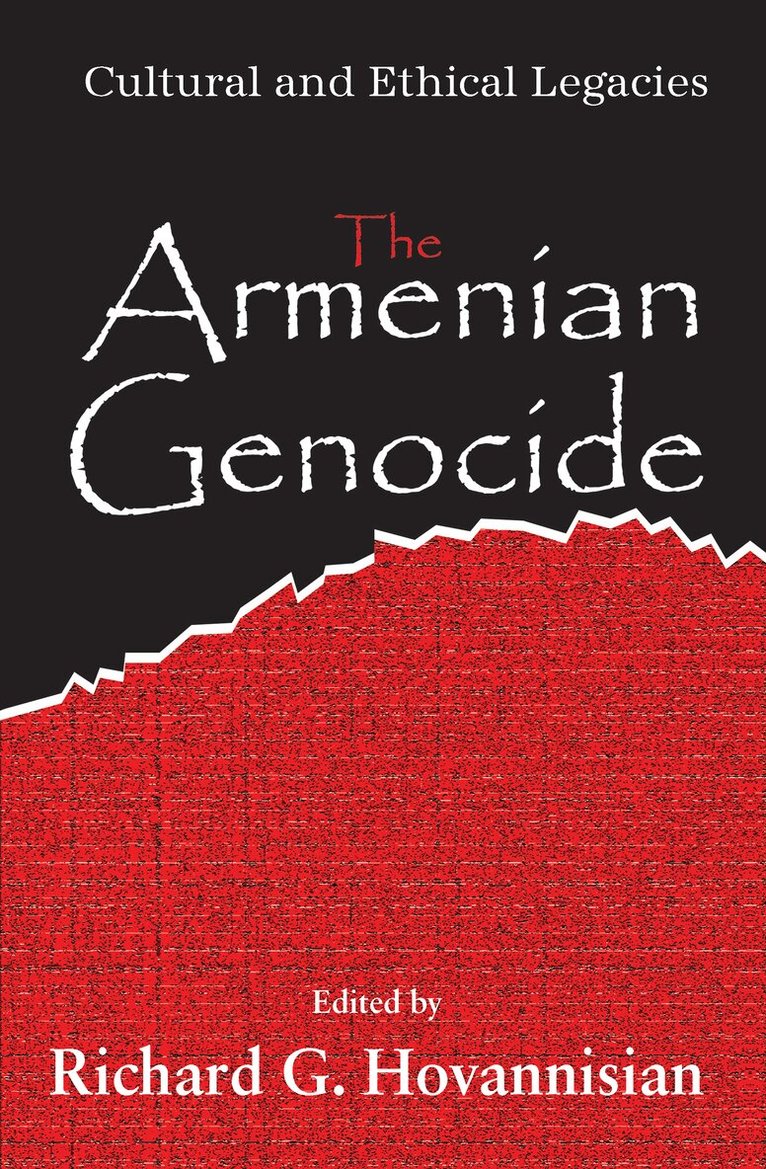
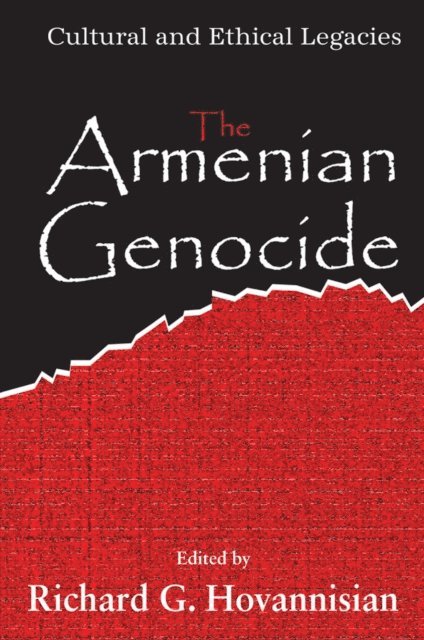
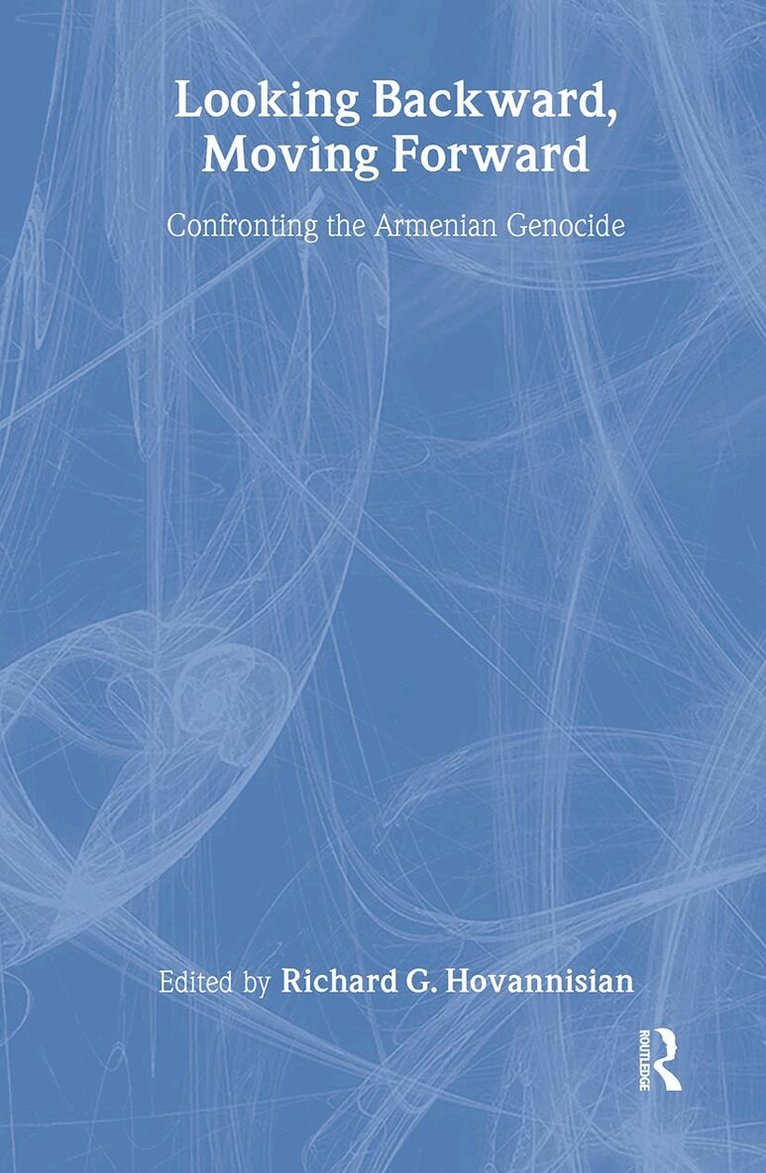
The decades separating our new century from the Armenian Genocide, the prototype of modern-day nation-killings, have fundamentally changed the political composition of the region. Virtually no Armenians remain on their historic territories in what is today eastern Turkey. The Armenian people have been scattered about the world. And a small independent republic has come to replace the Armenian Soviet Socialist Republic, which was all that was left of the homeland as the result of Turkish invasion and Bolshevik collusion in 1920. One element has remained constant. Notwithstanding the eloquent, compelling evidence housed in the United States National Archives and repositories around the world, successive Turkish governments have denied that the predecessor Young Turk regime committed genocide, and, like the Nazis who followed their example, sought aggressively to deflect blame by accusing the victims themselves.This volume argues that the time has come for Turkey to reassess the propriety of its approach, and to begin the process that will allow it move into a post-genocide era. The work includes "Genocide: An Agenda for Action," Gijs M. de Vries; "Determinants of the Armenian Genocide," Donald Bloxham; "Looking Backward and Forward," Joyce Apsel; "The United States Response to the Armenian Genocide," Simon Payaslian; "The League of Nations and the Reclamation of Armenian Genocide Survivors," Vahram L. Shemmassian; "Raphael Lemkin and the Armenian Genocide," Steven L. Jacobs; "Reconstructing Turkish Historiography of the Armenian Massacres and Deaths of 1915," Fatma Muge Go;cek; "Bitter-Sweet Memories; "The Armenian Genocide and International Law," Joe Verhoeven; "New Directions in Literary Response to the Armenian Genocide," Rubina Peroomian; "Denial and Free Speech," Henry C. Theriault; "Healing and Reconciliation," Ervin Staub; "State and Nation," Raffi K. Hovannisian.
1 695 kr
Skickas inom 10-15 vardagar
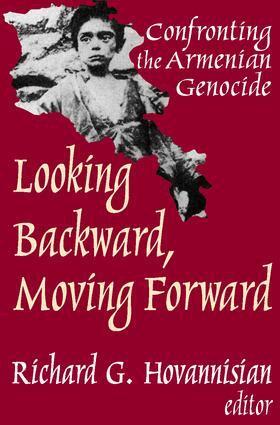
World War I was a watershed, a defining moment, in Armenian history. Its effects were unprecedented in that it resulted in what no other war, invasion, or occupation had achieved in three thousand years of identifiable Armenian existence. This calamity was the physical elimination of the Armenian people and most of the evidence of their ever having lived on the great Armenian Plateau, to which the perpetrator side soon gave the new name of Eastern Anatolia. The bearers of an impressive martial and cultural history, the Armenians had also known repeated trials and tribulations, waves of massacre, captivity, and exile, but even in the darkest of times there had always been enough remaining to revive, rebuild, and go forward.This third volume in a series edited by Richard Hovannisian, the dean of Armenian historians, provides a unique fusion of the history, philosophy, literature, art, music, and educational aspects of the Armenian experience. It further provides a rich storehouse of information on comparative dimensions of the Armenian genocide in relation to the Assyrian, Greek and Jewish situations, and beyond that, paradoxes in American and French policy responses to the Armenian genocides. The volume concludes with a trio of essays concerning fundamental questions of historiography and politics that either make possible or can inhibit reconciliation of ancient truths and righting ancient wrongs.
724 kr
Skickas inom 10-15 vardagar
The decades separating our new century from the Armenian Genocide, the prototype of modern-day nation-killings, have fundamentally changed the political composition of the region. Virtually no Armenians remain on their historic territories in what is today eastern Turkey. The Armenian people have been scattered about the world. And a small independent republic has come to replace the Armenian Soviet Socialist Republic, which was all that was left of the homeland as the result of Turkish invasion and Bolshevik collusion in 1920. One element has remained constant. Notwithstanding the eloquent, compelling evidence housed in the United States National Archives and repositories around the world, successive Turkish governments have denied that the predecessor Young Turk regime committed genocide, and, like the Nazis who followed their example, sought aggressively to deflect blame by accusing the victims themselves.This volume argues that the time has come for Turkey to reassess the propriety of its approach, and to begin the process that will allow it move into a post-genocide era. The work includes "Genocide: An Agenda for Action," Gijs M. de Vries; "Determinants of the Armenian Genocide," Donald Bloxham; "Looking Backward and Forward," Joyce Apsel; "The United States Response to the Armenian Genocide," Simon Payaslian; "The League of Nations and the Reclamation of Armenian Genocide Survivors," Vahram L. Shemmassian; "Raphael Lemkin and the Armenian Genocide," Steven L. Jacobs; "Reconstructing Turkish Historiography of the Armenian Massacres and Deaths of 1915," Fatma Muge Go;cek; "Bitter-Sweet Memories; "The Armenian Genocide and International Law," Joe Verhoeven; "New Directions in Literary Response to the Armenian Genocide," Rubina Peroomian; "Denial and Free Speech," Henry C. Theriault; "Healing and Reconciliation," Ervin Staub; "State and Nation," Raffi K. Hovannisian.
409 kr
Skickas inom 10-15 vardagar
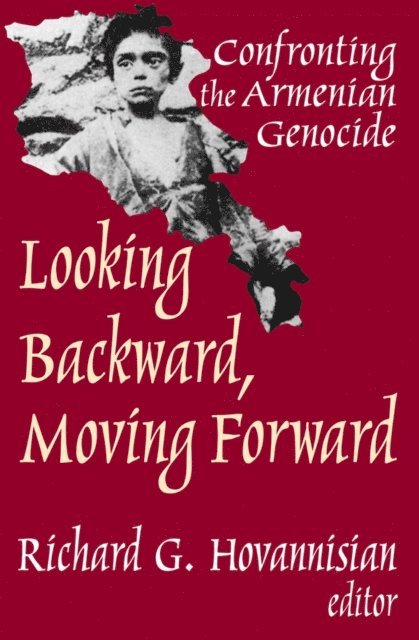
This volume confronts the denial of the Armenian Genocide by the Turkish government. It began in World War I, during the drive to transform the plural Ottoman Empire into a monoethnic Turkey. The essays examine the events from a variety of perspectives.
724 kr
Skickas inom 10-15 vardagar
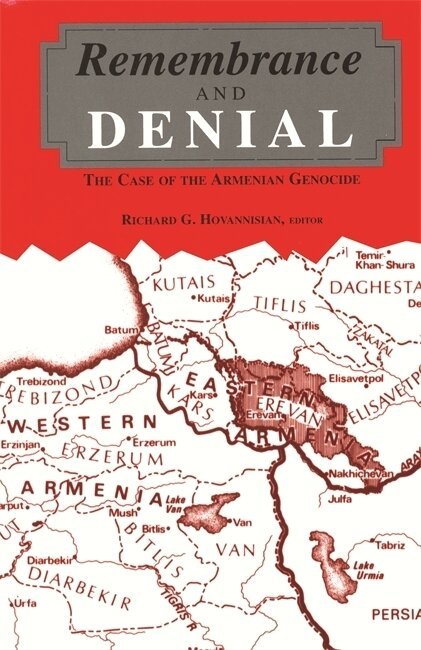
Seven decades after the destruction of the Armenian population in the Ottoman Empire, the Armenian genocide remains largely ignored by governments and forgotten by the world public, even though the annihilation of Armenians was headlined around the world in 1915. Scholarly investigation of the Armenian genocide is just beginning, made more difficult by the tendency of many establishment figures to rationalize the past and the attempt of perpetrator governments and their successors to deny the past.This volume is a pioneering collective attempt to assess and analyze the Armenian genocide from differing perspectives, including history, political science, ethics, religion, literature, and psychiatry. Focusing on the general implications of denial, rationalization, and responsibility, it is particularly important as a precursor to the study of the Holocaust and other genocides.
409 kr
Skickas inom 5-8 vardagar
Essays by Fazlur Rahman, Charles E Butterworth, George Makdisi, Kemal Faruki, George F Hourani, Wilferd Madelung, Frederick M Denny.
2 398 kr
Skickas inom 10-15 vardagar
Seven decades after the destruction of the Armenian population in the Ottoman Empire, the Armenian genocide remains largely ignored by governments and forgotten by the world public, even though the annihilation of Armenians was headlined around the world in 1915. Scholarly investigation of the Armenian genocide is just beginning, made more difficult by the tendency of many establishment figures to rationalize the past and the attempt of perpetrator governments and their successors to deny the past.This volume is a pioneering collective attempt to assess and analyze the Armenian genocide from differing perspectives, including history, political science, ethics, religion, literature, and psychiatry. Focusing on the general implications of denial, rationalization, and responsibility, it is particularly important as a precursor to the study of the Holocaust and other genocides.
724 kr
Skickas inom 10-15 vardagar
World War I was a watershed, a defining moment, in Armenian history. Its effects were unprecedented in that it resulted in what no other war, invasion, or occupation had achieved in three thousand years of identifiable Armenian existence. This calamity was the physical elimination of the Armenian people and most of the evidence of their ever having lived on the great Armenian Plateau, to which the perpetrator side soon gave the new name of Eastern Anatolia. The bearers of an impressive martial and cultural history, the Armenians had also known repeated trials and tribulations, waves of massacre, captivity, and exile, but even in the darkest of times there had always been enough remaining to revive, rebuild, and go forward.This third volume in a series edited by Richard Hovannisian, the dean of Armenian historians, provides a unique fusion of the history, philosophy, literature, art, music, and educational aspects of the Armenian experience. It further provides a rich storehouse of information on comparative dimensions of the Armenian genocide in relation to the Assyrian, Greek and Jewish situations, and beyond that, paradoxes in American and French policy responses to the Armenian genocides. The volume concludes with a trio of essays concerning fundamental questions of historiography and politics that either make possible or can inhibit reconciliation of ancient truths and righting ancient wrongs.