Richard M. Freeland – författare
Visar alla böcker från författaren Richard M. Freeland. Handla med fri frakt och snabb leverans.
4 produkter
4 produkter
Inbunden, Engelska, 1992
2 447 kr
Skickas inom 5-8 vardagar
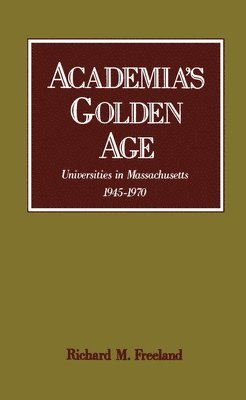
Examining postwar developments in American higher education Richard Freeland looks closely at eight universities in the Boston area that exemplify all the major trends.
E-bok
PDF, Engelska, 19922 105 kr
Läs direkt efter köp
This book examines the evolution of American universities during the years following World War II. Emphasizing the importance of change at the campus level, the book combines a general consideration of national trends with a close study of eight diverse universities in Massachusetts. The eight are Harvard, M.I.T., Tufts, Brandeis, Boston University, Boston College, Northeastern and the University of Massachusetts. Broad analytic chapters examine major developments like expansion, the rise of graduate education and research, the professionalization of the faculty, and the decline of general education. These chapters also review criticisms of academia that arose in the late 1960s and the fate of various reform proposals during the 1970s. Additional chapters focus on the eight campuses to illustrate the forces that drove different kinds of institutions--research universities, college-centered universities, urban private universities and public universities--in responding to the circumstances of the postwar years.
Inbunden, Engelska, 2019
566 kr
Skickas
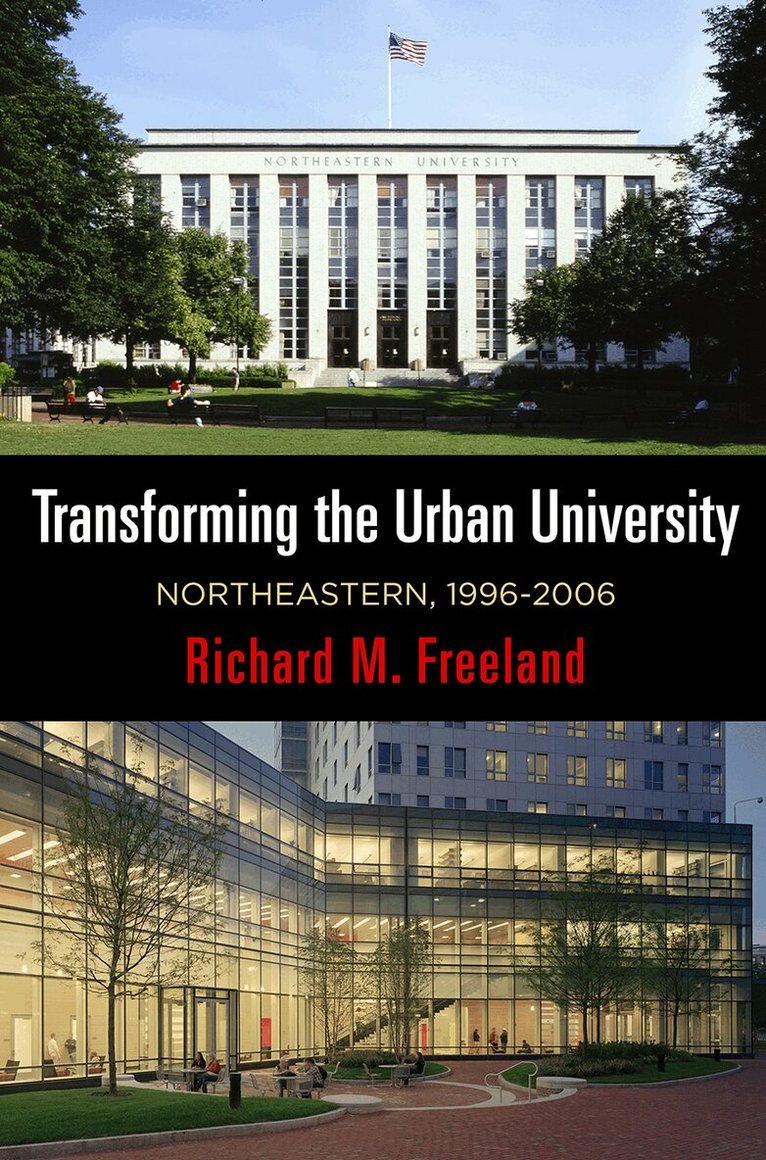
In Transforming the Urban University, Richard M. Freeland reviews how Northeastern University in Boston, historically an access-oriented, private urban university serving commuter students from modest backgrounds and characterized by limited academic ambitions and local reach, transformed itself into a selective, national, and residential research university. Having served as president during a critical decade in this transition, Freeland recounts the school's efforts to retain key features from Northeastern's urban history-an emphasis on undergraduate teaching and learning, a curriculum focused on preparing students for the workplace, its signature program of cooperative education, and its broad involvement in the life of the city-while at the same time raising admission standards, recruiting students on a regional and national basis, improving graduation rates, expanding opportunities for research and graduate education and dramatically improving its U.S. News ranking.Freeland situates the Northeastern story within the evolving context of urban higher education as well as broader trends among American universities during the second half of the twentieth century. He documents the way Northeastern maintained its historic values while making innovative use of modern marketing techniques to meet the competitive conditions of the academic marketplace. He shows how Northeastern rejected the standard model of the modern research university and instead reinvented itself as a new kind of urban university: making excellence in the undergraduate experience its top priority; stressing practice-oriented education and research; and emphasizing the academic benefits of its urban setting as well as the importance of contributing to the well-being of its host city. In chronicling Northeastern's recovery from what the school's trustees called a "near-death" experience, Freeland challenges the conventional narrative of what a university must do to achieve top-tier national status.
E-bok
Engelska, 20191 122 kr
Läs direkt efter köp
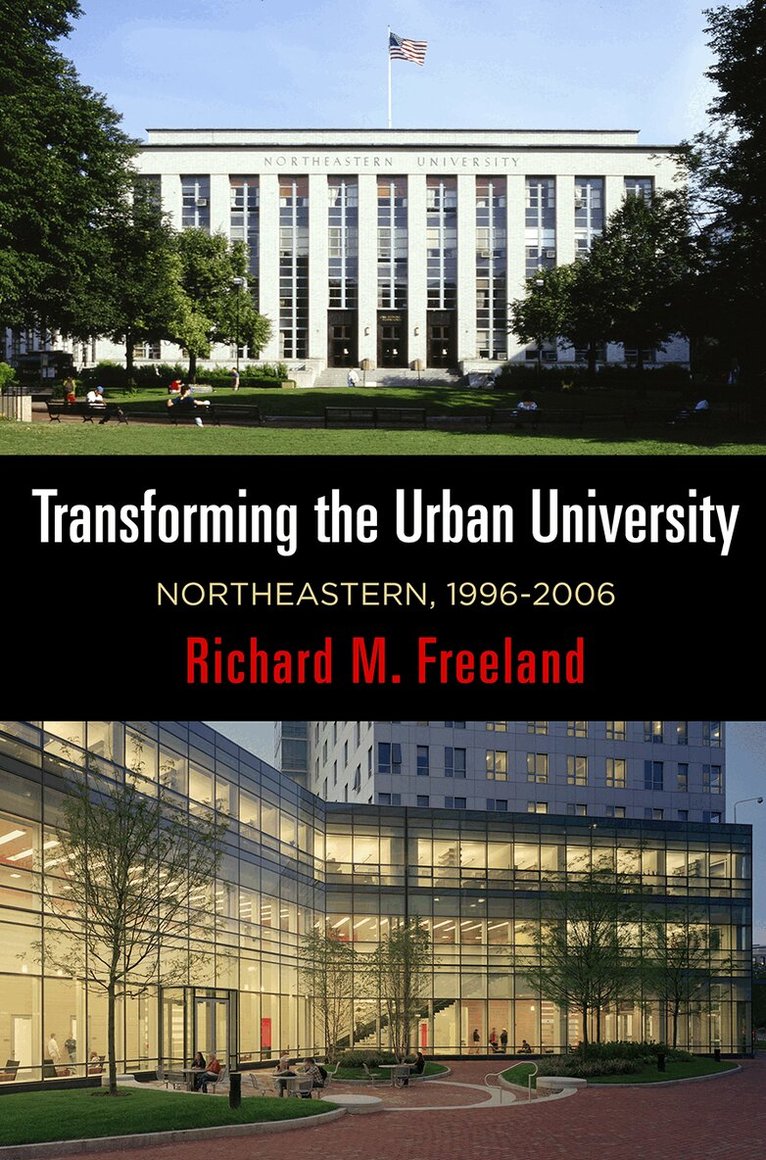
In Transforming the Urban University, Richard M. Freeland reviews how Northeastern University in Boston, historically an access-oriented, private urban university serving commuter students from modest backgrounds and characterized by limited academic ambitions and local reach, transformed itself into a selective, national, and residential research university. Having served as president during a critical decade in this transition, Freeland recounts the school's efforts to retain key features from Northeastern's urban history-an emphasis on undergraduate teaching and learning, a curriculum focused on preparing students for the workplace, its signature program of cooperative education, and its broad involvement in the life of the city-while at the same time raising admission standards, recruiting students on a regional and national basis, improving graduation rates, expanding opportunities for research and graduate education and dramatically improving its U.S. News ranking.Freeland situates the Northeastern story within the evolving context of urban higher education as well as broader trends among American universities during the second half of the twentieth century. He documents the way Northeastern maintained its historic values while making innovative use of modern marketing techniques to meet the competitive conditions of the academic marketplace. He shows how Northeastern rejected the standard model of the modern research university and instead reinvented itself as a new kind of urban university: making excellence in the undergraduate experience its top priority; stressing practice-oriented education and research; and emphasizing the academic benefits of its urban setting as well as the importance of contributing to the well-being of its host city. In chronicling Northeastern's recovery from what the school's trustees called a "near-death" experience, Freeland challenges the conventional narrative of what a university must do to achieve top-tier national status.