Robert Rybski - Böcker
Visar alla böcker från författaren Robert Rybski. Handla med fri frakt och snabb leverans.
6 produkter
6 produkter
751 kr
Skickas inom 10-15 vardagar
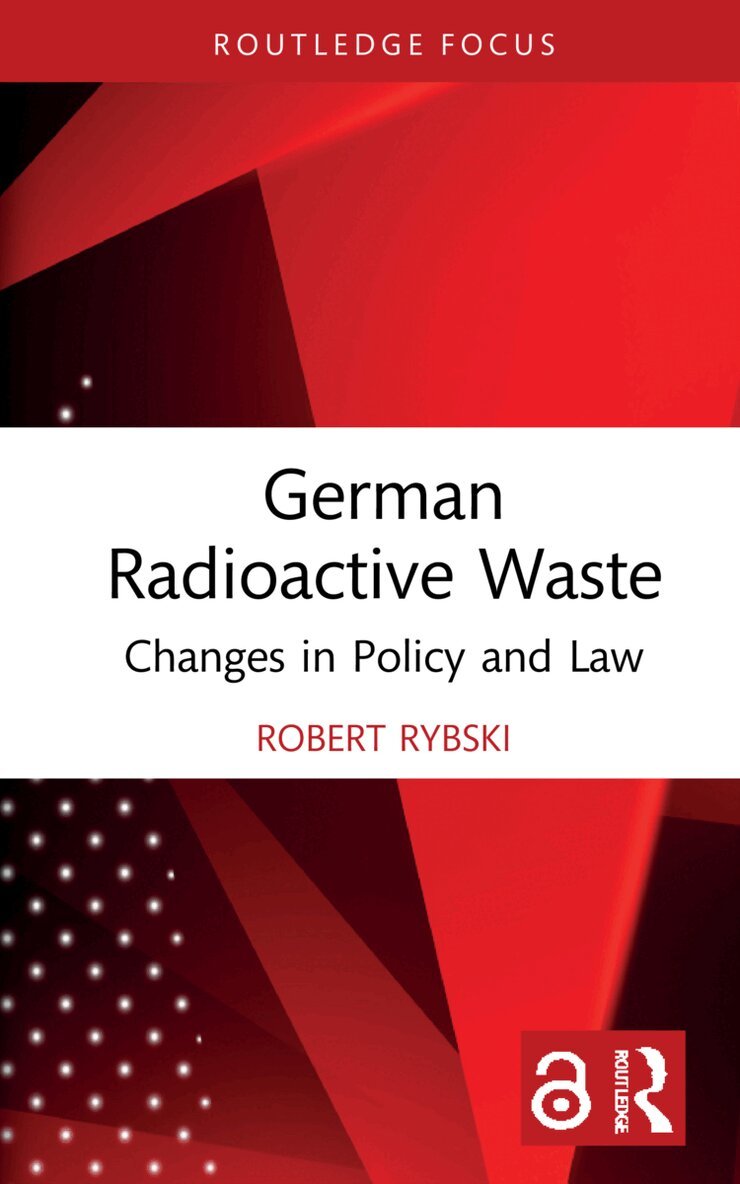
This book presents the universal issue of radioactive waste management from the perspective of the German legal system, analysing how lawmakers have responded to the problem of nuclear waste over the course of the last seventy years. In this book, Robert Rybski unwraps and explains the perplexing legal and social issues related to radioactive waste. He takes readers through the entire ‘life-cycle’: from the moment that radioactive material is classified as radioactive waste, through to the period of interim storage, and right up to its final disposal. However, this last step in radioactive waste management (that of final disposal) has not yet been achieved in Germany, or anywhere in the world, and has been the subject of hefty public debate for dozens of years. As a result, the book analyses the most recent regulations in place to enable final disposal. This book will be of interest to energy policy experts, academics and professionals who work in the area of nuclear energy.
175 kr
Skickas
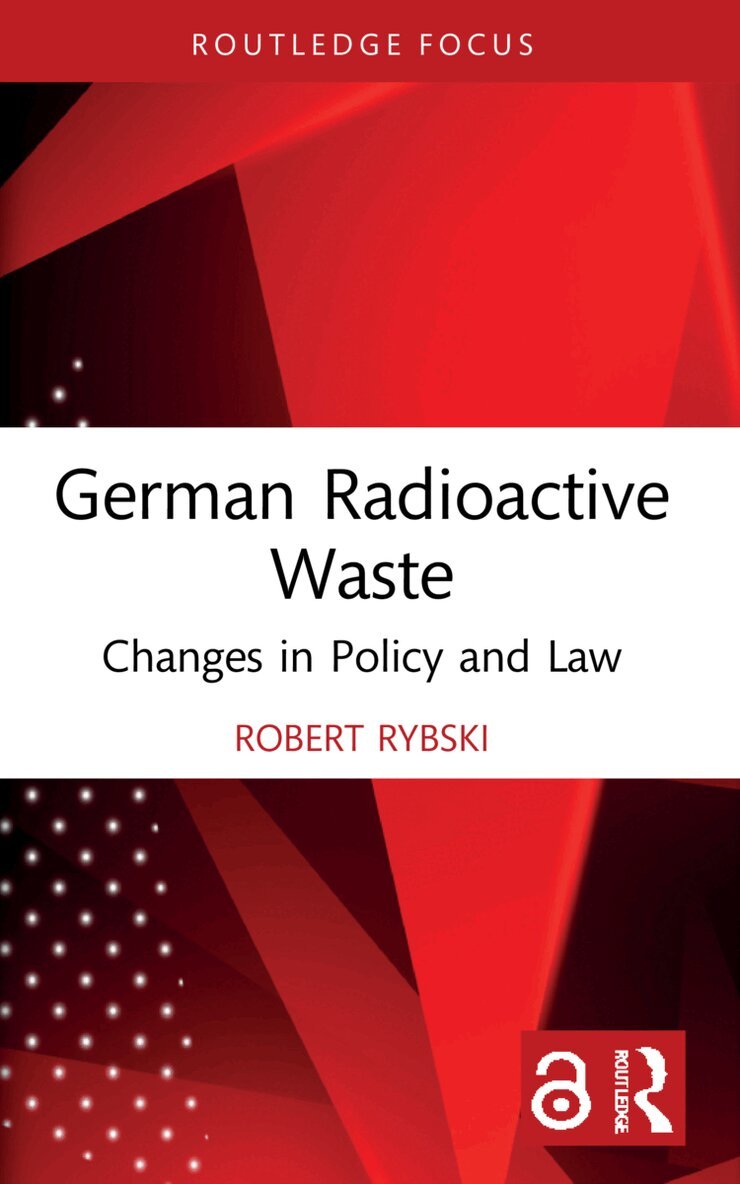
This book presents the universal issue of radioactive waste management from the perspective of the German legal system, analysing how lawmakers have responded to the problem of nuclear waste over the course of the last seventy years. In this book, Robert Rybski unwraps and explains the perplexing legal and social issues related to radioactive waste. He takes readers through the entire ‘life-cycle’: from the moment that radioactive material is classified as radioactive waste, through to the period of interim storage, and right up to its final disposal. However, this last step in radioactive waste management (that of final disposal) has not yet been achieved in Germany, or anywhere in the world, and has been the subject of hefty public debate for dozens of years. As a result, the book analyses the most recent regulations in place to enable final disposal. This book will be of interest to energy policy experts, academics and professionals who work in the area of nuclear energy.
2 104 kr
Skickas inom 10-15 vardagar
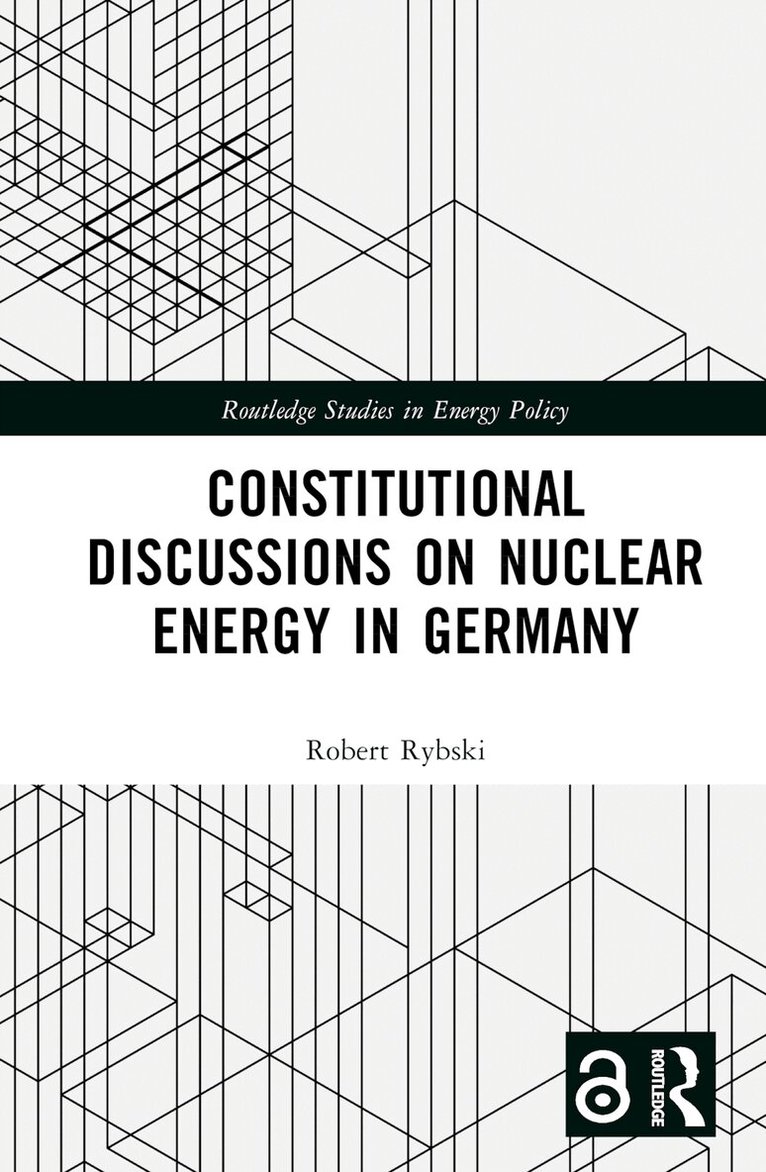
This book analyses the German constitutional system's responses towards nuclear energy.Robert Rybski begins with a presentation of energy security as a constitutional value and explores how it connects with nuclear energy. He also examines constitutional standards derived from the German Constitution, which directly regulates nuclear energy issues within the German system of power. The book presents the structure of sources of law that are binding in the area of security of nuclear installations and considers the impact that The European Atomic Energy Community had on the German constitutional system. The final part of the book is devoted to a novel judicial concept of the so-called Restrisiko – a risk that cannot be avoided – which has been developed in the jurisprudence of the Federal Constitutional Court. The essence of this concept is an assumption that as long as the legal framework regulating nuclear energy fulfils conditions formulated in that judgment, then each citizen has to accept risks resulting from the nuclear energy sector.Covering the entire period of commercial usage of nuclear energy for power generation, this book will be of great interest to students, scholars and energy experts who are active in researching or adopting public policies related to the nuclear energy sector.The Open Access version of this book, available at http://www.taylorfrancis.com, has been made available under a Creative Commons [Attribution-Non Commercial-No Derivatives (CC-BY-NC-ND)] 4.0 license.
629 kr
Skickas inom 10-15 vardagar
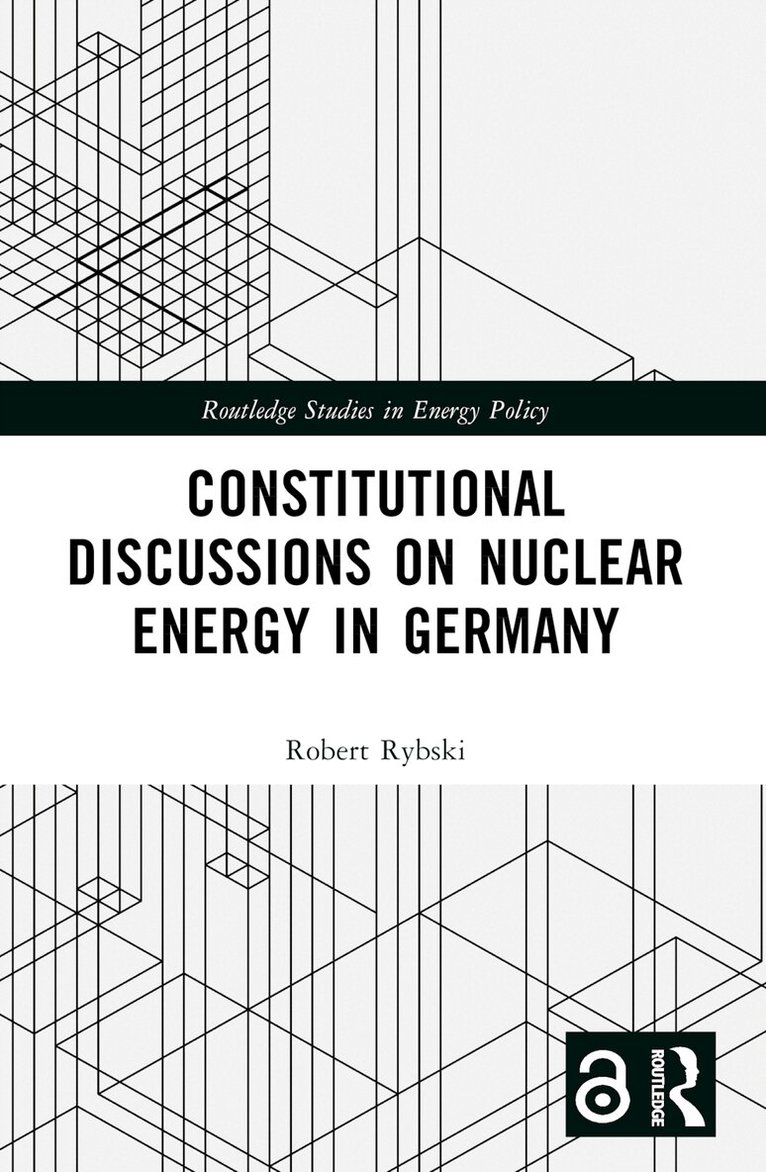
This book analyses the German constitutional system's responses towards nuclear energy.Robert Rybski begins with a presentation of energy security as a constitutional value and explores how it connects with nuclear energy. He also examines constitutional standards derived from the German Constitution, which directly regulates nuclear energy issues within the German system of power. The book presents the structure of sources of law that are binding in the area of security of nuclear installations and considers the impact that The European Atomic Energy Community had on the German constitutional system. The final part of the book is devoted to a novel judicial concept of the so-called Restrisiko – a risk that cannot be avoided – which has been developed in the jurisprudence of the Federal Constitutional Court. The essence of this concept is an assumption that as long as the legal framework regulating nuclear energy fulfils conditions formulated in that judgment, then each citizen has to accept risks resulting from the nuclear energy sector.Covering the entire period of commercial usage of nuclear energy for power generation, this book will be of great interest to students, scholars and energy experts who are active in researching or adopting public policies related to the nuclear energy sector.The Open Access version of this book, available at http://www.taylorfrancis.com, has been made available under a Creative Commons [Attribution-Non Commercial-No Derivatives (CC-BY-NC-ND)] 4.0 license.
Del 45 - Law, Governance and Technology Series
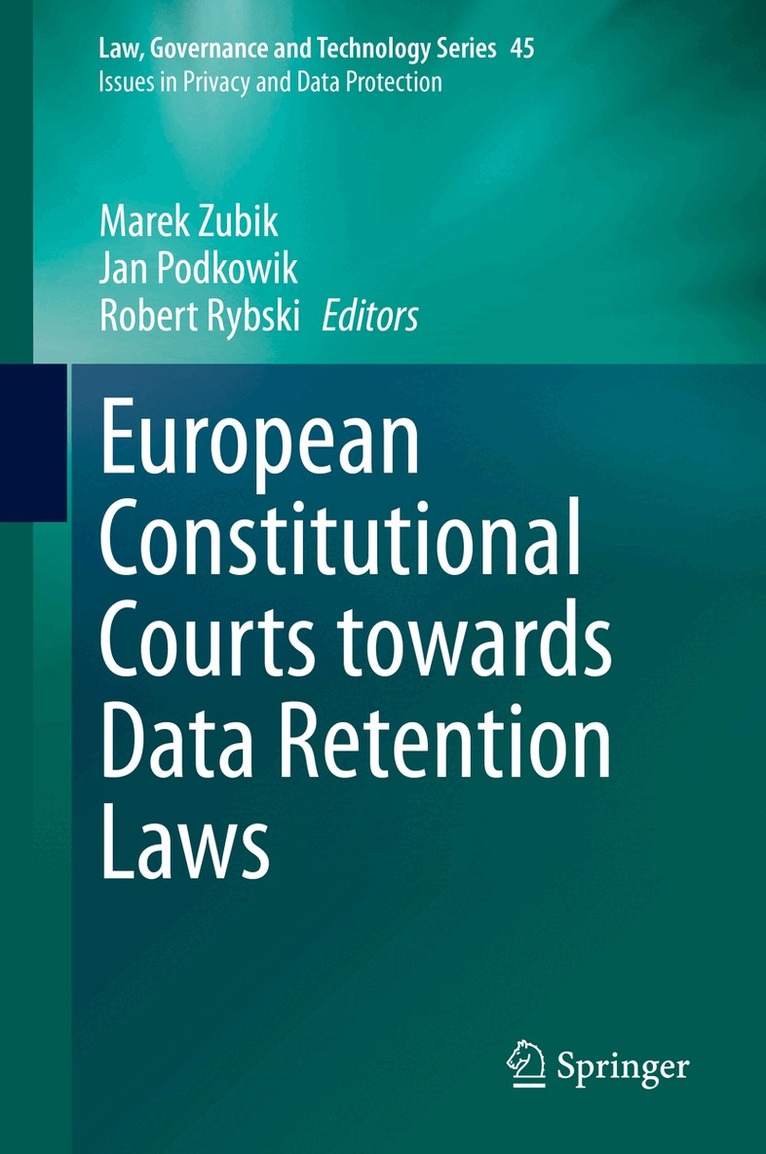
European Constitutional Courts towards Data Retention Laws
Inbunden, Engelska, 2020
1 462 kr
Skickas inom 10-15 vardagar
The book analyses the impact the jurisprudence of the constitutional courts of EU Member States and the Court of Justice of the European Union has had on the perception of freedom of communications in the digital era with respect to these courts’ judgments regarding regulating storage and access to telecommunications data (known as telecommunications data retention) from 2008 to 2017. To do so, it examines the jurisprudence of the constitutional courts of Austria, Bulgaria, Cyprus, Czech Republic, Ireland, Germany, Poland, Portugal, Romania, Slovenia, and Slovakia, i.e. those courts that have already ruled on domestic provisions regulating telecommunications data retention. Further, it investigates the judgments of the Court of Justice of European Union regarding directive 2006/24/EC regulating telecommunications data retention along with relevant jurisprudence of the European Court of Human Rights. As such, the book provides a comparative study of jurisprudence and national measures to implement the Data Retention Directive.Moreover, the book discusses whether our current understanding of protection of freedom of communications guaranteed by the constitutions of EU member states and the EU Charter of Fundamental Rights, which was developed in the era of analogue communications, remains accurate in the era of digital technologies and mass surveillance (simultaneously applied by states and private corporations). In this context, the book reconstructs constitutional standards that currently apply in the EU towards data retention.This book presents a unique comparative analysis of all judgments concerning Directive 2006/24/EC, which can be used in the legislative process on the EU forum aimed at introducing new principles of data retention and by constitutional courts in the context of comparative argumentation.
Del 45 - Law, Governance and Technology Series
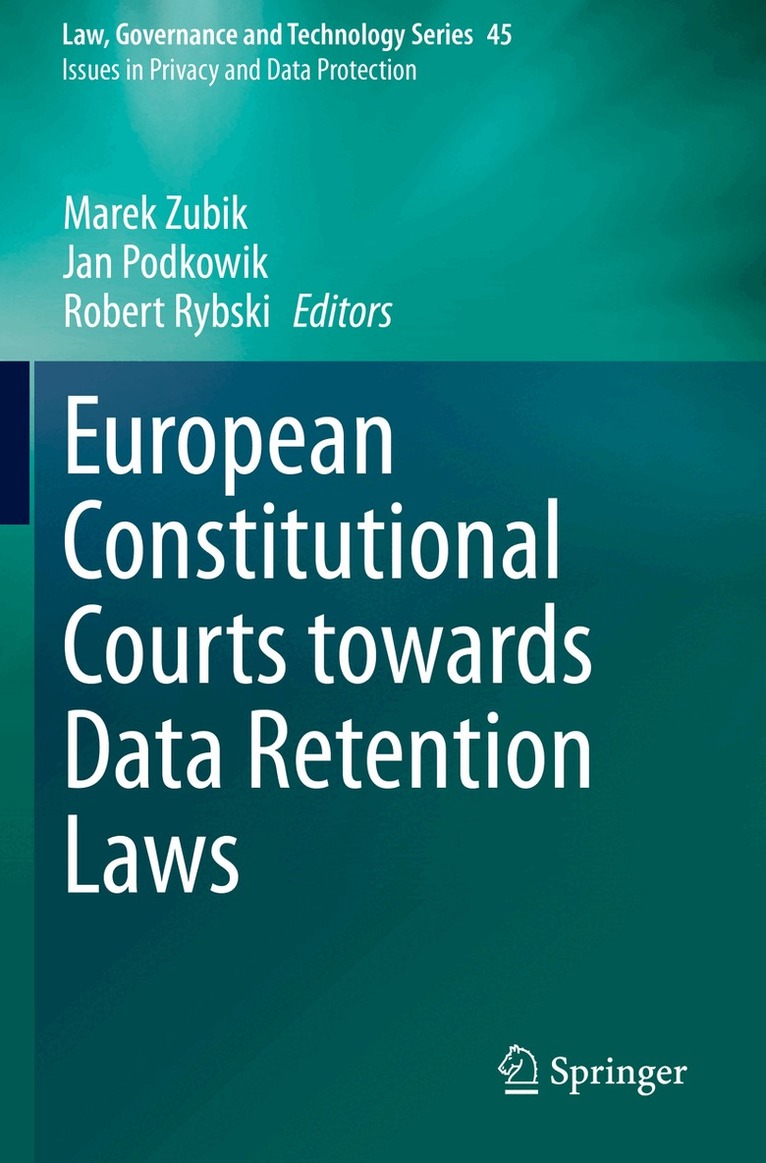
European Constitutional Courts towards Data Retention Laws
Häftad, Engelska, 2021
1 462 kr
Skickas inom 10-15 vardagar
The book analyses the impact the jurisprudence of the constitutional courts of EU Member States and the Court of Justice of the European Union has had on the perception of freedom of communications in the digital era with respect to these courts’ judgments regarding regulating storage and access to telecommunications data (known as telecommunications data retention) from 2008 to 2017. To do so, it examines the jurisprudence of the constitutional courts of Austria, Bulgaria, Cyprus, Czech Republic, Ireland, Germany, Poland, Portugal, Romania, Slovenia, and Slovakia, i.e. those courts that have already ruled on domestic provisions regulating telecommunications data retention. Further, it investigates the judgments of the Court of Justice of European Union regarding directive 2006/24/EC regulating telecommunications data retention along with relevant jurisprudence of the European Court of Human Rights. As such, the book provides a comparative study of jurisprudence and national measures to implement the Data Retention Directive.Moreover, the book discusses whether our current understanding of protection of freedom of communications guaranteed by the constitutions of EU member states and the EU Charter of Fundamental Rights, which was developed in the era of analogue communications, remains accurate in the era of digital technologies and mass surveillance (simultaneously applied by states and private corporations). In this context, the book reconstructs constitutional standards that currently apply in the EU towards data retention.This book presents a unique comparative analysis of all judgments concerning Directive 2006/24/EC, which can be used in the legislative process on the EU forum aimed at introducing new principles of data retention and by constitutional courts in the context of comparative argumentation.