
Roberta Duyff – författare
Visar alla böcker från författaren . Handla med fri frakt och snabb leverans.
2 produkter
2 produkter
E-bok
Engelska, 2017200 kr
Läs direkt efter köp
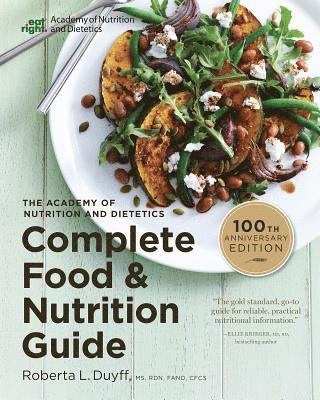
The newest edition of the most trusted nutrition bible. Since its first, highly successful edition in 1996, The Academy of Nutrition and Dietetics Complete Food and Nutrition Guide has continually served as the gold-standard resource for advice on healthy eating and active living at every age and stage of life. At once accessible and authoritative, the guide effectively balances a practical focus with the latest scientific information, serving the needs of consumers and health professionals alike. Opting for flexibility over rigid dos and don’ts, it allows readers to personalize their own paths to healthier living through simple strategies. This newly updated Fifth Edition addresses the most current dietary guidelines, consumer concerns, public health needs, and marketplace and lifestyle trends in sections covering Choices for Wellness; Food from Farm to Fork; Know Your Nutrients; Food for Every Age and Stage of Life; and Smart Eating to Prevent and Manage Health Issues.
Häftad, Engelska, 2025
995 kr
Skickas inom 5-8 vardagar
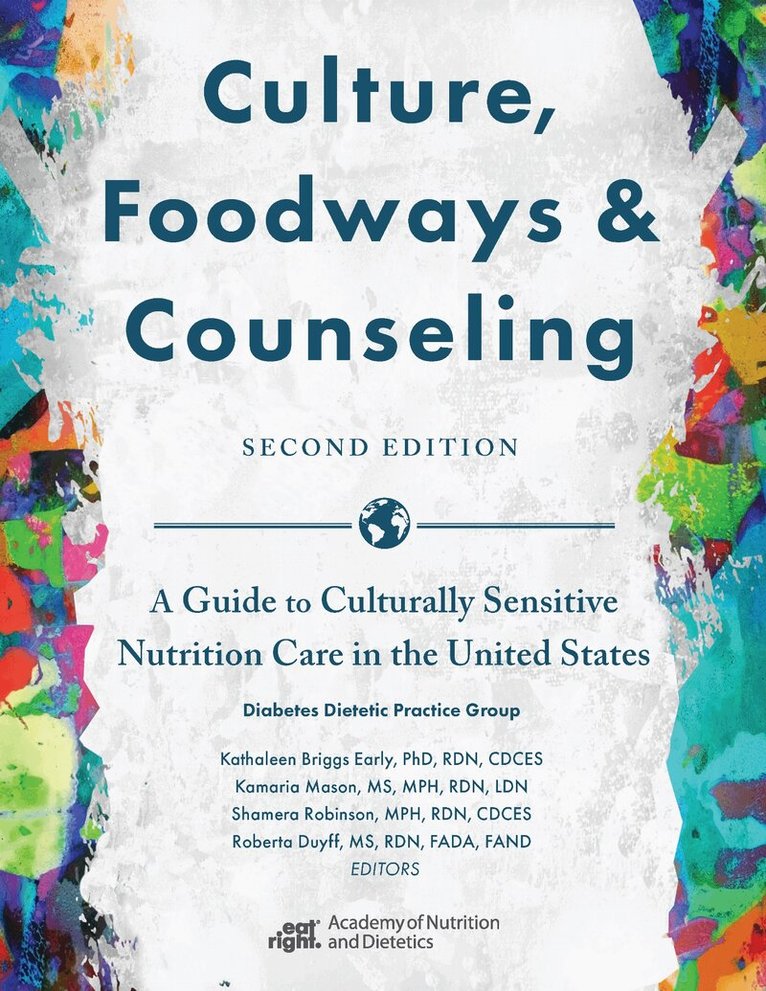
Culture, Foodways and Counseling: A Guide to Culturally Sensitive Nutrition Care in the United States (second edition to Cultural Food Practices) is authentically written and reviewed by nutrition professionals who share knowledge, insights, and counseling guidance from their own culture or religious practices. This edition addresses many of the cultures and faiths that comprise the United States' populace today, including indigenous and underrepresented populations with a long history in the US, more recent immigrant generations having roots in other parts of the world, and those who observe the beliefs and practices of one of the world's five major religions.Culture, Foodways and Counseling is designed as a resource for anyone who works with diverse populations on issues concerning food, culture, eating behavior, and health. It has been updated and enhanced to help readers apply principles of inclusion, diversity, equity, and access to nutrition and health counseling and care. This edition is organized and realigned as follows:The opening chapter introduces important culture-focused concepts, including the explicit and implicit factors that comprise culture and that impact food and health behaviors. It also addresses the challenges—and proposes practical actions—for providing culturally inclusive nutrition care.A new counseling chapter focuses on application. It addresses ways to build personal cultural knowledge and humility; to overcome unconscious cultural barriers to effective counseling; to adopt culturally sensitive communication practices; and to use culturally inclusive strategies and considerations in nutrition counseling and care.Section Openers present regional country/cultural overviews, including geography, natural environment and resources, ethnic and religious diversity, historical perspectives and influences, and present day and diaspora descriptions in the US today. A list of additional resources for the section is also included.Now expanded and updated, culture/country chapters from the first edition include: American Indians; Alaska Natives; African Americans; Mexican Americans; Central Americans; South Americans; Caribbean Hispanic Americans; Asian Indian Americans; Pakistani Americans; Chinese Americans; Hmong Americans; Filipino Americans; and Korean Americans.New culture/country chapters to this edition include: Caribbean Non-Hispanic Americans; East Africa: Kenyan Americans, East Africa: Ethiopian Americans, West Africa: Nigerian and Ghanian Americans; Arab Americans; Thai Americans; Vietnamese, Laos, and Cambodian Americans; Japanese Americans; and Pacific Island Americans.Chapters on Islam and Jewish beliefs and food practices have been expanded. New chapters cover Buddhist, Christian, and Hindu beliefs and their food practices.Each chapter provides culture- or religion-specific counseling strategies and considerations, meant to help nutrition professionals better understand and respect the culture and faith practices of these cultures—and to support culturally sensitive nutrition care and counseling.