Roger D. Smith – författare
Visar alla böcker från författaren Roger D. Smith. Handla med fri frakt och snabb leverans.
30 produkter
In the Footsteps of Franklin: Advice on Living an Exemplary Life, Building a Successful Business, and Leaving a Permanent Legacy
Häftad, 2009
210 kr
Lägg i varukorg
Becoming the Millionaire Employee
How to Become Rich While Working for a Paycheck
Häftad, 2009
166 kr
Lägg i varukorg
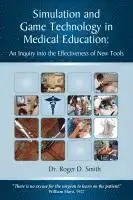
Simulation and Game Technology in Medical Education: An Inquiry Into the Effectiveness of New Tools
Häftad, 2009
390 kr
Lägg i varukorg
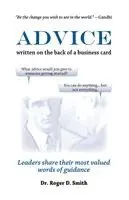
Advice Written on the Back of a Business Card: Leadership Share Their Most Valued Words of Guidance
Häftad, 2009
285 kr
Lägg i varukorg
Chief Technology Officer: Defining the Responsibilities of the Senior Technical Executive
Häftad, 2009
2,0 utav 5 stjärnor. Totalt antal röster: (1)
360 kr
Lägg i varukorg
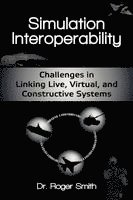
Simulation Interoperability: Challenges in Linking Live, Virtual, and Constructive Systems
Häftad, 2009
264 kr
Lägg i varukorg
Military Simulation & Serious Games
Where We Came from and Where We Are Going
Häftad, 2009
371 kr
Lägg i varukorg
Patterns of Strength!
New Habits of Personality, Intelligence, and Relationships
Häftad, 2009
264 kr
Lägg i varukorg
Texts 2 Teens: Sending the advice and wisdom that they desperately need
Häftad, 2010
209 kr
Lägg i varukorg
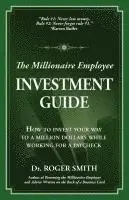
The Millionaire Employee Investment Guide: How to invest your way to a million dollars while working for a paycheck
Häftad, 2010
276 kr
Lägg i varukorg
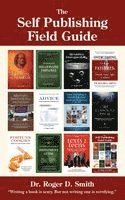
The Self Publishing Field Guide: A step-by-step guide to publishing and distributing your book
Häftad, 2010
234 kr
Lägg i varukorg
Military Simulation & Serious Games: Where We Came From and Where We Are Going
Inbunden, 2009
777 kr
Lägg i varukorg
ProBookmark for Bible Study: Capturing your study of the Bible for a lifetime
Häftad, 2011
203 kr
Lägg i varukorg
Night Mind: A Dream Journal for Capturing the Wisdom of Your Sleeping Mind
Häftad, 2012
198 kr
Lägg i varukorg
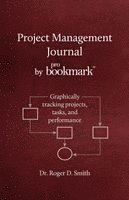
Project Management Journal by ProBookmark: Graphically tracking projects, tasks, and performance
Häftad, 2012
209 kr
Lägg i varukorg
Japan's International Fisheries Policy
Law, Diplomacy and Politics Governing Resource Security
Häftad, 2017
756 kr
Lägg i varukorg
Few nations rely upon the ocean as much as Japan for livelihood, culture and transport. The seas have long played a vital role for the Japanese, helping to support the economic and social life of a nation that possesses few resources and little arable land, and sustain a population that has nearly …
Japan's International Fisheries Policy
Law, Diplomacy and Politics Governing Resource Security
Inbunden, 2014
2309 kr
Lägg i varukorg
Few nations rely upon the ocean as much as Japan for livelihood, culture and transport. The seas have long played a vital role for the Japanese, helping to support the economic and social life of a nation that possesses few resources and little arable land, and sustain a population that has nearly …
Japan's International Fisheries Policy
Law, Diplomacy and Politics Governing Resource Security
E-bok, 2014
892 kr
Lägg i varukorg
Few nations rely upon the ocean as much as Japan for livelihood, culture and transport. The seas have long played a vital role for the Japanese, helping to support the economic and social life of a nation that possesses few resources and little arable land, and sustain a population that has nearly …
Japan's International Fisheries Policy
Law, Diplomacy and Politics Governing Resource Security
E-bok, 2014
892 kr
Lägg i varukorg
Few nations rely upon the ocean as much as Japan for livelihood, culture and transport. The seas have long played a vital role for the Japanese, helping to support the economic and social life of a nation that possesses few resources and little arable land, and sustain a population that has nearly …
Becoming the Millionaire Government Employee: How to Become Rich While Working for the Government
Häftad, 2012
254 kr
Lägg i varukorg
The New Blueprint for Fitness: 10 Power Habits for Transforming Your Body
Häftad, 2012
254 kr
Lägg i varukorg
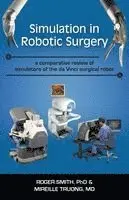
Simulation in Robotic Surgery: A Comparative Review of Simulators of the Da Vinci Surgical Robot
Av Roger D. Smith, Mireille Truong
Häftad, 2013
204 kr
Lägg i varukorg
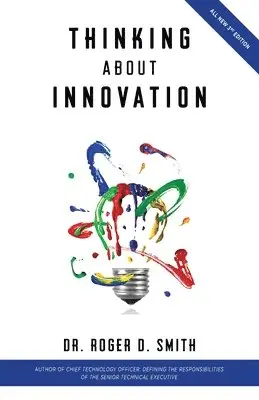
Thinking About Innovation: How Coffee, Libraries, Western Movies, Modern Art, and AI Changed the World of Business
Häftad, 2019
373 kr
Lägg i varukorg
Becoming the Millionaire Employee
How to Become Rich While Working for a Paycheck
Inbunden, 2024
272 kr
Lägg i varukorg