Ronnie Pontiac – författare
Visar alla böcker från författaren Ronnie Pontiac. Handla med fri frakt och snabb leverans.
7 produkter
7 produkter
Häftad, Engelska, 2023
305 kr
Skickas
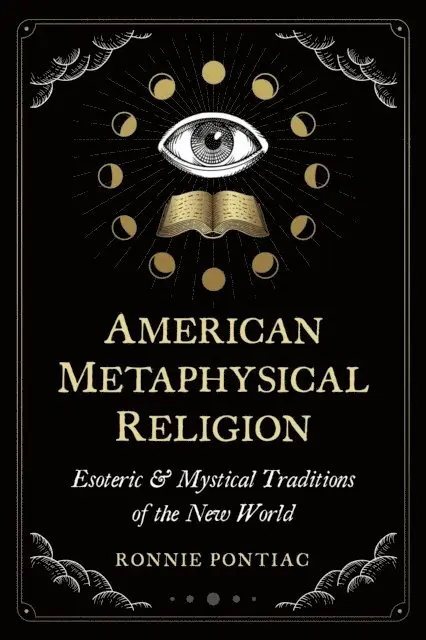
Most Americans believe the United States was founded by pious Christians. However, as Ronnie Pontiac reveals, from the very beginning America was a vibrant blend of beliefs from all four corners of the world.Based on the latest research, with the assistance of leading scholars, this in-depth exploration of four centuries of American occult and spiritual history looks at everything from colonial-era alchemists, astrologers, and early spiritual collectives to Edgar Cayce, the Hermetic Brotherhood of Luxor, and St. Germain on Mount Shasta. Pontiac shows that Rosicrucians were among the first settlers from England and explores how young women of the Shaker community fell into trances and gave messages from the dead. He details the spiritual influence of African slaves, the work of mystical abolitionists, and how Native Americans and Latinx people played a large role in the shaping of contemporary spirituality and healing practices.The author looks at well-known figures such as Manly P. Hall and lesser known esoteric luminaries such as the Pagan Pilgrim, Tom Morton. He examines the Aquarian Gospel, the Sekhmet Revival, A Course in Miracles, the School of Ageless Wisdom, and mediumship in the early 20th century. He explores the profound influence of the Bodhi Tree Bookstore in Los Angeles and looks at the evolution of female roles in spirituality across the centuries. He also examines the right wing of American metaphysics from the Silver Legion to QAnon.Revealing the diverse streams that run through America’s metaphysical landscape, Pontiac offers an encyclopedic examination of occult teachers, esotericists, and spiritual collectives almost no one has heard of, but who were profoundly influential.
212 kr
Läs direkt efter köp
An in-depth exploration of four centuries of American occult and spiritual history, from colonial-era alchemists to 20th-century teachers• Details how, from the very beginning, America was a vibrant blend of beliefs from all four corners of the world• Looks at well-known figures such as Manly P. Hall and offers riveting portraits of many lesser known esoteric luminaries such as the Pagan Pilgrim, Tom Morton• Reveals the Rosicrucians among the first settlers from England, the spiritual influence of enslaved people, the work of mystical abolitionists, and how Native Americans and Latinx people helped shape contemporary spiritualityMost Americans believe the United States was founded by pious Christians. However, as Ronnie Pontiac reveals, from the very beginning America was a vibrant blend of beliefs from all four corners of the world. Based on the latest research, with the assistance of leading scholars, this in-depth exploration of four centuries of American occult and spiritual history looks at everything from colonial-era alchemists, astrologers, and early spiritual collectives to Edgar Cayce, the Hermetic Brotherhood of Luxor, and St. Germain on Mount Shasta. Pontiac shows that Rosicrucians were among the first settlers from England and explores how young women of the Shaker community fell into trances and gave messages from the dead. He details the spiritual influence of the African diaspora, the work of mystical abolitionists, and how Indigenous groups and Latinx people played a large role in the shaping of contemporary spirituality and healing practices. The author looks at well-known figures such as Manly P. Hall and lesser known esoteric luminaries such as the Pagan Pilgrim, Tom Morton. He examines the Aquarian Gospel, the Sekhmet Revival, A Course in Miracles, the School of Ageless Wisdom, and mediumship in the early 20th century. He explores the profound influence of the Bodhi Tree Bookstore in Los Angeles and looks at the evolution of female roles in spirituality across the centuries. He also examines the right wing of American metaphysics from the Silver Legion to QAnon. Revealing the diverse streams that run through America’s metaphysical landscape, Pontiac offers an encyclopedic examination of occult teachers, esotericists, and spiritual collectives almost no one has heard of but who were profoundly influential.
Häftad, Engelska, 2023
227 kr
Skickas
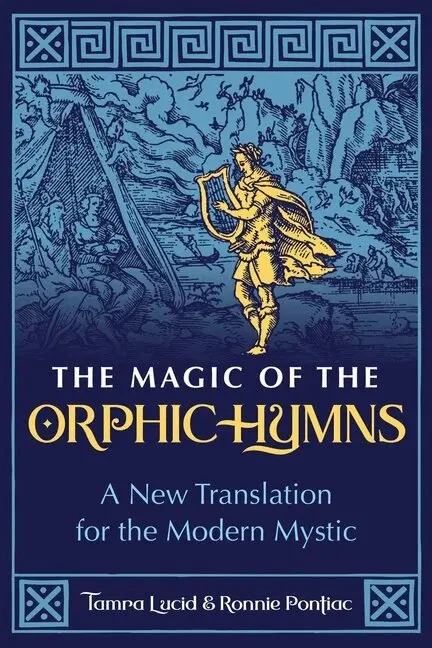
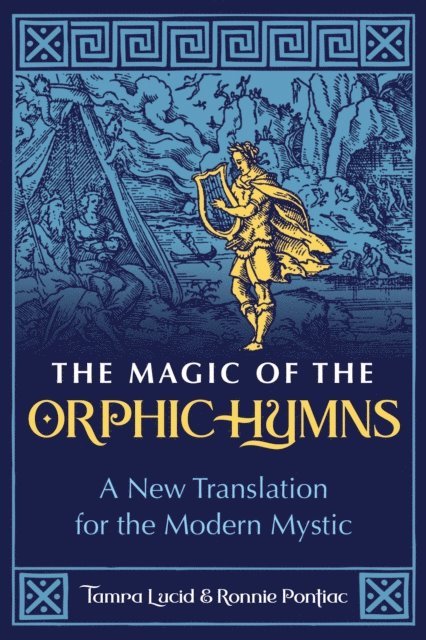
Recaptures the magical vitality of the original Orphic Hymns.As famous Renaissance philosopher Marsilio Ficino wrote, “No magic is more powerful than that of the Orphic Hymns.” These legendary teletai of Orpheus were not simply “hymns”—they were initiatic poems for meditation and ritual, magical, and ceremonial use, each one addressed to a specific deity, such as Athena or Zeus, or a virtue, such as Love, Justice, and Equality. Yet despite the mystical concepts underlying them, the original hymns were formulaic, creating an obstacle for translators.Recapturing the magical vitality that inspired mystery cults through the ages, Tamra Lucid and Ronnie Pontiac present new versions of the teletai that include important esoteric details and correspondences about the being or deity to which each hymn is addressed. The authors also include a new version of a lost hymn to Number and messages that were inscribed on golden leaves meant to be passports for the dead, reinventions that preserve the original magical intent and mysticism of the teletai. The authors provide a complete historical survey, based on the latest research, of the obscure origins and evolution of the Orpheus myth, revealing a profound influence at the heart of Western esotericism as well as on countercultures throughout Western history. Revealing the power of the individual hymns to attune the reader to the sacred presence of the Orphic Mysteries and the higher order of nature, the authors also show how, taken together, the Orphic Hymns are a book of hours or a calendar of life, addressing every event, from birth to death, and walking us through all the experiences of human existence as necessary and holy.
E-bok
Engelska, 2023156 kr
Läs direkt efter köp
Recaptures the magical vitality of the original Orphic Hymns• Presents literary translations of the teletai that restore important esoteric details and correspondences about the being or deity to which each hymn is addressed• Includes messages inscribed on golden leaves meant to be passports for the dead as well as a reinvention of a lost hymn to Number that preserves the original mystical intent of the teletai• Explores the obscure origins and the evolution of the Orpheus myth, revealing a profound influence on countercultures throughout Western historyAs famous Renaissance philosopher Marsilio Ficino wrote, “No magic is more powerful than that of the Orphic Hymns.” These legendary teletai of Orpheus were not simply “hymns”—they were initiatic poems for meditation and ritual, magical, and ceremonial use, each one addressed to a specific deity, such as Athena or Zeus, or a virtue, such as Love, Justice, and Equality. Yet despite the mystical concepts underlying them, the original hymns were formulaic, creating an obstacle for translators. Recapturing the magical vitality that inspired mystery cults through the ages, Tamra Lucid and Ronnie Pontiac present new versions of the teletai that include important esoteric details and correspondences about the being or deity to which each hymn is addressed. The authors also include a new version of a lost hymn called “Number” and messages that were inscribed on golden leaves meant to be passports for the dead, reinventions that preserve the original magical intent and mysticism of the teletai. Revealing the power of the individual hymns to attune the reader to the sacred presence of the Orphic Mysteries and the higher order of nature, the authors also show how, taken together, the Orphic Hymns are a book of hours or a calendar of life, addressing every event, from birth to death, and walking us through all the experiences of human existence as necessary and holy.
Häftad, Engelska, 2026
215 kr
Skickas inom 5-8 vardagar
Häftad, Engelska, 2026
213 kr
Skickas
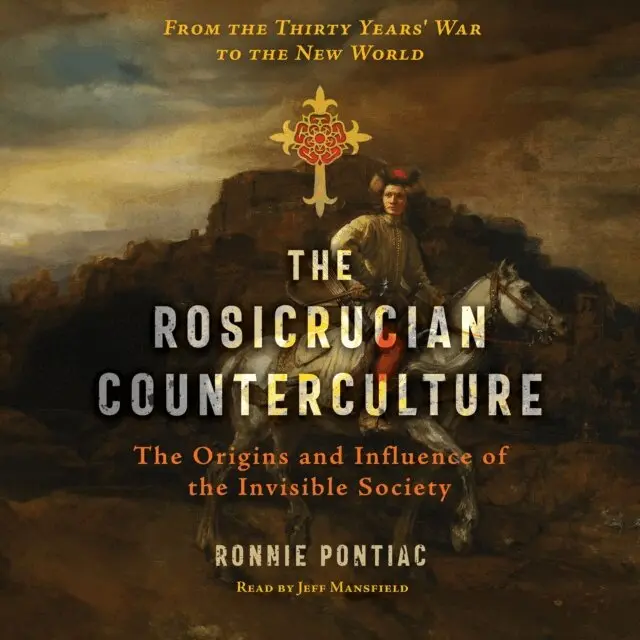
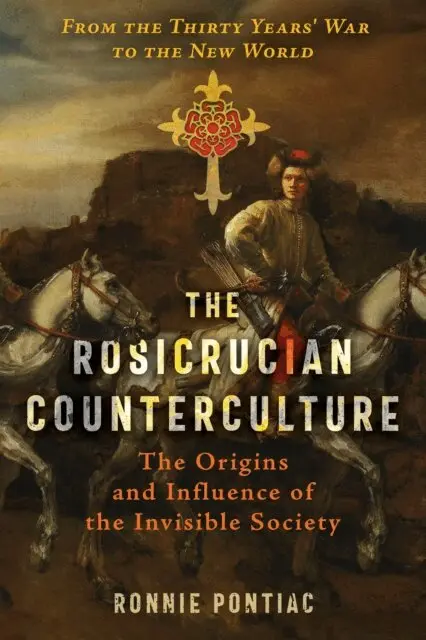
A cultural exploration of the esoteric movement and its historical impact and legacy• Examines the Rosicrucian involvement of figures like Rene Descartes, Robert Fludd, John Dee, Elias Ashmole, and the alchemist pirate Prince Rupert of the Rhine• Traces the saga of Rudolf II, Holy Roman Emperor, and his countercultural successors Frederick and Elizabeth, who triggered the Thirty Years’ War• Shows how Rosicrucianism inspired the English Revolution and explores the Rosicrucianism of John Winthrop the Younger, Connecticut’s founderSince the appearance of Rosicrucian manuscripts in 17th-century Germany, historians have questioned the authorship, intent, and significance of this esoteric movement. In this book, Ronnie Pontiac shows how Rosicrucianism’s underground influence in the early-modern period continues to the present, providing the important historical context of this invisible society.Pontiac looks at the esoteric culture around Holy Roman Emperor Rudolf II and his court, including figures like John Dee, Tycho Brahe, and Rabbi Loew, the legendary creator of the Golem of Prague. Despite occultists’ fascination with Rudolf ’s successors, Frederick and Elizabeth, at the start of the Thirty Years’ War—and Rosicrucian efforts to make Frederick the first Protestant Holy Roman Emperor—the esoteric renaissance in Bohemia was short-lived. However, this wasn’t the end of Rosicrucianism.Pontiac explores the movement’s impact on Oliver Cromwell and the English Revolution as well as individuals such as Robert Fludd, René Descartes, Elias Ashmole, Moritz the Learned, Paracelsus, and William Shakespeare. He then details the movement’s arrival in the New World, including the Rosicrucian activities of Connecticut’s alchemist governor, John Winthrop the Younger. Looking to the present, Pontiac shows how both pop culture and the modern psychedelic counterculture are informed by Rosicrucian ideas, showing the enduring legacy of this esoteric movement.
E-bok
Engelska, 2025142 kr
Läs direkt efter köp
Examines the Rosicrucian involvement of figures like Rene Descartes, Robert Fludd, John Dee, Elias Ashmole, and the alchemist pirate Prince Rupert of the Rhine Traces the saga of Rudolf II, Holy Roman Emperor, and his countercultural successors Frederick and Elizabeth, who triggered the Thirty Years War Shows how Rosicrucianism inspired the English Revolution and explores the Rosicrucianism of John Winthrop the Younger, Connecticuts founderSince the appearance of Rosicrucian manuscripts in 17th-century Germany, historians have questioned the authorship, intent, and significance of this esoteric movement. In this book, Ronnie Pontiac shows how Rosicrucianisms underground influence in the early-modern period continues to the present, providing the important historical context of this invisible society.Pontiac looks at the esoteric culture around Holy Roman Emperor Rudolf II and his court, including figures like John Dee, Tycho Brahe, and Rabbi Loew, the legendary creator of the Golem of Prague. Despite occultists fascination with Rudolf s successors, Frederick and Elizabeth, at the start of the Thirty Years Warand Rosicrucian efforts to make Frederick the first Protestant Holy Roman Emperorthe esoteric renaissance in Bohemia was short-lived. However, this wasnt the end of Rosicrucianism.Pontiac explores the movements impact on Oliver Cromwell and the English Revolution as well as individuals such as Robert Fludd, Ren Descartes, Elias Ashmole, Moritz the Learned, Paracelsus, and William Shakespeare. He then details the movements arrival in the New World, including the Rosicrucian activities of Connecticuts alchemist governor, John Winthrop the Younger. Looking to the present, Pontiac shows how both pop culture and the modern psychedelic counterculture are informed by Rosicrucian ideas, showing the enduring legacy of this esoteric movement.