Rowan Lubbock – författare
Visar alla böcker från författaren Rowan Lubbock. Handla med fri frakt och snabb leverans.
4 produkter
4 produkter
489 kr
Skickas inom 7-10 vardagar
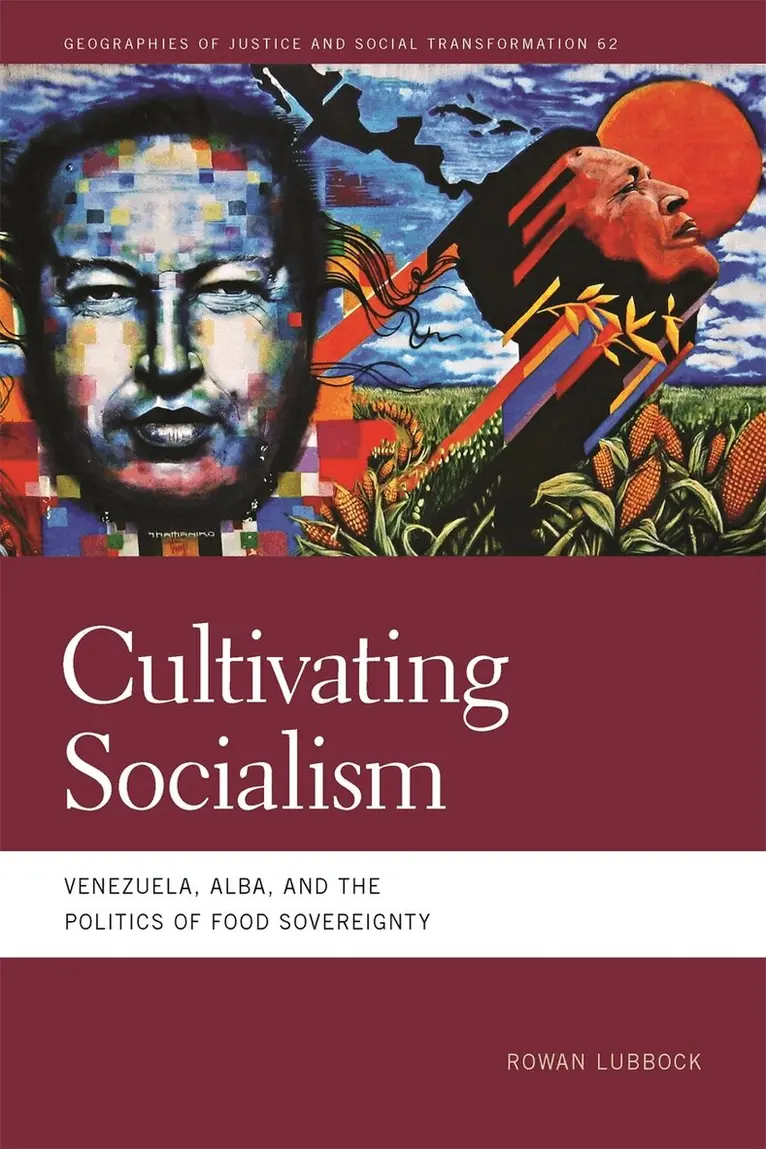
Launched in 2004, the Latin American regional institution of ALBA (Alianza Bolivariana para los Pueblos de Nuestra América: Bolivarian Alliance for the Peoples of Our America) sought to overcome the historical legacies of neocolonial domination by consecrating the values of cooperation, inclusive development, and popular power. As part of a region-wide effort among states and social movements to break out of the destructive effects of capitalist agriculture, the elevation of food sovereignty—based on the protection of rural livelihoods, land redistribution, and sustainable agricultural production (agroecology)—became a cornerstone of ALBA’s development policy. And yet, these regional aspirations barely saw the light of day, while Venezuela (the beating heart of ALBA) experienced the worst food crisis in its history. How did this come to pass? Based on extensive fieldwork in Venezuela, where the majority of ALBA’s food policies reside, Cultivating Socialism provides the first in-depth study of the ways in which peasants, workers, and states working through ALBA attempted to redress the inequities of commercial agriculture and the limits and contradictions encountered on the road to a regional food sovereignty regime. With his analysis of the politics of food sovereignty within ALBA, Rowan Lubbock offers important lessons about how we might think about emancipatory politics today and in the future.
2 040 kr
Skickas inom 3-6 vardagar
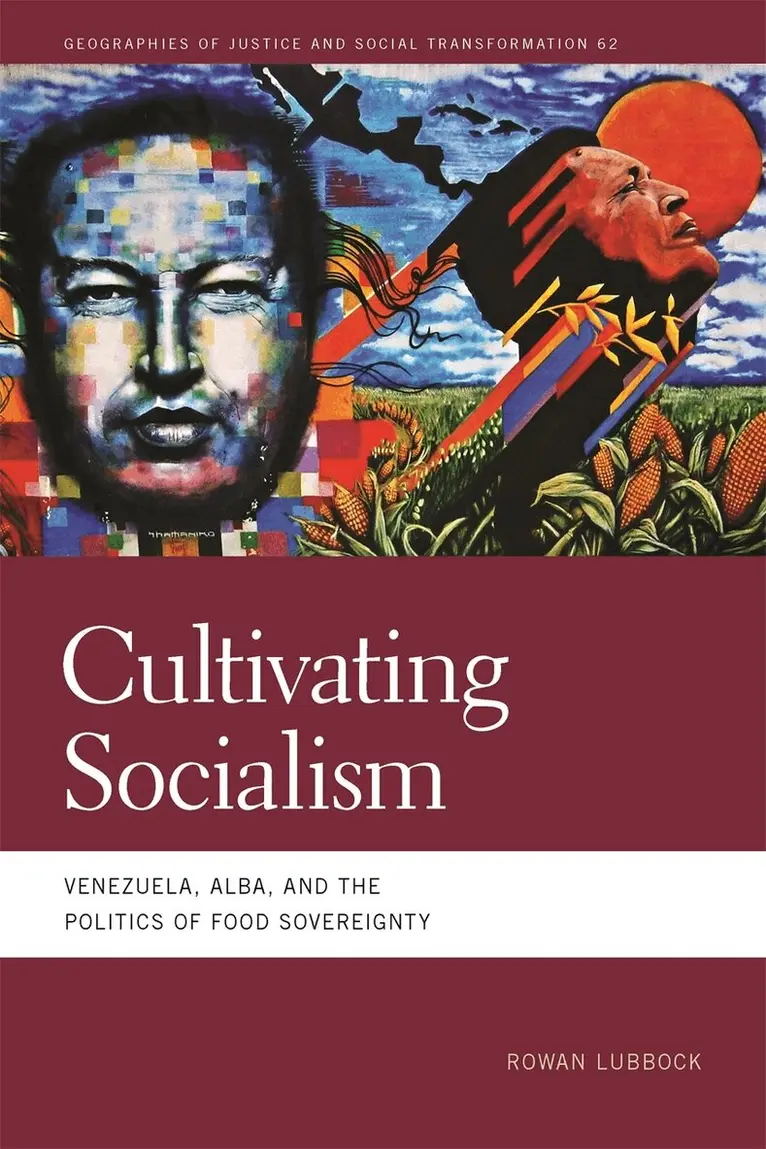
Launched in 2004, the Latin American regional institution of ALBA (Alianza Bolivariana para los Pueblos de Nuestra América: Bolivarian Alliance for the Peoples of Our America) sought to overcome the historical legacies of neocolonial domination by consecrating the values of cooperation, inclusive development, and popular power. As part of a region-wide effort among states and social movements to break out of the destructive effects of capitalist agriculture, the elevation of food sovereignty—based on the protection of rural livelihoods, land redistribution, and sustainable agricultural production (agroecology)—became a cornerstone of ALBA’s development policy. And yet, these regional aspirations barely saw the light of day, while Venezuela (the beating heart of ALBA) experienced the worst food crisis in its history. How did this come to pass? Based on extensive fieldwork in Venezuela, where the majority of ALBA’s food policies reside, Cultivating Socialism provides the first in-depth study of the ways in which peasants, workers, and states working through ALBA attempted to redress the inequities of commercial agriculture and the limits and contradictions encountered on the road to a regional food sovereignty regime. With his analysis of the politics of food sovereignty within ALBA, Rowan Lubbock offers important lessons about how we might think about emancipatory politics today and in the future.
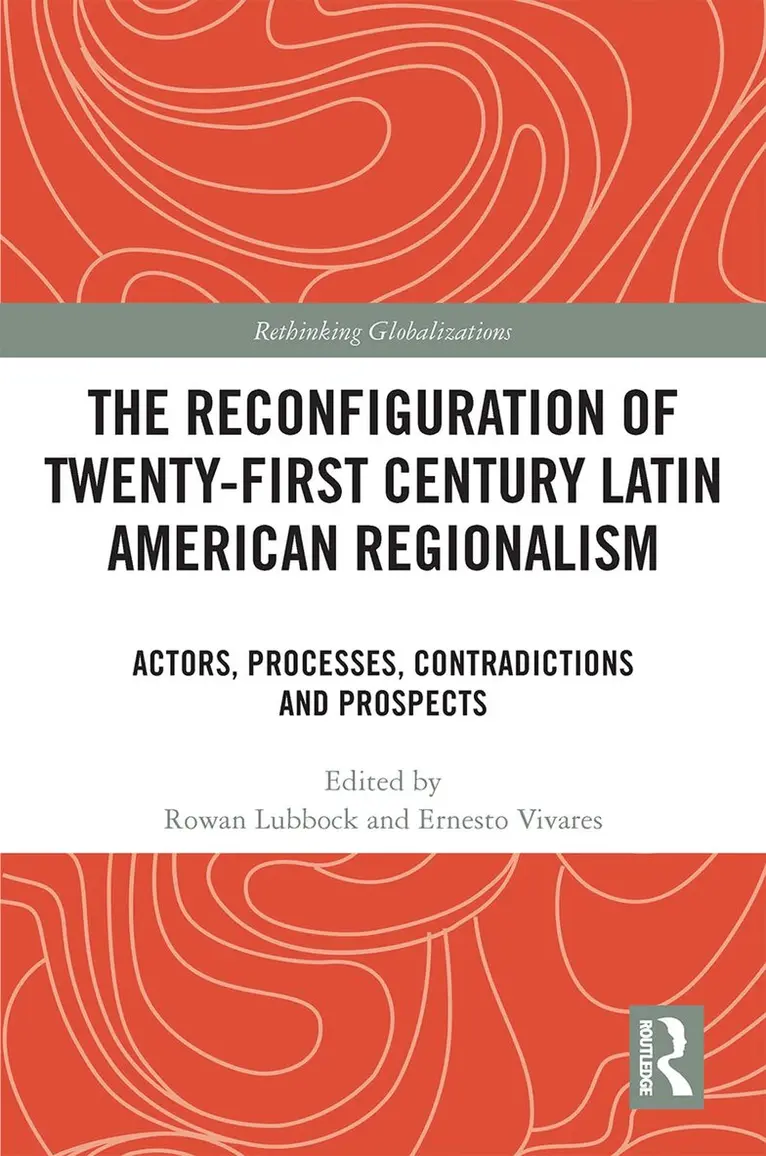
Reconfiguration of Twenty-first Century Latin American Regionalism
Actors, Processes, Contradictions and Prospects
Inbunden, Engelska, 2022
1 909 kr
Skickas inom 10-15 vardagar
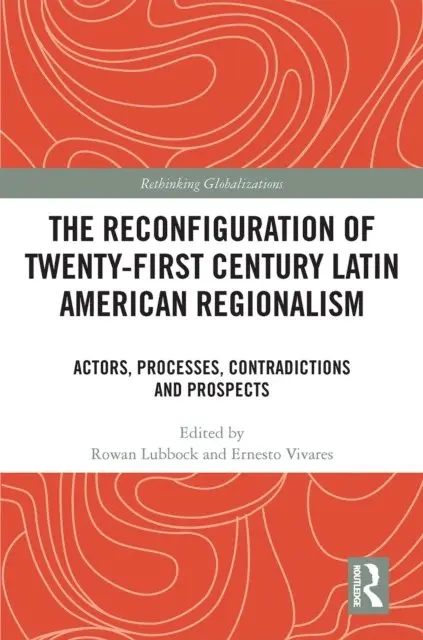
This cutting-edge volume brings together a diverse roster of scholars to shed light on the reconfiguration of twenty-first century Latin American regionalism. Reflecting on both the multiplicity of regional integration across Latin America (LA) and the theoretically pluralist turn in contemporary scholarship on LA politics and International Relations, this edited volume proposes an ‘integrative pluralist’ methodology to deciphering the complexity of regionalisation projects, from both above and below.The book charts the contemporary evolution of older regionalisation schemes, such as the Common Market of the South (MERCOSUR), as well as more recent twenty-first century regional innovations, including the Bolivarian Alliance for the Peoples of Our America-Peoples Trade Treaty (ALBA-TCP), Pacific Alliance (AP), and the Union of South American Nations (UNASUR). Complementing this more traditional institutional perspective, the book also charts the underexplored dynamics of regionalism from below, in the context of region-wide networks of political organisation among indigenous and peasant movements. Set against the backdrop of a more critical reading of the historical origins of regionalism, this volume aims to contribute to the ever-growing conversation among scholars within and beyond Latin America on the actors, processes, contradictions, and prospects for regional cooperation.In offering a more holistic perspective on Latin American regionalism from above and below, this volume will be of interest to both newcomers to the field and more seasoned scholars working within/across disciplinary boundaries, from International Relations and International Political Economy to Historical Sociology and Institutionalism. The chapters in this book were originally published as a special issue of Globalizations.
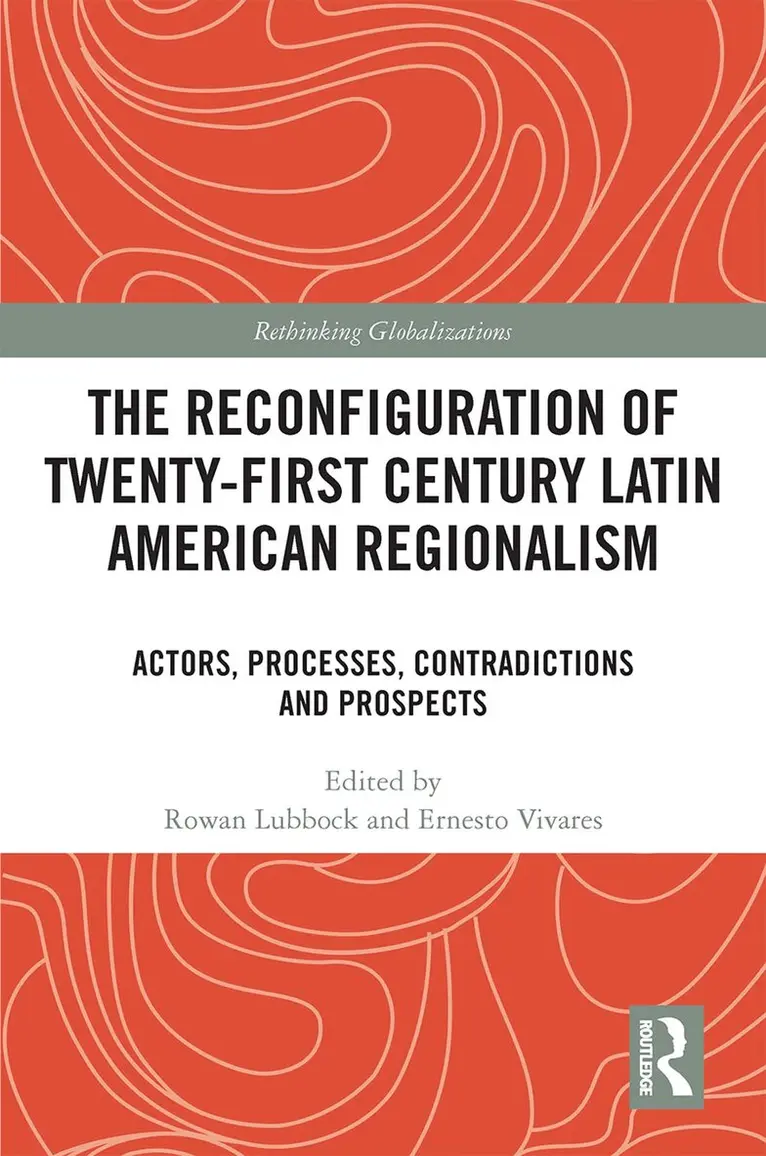
Reconfiguration of Twenty-first Century Latin American Regionalism
Actors, Processes, Contradictions and Prospects
Häftad, Engelska, 2024
578 kr
Skickas inom 10-15 vardagar
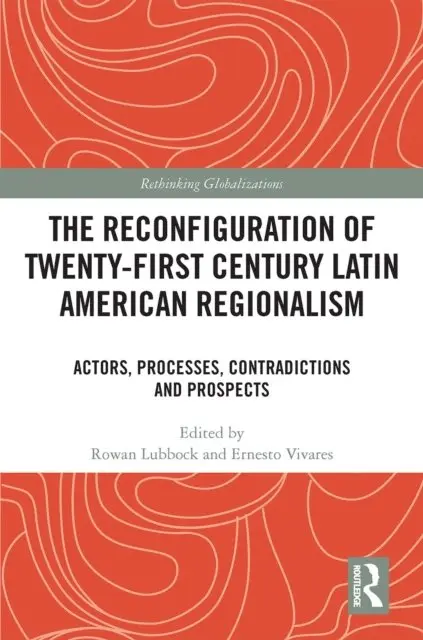
This cutting-edge volume brings together a diverse roster of scholars to shed light on the reconfiguration of twenty-first century Latin American regionalism. Reflecting on both the multiplicity of regional integration across Latin America (LA) and the theoretically pluralist turn in contemporary scholarship on LA politics and International Relations, this edited volume proposes an ‘integrative pluralist’ methodology to deciphering the complexity of regionalisation projects, from both above and below.The book charts the contemporary evolution of older regionalisation schemes, such as the Common Market of the South (MERCOSUR), as well as more recent twenty-first century regional innovations, including the Bolivarian Alliance for the Peoples of Our America-Peoples Trade Treaty (ALBA-TCP), Pacific Alliance (AP), and the Union of South American Nations (UNASUR). Complementing this more traditional institutional perspective, the book also charts the underexplored dynamics of regionalism from below, in the context of region-wide networks of political organisation among indigenous and peasant movements. Set against the backdrop of a more critical reading of the historical origins of regionalism, this volume aims to contribute to the ever-growing conversation among scholars within and beyond Latin America on the actors, processes, contradictions, and prospects for regional cooperation.In offering a more holistic perspective on Latin American regionalism from above and below, this volume will be of interest to both newcomers to the field and more seasoned scholars working within/across disciplinary boundaries, from International Relations and International Political Economy to Historical Sociology and Institutionalism. The chapters in this book were originally published as a special issue of Globalizations.