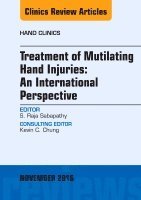
Mutilated hand injuries are one of the most challenging reconstruction problems than can confront hand surgeons. This issue will cover outcome and functional measurement in mutilating hand injuries; skin coverage considerations in a mutilating hand injury; reconstruction of major degloving injuries of the hand; challenges posed by delayed presentation of mutilating hand injuries; and many more articles surrounding this topic.
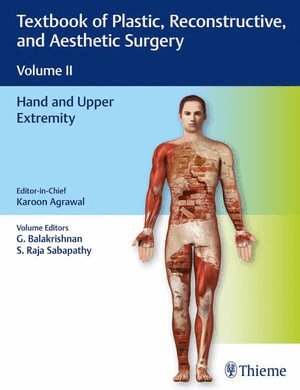
Textbook of Plastic, Reconstructive, and Aesthetic Surgery is a comprehensive and illustrated work for students, teachers, and practicing surgeons.It is a six-volume set with the topics of the volumes based on the clinical needs of plastic surgeons in developing countries. Along with latest developments, these volumes incorporate landmark contributions, innovations, and techniques used by Indian clinicians who regularly deal with unique and complicated conditions. While a majority of authors have been chosen from the Indian subcontinent, a few international authors whose work is considered indispensable for understanding the subject have also been included.The six volumes seek to incorporate in one work issues relevant to the developing world as well as insights from national and international plastic surgery practices which highlight newer management techniques along with traditional methods. This makes these volumes a "must-have" resource for students and practitioners of plastic surgery across the globe.This current volume, Hand and Upper Extremity, offers a detailed explanation of various reconstruction procedures of the hand and upper extremity. It is divided into two sections. The first section describes the basics of hand surgery, imaging, congenital hand differences, degenerative conditions, and tumors of the hand. Interesting topics, such as arthroscopy and Dupuytren's contracture find a special mention in this section and are discussed in detail. The management of the trauma of hand and the upper extremity has been discussed in the second section. Thus, the chapters cover myriads of topics ranging from common fingertip injuries to complex microsurgical reconstructions and their rehabilitation, making the volume a must read for every plastic surgeon managing patients with hand and upper extremity problems, as well as for students and faculty members.Salient features: Comprehensive source of information on the basic principles of diagnosis and management techniques for majority of hand conditions.Balanced and prospective approach to the current clinical practices followed by plastic surgeons both in the developing and developed nations.Includes various chapters explaining the scientific fundamentals applicable to hand surgery, imaging techniques, and rehabilitation.
This book is a compilation of the remarkable journeys of 48 hand surgery pioneers from the Asian-Pacific region. They came from diverse backgrounds — one being the 21st generation doctor in the family to another being the first ever orthopaedic surgeon of a major university. While some pioneers delved deep in the lab to push the boundaries of surgical care, others strived to make high quality hand surgery available to the masses. However, what united them all was an unwavering commitment to their patients' well-being and a willingness to go above and beyond to attain their objectives.The International Federation of Societies for Surgery of the Hand (IFSSH) celebrates the spirit of enthusiasm, sacrifice and commitment to the cause of hand surgery by recognising these pioneers during the triennial IFSSH congress. Each biographical article in this anthology was written by someone who has closely known or collaborated with the featured pioneer. Each of these trailblazers has a story that will stir emotions and inspire others. We believe it's important to share these narratives to motivate the younger generation. By doing so, we hope to inspire them to follow in their footsteps, provide exceptional care to their patients and collectively create a better world to live in.
Mutilated hand injuries are one of the most challenging reconstruction problems than can confront hand surgeons. This issue will cover outcome and functional measurement in mutilating hand injuries; skin coverage considerations in a mutilating hand injury; reconstruction of major degloving injuries of the hand; challenges posed by delayed presentation of mutilating hand injuries; and many more articles surrounding this topic.
Textbook of Plastic, Reconstructive, and Aesthetic Surgery is a comprehensive and illustrated work for students, teachers, and practicing surgeons.It is a six-volume set with the topics of the volumes based on the clinical needs of plastic surgeons in developing countries. Along with latest developments, these volumes incorporate landmark contributions, innovations, and techniques used by Indian clinicians who regularly deal with unique and complicated conditions. While a majority of authors have been chosen from the Indian subcontinent, a few international authors whose work is considered indispensable for understanding the subject have also been included.The six volumes seek to incorporate in one work issues relevant to the developing world as well as insights from national and international plastic surgery practices which highlight newer management techniques along with traditional methods. This makes these volumes a "must-have" resource for students and practitioners of plastic surgery across the globe.This current volume, Hand and Upper Extremity, offers a detailed explanation of various reconstruction procedures of the hand and upper extremity. It is divided into two sections. The first section describes the basics of hand surgery, imaging, congenital hand differences, degenerative conditions, and tumors of the hand. Interesting topics, such as arthroscopy and Dupuytren's contracture find a special mention in this section and are discussed in detail. The management of the trauma of hand and the upper extremity has been discussed in the second section. Thus, the chapters cover myriads of topics ranging from common fingertip injuries to complex microsurgical reconstructions and their rehabilitation, making the volume a must read for every plastic surgeon managing patients with hand and upper extremity problems, as well as for students and faculty members.Salient features: Comprehensive source of information on the basic principles of diagnosis and management techniques for majority of hand conditions.Balanced and prospective approach to the current clinical practices followed by plastic surgeons both in the developing and developed nations.Includes various chapters explaining the scientific fundamentals applicable to hand surgery, imaging techniques, and rehabilitation.
This book is a compilation of the remarkable journeys of 48 hand surgery pioneers from the Asian-Pacific region. They came from diverse backgrounds — one being the 21st generation doctor in the family to another being the first ever orthopaedic surgeon of a major university. While some pioneers delved deep in the lab to push the boundaries of surgical care, others strived to make high quality hand surgery available to the masses. However, what united them all was an unwavering commitment to their patients' well-being and a willingness to go above and beyond to attain their objectives.The International Federation of Societies for Surgery of the Hand (IFSSH) celebrates the spirit of enthusiasm, sacrifice and commitment to the cause of hand surgery by recognising these pioneers during the triennial IFSSH congress. Each biographical article in this anthology was written by someone who has closely known or collaborated with the featured pioneer. Each of these trailblazers has a story that will stir emotions and inspire others. We believe it's important to share these narratives to motivate the younger generation. By doing so, we hope to inspire them to follow in their footsteps, provide exceptional care to their patients and collectively create a better world to live in.