Sergio Neri – författare
Visar alla böcker från författaren Sergio Neri. Handla med fri frakt och snabb leverans.
3 produkter
3 produkter
E-bok
PDF, Tyska, 2025393 kr
Läs direkt efter köp
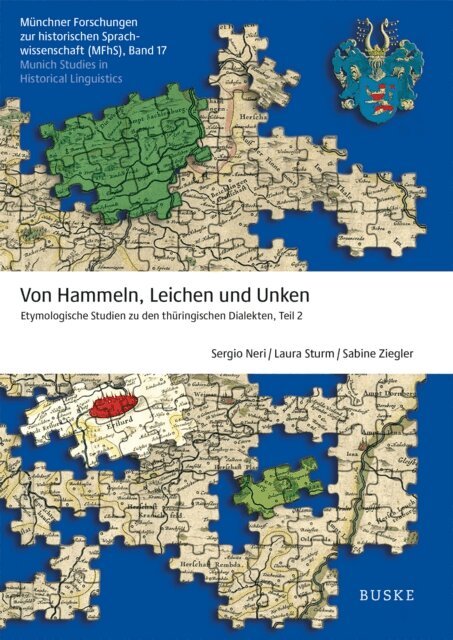
Dem Thuringischen kommt aufgrund seiner Lage im Herzen Deutschlands zwischen norddeutschen (niederdeutschen) und suddeutschen (hochdeutschen bzw. oberdeutschen) Mundarten als mitteldeutschem Dialekt eine zentrale Rolle zu. Es zeigt daruber hinaus Anteile vor allem suddeutscher, teilweise auch norddeutscher Regiolekte und gilt mit dem Kanzleisachsischen als wesentlicher Stifter der schriftdeutschen Hochsprache. Die drei Autoren untersuchen in dem vorliegenden Band die Herkunft, Grundbedeutung, Wort- und Sachgeschichte, die semantische, morphologische, gegebenenfalls auch syntaktische und phraseologische Entwicklung der thuringischen Dialekte ausgehend von der indogermanischen Sprache bis heute exemplarisch anhand ausgewahlter Worter aus dem Wortfeld Haus und Hof .
Del 11 - Brill's Studies in Indo-European Languages & Linguistics
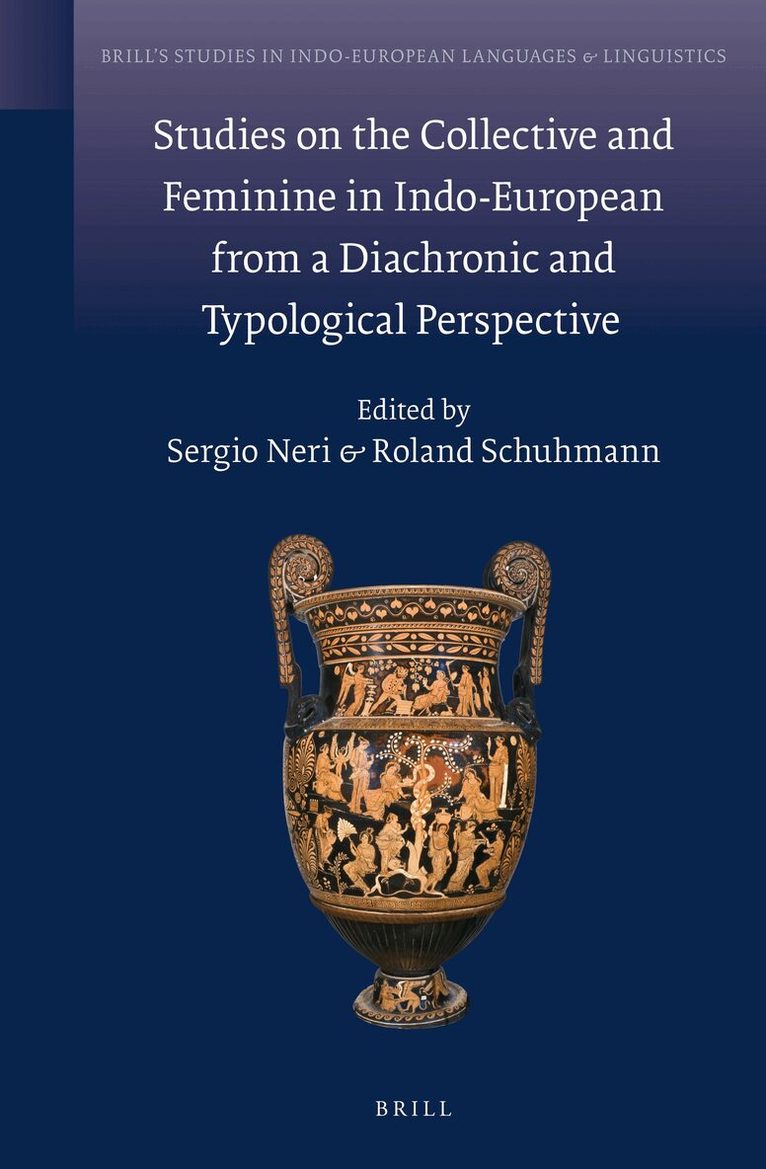
Studies on the Collective and Feminine in Indo-European from a Diachronic and Typological Perspective
Inbunden, Engelska, 2014
2 752 kr
Skickas inom 5-8 vardagar
This volume contains thirteen contributions on the origin of the feminine gender and its relation to the collective in the Indo-European parent language. The Indo-European daughter languages have got mostly a three-gender system, however the early attested Anatolian languages owned only two genders. In this respect, it is debatable whether the feminine gender is primary or arose secondarily from another morphological category. Due to special morphological and morphosyntactic phenomena it is also questionable whether the neuter plural of the individual languages continues an inflectional category or it was rather grammaticalized from an original word formation category collective. The authors suggest different approaches on the question of the relationship between feminine and collective.
E-bok
PDF, Engelska, 20142 852 kr
Läs direkt efter köp
This volume contains thirteen contributions on the origin of the feminine gender and its relation to the collective in the Indo-European parent language. The Indo-European daughter languages have got mostly a three-gender system, however the early attested Anatolian languages owned only two genders. In this respect, it is debatable whether the feminine gender is primary or arose secondarily from another morphological category. Due to special morphological and morphosyntactic phenomena it is also questionable whether the neuter plural of the individual languages continues an inflectional category or it was rather grammaticalized from an original word formation category collective. The authors suggest different approaches on the question of the relationship between feminine and collective.