Sharon Packer MD – författare
Visar alla böcker från författaren . Handla med fri frakt och snabb leverans.
12 produkter
12 produkter
Inbunden, Engelska, 2002
1 064 kr
Skickas inom 10-15 vardagar
Cinema—invented just before psychoanalysis formally developed—primed the public and scholars to rethink ideas about dreams. The author describes how surrealist artists purposely applied Freudian dream theories to their art to make the public aware of modern ideas about dreams. Most of our current cultural consciousness about the psychological value of dreams is traced to classical and contemporary cinema. This work examines how residuals of past approaches to dreams make conceptions of dreams in psychoanalysis and science more complex than ever today.Scholars and students in the fields of psychology, psychiatry, cinema, medicine, and religion may find this volume useful. The book also examines academic psychiatry's increased emphasis in dream study on neuropsychiatry and psychopharmocology, as well as managed care's decreased compensation for dream therapy.
Inbunden, Engelska, 2007
672 kr
Skickas inom 10-15 vardagar
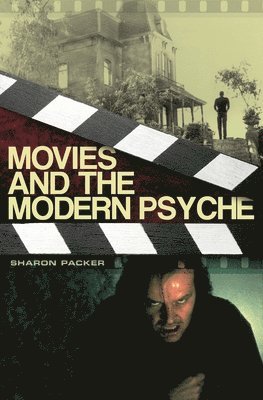
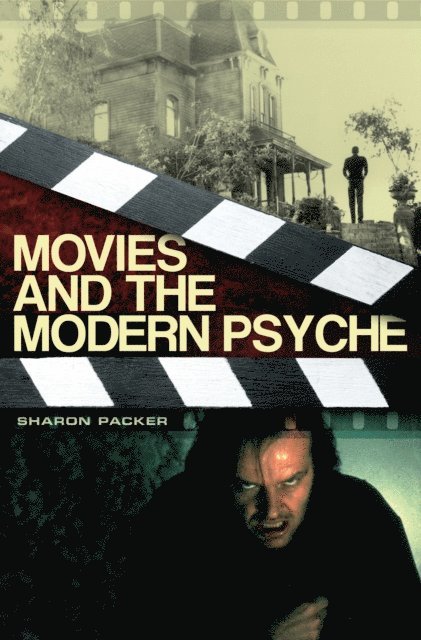
By looking at the interactions between cinema and psychology, Packer offers readers clear and basic insights into some of the most fundamental reasons why film is such an important influence upon our lives today. Movies and the Modern Psyche first describes the basic concepts of psychoanalysis, experimental psychology, behavioral conditioning, and hypnosis, which have all played major roles in the histories of both film and psychiatry. It then goes on to discuss the recent rise in film therapy, drug treatments, treatment for drug abuse, and the closing of asylums, to show how shifts in treatment techniques, theories, and settings are foreshadowed and fossilized by film.Psychology and cinema are kindred cousins, born at the same time and developing together, so that each influences the other. From the mind-controlling villains that occupy early horror films and Cold War thrillers (like Caligari, Mabuse, and The Ipcress File), to the asylums that house numberless political allegories and personal dramas (in Shock Corridor, Spellbound, One Flew over the Cuckoo's Nest, and Girl Interrupted), to the drugs, phobias, and disorders that pervade so many of our favorite films (including, as a small sample, Vertigo, Night of the Hunter, Psycho, Rainman, Fight Club, Requiem for a Dream, and Batman Begins), there is no escaping either psychology in the movies, or the movies in psychology. By looking at the interactions between cinema and psychology, this book offers readers clear and basic insights into some of the most fundamental reasons why film is such an important influence upon our lives today.Movies and the Modern Psyche first describes the basic concepts of psychoanalysis, experimental psychology, behavioral conditioning, and hypnosis, which have all played major roles in the histories of both film and psychiatry. It then goes on to discuss the recent rise in film therapy, drug treatments, treatment for drug abuse, and the closing of asylums, to show how shifts in treatment techniques, theories, and settings are foreshadowed and fossilized by film.
E-bok
PDF, Engelska, 20021 103 kr
Läs direkt efter köp
Cinema—invented just before psychoanalysis formally developed—primed the public and scholars to rethink ideas about dreams. The author describes how surrealist artists purposely applied Freudian dream theories to their art to make the public aware of modern ideas about dreams. Most of our current cultural consciousness about the psychological value of dreams is traced to classical and contemporary cinema. This work examines how residuals of past approaches to dreams make conceptions of dreams in psychoanalysis and science more complex than ever today.Scholars and students in the fields of psychology, psychiatry, cinema, medicine, and religion may find this volume useful. The book also examines academic psychiatry's increased emphasis in dream study on neuropsychiatry and psychopharmocology, as well as managed care's decreased compensation for dream therapy.
Inbunden, Engelska, 2009
907 kr
Skickas inom 10-15 vardagar
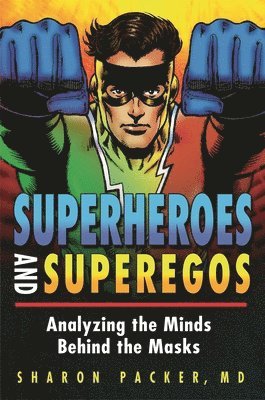
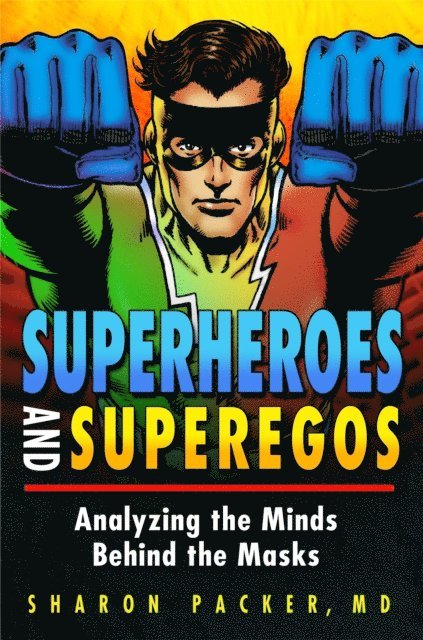
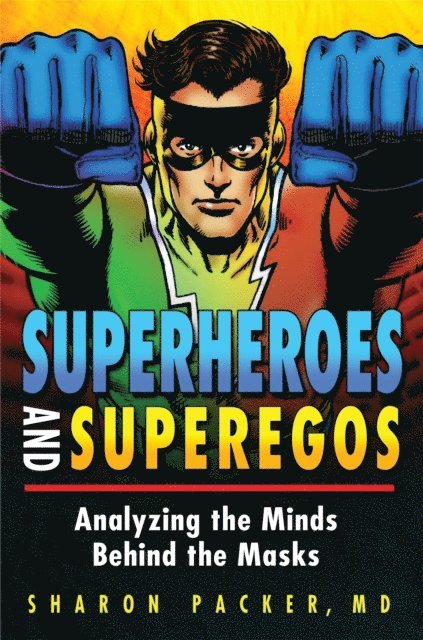
This comprehensive collection of essays written by a practicing psychiatrist shows that superheroes are more about superegos than about bodies and brawn, even though they contain subversive sexual subtexts that paved the path for major social shifts of the late 20th century.Superheroes have provided entertainment for generations, but there is much more to these fictional characters than what first meets the eye. Superheros and Superegos: Analyzing the Minds Behind the Masks begins its exploration in 1938 with the creation of Superman and continues to the present, with a nod to the forerunners of superhero stories in the Bible and Greek, Roman, Norse, and Hindu myth. The first book about superheroes written by a psychiatrist in over 50 years, it invokes biological psychiatry to discuss such concepts as "body dysmorphic disorder," as well as Jungian concepts of the shadow self that explain the appeal of the masked hero and the secret identity.Readers will discover that the earliest superheroes represent fantasies about stopping Hitler, while more sophisticated and socially-oriented publishers used superheroes to encourage American participation in World War II. The book also explores themes such as how the feminist movement and the dramatic shift in women's roles and rights were predicted by Wonder Woman and Sheena nearly 30 years before the dawn of the feminist era.
E-bok
PDF, Engelska, 2009906 kr
Läs direkt efter köp
This comprehensive collection of essays written by a practicing psychiatrist shows that superheroes are more about superegos than about bodies and brawn, even though they contain subversive sexual subtexts that paved the path for major social shifts of the late 20th century.Superheroes have provided entertainment for generations, but there is much more to these fictional characters than what first meets the eye. Superheros and Superegos: Analyzing the Minds Behind the Masks begins its exploration in 1938 with the creation of Superman and continues to the present, with a nod to the forerunners of superhero stories in the Bible and Greek, Roman, Norse, and Hindu myth. The first book about superheroes written by a psychiatrist in over 50 years, it invokes biological psychiatry to discuss such concepts as "body dysmorphic disorder," as well as Jungian concepts of the shadow self that explain the appeal of the masked hero and the secret identity.Readers will discover that the earliest superheroes represent fantasies about stopping Hitler, while more sophisticated and socially-oriented publishers used superheroes to encourage American participation in World War II. The book also explores themes such as how the feminist movement and the dramatic shift in women's roles and rights were predicted by Wonder Woman and Sheena nearly 30 years before the dawn of the feminist era.
E-bok
PDF, Engelska, 20141 756 kr
Läs direkt efter köp
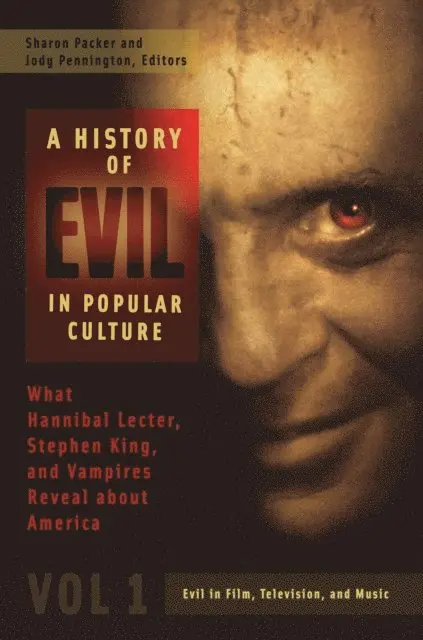
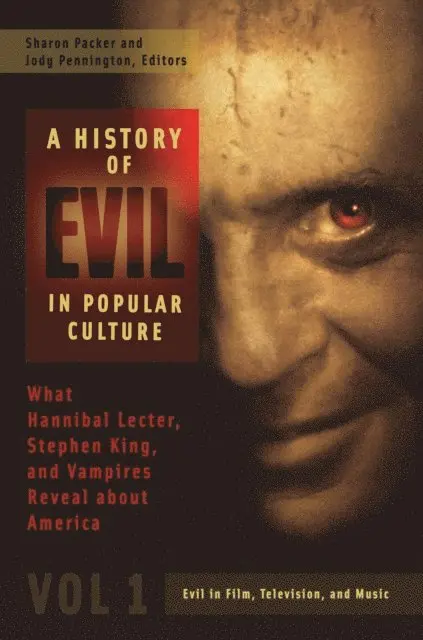
Evil isn't simply an abstract theological or philosophical talking point. In our society, the idea of evil feeds entertainment, manifests in all sorts of media, and is a root concept in our collective psyche. This accessible and appealing book examines what evil means to us.Evil has been with us since the Garden of Eden, when Eve unleashed evil by biting the apple. Outside of theology, evil remains a highly relevant concept in contemporary times: evil villains in films and literature make these stories entertaining; our criminal justice system decides the fate of convicted criminals based on the determination of their status as "evil" or "insane." This book examines the many manifestations of "evil" in modern media, making it clear how this idea pervades nearly all aspects of life and helping us to reconsider some of the notions about evil that pop culture perpetuates and promotes.Covering screen media such as film, television, and video games; print media that include novels and poetry; visual media like art and comics; music; and political polemics, the essays in this book address an eclectic range of topics. The diverse authors include Americans who left the United States during the Vietnam War era, conservative Christian political pundits, rock musicians, classical linguists, Disney fans, scholars of American slavery, and experts on Holocaust literature and films. From portrayals of evil in the television shows The Wire and 24 to the violent lyrics of the rap duo Insane Clown Posse to the storylines of the Lord of the Rings and Harry Potter books, readers will find themselves rethinking what evil is—and how they came to hold their beliefs.
Inbunden, Engelska, 2017
853 kr
Skickas inom 10-15 vardagar
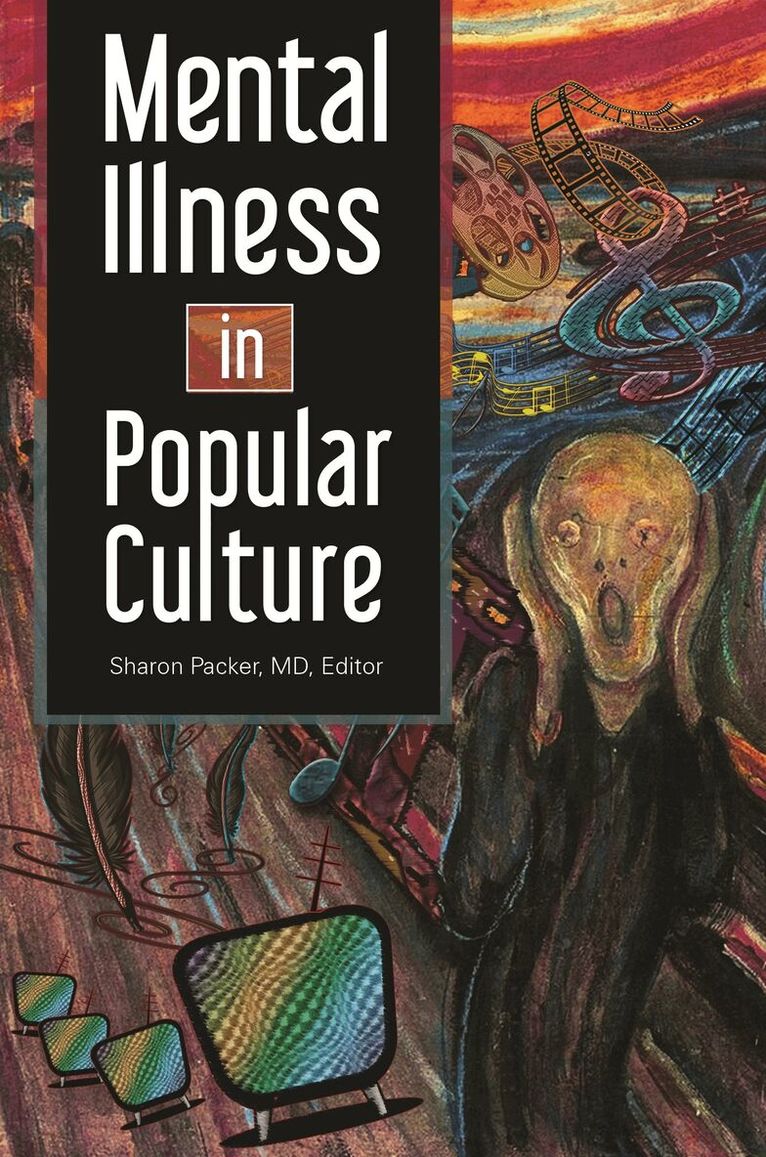
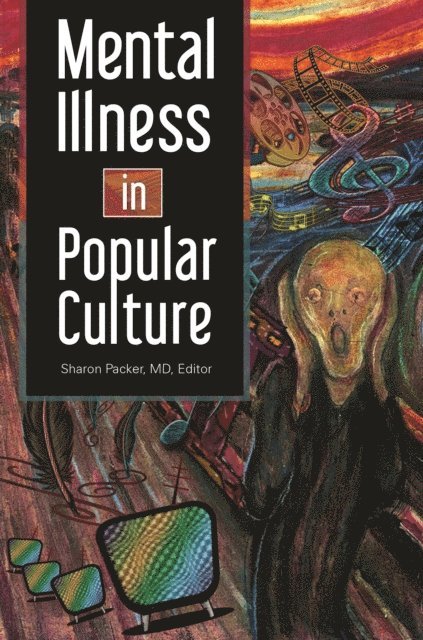
"Being crazy" is generally a negative characterization today, yet many celebrated artists, leaders, and successful individuals have achieved greatness despite suffering from mental illness. This book explores the many different representations of mental illness that exist—and sometimes persist—in both traditional and new media across eras.Mental health professionals and advocates typically point a finger at pop culture for sensationalizing and stigmatizing mental illness, perpetuating stereotypes, and capitalizing on the increased anxiety that invariably follows mass shootings at schools, military bases, or workplaces; on public transportation; or at large public gatherings. While drugs or street gangs were once most often blamed for public violence, the upswing of psychotic perpetrators casts a harsher light on mental illness and commands media's attention. What aspects of popular culture could play a role in mental health across the nation? How accurate and influential are the various media representations of mental illness? Or are there unsung positive portrayals of mental illness?This standout work on the intersections of pop culture and mental illness brings informed perspectives and necessary context to the myriad topics within these important, timely, and controversial issues. Divided into five sections, the book covers movies; television; popular literature, encompassing novels, poetry, and memoirs; the visual arts, such as fine art, video games, comics, and graphic novels; and popular music, addressing lyrics and musicians' lives. Some of the essays reference multiple media, such as a filmic adaptation of a memoir or a video game adaptation of a story or characters that were originally in comics. With roughly 20 percent of U.S. citizens taking psychotropic prescriptions or carrying a psychiatric diagnosis, this timely topic is relevant to far more individuals than many people would admit.
E-bok
Engelska, 2017883 kr
Läs direkt efter köp
"Being crazy" is generally a negative characterization today, yet many celebrated artists, leaders, and successful individuals have achieved greatness despite suffering from mental illness. This book explores the many different representations of mental illness that exist—and sometimes persist—in both traditional and new media across eras.Mental health professionals and advocates typically point a finger at pop culture for sensationalizing and stigmatizing mental illness, perpetuating stereotypes, and capitalizing on the increased anxiety that invariably follows mass shootings at schools, military bases, or workplaces; on public transportation; or at large public gatherings. While drugs or street gangs were once most often blamed for public violence, the upswing of psychotic perpetrators casts a harsher light on mental illness and commands media's attention. What aspects of popular culture could play a role in mental health across the nation? How accurate and influential are the various media representations of mental illness? Or are there unsung positive portrayals of mental illness?This standout work on the intersections of pop culture and mental illness brings informed perspectives and necessary context to the myriad topics within these important, timely, and controversial issues. Divided into five sections, the book covers movies; television; popular literature, encompassing novels, poetry, and memoirs; the visual arts, such as fine art, video games, comics, and graphic novels; and popular music, addressing lyrics and musicians' lives. Some of the essays reference multiple media, such as a filmic adaptation of a memoir or a video game adaptation of a story or characters that were originally in comics. With roughly 20 percent of U.S. citizens taking psychotropic prescriptions or carrying a psychiatric diagnosis, this timely topic is relevant to far more individuals than many people would admit.
E-bok
PDF, Engelska, 2007755 kr
Läs direkt efter köp
By looking at the interactions between cinema and psychology, Packer offers readers clear and basic insights into some of the most fundamental reasons why film is such an important influence upon our lives today. Movies and the Modern Psyche first describes the basic concepts of psychoanalysis, experimental psychology, behavioral conditioning, and hypnosis, which have all played major roles in the histories of both film and psychiatry. It then goes on to discuss the recent rise in film therapy, drug treatments, treatment for drug abuse, and the closing of asylums, to show how shifts in treatment techniques, theories, and settings are foreshadowed and fossilized by film.Psychology and cinema are kindred cousins, born at the same time and developing together, so that each influences the other. From the mind-controlling villains that occupy early horror films and Cold War thrillers (like Caligari, Mabuse, and The Ipcress File), to the asylums that house numberless political allegories and personal dramas (in Shock Corridor, Spellbound, One Flew over the Cuckoo's Nest, and Girl Interrupted), to the drugs, phobias, and disorders that pervade so many of our favorite films (including, as a small sample, Vertigo, Night of the Hunter, Psycho, Rainman, Fight Club, Requiem for a Dream, and Batman Begins), there is no escaping either psychology in the movies, or the movies in psychology. By looking at the interactions between cinema and psychology, this book offers readers clear and basic insights into some of the most fundamental reasons why film is such an important influence upon our lives today.Movies and the Modern Psyche first describes the basic concepts of psychoanalysis, experimental psychology, behavioral conditioning, and hypnosis, which have all played major roles in the histories of both film and psychiatry. It then goes on to discuss the recent rise in film therapy, drug treatments, treatment for drug abuse, and the closing of asylums, to show how shifts in treatment techniques, theories, and settings are foreshadowed and fossilized by film.
E-bok
Engelska, 20141 428 kr
Läs direkt efter köp
Evil isn't simply an abstract theological or philosophical talking point. In our society, the idea of evil feeds entertainment, manifests in all sorts of media, and is a root concept in our collective psyche. This accessible and appealing book examines what evil means to us.Evil has been with us since the Garden of Eden, when Eve unleashed evil by biting the apple. Outside of theology, evil remains a highly relevant concept in contemporary times: evil villains in films and literature make these stories entertaining; our criminal justice system decides the fate of convicted criminals based on the determination of their status as "evil" or "insane." This book examines the many manifestations of "evil" in modern media, making it clear how this idea pervades nearly all aspects of life and helping us to reconsider some of the notions about evil that pop culture perpetuates and promotes.Covering screen media such as film, television, and video games; print media that include novels and poetry; visual media like art and comics; music; and political polemics, the essays in this book address an eclectic range of topics. The diverse authors include Americans who left the United States during the Vietnam War era, conservative Christian political pundits, rock musicians, classical linguists, Disney fans, scholars of American slavery, and experts on Holocaust literature and films. From portrayals of evil in the television shows The Wire and 24 to the violent lyrics of the rap duo Insane Clown Posse to the storylines of the Lord of the Rings and Harry Potter books, readers will find themselves rethinking what evil is—and how they came to hold their beliefs.
E-bok
Engelska, 2017883 kr
Läs direkt efter köp
"Being crazy" is generally a negative characterization today, yet many celebrated artists, leaders, and successful individuals have achieved greatness despite suffering from mental illness. This book explores the many different representations of mental illness that exist—and sometimes persist—in both traditional and new media across eras.Mental health professionals and advocates typically point a finger at pop culture for sensationalizing and stigmatizing mental illness, perpetuating stereotypes, and capitalizing on the increased anxiety that invariably follows mass shootings at schools, military bases, or workplaces; on public transportation; or at large public gatherings. While drugs or street gangs were once most often blamed for public violence, the upswing of psychotic perpetrators casts a harsher light on mental illness and commands media's attention. What aspects of popular culture could play a role in mental health across the nation? How accurate and influential are the various media representations of mental illness? Or are there unsung positive portrayals of mental illness?This standout work on the intersections of pop culture and mental illness brings informed perspectives and necessary context to the myriad topics within these important, timely, and controversial issues. Divided into five sections, the book covers movies; television; popular literature, encompassing novels, poetry, and memoirs; the visual arts, such as fine art, video games, comics, and graphic novels; and popular music, addressing lyrics and musicians' lives. Some of the essays reference multiple media, such as a filmic adaptation of a memoir or a video game adaptation of a story or characters that were originally in comics. With roughly 20 percent of U.S. citizens taking psychotropic prescriptions or carrying a psychiatric diagnosis, this timely topic is relevant to far more individuals than many people would admit.
E-bok
Engelska, 2009995 kr
Läs direkt efter köp
This comprehensive collection of essays written by a practicing psychiatrist shows that superheroes are more about superegos than about bodies and brawn, even though they contain subversive sexual subtexts that paved the path for major social shifts of the late 20th century.Superheroes have provided entertainment for generations, but there is much more to these fictional characters than what first meets the eye. Superheros and Superegos: Analyzing the Minds Behind the Masks begins its exploration in 1938 with the creation of Superman and continues to the present, with a nod to the forerunners of superhero stories in the Bible and Greek, Roman, Norse, and Hindu myth. The first book about superheroes written by a psychiatrist in over 50 years, it invokes biological psychiatry to discuss such concepts as "body dysmorphic disorder," as well as Jungian concepts of the shadow self that explain the appeal of the masked hero and the secret identity.Readers will discover that the earliest superheroes represent fantasies about stopping Hitler, while more sophisticated and socially-oriented publishers used superheroes to encourage American participation in World War II. The book also explores themes such as how the feminist movement and the dramatic shift in women's roles and rights were predicted by Wonder Woman and Sheena nearly 30 years before the dawn of the feminist era.