Shigenori Matsui – författare
Visar alla böcker från författaren Shigenori Matsui. Handla med fri frakt och snabb leverans.
7 produkter
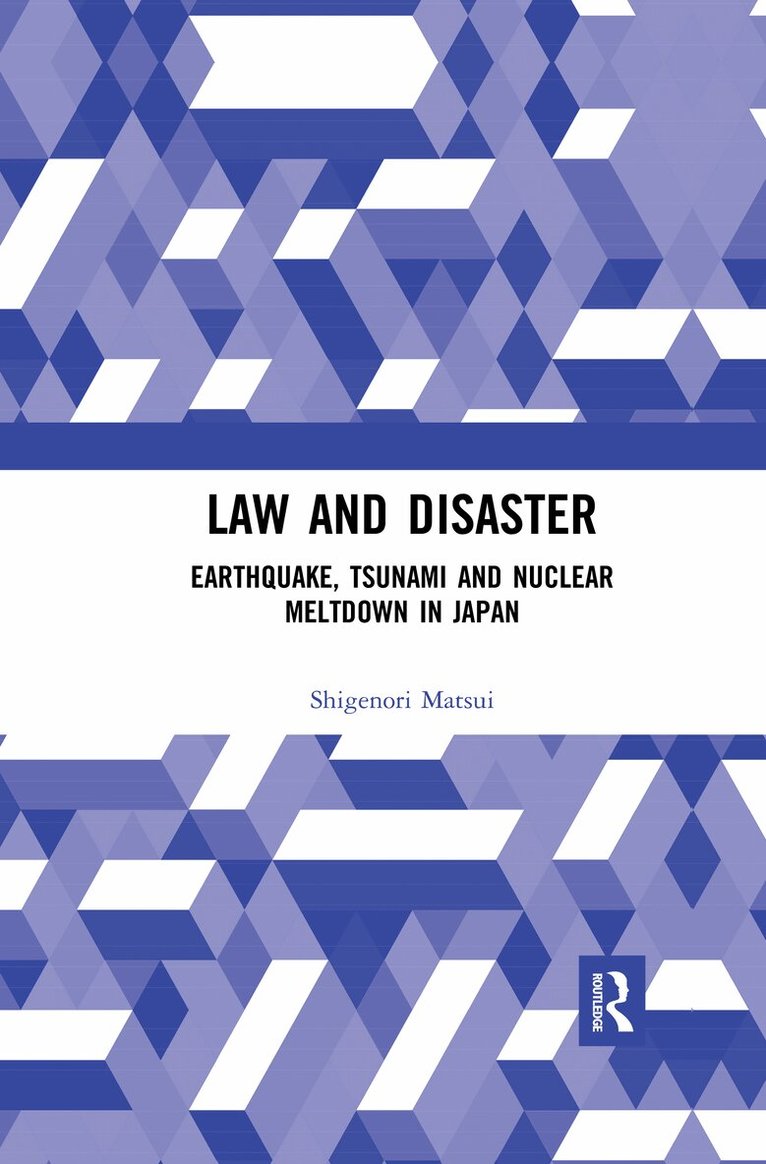
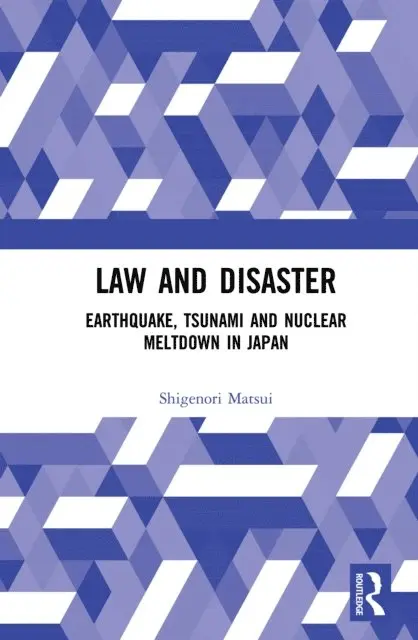
Law and Disaster
Earthquake, Tsunami and Nuclear Meltdown in Japan
Häftad, 2020
710 kr
Lägg i varukorg
On the 11th of March 2011, an earthquake registering 9.0 on the Richter scale (the most powerful to ever strike Japan) hit the Tohoku region in northern Japan. The earthquake produced a devastating tsunami that wiped out coastal cities and towns, leaving 18,561 people dead or registered as missing. …
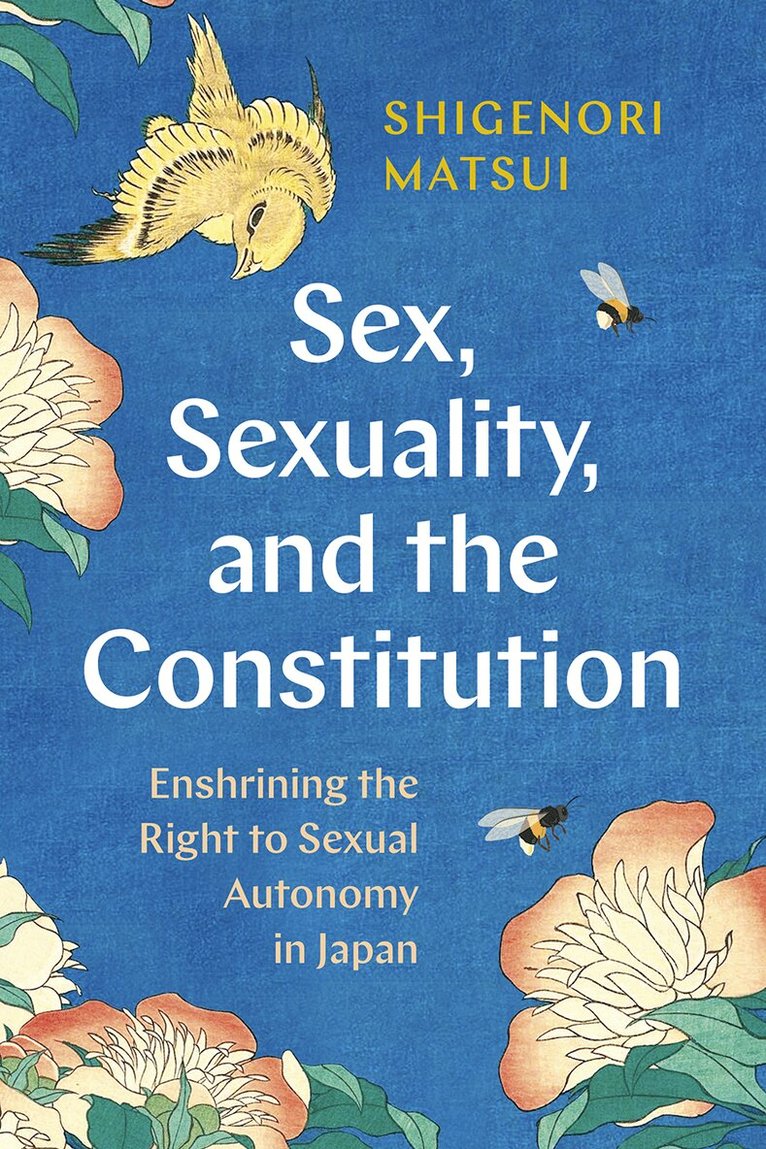
Sex, Sexuality, and the Constitution
Enshrining the Right to Sexual Autonomy in Japan
Häftad, 2024
418 kr
Lägg i varukorg
Sex and sexuality are an integral part of human life and vital for the survival of the human race, but sexual freedoms in many countries have yet to be enshrined as constitutional rights. Focusing primarily on Japan, Sex, Sexuality, and the Constitution critically reconsiders the relationship …
Law and Disaster
Earthquake, Tsunami and Nuclear Meltdown in Japan
Inbunden, 2018
2581 kr
Lägg i varukorg
On the 11th of March 2011, an earthquake registering 9.0 on the Richter scale (the most powerful to ever strike Japan) hit the Tohoku region in northern Japan. The earthquake produced a devastating tsunami that wiped out coastal cities and towns, leaving 18,561 people dead or registered as missing. …
Law and Disaster
Earthquake, Tsunami and Nuclear Meltdown in Japan
E-bok, 2018
733 kr
Lägg i varukorg
On the 11th of March 2011, an earthquake registering 9.0 on the Richter scale (the most powerful to ever strike Japan) hit the Tohoku region in northern Japan. The earthquake produced a devastating tsunami that wiped out coastal cities and towns, leaving 18,561 people dead or registered as missing. …
Law and Disaster
Earthquake, Tsunami and Nuclear Meltdown in Japan
E-bok, 2018
749 kr
Lägg i varukorg
On the 11th of March 2011, an earthquake registering 9.0 on the Richter scale (the most powerful to ever strike Japan) hit the Tohoku region in northern Japan. The earthquake produced a devastating tsunami that wiped out coastal cities and towns, leaving 18,561 people dead or registered as missing. …
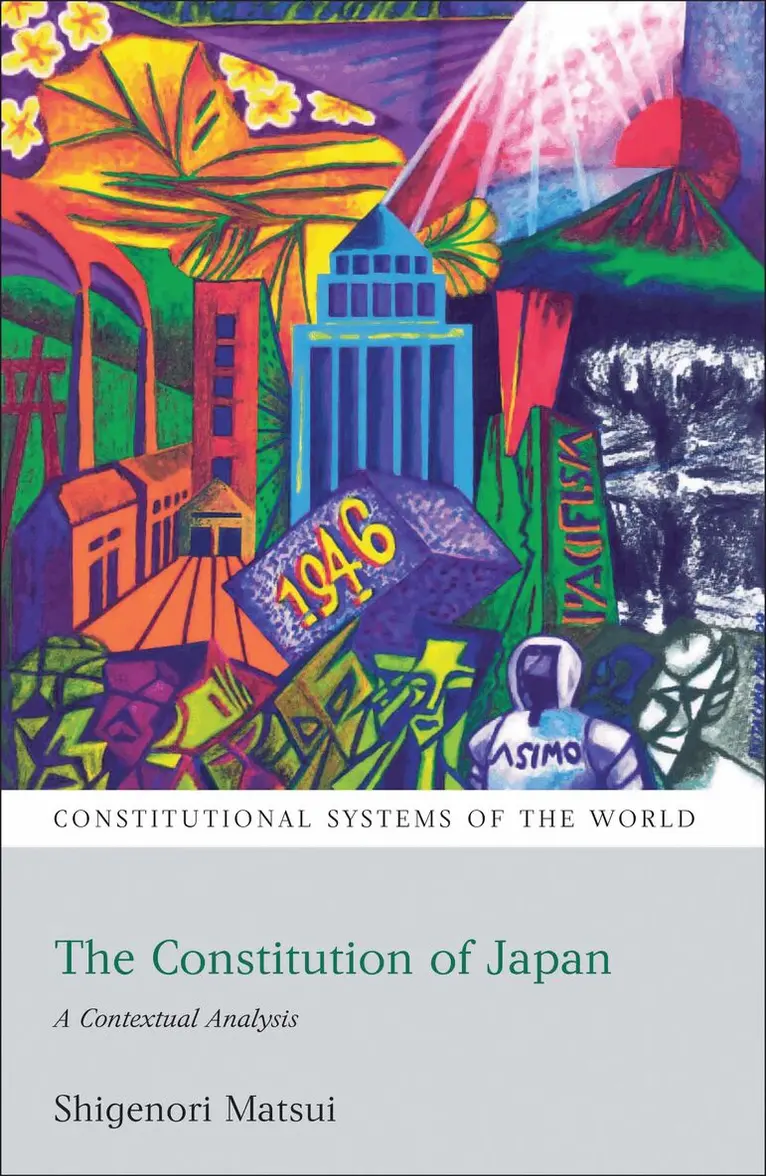
Constitution of Japan
A Contextual Analysis
Av Shigenori Matsui, Peter Leyland
Häftad, 2010
448 kr
Lägg i varukorg
Japan boasts the second largest economy in the world and almost two thousand years of history. Yet, its first modern constitution, the Meiji Constitution, was not enacted until comparatively recently (1889). Since then, following World War II, Japan adopted its current Constitution, the Japanese …
Constitution of Japan
A Contextual Analysis
E-bok, 2010
488 kr
Lägg i varukorg
Japan boasts the second largest economy in the world and almost two thousand years of history. Yet, its first modern constitution, the Meiji Constitution, was not enacted until comparatively recently (1889). Since then, following World War II, Japan adopted its current Constitution, the Japanese …