Shruti Das – författare
Visar alla böcker från författaren Shruti Das. Handla med fri frakt och snabb leverans.
6 produkter
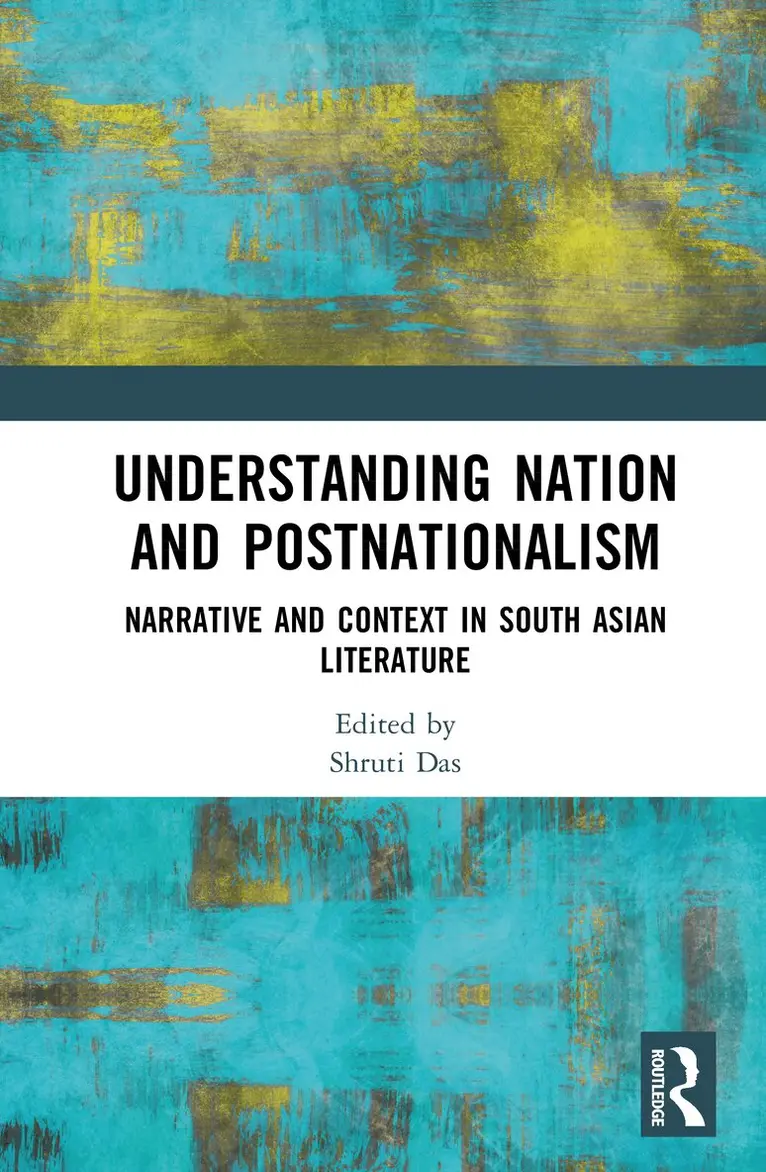
Understanding Nation and Postnationalism
Narrative and Context in South Asian Literature
Av Shruti Das
Inbunden, 2026
2893 kr
Lägg i varukorg
This volume explores the evolving landscape of nationalism in South Asia through the lens of literature and performance, examining how narratives challenge, contest, and reimagine the nation-state. Addressing themes of postnationalism, democratic critique, migration and trauma, rebellion against …
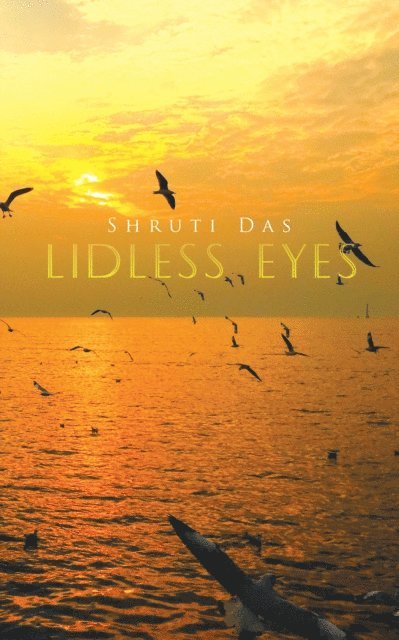
Lidless Eyes
Av Shruti Das
E-bok, 2015
76 kr
Lägg i varukorg
The poetry of Shruti Das, from Odisha, India has reached me in Colombo, Sri Lanka, and impressed me, because they are also beautiful music to our ears and wonderful paintings to our eyes, all at once that swing us into a timeless melody.She makes silence speak through her poems, which she has …
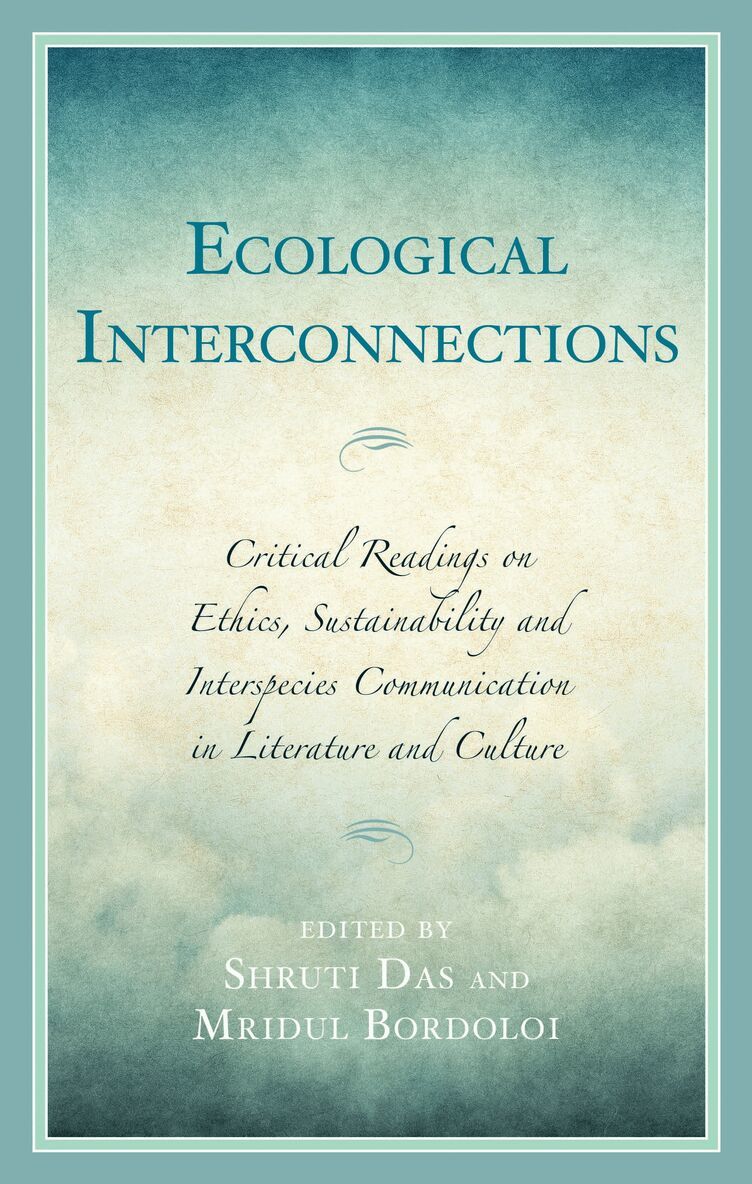
Ecological Interconnections
Critical Readings on Ethics, Sustainability, and Interspecies Communication in Literature and Culture
Av Mridul Bordoloi, Shruti Das
Inbunden, 2024
1505 kr
Lägg i varukorg
Ecological Interconnections: Critical Readings on Ethics, Sustainability and Interspecies Communication in Literature and Culture argues that literature and cultural studies are vital tools for understanding and addressing ecological issues. This edited book of sixteen essays explores how literary …
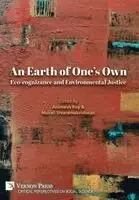
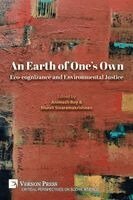
Earth of One's Own: Eco-cognizance and Environmental Justice
Av Clara Shu-Chun Chang, Kathryn Yalan Chang m. fl.
Inbunden, 2026
1337 kr
Lägg i varukorg
Earth of One's Own: Eco-cognizance and Environmental Justice
Eco-cognizance and Environmental Justice
Av Clara Shu-Chun Chang, Kathryn Yalan Chang m. fl.
Häftad, 2026
926 kr
Lägg i varukorg