Simona Grossi – författare
Visar alla böcker från författaren Simona Grossi. Handla med fri frakt och snabb leverans.
6 produkter
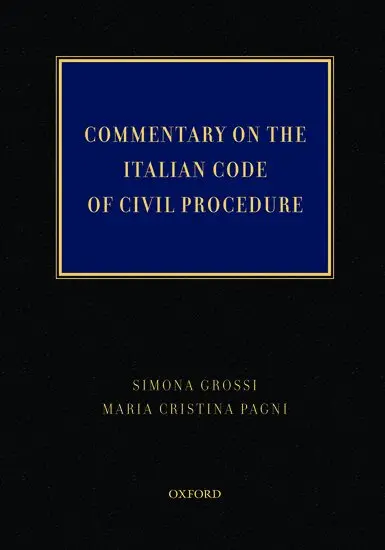
Commentary on the Italian Code of Civil Procedure
Av Simona Grossi, Maria Cristina Pagni
Inbunden, 2010
4989 kr
Lägg i varukorg
Commentary on the Italian Code of Civil Procedure is a unique and comprehensive guide to understanding the structure and functioning of the Italian Code of Civil Procedure. The book provides a reliable translation to the provisions for the implementation of the 840 articles of the Italian Code of …
Commentary on the Italian Code of Civil Procedure
Av Maria Cristina Pagni, Simona Grossi
E-bok, 2010
3289 kr
Lägg i varukorg
Commentary on the Italian Code of Civil Procedure is a unique and comprehensive guide to understanding the structure and functioning of the Italian Code of Civil Procedure. The book provides a reliable translation to the provisions for the implementation of the 840 articles of the Italian Code of …
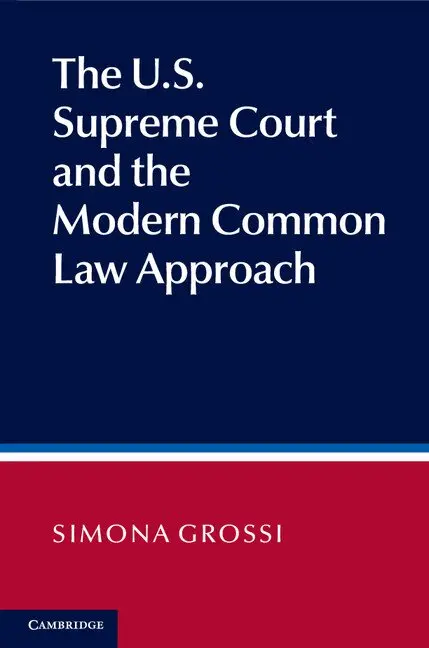
The US Supreme Court and the Modern Common Law Approach
Inbunden, 2015
1753 kr
Lägg i varukorg
This book studies the US Supreme Court and its current common law approach to judicial decision making from a national and transnational perspective. The Supreme Court's approach appears detached from and inconsistent with the underlying fundamental principles that ought to guide it, which often …
The US Supreme Court and the Modern Common Law Approach
Häftad, 2016
598 kr
Lägg i varukorg
This book studies the US Supreme Court and its current common law approach to judicial decision making from a national and transnational perspective. The Supreme Court's approach appears detached from and inconsistent with the underlying fundamental principles that ought to guide it, which often …