S.J. Francis P. Dinneen, S.J., Dinneen – författare
Visar alla böcker från författaren S.J. Francis P. Dinneen, S.J., Dinneen. Handla med fri frakt och snabb leverans.
2 produkter
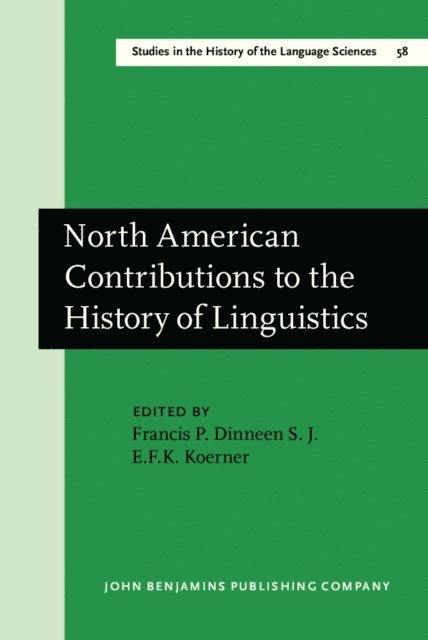
North American Contributions to the History of Linguistics
Av Koerner E.F.K. Koerner, S.J. Francis P. Dinneen, S.J., Dinneen
E-bok, 1990
1544 kr
Lägg i varukorg
This volume unites papers given by members of the North American Association for the History of the Language Sciences (NAAHoLS) at meetings held in Washington, D.C., in March and December 1989, respectively. They represent the scope and breadth of interest of North American scholars in this growing …
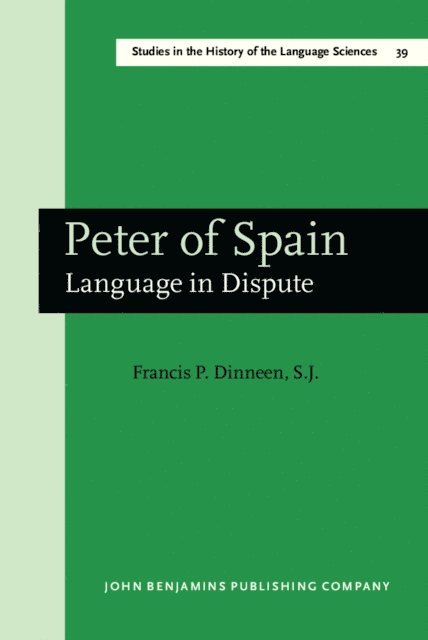
Peter of Spain
Language in Dispute. An English translation of Peter of Spain''s <i>Tractatus</i> called afterwards <i>Summulae Logicales</i>, based on the critical edition by L.M. de Rijk
Av S.J. Francis P. Dinneen, S.J., Dinneen
E-bok, 1990
1695 kr
Lägg i varukorg
This volume presents an English translation of Petrus Hispanus Portugalensis’ (d. 1277) Tractatus — called afterwards Summulae Logicales — on the basis of the critical edition established by L. M. de Rijk (1972). The Summulae ’s first part (I-V) introduces Aristotelian ideas familiar enough at the …