Sophie Hodorowicz Knab – författare
Visar alla böcker från författaren Sophie Hodorowicz Knab. Handla med fri frakt och snabb leverans.
5 produkter
5 produkter
213 kr
Tillfälligt slut
Wearing the Letter P: Polish Women as Forced Laborers in Nazi Germany, 1939-1945
Häftad, Engelska, 2016
186 kr
Skickas inom 5-8 vardagar
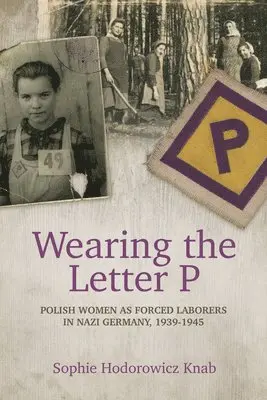
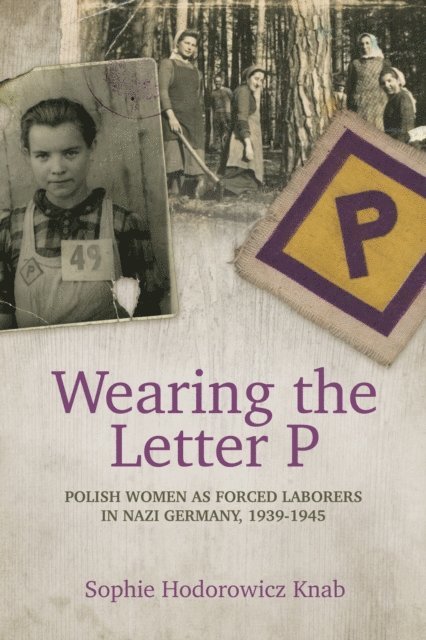
Sophie Knab's parents were Polish forced labourers in Germany during World War II. For years her mother was unable to discuss or answer questions about this period of her life. Compelled to learn more about her mothers experience and that of other Polish women, Knab began a personal and emotional quest. Over the course of 14 years, she conducted extensive research of post-war trial testimonies housed in archives in the U.S., London, and in Warsaw to piece together facts and individual stories from this singular and often-overlooked aspect of World War II history. As mothers, wives, daughters, and sisters, female Polish forced labourers faced a unique set of challenges and often unspeakable conditions because of their gender. Required to sew a large letter "P" onto their jackets, thousands of women, some as young as age 12, were taken from their homes in Poland and forced to work for the Reich for months and years on end. In this important contribution to World War II history, Knab explains how it all happened, from the beginning of occupation in Poland to liberation: the roundups; the horrors of transit camps; the living and working conditions of Polish women in agriculture and industry; and the anguish of sexual exploitation and forced abortions -- all under the constant threat of concentration camps. Knab draws from documents, government and family records, rare photos, and most importantly, numerous victim accounts -- diaries, letters and trial testimonies -- to present an unflinching, detailed portrait of the lives of female Polish labourers, finally giving these women a voice and bringing to light to the atrocities that they endured.
334 kr
Skickas inom 3-6 vardagar
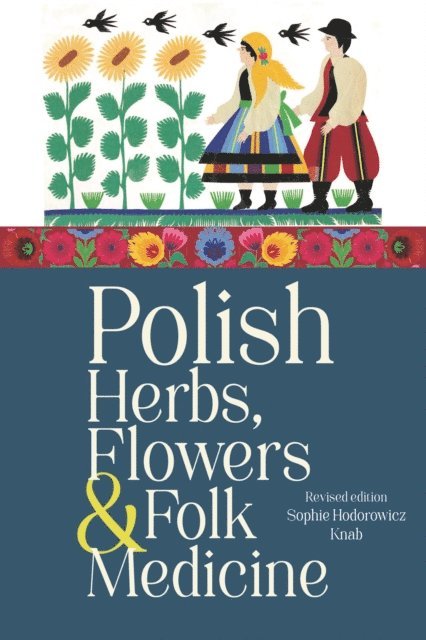
“Filled with illustrations and fascinating information, Polish Herbs, Flowers & Folk Medicine is a veritable treasure trove of history, how-to, and inspiration.”—The Midwest Book ReviewTaking the reader on a historical tour of herbs and flowers used in Poland throughout the centuries, this carefully-researched volume captures the unique history and role of plant life once essential to the people of Poland. Wander through monastery, castle and cottage gardens with acclaimed Polish-American author Sophie Hodorowicz Knab as she explores the growth of medicine and pharmacies and provides information on the use of over 100 plants, used in healing as well as in daily life and seasonal holidays throughout the year.You’ll find legends, cautionary tales, and love potions, as well as a chapter devoted to wedding plants and herbs. There are home remedies for everything that ailed the people of Poland, from acne to arthritis, relaxants to rejuvenators, and heartache to heartburn. Gleaned from old Polish herbals, Knab provides recipes for balms to treat ailments such as stress, insomnia, slow metabolism, perspiring feet, limp hair and oily skin. Also included are recipes for homemade herbal vinegars, soups, syrups, and liqueurs, including elderberry syrup, homemade Benedictine, and a healing vodka drink from Gdansk.This revised edition includes new information and research as well as new illustrations and color photographs. All plants are listed alphabetically according to their English common name, followed by Latin botanical name and common Polish name. There is an index of scientific names for quick reference. History buffs, gardeners, and anyone interested in their Polish ancestry will find much to explore here.
292 kr
Skickas inom 3-6 vardagar
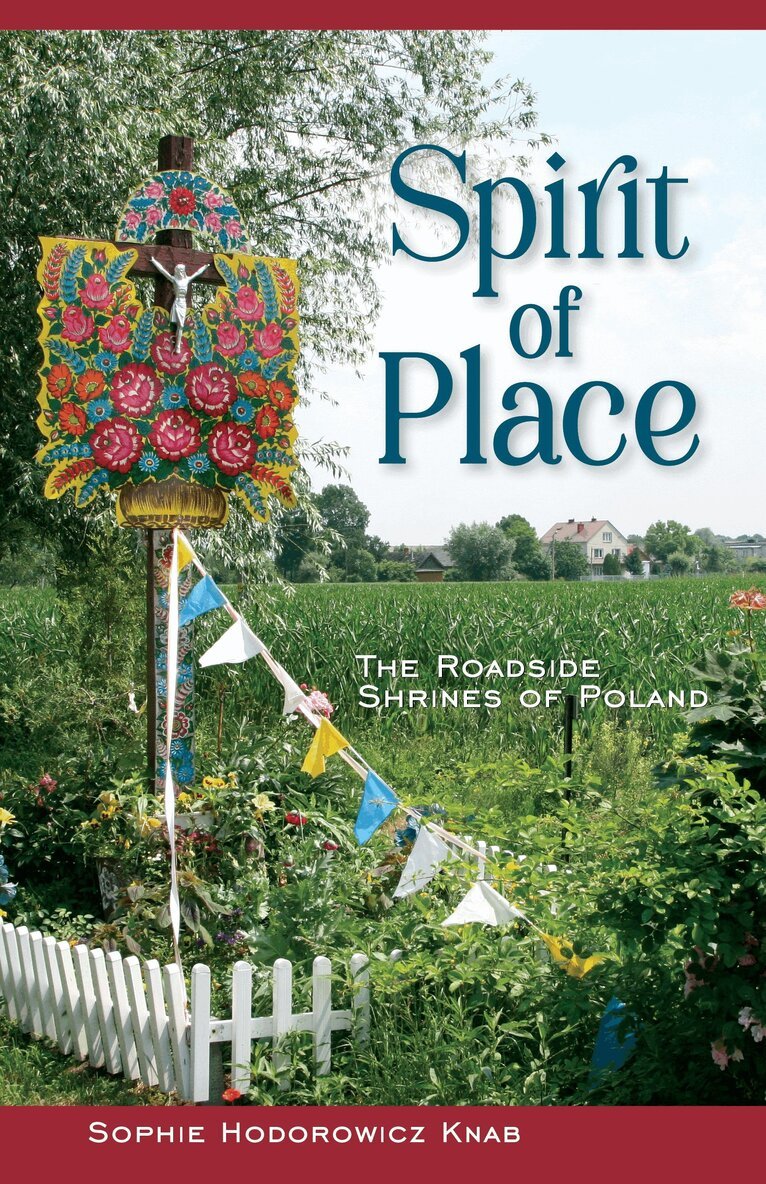
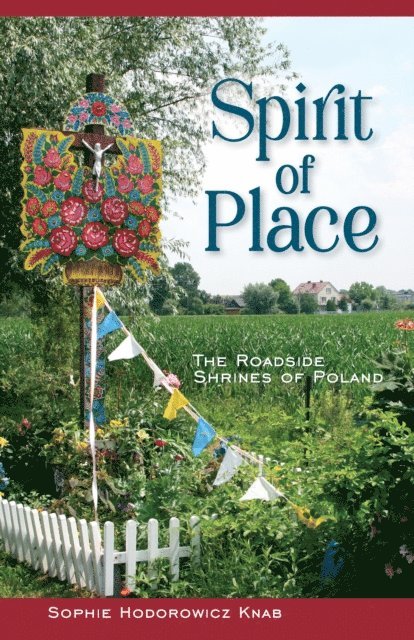
“They are works of art that speak to the creative spirit that once stirred within a heart to carve a statue, to gather stones to build a foundation, or gather words to form a poem or mix colors for a painting; they are messages from the past telling what at one time was important to this person, to this village, to a city block.”—from the author’s IntroductionIt is said that every country has its own genus loci or “spirit of place.” Poland’s distinct character can be found in the tens of thousands of roadside chapels, crosses and shrines that dot both its cities and countryside. A thousand years of Christianity, and the Polish Catholic tradition in particular, have left their mark on the country’s landscape. It is impossible not to notice the religious statues and little chapels that seem to be everywhere. Enter a courtyard in Warsaw or Kraków and discover a statue of the Blessed Virgin Mary mounted on a pedestal with fresh flowers at her feet. Drive through a small town, and you’ll spy a niche under the eaves of a home containing a figure of the Sacred Heart of Jesus or a little wooden box on a tree holding a small image of Our Lady of Częstochowa. All of them seem to blend harmoniously with the environment and beautify it. What are these objects? What do they mean? How did they come to be in this particular place? Why are they important?Acclaimed Polish-American author Sophie Hodorowicz Knab explores the origins and purposes of these roadside shrines, examining the different types of shrines and the significance of the various religious figures represented in them to the people of Poland. Additional chapters are devoted to the artists and sculptors who created the shrines, the role these local shrines played in the annual holidays, customs and traditions of the community, and their role in everyday life as well as death. Color photographs throughout depict the artistry and local setting of these shrines.This exploration of Poland’s roadside shrines is a unique lens through which the reader can learn about Polish history and culture. For anyone interested in Polish history, religious traditions, art and ancestry, this book offers much to explore.
213 kr
Skickas inom 5-8 vardagar
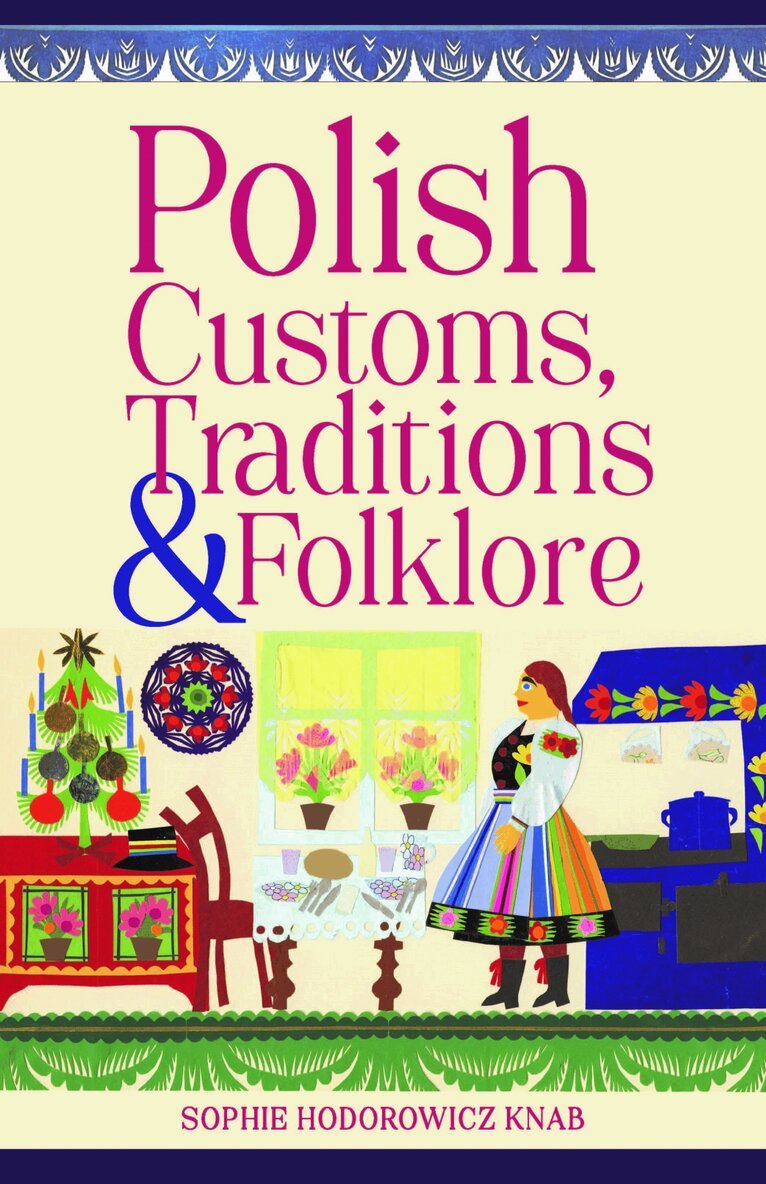
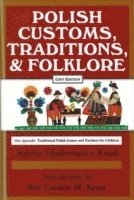
“A richly detailed and well-informed month-by-month accountingof all the major Polish customs and traditions practiced over the centuries.Ms. Knab stirs and reawakens our ancestral memory.”―The Kosciuszko Foundation NewsletterNow in a paperback edition with illustrations, historical blackand white photographs, and color photographs throughout the book!Thisunique, well-researched reference is arranged by month, showing the variousoccasions, feasts and holidays prominent in Polish culture―beginning withDecember it continues through Holy Week Customs, superstitions, beliefs andrituals associated with farming, Pentecost, Corpus Christi, midsummer, harvestfestival, wedding rites, Name Days, birth and death. There is also a chapter onPolish pastimes and games for children.Many of the customs and traditions described in the book havebeen lost even in today's modern Poland. World wars, massive immigration, theloss of the oral tradition, urbanization and politics have changed the face ofa once agrarian people and their way of life throughout the calendar year. Thechanges, however, have not been able to erase the memory of that way of lifecompletely.Manycommunities of the Polish diaspora throughout the world still feelconnected to Poland and choose to reenact harvest celebrations, remindingthemselves of their ancestors' reverence for the grains and gifts of bread. Thesharing of opłatek, the Christmas Eve wafer, and the words of love whiledoing so, continue to bind family and friends together. Although thepurpose and meaning may have been lost and forgotten, the oczepiny ceremony(the unveiling) is still the mainstay of almost every wedding where the bridedeclares Polish heritage. This invaluable resource isperfect for anyone who claims Polish ancestry, diligently practicing that whichthey learned at their parents' and grandparents' knees. It is for families whowish to teach Polish heritage and customs to their children, and for anyoneseeking to learn more about their Slavic roots.