Stephen Quick – författare
Visar alla böcker från författaren Stephen Quick. Handla med fri frakt och snabb leverans.
3 produkter
3 produkter
Inbunden, Engelska, 2025
255 kr
Skickas
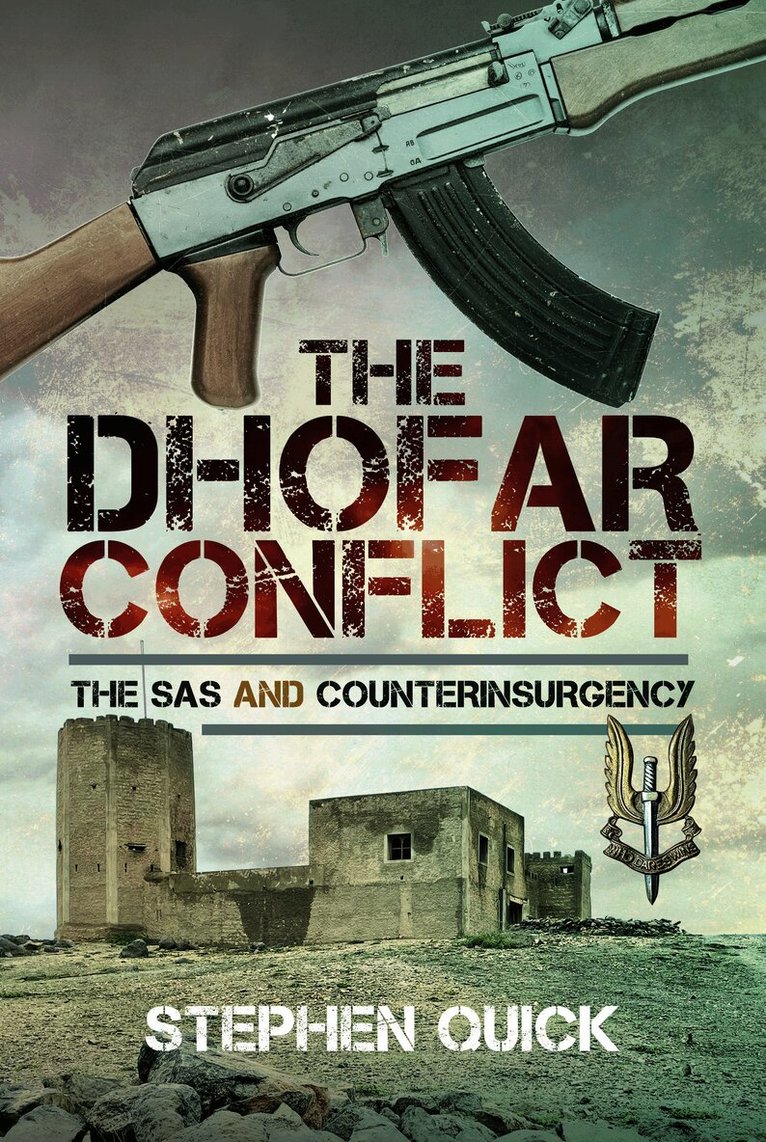
COIN - counterinsurgency - is a major element in international relations - both historical and 'IR theory' - and in military history. It was a vital component in the Cold War and decolonisation. COIN is now widely contrasted with 'Big War' theory in the wake of the Russia-Ukraine war and proxy-war with NATO, but is still a global phenomenon.Dhofar as a mis-ruled province of 'medieval' Oman, saw insurgency initiated by the Dhofar Liberation Front (DLF) and its successors organizations including the Popular Front for the Liberation of Oman and the Arabian Gulf (PFLOAG). These were supported variously by China, the USSR and other Middle Eastern countries such as Egypt and Iraq, but the insurgency was defeated by a combination Omani, British, Iranian and Jordanian forces. The COIN win in Dhofar prevented the spread of Communism on the Arabian Peninsula, thereby protecting British Middle Eastern influence and the vital Gulf oil supply to both the UK and wider Western economic bloc. The war and associated counterinsurgency (COIN) campaign can be considered a unique or 'sui generis' military 'success', with revolutionary forces overcome in a difficult and often brutal campaign involving British forces including its elite SAS Regiment, along with Jordanian and Iranian military aid.The study covers much more than the Dhofar campaign and contrasts the Omani example with other British COIN operations in major decolonising territories and 'Emergencies' (1945-1999). These include the campaigns undertaken in Palestine, Malaya, Kenya, Cyprus, Brunei/Borneo, Aden and Northern Ireland; which highlight the many similar aspects of these examples shared with the Dhofar War, but also that its unique status in the British COIN historiography should be acknowledged.
Inbunden, Engelska, 2024
1 314 kr
Skickas
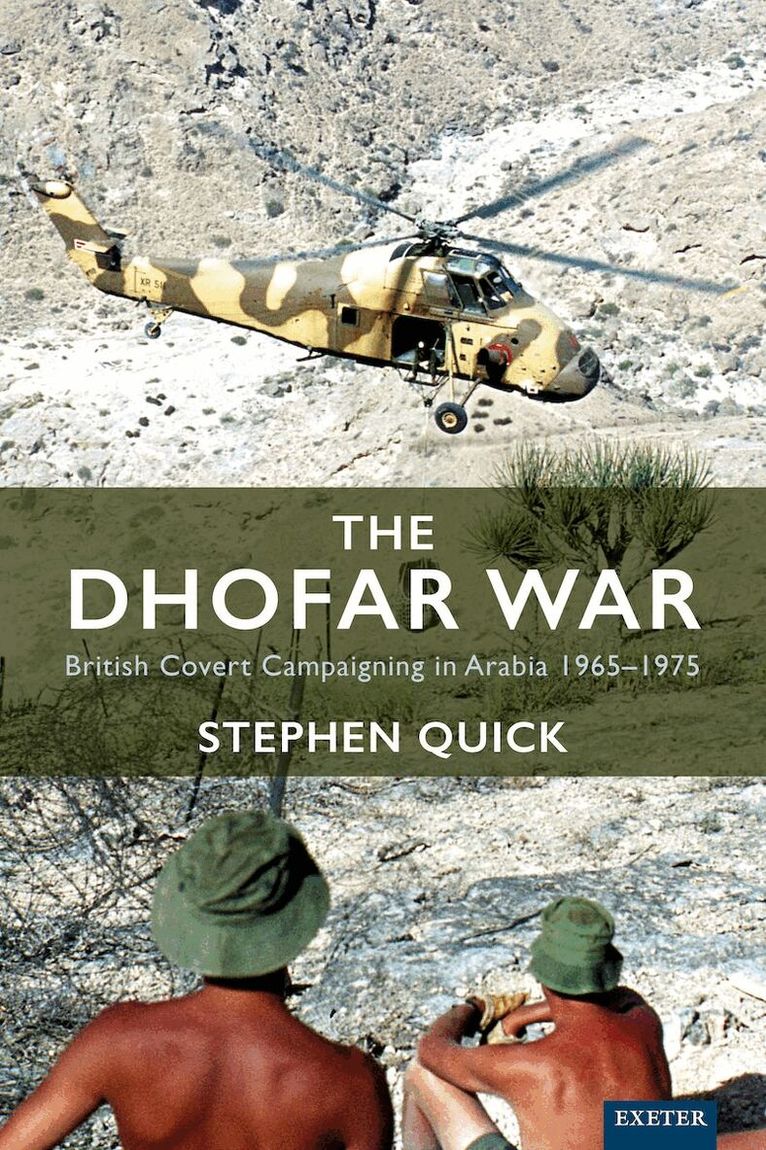
Finalist for the SAHR Chapple Prize for Best First Book on British Military HistoryBetween 1965 and 1975, Britain discreetly supported the Sultanate of Oman in achieving a historic Cold War-era counterinsurgency win in its remote Dhofar Province. To date, this role has traditionally been represented either in terms of a narrow operational success or has been reduced to one of failure-oriented peripheral player. The Dhofar War: British Covert Campaigning in Arabia 1965–1975 re-examines the historical record to present a more balanced verdict of the war and the overall importance of the UK’s role. In an original approach, the author puts forward the case that the hitherto undersold scale of UK military and non-martial assistance to Oman during the Dhofar War was the primary war-winning factor. Alongside this, he makes the key assertion that Britain’s role changed significantly throughout—from dominance in facilitating the war’s prosecution, to one that was more advisory or support oriented as the Sultanate fought back against a communist-backed insurgency.With in-depth research undertaken in archives and collections in the UK and Oman, the author caters for a broad international audience. The book will be of interest to students and scholars of military, counterinsurgency and Middle Eastern/Arabian Peninsula history, the military and governmental policy community, and members of the public with an interest in this region’s history.
Häftad, Engelska, 2025
432 kr
Skickas inom 5-8 vardagar
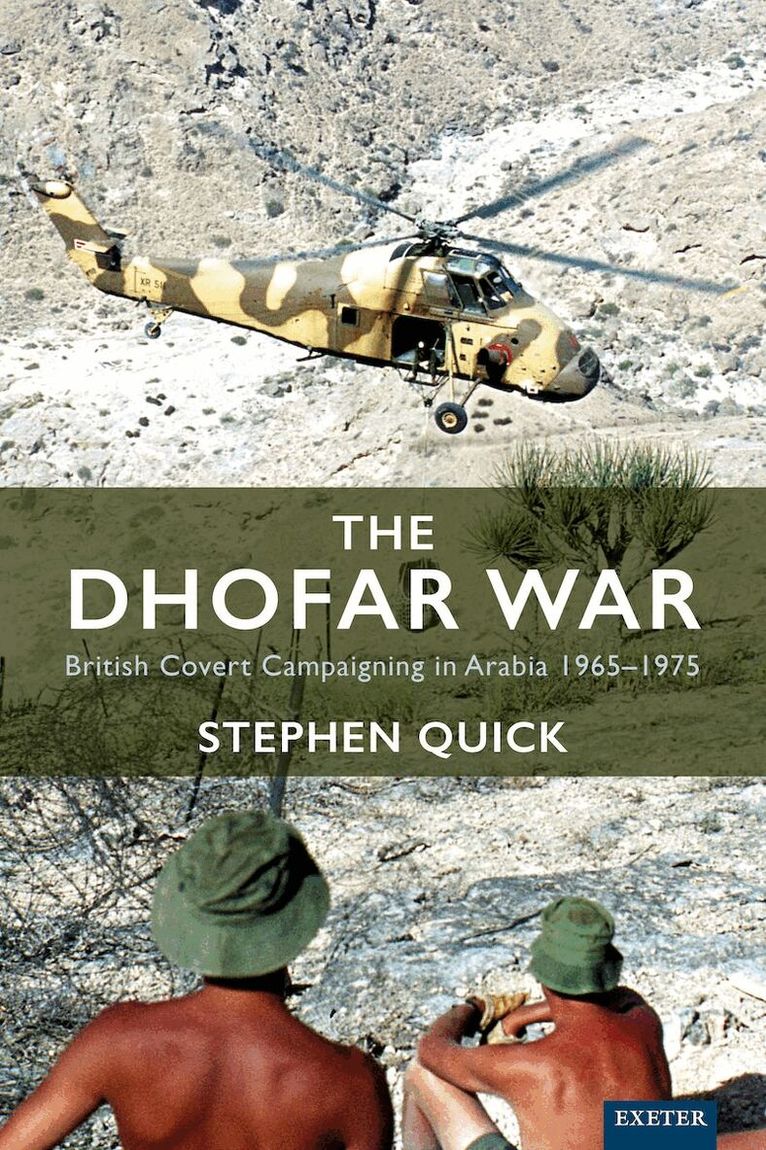
Finalist for the SAHR Chapple Prize for Best First Book on British Military HistoryBetween 1965 and 1975, Britain discreetly supported the Sultanate of Oman in achieving a historic Cold War-era counterinsurgency win in its remote Dhofar Province. To date, this role has traditionally been represented either in terms of a narrow operational success or has been reduced to one of failure-oriented peripheral player. The Dhofar War: British Covert Campaigning in Arabia 1965–1975 re-examines the historical record to present a more balanced verdict of the war and the overall importance of the UK’s role. In an original approach, the author puts forward the case that the hitherto undersold scale of UK military and non-martial assistance to Oman during the Dhofar War was the primary war-winning factor. Alongside this, he makes the key assertion that Britain’s role changed significantly throughout—from dominance in facilitating the war’s prosecution, to one that was more advisory or support oriented as the Sultanate fought back against a communist-backed insurgency.With in-depth research undertaken in archives and collections in the UK and Oman, the author caters for a broad international audience. The book will be of interest to students and scholars of military, counterinsurgency and Middle Eastern/Arabian Peninsula history, the military and governmental policy community, and members of the public with an interest in this region’s history.