Sudhir Bahadur - Böcker
Visar alla böcker från författaren Sudhir Bahadur. Handla med fri frakt och snabb leverans.
3 produkter
3 produkter
1 422 kr
Skickas inom 10-15 vardagar
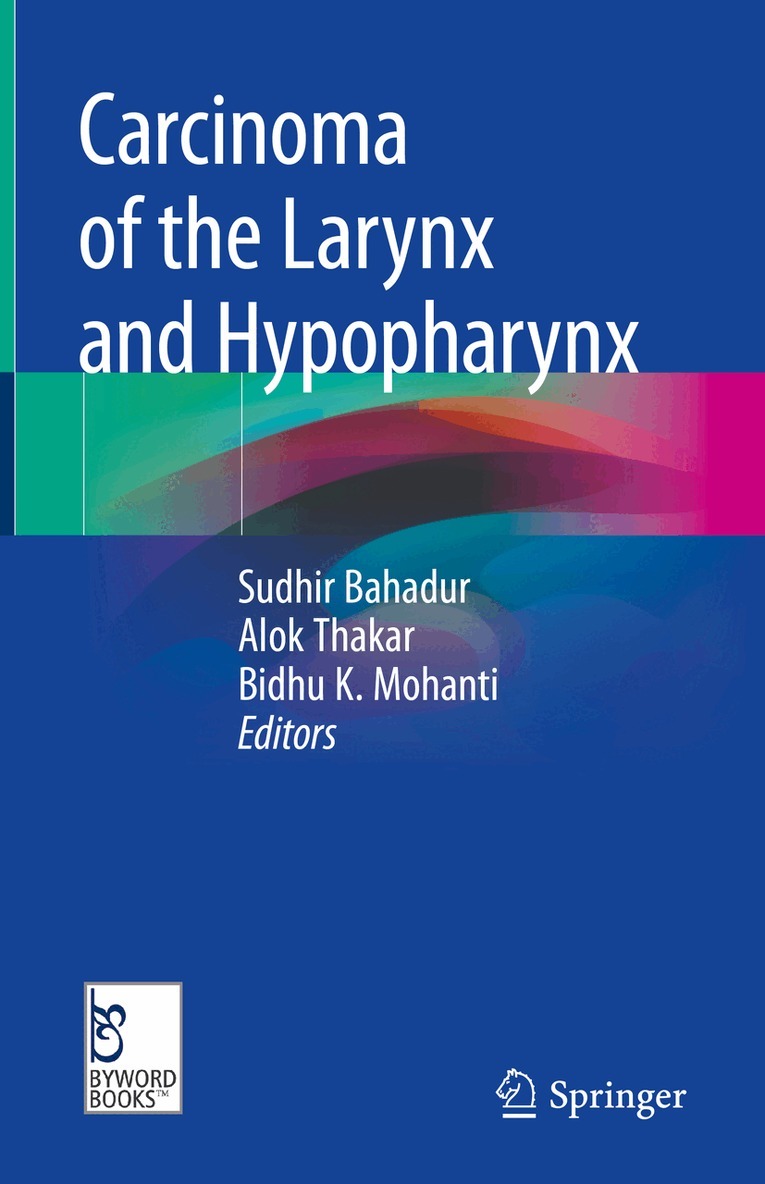
Carcinomas of the larynx and hypopharynx present unique challenges when it comes to their assessment and management. Management involves the essential dilemma of optimizing cure rates while also ensuring that potential disability due to compromised airway, voice and swallowing is minimized. Treatment decisions involve careful disease assessment, judicious multispecialty decision-making, and subsequent meticulous implementation of the selected treatment modalities.The critical nature of each of these steps has led to dramatic advances in assessment techniques (radiology, endoscopy and photography, stroboscopy, narrow band imaging, contact endoscopy) and also in treatment methods (radiation therapy, combined concurrent chemo-radiation, combined sequential chemo-radiation, trans-oral CO2 laser and robotic surgery, partial laryngectomy, total laryngectomy, extended total laryngectomy). As such, treatment decisions have become increasingly complex with the twin objectives of maximizing cure as well as function preservation and are based on tumor stage, tumor location, systemic co-morbidities, nutritional status, patient priorities, and social and economic factors. This multidisciplinary book has been written by a team of editors with considerable experience and expertise in these critical areas and a deep understanding of teamwork and the strengths and limitations of individual technologies and treatments. It presents a homogeneous and unbiased view that is applicable to all specialties involved in the care of larynx and hypopharynx cancers.
2 185 kr
Skickas inom 10-15 vardagar
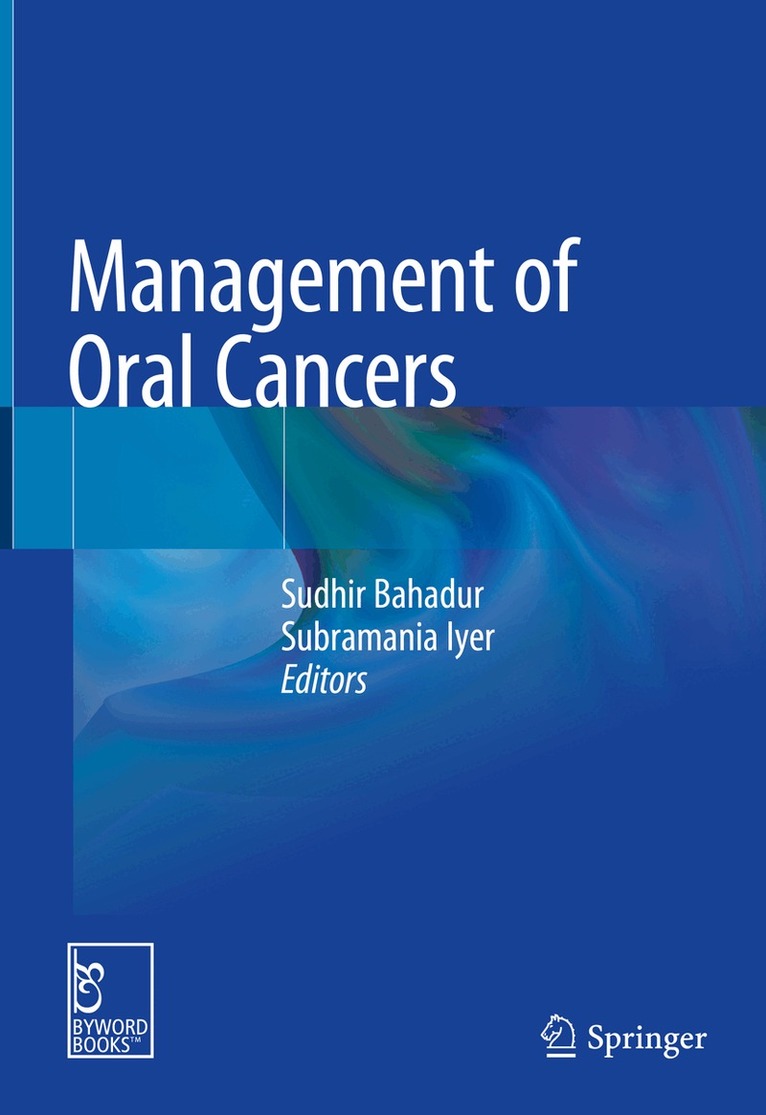
Tumor biology varies at different subsites in the oral cavity, and therefore carcinoma of the gingivo-buccal sulcus (also known as Indian cancer) behaves differently from carcinoma of the tongue. Oral cancer is very often diagnosed at an advanced stage with neck metastasis, and most cases have a guarded prognosis. Loco-regional recurrences are frequent and morbidity following treatment is considerable. However, results have improved in recent years, particularly in early and certain advanced stages, due to better imaging and case selection, improved surgical techniques, including those for reconstructive surgery, a multidisciplinary team approach and a better understanding of tumor biology and prognostic factors.This book comprehensively and systematically reviews all these aspects of diagnostic and therapeutic advances in oral cancer, particularly discussing early detection, epidemiology, chemoprevention and current research. Written by specialists whoare active leaders in basic sciences or clinical fields, the chapters address individual and collective issues in managing patients with oral cancer, and provide insights into various treatment approaches. The authors share their knowledge and experience and provide extensive literature sources to encourage clinicians to be flexible, innovative and help them make the best, educated decisions for individual patients.
1 422 kr
Skickas inom 10-15 vardagar
Tumor biology varies at different subsites in the oral cavity, and therefore carcinoma of the gingivo-buccal sulcus (also known as Indian cancer) behaves differently from carcinoma of the tongue. Oral cancer is very often diagnosed at an advanced stage with neck metastasis, and most cases have a guarded prognosis. Loco-regional recurrences are frequent and morbidity following treatment is considerable. However, results have improved in recent years, particularly in early and certain advanced stages, due to better imaging and case selection, improved surgical techniques, including those for reconstructive surgery, a multidisciplinary team approach and a better understanding of tumor biology and prognostic factors.This book comprehensively and systematically reviews all these aspects of diagnostic and therapeutic advances in oral cancer, particularly discussing early detection, epidemiology, chemoprevention and current research. Written by specialists whoare active leaders in basic sciences or clinical fields, the chapters address individual and collective issues in managing patients with oral cancer, and provide insights into various treatment approaches. The authors share their knowledge and experience and provide extensive literature sources to encourage clinicians to be flexible, innovative and help them make the best, educated decisions for individual patients.