Susan Major – författare
Visar alla böcker från författaren . Handla med fri frakt och snabb leverans.
5 produkter
5 produkter
Inbunden, Engelska, 2016
375 kr
Skickas inom 11-20 vardagar
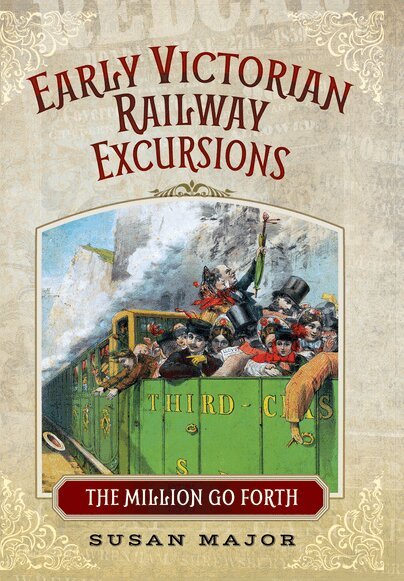
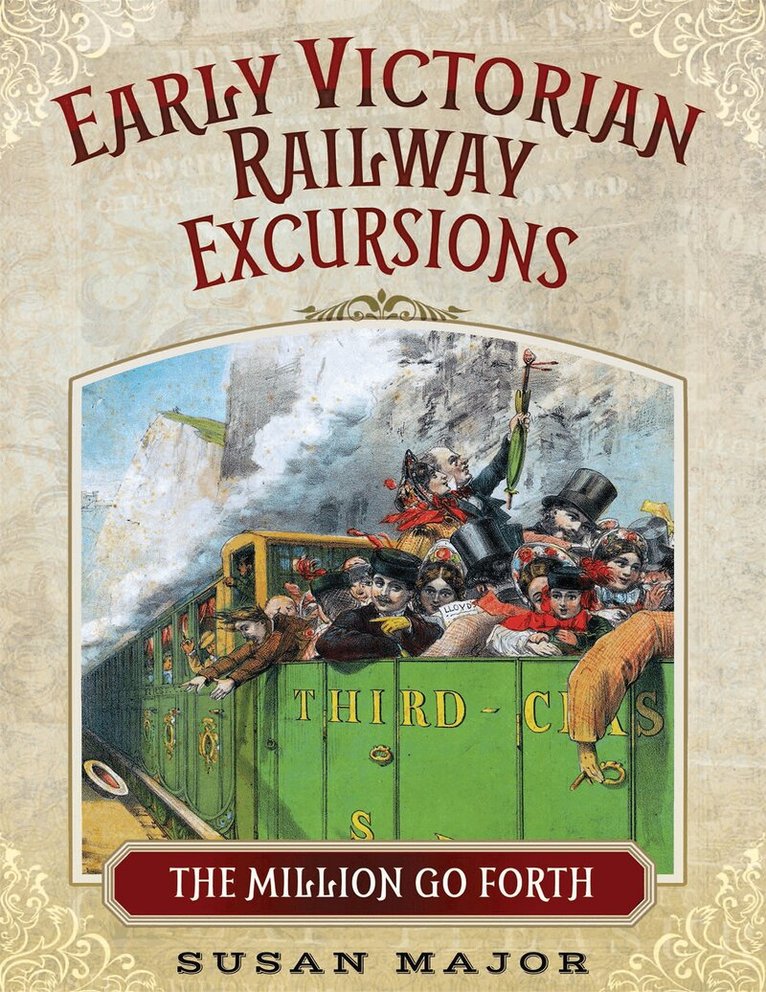
There is a widely held belief that Thomas Cook invented the railway excursion. In fact the railway excursion is almost as old as the railway itself, dating back to the 1830s, when hordes of people from one town would descend on another for a 'cheap trip'. Susan Major has carried out much in-depth research for this book, drawing on contemporary Victorian newspapers, and discovered that in fact Cook played a very minor role, mainly in encouraging middle-class people to go on more expensive excursions. Her book fills an important gap in railway history. It explores for the first time how the vast majority of ordinary working people in Britain in the middle of the nineteenth century were able to travel cheaply for leisure over long distances, in huge crowds, and return home. This was a stunning experience for the excursionists and caused great shocks to observers at the time. These 'trippers' had to overcome many obstacles, particularly from the Church of England and the non-conformist movement, who were affronted by the idea of people enjoying themselves on a Sunday, their only day away from work.The book takes the story of the early railway excursions from the 1840s to the 1860s, a dramatic period of railway and social change in British history.It looks at how these excursions were shaped and the experiences of working class travellers during this period, demolishing a number of cliches and myths endlessly reproduced in traditional railway histories. While Michael Portillo paints a picture of travellers sitting tidily in their railway carriages, consulting their Bradshaws, many working class excursionists on their trips were hanging on to the roof of a crowded carriage, endangering their lives, or enduring hours of travel in an open wagon in heavy rain.
E-bok
Engelska, 2021124 kr
Läs direkt efter köp
There is a widely held belief, that Thomas Cook invented the railway excursion, Susan Major has carried out much in depth research and discovered that this is not true.Thomas Cook was responsible for encouraging middle-class people to go on more expensive excursions.The railway excursion is almost as old as the railway itself, dating back to the 1830s, when hordes of people from one town, would descend on another for a Sunday day trip.The Millions go Forth, takes the story of the early railway excursions from the late 1840s to the 1860s and covers a very colourful period of railway and social change in British history. The early excursionists had those who opposed them, in the form of the Church of England and the non conformist movement, who hated the idea of people enjoying themselves on a Sunday.There were also journalists and politicians, who also hated the idea of the masses moving around the country and tried to stop such capers.This book for the first time covers this interesting period of social history and destroys a lot of myths attached to early railway travel.EPUB3: Reflowable
Inbunden, Engelska, 2018
219 kr
Skickas
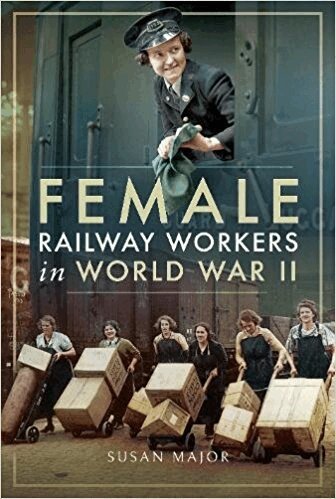
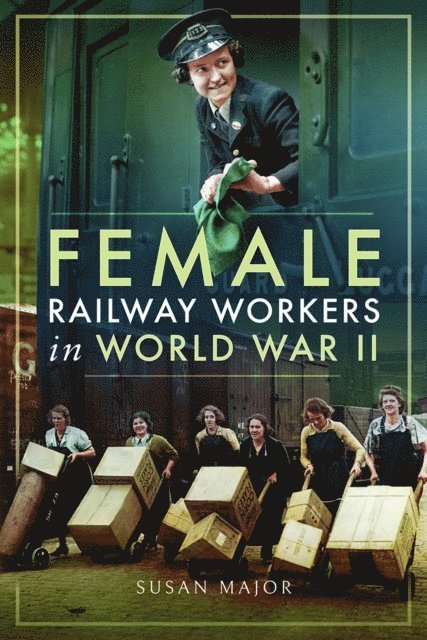
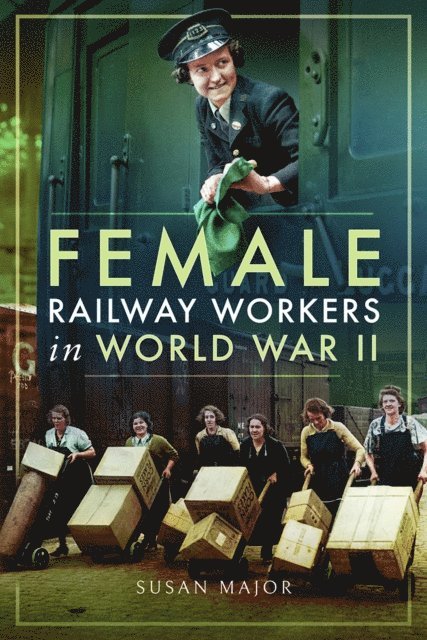
During World War II women took on railway roles which were completely new to females. They worked as porters and guards, on the permanent way, and in maintenance and workshop operations. In this book Susan Major features the voices of women talking about their wartime railway experiences, using interviews by the Friends of the National Railway Museum.Many were working in 'men's jobs', or working with men for the first time, and these interviews offer tantalising glimpses of conditions, sometimes under great danger. What was it about railway work that attracted them? It's fascinating to contrast their voices with the way they were portrayed in official publicity campaigns and in the light of attitudes to women working in the 1940s. These women talk about their difficulties in a workplace not designed for women-no toilets for example, the attitudes of their families, what they thought about American GIs and Italian POWs, how they coped with swearing and troublesome colleagues, rules about stockings. They describe devastating air raids and being thrust into tough responsibilities for the first time.This book fills a gap, as most books on women's wartime roles focus on the military services or industrial work. It offers valuable insights into the perceptions and concerns of these young women. As generations die out and families lose a direct connection, it becomes more important to be able to share their voices with a wider audience.
E-bok
Engelska, 2018157 kr
Läs direkt efter köp
During World War II women took on railway roles which were completely new to females. They worked as porters and guards, on the permanent way, and in maintenance and workshop operations. In this book Susan Major features the voices of women talking about their wartime railway experiences, using interviews by the Friends of the National Railway Museum. Many were working in ‘men’s jobs’, or working with men for the first time, and these interviews offer tantalising glimpses of conditions, sometimes under great danger. What was it about railway work that attracted them? It’s fascinating to contrast their voices with the way they were portrayed in official publicity campaigns and in the light of attitudes to women working in the 1940s. These women talk about their difficulties in a workplace not designed for women – no toilets for example, the attitudes of their families, what they thought about American GIs and Italian POWs, how they coped with swearing and troublesome colleagues, rules about stockings. They describe devastating air raids and being thrust into tough responsibilities for the first time. This book fills a gap, as most books on women’s wartime roles focus on the military services or industrial work. It offers valuable insights into the perceptions and concerns of these young women. As generations die out and families lose a direct connection, it becomes more important to be able to share their voices with a wider audience.
E-bok
PDF, Engelska, 2018157 kr
Läs direkt efter köp
During World War II women took on railway roles which were completely new to females. They worked as porters and guards, on the permanent way, and in maintenance and workshop operations. In this book Susan Major features the voices of women talking about their wartime railway experiences, using interviews by the Friends of the National Railway Museum. Many were working in ‘men’s jobs’, or working with men for the first time, and these interviews offer tantalising glimpses of conditions, sometimes under great danger. What was it about railway work that attracted them? It’s fascinating to contrast their voices with the way they were portrayed in official publicity campaigns and in the light of attitudes to women working in the 1940s. These women talk about their difficulties in a workplace not designed for women – no toilets for example, the attitudes of their families, what they thought about American GIs and Italian POWs, how they coped with swearing and troublesome colleagues, rules about stockings. They describe devastating air raids and being thrust into tough responsibilities for the first time. This book fills a gap, as most books on women’s wartime roles focus on the military services or industrial work. It offers valuable insights into the perceptions and concerns of these young women. As generations die out and families lose a direct connection, it becomes more important to be able to share their voices with a wider audience.