As the use of computerized information continues to proliferate, so does the need for a writing method suited to this new medium. In Writing for the Computer Screen, Hillary Goodall and Susan Smith Reilly call attention to new forms of information display unique to computers. The authors draw upon years of professional experience in business and education to present practical computer display techniques. This book examines the shortfalls of using established forms of writing for the computer where information needed in a hurry can be buried in a cluttered screen. Such problems can be minimized if screen design is guided by the characteristics of the medium.
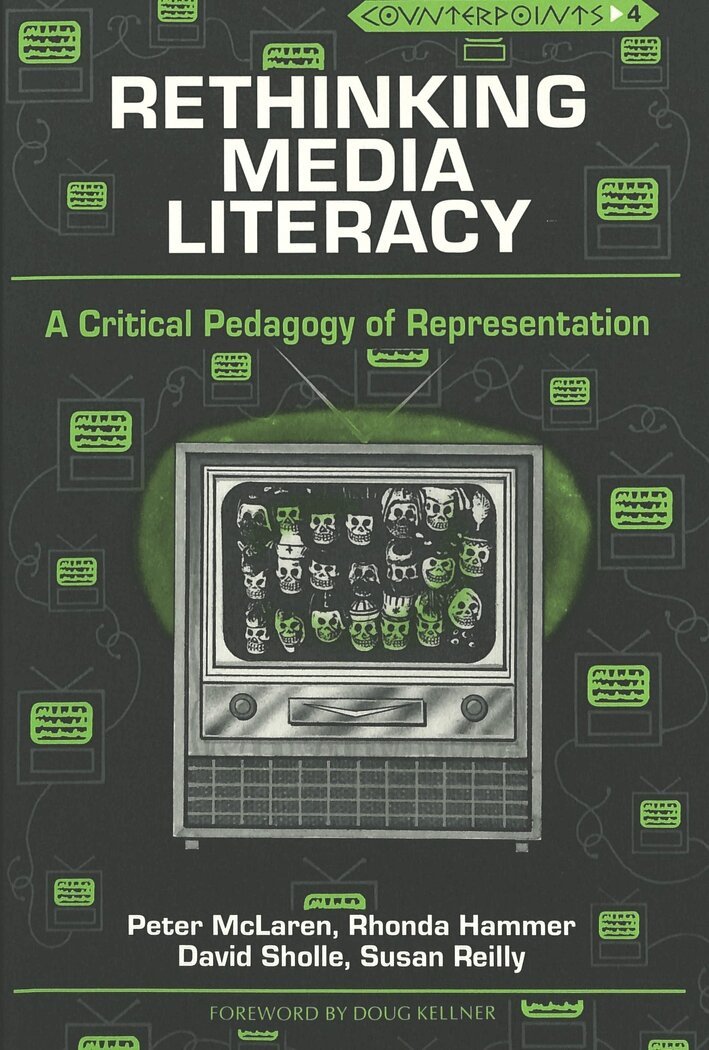
Who creates the cultural landscape we experience? When we watch the evening news, are we receiving unrevised information straight from the day's headlines or is it positioned in such a way as to 'manufacture consent,' as Chomsky put it? These are just two of the fascinating questions posed by the authors of this collection as they develop a new form of media literacy that encourages students to become critical readers of the media that attempts to shape their experience. This is an intriguing and wide-ranging critique that makes the perfect text for a variety of courses including curriculum studies, critical pedagogy, media studies, cultural studies and political science.
As the use of computerized information continues to proliferate, so does the need for a writing method suited to this new medium. In Writing for the Computer Screen, Hillary Goodall and Susan Smith Reilly call attention to new forms of information display unique to computers. The authors draw upon years of professional experience in business and education to present practical computer display techniques. This book examines the shortfalls of using established forms of writing for the computer where information needed in a hurry can be buried in a cluttered screen. Such problems can be minimized if screen design is guided by the characteristics of the medium.
Who creates the cultural landscape we experience? When we watch the evening news, are we receiving unrevised information straight from the day's headlines or is it positioned in such a way as to 'manufacture consent,' as Chomsky put it? These are just two of the fascinating questions posed by the authors of this collection as they develop a new form of media literacy that encourages students to become critical readers of the media that attempts to shape their experience. This is an intriguing and wide-ranging critique that makes the perfect text for a variety of courses including curriculum studies, critical pedagogy, media studies, cultural studies and political science.