Taejoon Kouh – författare
Visar alla böcker från författaren Taejoon Kouh. Handla med fri frakt och snabb leverans.
8 produkter
Thermal Physics Tutorials with Python Simulations
E-bok, 2023
883 kr
Lägg i varukorg
This book provides an accessible introduction to thermal physics with computational approaches that complement the traditional mathematical treatments of classical thermodynamics and statistical mechanics. It guides readers through visualizations and simulations in the Python programming language, …
Thermal Physics Tutorials with Python Simulations
E-bok, 2023
883 kr
Lägg i varukorg
This book provides an accessible introduction to thermal physics with computational approaches that complement the traditional mathematical treatments of classical thermodynamics and statistical mechanics. It guides readers through visualizations and simulations in the Python programming language, …
Thermal Physics Tutorials with Python Simulations
Inbunden, 2023
1521 kr
Lägg i varukorg
This book provides an accessible introduction to thermal physics with computational approaches that complement the traditional mathematical treatments of classical thermodynamics and statistical mechanics. It guides readers through visualizations and simulations in the Python programming language, …
Thermal Physics Tutorials with Python Simulations
Häftad, 2024
749 kr
Lägg i varukorg
This book provides an accessible introduction to thermal physics with computational approaches that complement the traditional mathematical treatments of classical thermodynamics and statistical mechanics. It guides readers through visualizations and simulations in the Python programming language, …
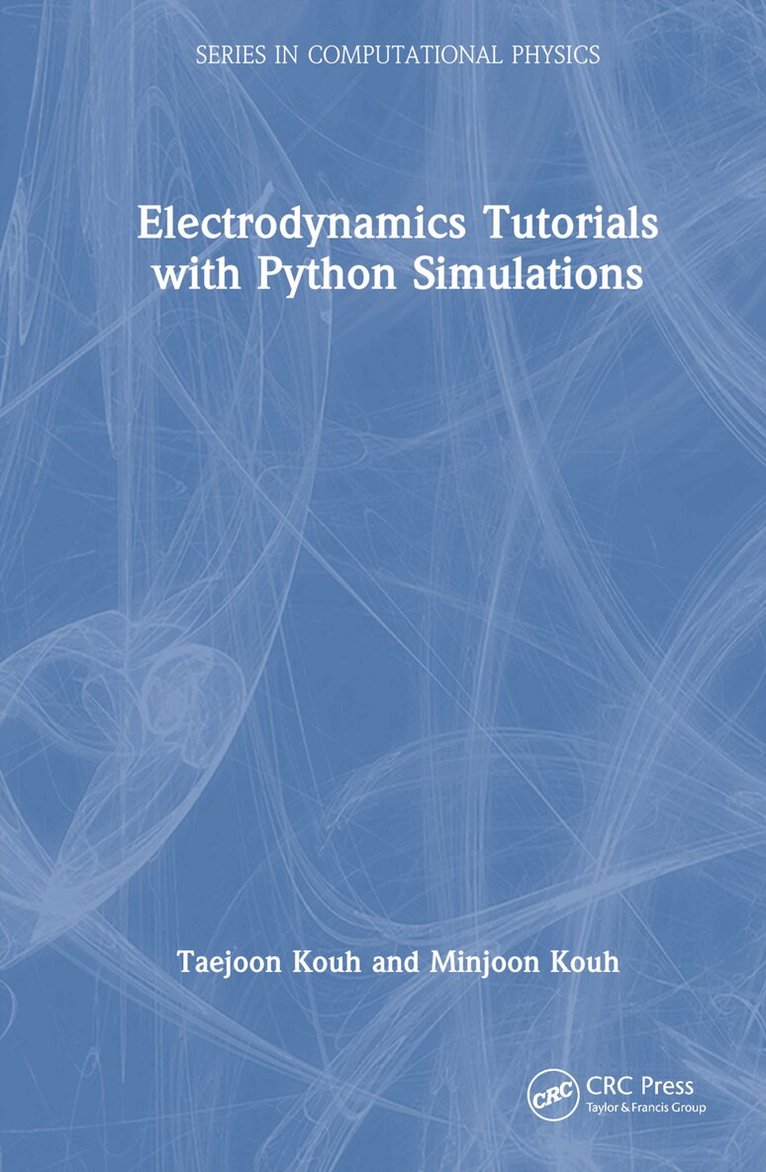
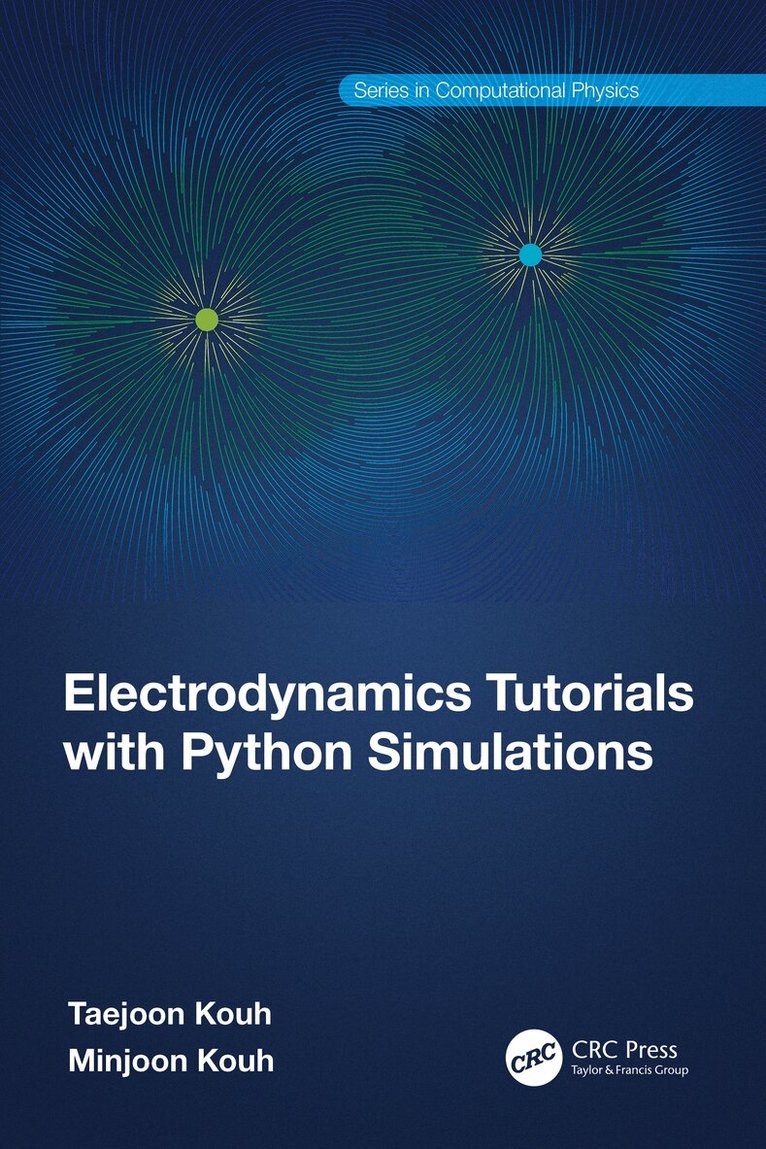
Electrodynamics Tutorials with Python Simulations
Inbunden, 2024
2132 kr
Lägg i varukorg
This book provides an accessible introduction to intermediate-level electrodynamics with computa- tional approaches to complement a traditional mathematical treatment of the subject. It covers key topics in electrodynamics, such as electromagnetic fields, forces, potentials, and waves as well as …
Electrodynamics Tutorials with Python Simulations
Häftad, 2024
793 kr
Lägg i varukorg
This book provides an accessible introduction to intermediate-level electrodynamics with computa- tional approaches to complement a traditional mathematical treatment of the subject. It covers key topics in electrodynamics, such as electromagnetic fields, forces, potentials, and waves as well as …
Electrodynamics Tutorials with Python Simulations
E-bok, 2024
831 kr
Lägg i varukorg
This book provides an accessible introduction to intermediate-level electrodynamics with computa- tional approaches to complement a traditional mathematical treatment of the subject. It covers key topics in electrodynamics, such as electromagnetic fields, forces, potentials, and waves as well as …
Electrodynamics Tutorials with Python Simulations
E-bok, 2024
831 kr
Lägg i varukorg
This book provides an accessible introduction to intermediate-level electrodynamics with computa- tional approaches to complement a traditional mathematical treatment of the subject. It covers key topics in electrodynamics, such as electromagnetic fields, forces, potentials, and waves as well as …