Tarik F. Massoud – författare
Visar alla böcker från författaren Tarik F. Massoud. Handla med fri frakt och snabb leverans.
10 produkter
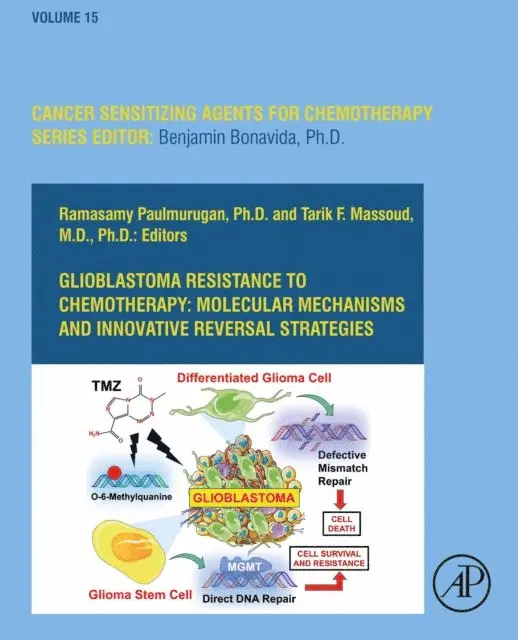
Glioblastoma Resistance to Chemotherapy: Molecular Mechanisms and Innovative Reversal Strategies
Av Ramasamy Paulmurugan, Tarik F. Massoud
Inbunden, 2021
1818 kr
Lägg i varukorg
Glioblastoma Resistance to Chemotherapy: Molecular Mechanisms and Innovative Reversal Strategies brings current knowledge from an international team of experts on the science and clinical management of glioblastoma chemoresistance. The book discusses topics such as molecular mechanisms of …
Glioblastoma Resistance to Chemotherapy: Molecular Mechanisms and Innovative Reversal Strategies
Av Tarik F. Massoud, Ramasamy Paulmurugan
E-bok, 2021
2475 kr
Lägg i varukorg
Glioblastoma Resistance to Chemotherapy: Molecular Mechanisms and Innovative Reversal Strategies brings current knowledge from an international team of experts on the science and clinical management of glioblastoma chemoresistance. The book discusses topics such as molecular mechanisms of …
Neuroimaging Anatomy, Part 1: Brain and Skull, An Issue of Neuroimaging Clinics of North America
Inbunden, 2022
1038 kr
Lägg i varukorg
In this issue of Neuroimaging Clinics, guest editor Dr. Tarik F. Massoud brings his considerable expertise to the topic of Neuroimaging Anatomy, Part 1: Brain and Skull. Anatomical knowledge is critical to reducing both overdiagnosis and misdiagnosis in neuroimaging. This issue is part one of a …
Neuroimaging Anatomy, Part 2: Head, Neck, and Spine, An Issue of Neuroimaging Clinics of North America
Inbunden, 2022
1038 kr
Lägg i varukorg
In this issue of Neuroimaging Clinics, guest editor Dr. Tarik F. Massoud brings his considerable expertise to the topic of Neuroimaging Anatomy, Part 2: Head, Neck, and Spine. Anatomical knowledge is critical to reducing both overdiagnosis and misdiagnosis in neuroimaging. This issue is part two of …
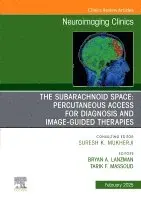
The Subarachnoid Space: Percutaneous Access for Diagnosis and Image-Guided therapies, An Issue of Neuroimaging Clinics of North America
Av Bryan Lanzman, Tarik F. Massoud
Inbunden, 2024
989 kr
Lägg i varukorg
In this issue of Neuroimaging Clinics , guest editors Drs. Bryan Lanzman and Tarik F. Massoud bring their considerable expertise to the topic of The Subarachnoid Space: Percutaneous Access for Diagnosis and Image-Guided Therapies . In this first-of-its-kind issue, top experts the field discuss a …
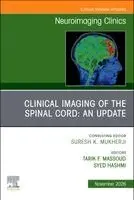
Clinical Imaging of the Spinal Cord: An Update, An Issue of Neuroimaging Clinics of North America
Av Tarik F. Massoud, Syed Hashmi
Inbunden, 2026
989 kr
Kommande
In this issue of Neuroimaging Clinics , guest editors Drs. Tarik F. Massoud and Syed Hashmi bring their considerable expertise to the topic of Clinical Imaging of the Spinal Cord: An Update . Top experts discuss structural MRI of the spinal cord; myelographic imaging of disorders affecting the …
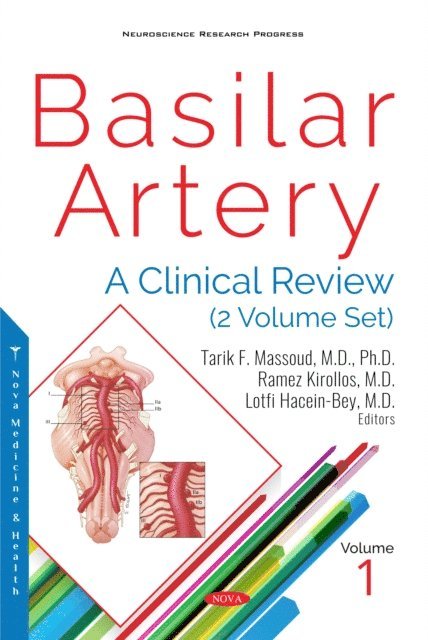
Basilar Artery: A Clinical Review (2 Volume Set)
E-bok, 2019
5370 kr
Lägg i varukorg
Perhaps no artery in the human body bears as much importance to bodily functions and life as the basilar artery, by virtue of the anatomical territories it serves. This is due to the critical nature of the physiological functions supported by the brainstem, the nearby cerebellum and cerebrum, and …
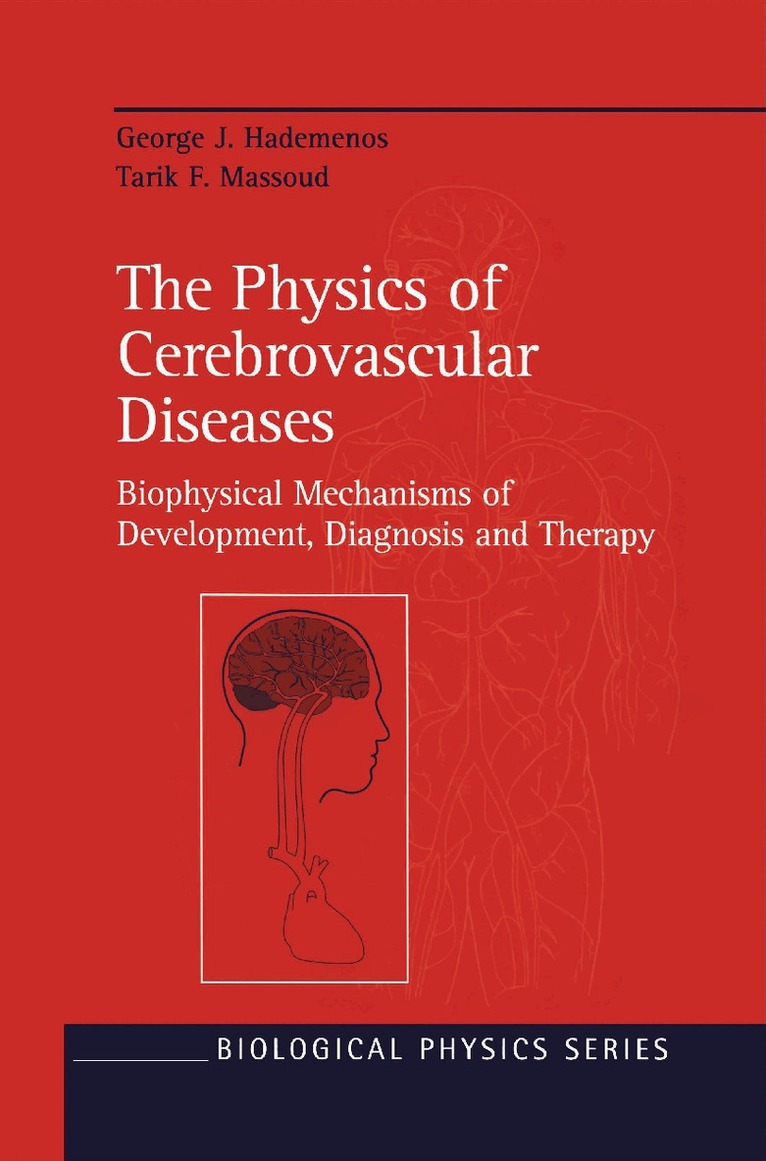
Physics of Cerebrovascular Diseases
Biophysical Mechanisms of Development, Diagnosis and Therapy
Av George J. Hademenos, Tarik F. Massoud
Inbunden, 1997
567 kr
Lägg i varukorg
Disease of the blood vessels of the brain currently ranks among the leading causes of death in western countries and leads to significan problems in health care. The neurological effects of non-fatal strokes can be devastating. Modern treatment methods, however, can significantly alleviate these. …
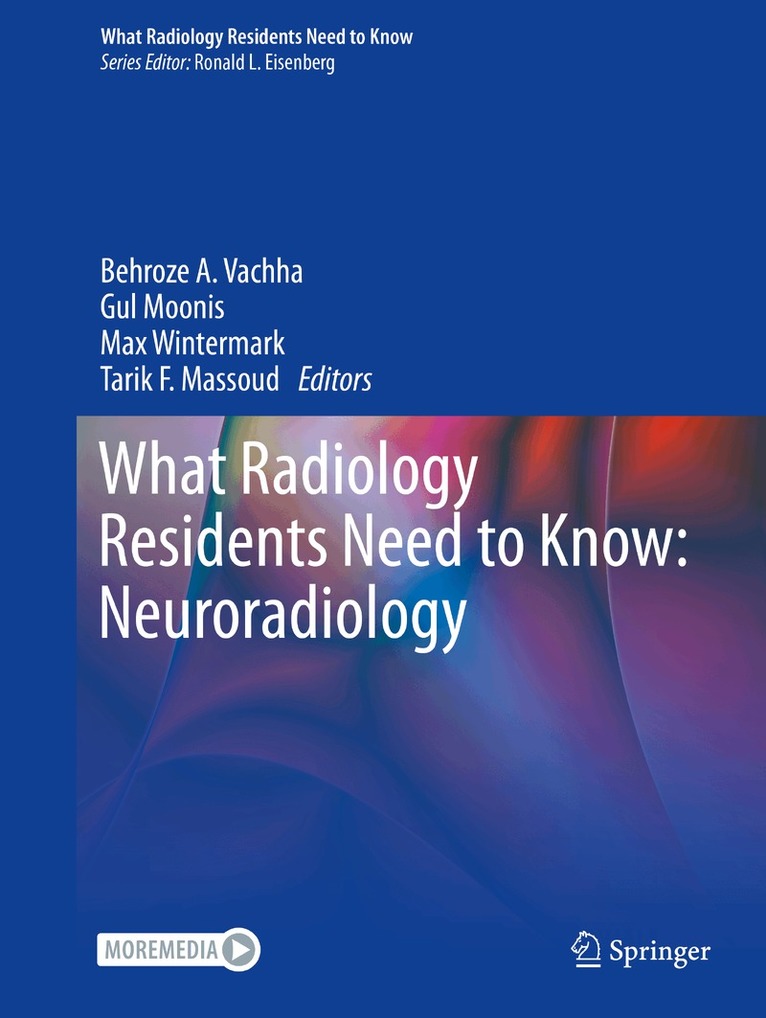
What Radiology Residents Need to Know: Neuroradiology
Neuroradiology
Av Behroze A. Vachha, Gul Moonis m. fl.
Häftad, 2024
680 kr
Lägg i varukorg
This book is an introduction to neuroradiology, specifically designed for the needs of first-year residents. Currently available textbooks, while excellent reference books, provide far too much material than is needed for radiology residents, particularly those on first-year rotations. This book …
What Radiology Residents Need to Know: Neuroradiology
Av Tarik F. Massoud, Max Wintermark m. fl.
E-bok, 2024
903 kr
Lägg i varukorg
This book is an introduction to neuroradiology, specifically designed for the needs of first-year residents. Currently available textbooks, while excellent reference books, provide far too much material than is needed for radiology residents, particularly those on first-year rotations. This book …