Thomas A. Bass – författare
Visar alla böcker från författaren Thomas A. Bass. Handla med fri frakt och snabb leverans.
6 produkter
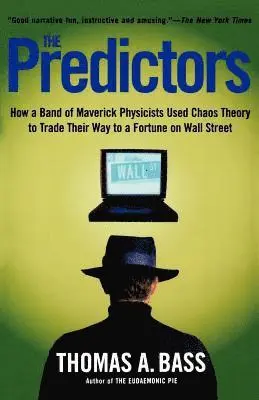
The Predictors: How a Band of Maverick Physicists Used Chaos Theory to Trade Their Way to a Fortune on Wall Street
Häftad, 2000
303 kr
Lägg i varukorg
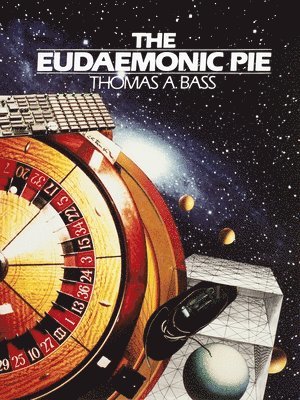
Eudaemonic Pie
The Bizarre True Story of How a Band of Physicists and Computer Wizards Took On Las Vegas
Häftad, 2017
166 kr
Lägg i varukorg
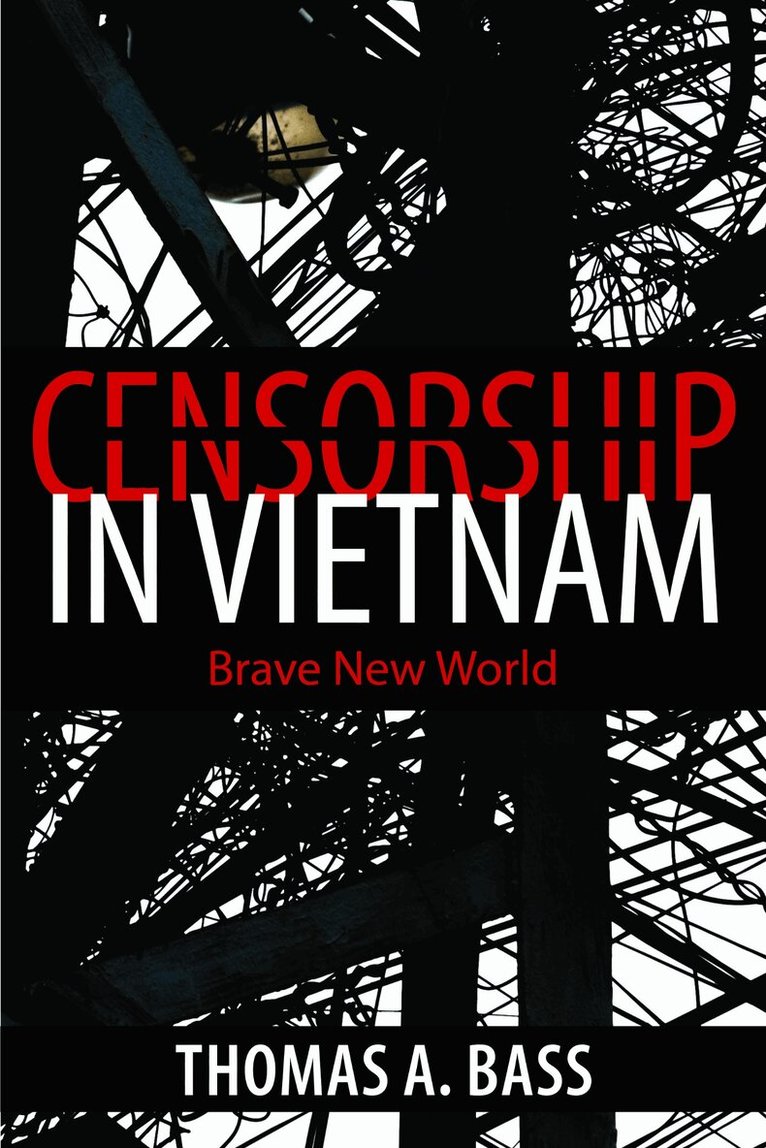
Censorship in Vietnam
Brave New World
Häftad, 2017
410 kr
Lägg i varukorg
What does censorship do to a culture? How do censors justify their work? What are the mechanisms by which censorship - and self-censorship - alter people's sense of time and memory, truth and reality? Thomas Bass faced these questions when The Spy Who Loved Us, his account of the famous Time …
Spy Who Loved Us
The Vietnam War and Pham Xuan an's Dangerous Game
Häftad, 2018
367 kr
Lägg i varukorg
Pham Xuan An was one of the twentieth century's greatest spies. While working as a correspondent for Time during the Vietnam War, he sent intelligence reports - written in invisible ink or hidden inside spring rolls in film canisters - to Ho Chi Minh and his generals in North Vietnam.Only after …
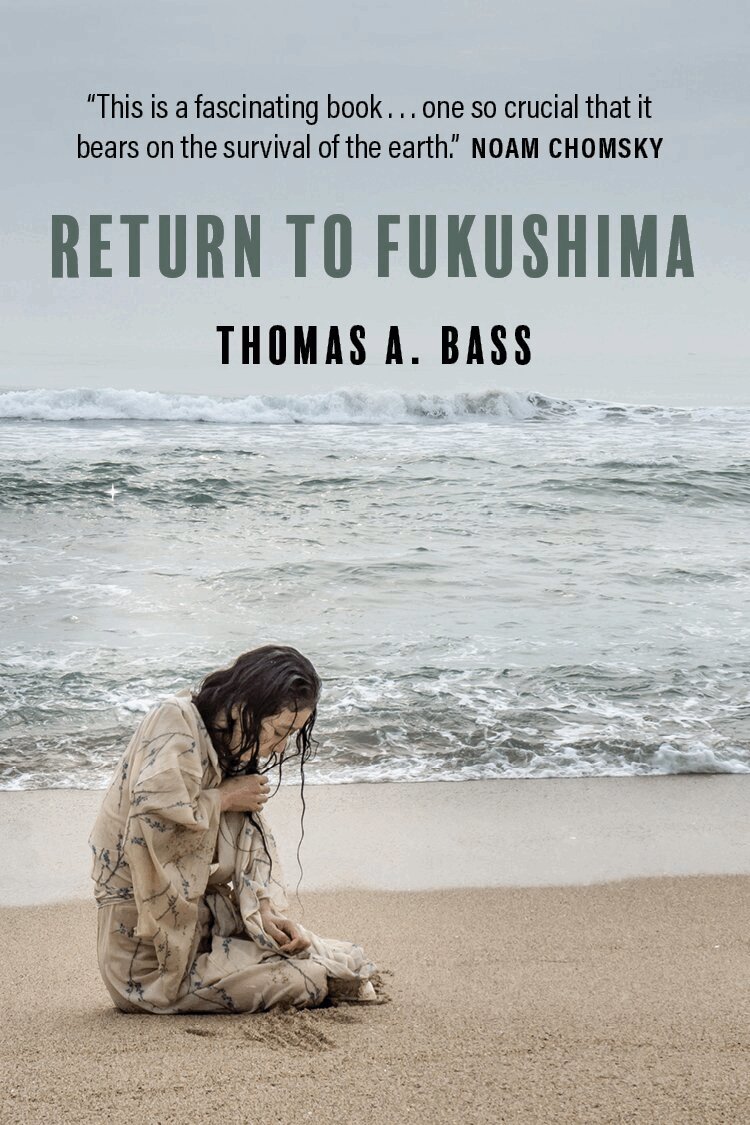
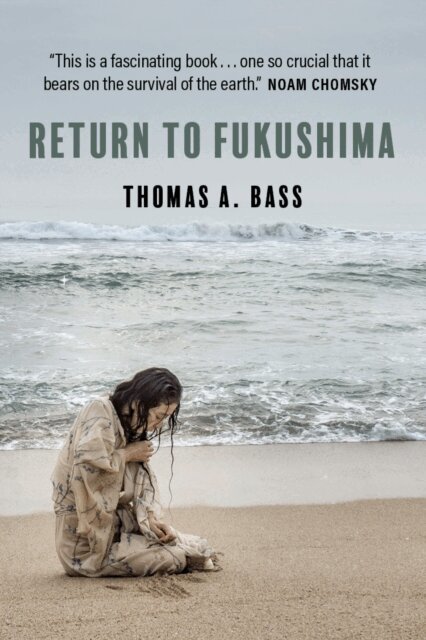
Return to Fukushima
Häftad, 2025
191 kr
Lägg i varukorg
Is it possible to live in a nuclear exclusion zone? Return to Fukushima captures the aftermath of the 2011 nuclear disaster, chronicling the resilience of people navigating life amid radioactivity.Fukushima is an ongoing nuclear disaster. The four reactors that melted down and exploded in 2011 are …
Return to Fukushima
E-bok, 2025
134 kr
Lägg i varukorg
Is it possible to live in a nuclear exclusion zone? Return to Fukushima captures the aftermath of the 2011 nuclear disaster, chronicling the resilience of people navigating life amid radioactivity. Fukushima is an ongoing nuclear disaster. The four reactors that melted down and exploded in 2011 are …