Thomas J. Green – författare
Visar alla böcker från författaren Thomas J. Green. Handla med fri frakt och snabb leverans.
7 produkter
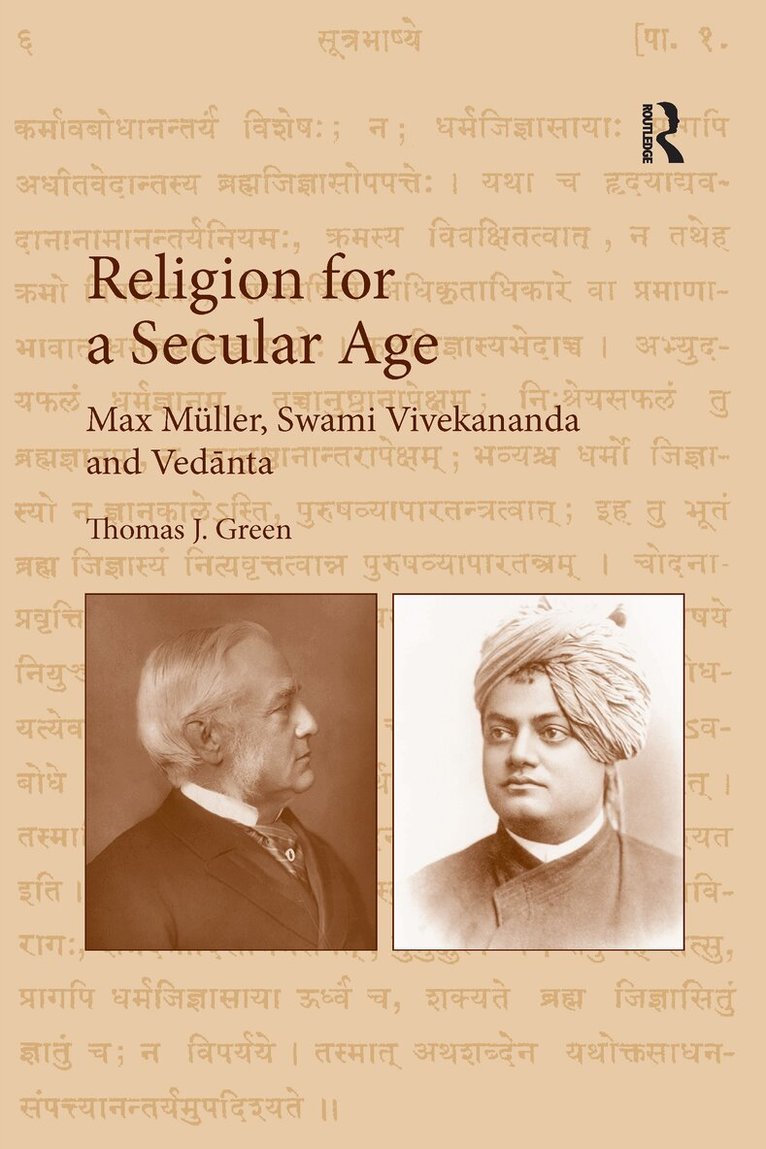
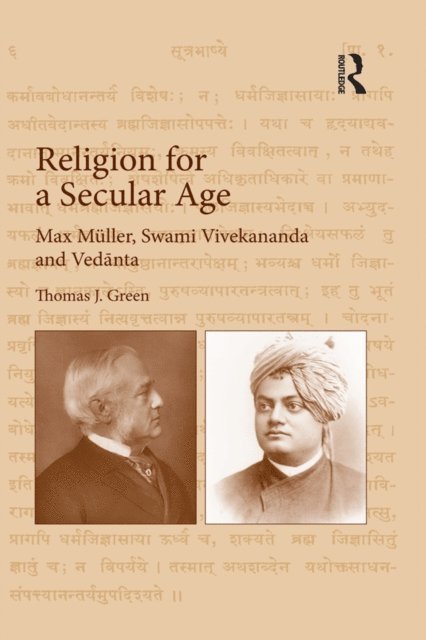
Religion for a Secular Age
Max Müller, Swami Vivekananda and Vedānta
Häftad, 2020
705 kr
Lägg i varukorg
Religion for a Secular Age provides a transnational history of modern Vedānta through a comparative study of two of its most important exponents, Friedrich Max Muller (1823–1900) and Swami Vivekananda (1863–1902). This book explains why Vedānta's appeal spanned the ostensibly very different …
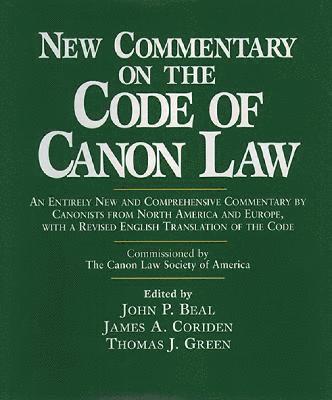
New Commentary on the Code of Canon Law
Av John P. Beal, James A. Coriden JCD,JD m. fl.
Inbunden, 2000
969 kr
Lägg i varukorg
An entirely new and comprehensive commentary by canon lawyers from North America and Europe, with a revised English translation of the code. Reflects the enormous developments in canon law since the publication of the original commentary.†
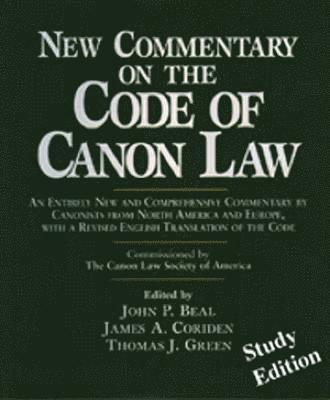
New Commentary on the Code of Canon Law (Study Edition)
Av John P. Beal, James A. Coriden JCD,JD m. fl.
Häftad, 2002
836 kr
Lägg i varukorg
An entirely new and comprehensive commentary by canon lawyers from North America and Europe, with a revised English translation of the code. Reflects the enormous developments in canon law since the publication of the original commentary. Now in paperback.†
Journal of the Texian Expedition Against Mier
Subsequent Imprisonment of the Author, His Sufferings, and the Final Escape from the Castle of Perote: With Reflections Upon the Present Political and Probable Future Relations of Texas, Mexico, and The...
Häftad, 2012
438 kr
Lägg i varukorg
Religion for a Secular Age
Max Muller, Swami Vivekananda and Vedanta
E-bok, 2016
856 kr
Lägg i varukorg
Religion for a Secular Age provides a transnational history of modern VedÄnta through a comparative study of two of its most important exponents, Friedrich Max Muller (1823–1900) and Swami Vivekananda (1863–1902). This book explains why VedÄnta''s appeal spanned the ostensibly very different …
Religion for a Secular Age
Max Muller, Swami Vivekananda and Vedanta
E-bok, 2016
856 kr
Lägg i varukorg
Religion for a Secular Age provides a transnational history of modern VedÄnta through a comparative study of two of its most important exponents, Friedrich Max Muller (1823–1900) and Swami Vivekananda (1863–1902). This book explains why VedÄnta''s appeal spanned the ostensibly very different …
Religion for a Secular Age
Max Müller, Swami Vivekananda and Vedānta
Inbunden, 2016
2510 kr
Lägg i varukorg
Religion for a Secular Age provides a transnational history of modern Vedānta through a comparative study of two of its most important exponents, Friedrich Max Muller (1823–1900) and Swami Vivekananda (1863–1902). This book explains why Vedānta's appeal spanned the ostensibly very different …