Thorsten Rudroff – författare
Visar alla böcker från författaren Thorsten Rudroff. Handla med fri frakt och snabb leverans.
5 produkter
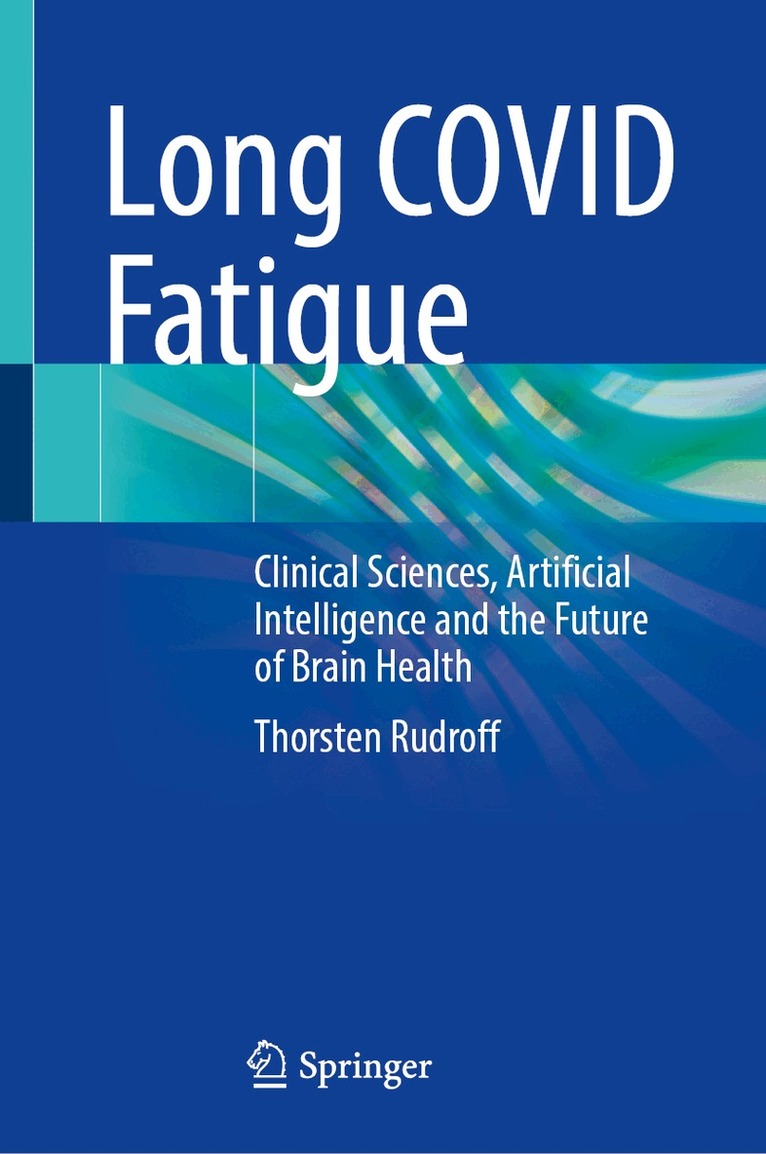
Long COVID Fatigue
Clinical Sciences, Artificial Intelligence and the Future of Brain Health
Inbunden, 2025
1574 kr
Lägg i varukorg
This book offers the first comprehensive analysis of long COVID fatigue using advanced neuroimaging and artificial intelligence (AI). It bridges the gap between basic science and patient care in post-viral syndromes. The volume guides readers from fundamental concepts to future innovations, making …
Long COVID Fatigue
Clinical Sciences, Artificial Intelligence and the Future of Brain Health
E-bok, 2025
2006 kr
Lägg i varukorg
This book offers the first comprehensive analysis of long COVID fatigue using advanced neuroimaging and artificial intelligence (AI). It bridges the gap between basic science and patient care in post-viral syndromes. The volume guides readers from fundamental concepts to future innovations, making …
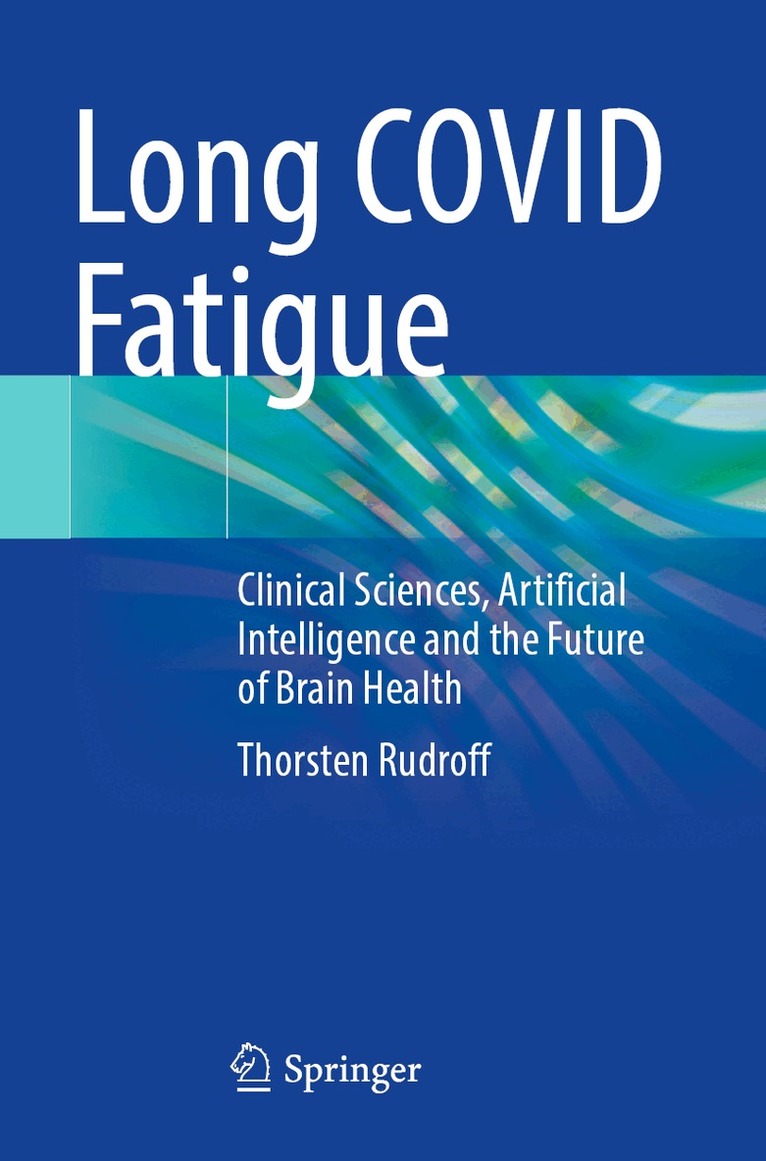
Long COVID Fatigue
Clinical Sciences, Artificial Intelligence and the Future of Brain Health
Häftad, 2026
1126 kr
Lägg i varukorg
This book offers the first comprehensive analysis of long COVID fatigue using advanced neuroimaging and artificial intelligence (AI). It bridges the gap between basic science and patient care in post-viral syndromes. The volume guides readers from fundamental concepts to future innovations, making …
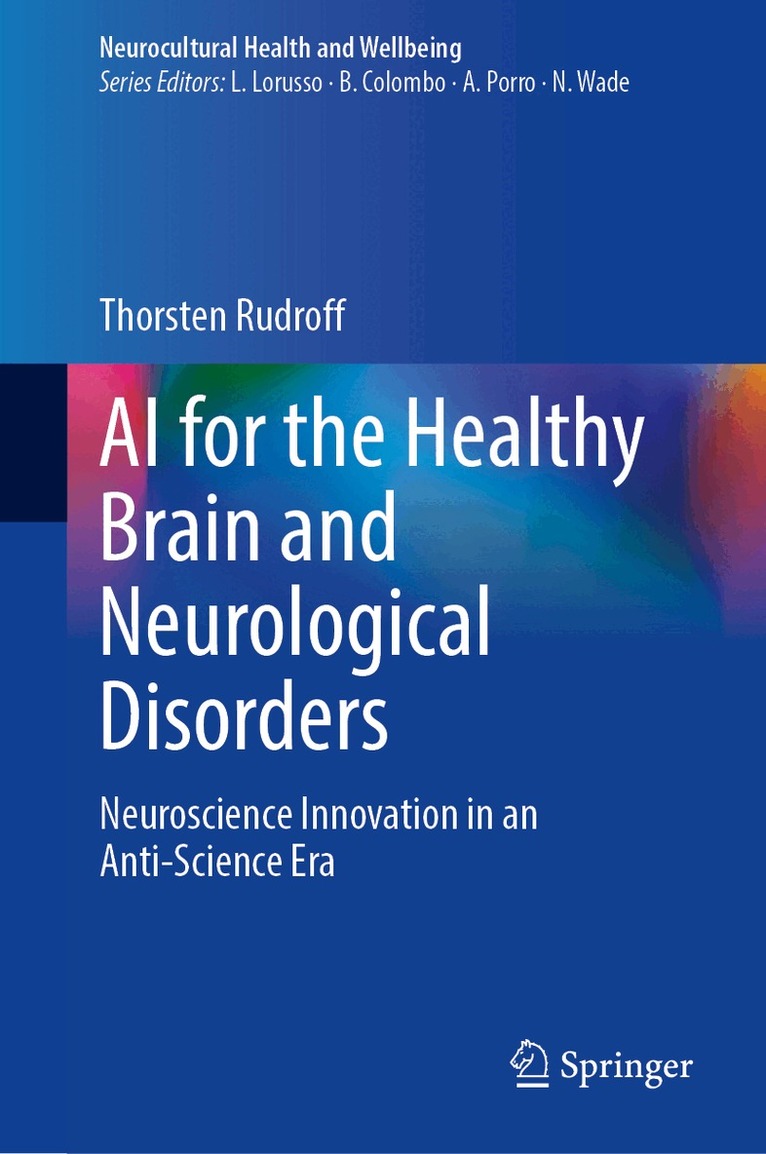
AI for the Healthy Brain and Neurological Disorders
Neuroscience Innovation in an Anti-Science Era
Inbunden, 2025
1462 kr
Lägg i varukorg
This book addresses a critical gap at the intersection of artificial intelligence, neuroscience, and the global crisis of anti-science sentiment. Unlike existing texts that focus solely on technical applications or ethical considerations, this work provides a comprehensive framework that integrates …
AI for the Healthy Brain and Neurological Disorders
Neuroscience Innovation in an Anti-Science Era
E-bok, 2025
1838 kr
Lägg i varukorg
This book addresses a critical gap at the intersection of artificial intelligence, neuroscience, and the global crisis of anti-science sentiment. Unlike existing texts that focus solely on technical applications or ethical considerations, this work provides a comprehensive framework that integrates …