Tian-jia Dong – författare
Visar alla böcker från författaren Tian-jia Dong. Handla med fri frakt och snabb leverans.
5 produkter
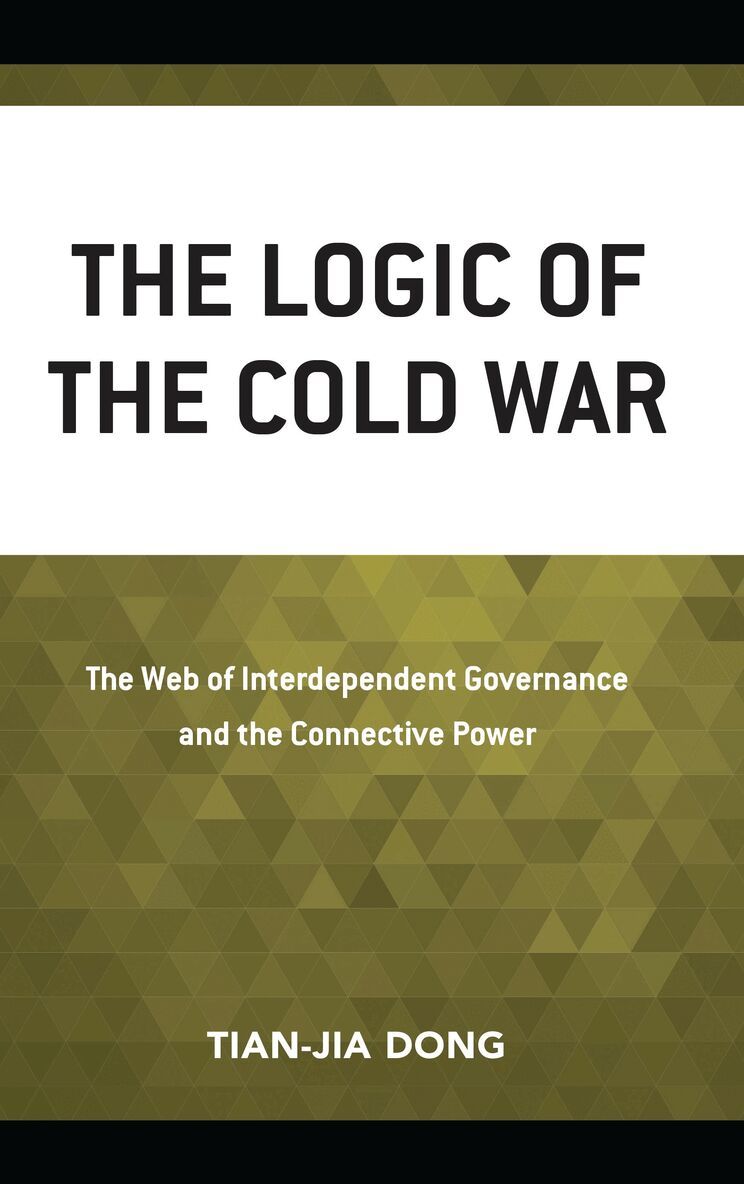
Logic of the Cold War
The Web of Interdependent Governance and the Connective Power
Inbunden, 2018
1207 kr
Lägg i varukorg
The Cold War revealed, for the first time in human history, the logic of human togetherness, which indicated that it was not only necessary for nation-states to live together but also possible for them to do so. The necessity was because of the inescapably shared vulnerability of “mutually assured …
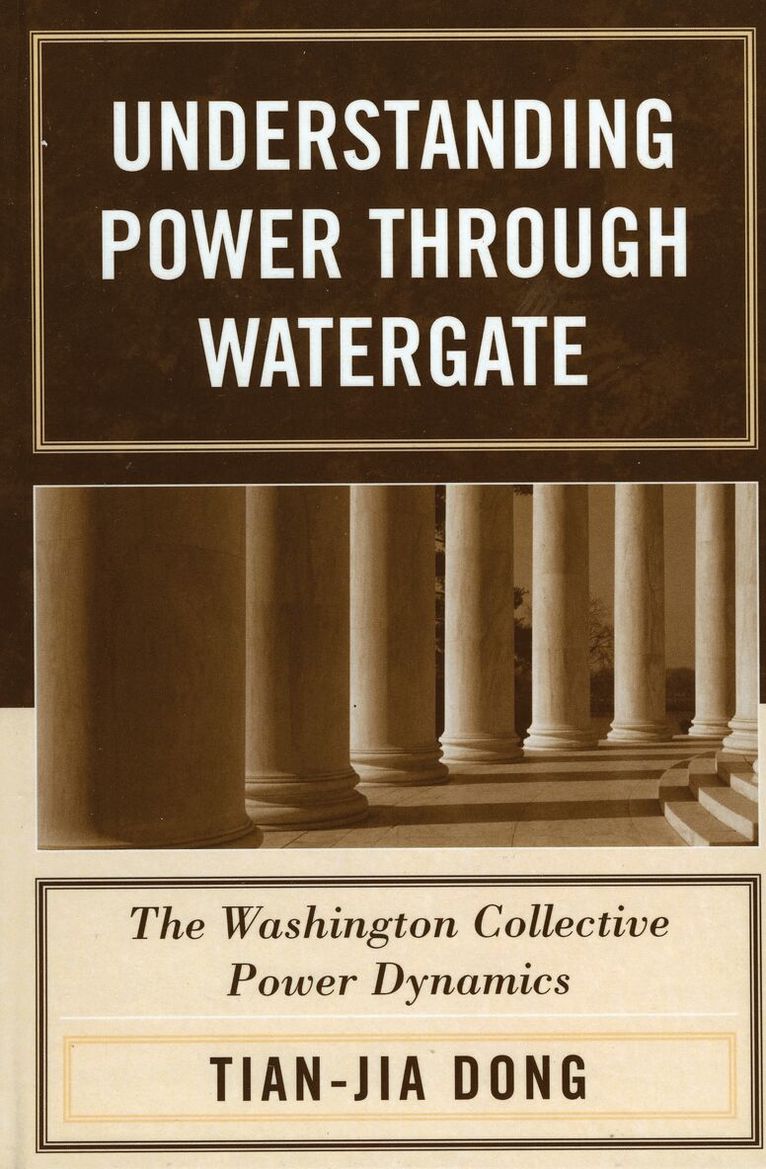
Understanding Power through Watergate
The Washington Collective Power Dynamics
Inbunden, 2005
1067 kr
Lägg i varukorg
Understanding Power through Watergate uses the Watergate Affair as a case to highlight the Washington collective power dynamic. Author Tian-jia Dong argues that formal state institutions only work effectively when they are embedded in social dynamics. Academics in the fields of political science, …
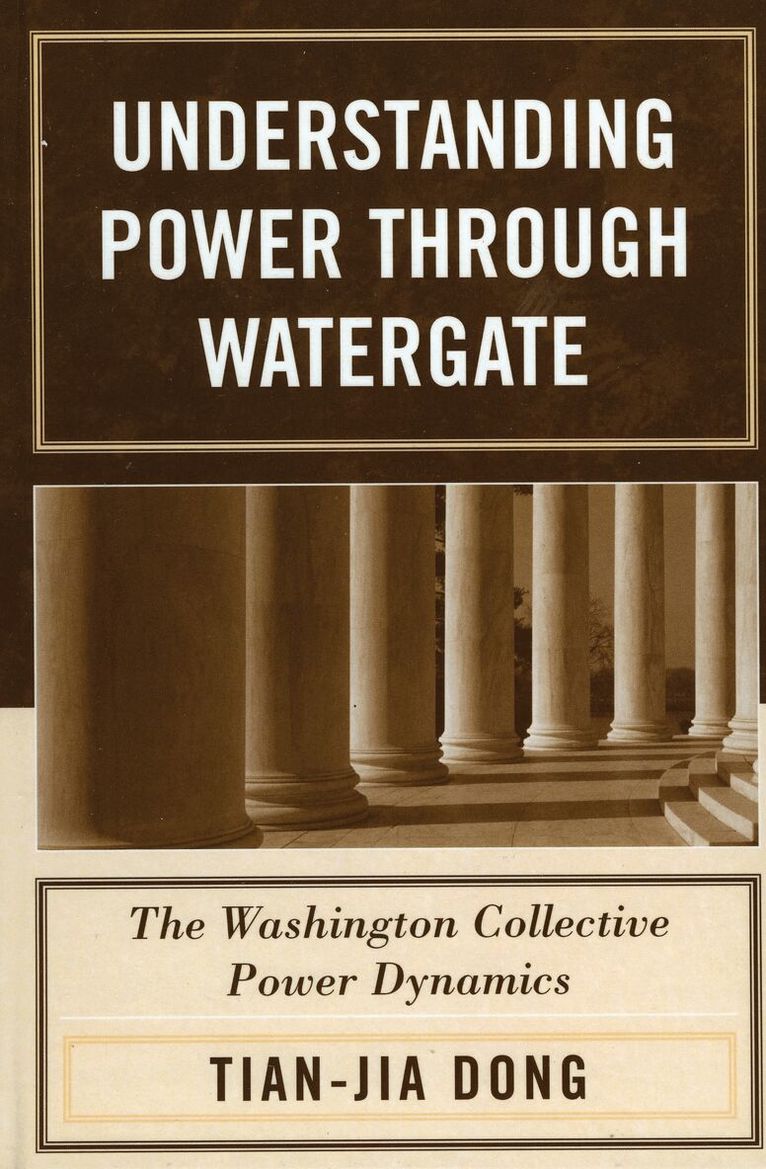
Understanding Power through Watergate
The Washington Collective Power Dynamics
Häftad, 2005
615 kr
Lägg i varukorg
Understanding Power through Watergate uses the Watergate Affair as a case to highlight the Washington collective power dynamic. Author Tian-jia Dong argues that formal state institutions only work effectively when they are embedded in social dynamics. Academics in the fields of political science, …
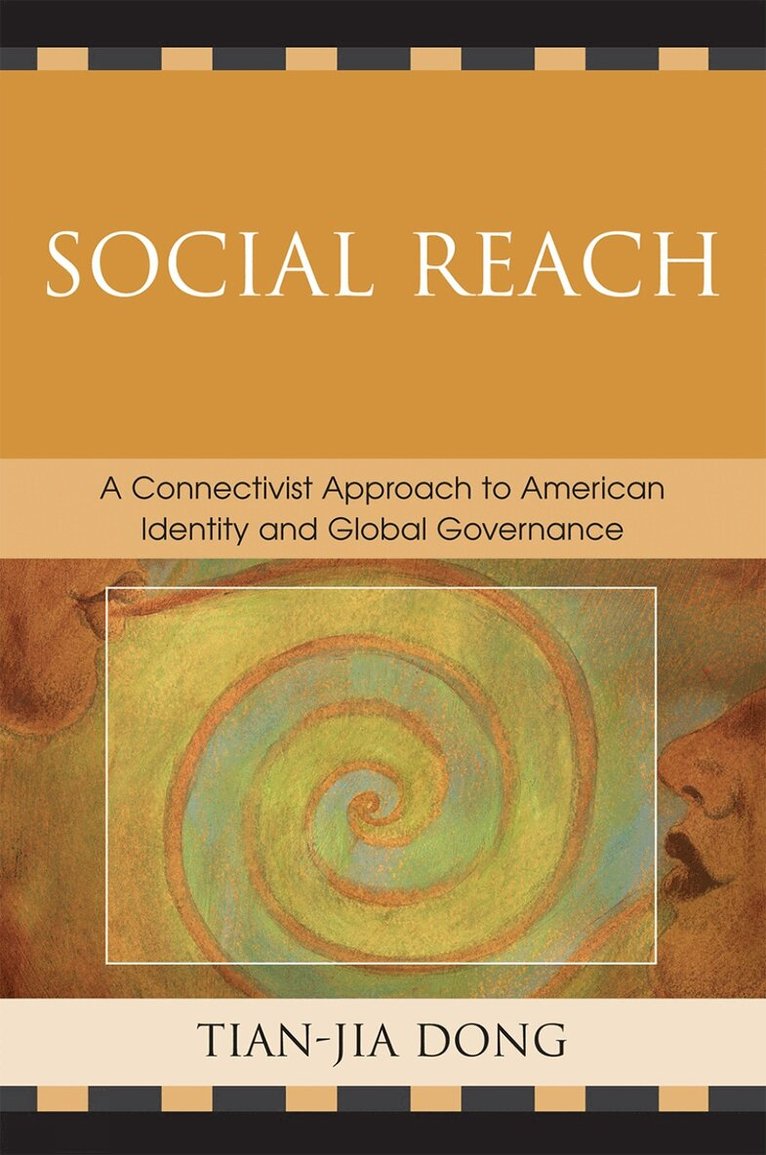
Social Reach
A Connectivist Approach to American Identity and Global Governance
Häftad, 2008
558 kr
Lägg i varukorg
Social Reach examines the identity of global leadership and the impact it has on global governance. Realism focuses on strategic interests; idealism focuses on norms and values. However, the "either my interest or my value" approach toward international relations is not compatible with the identity …
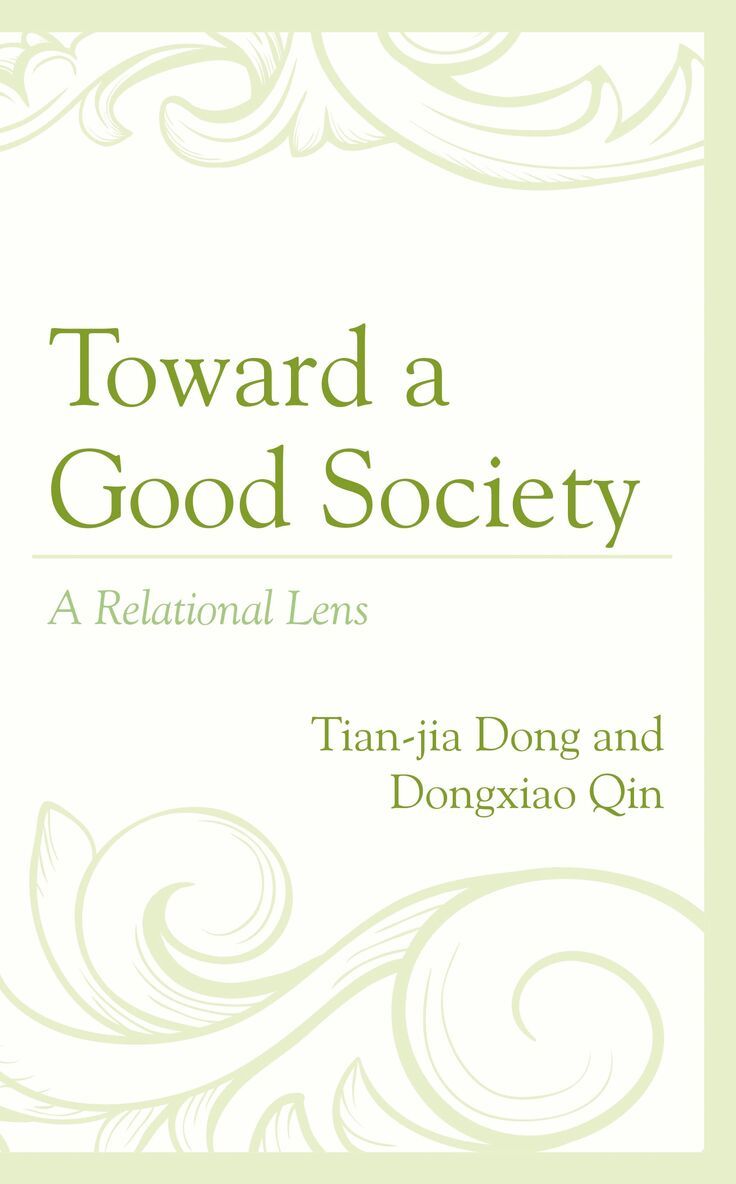
Toward a Good Society
A Relational Lens
Av Tian-jia Dong, Dongxiao Qin
Inbunden, 2021
1208 kr
Lägg i varukorg
In Toward a Good Society: A Relational Lens, authors Tian-jia Dong and Dongxiao Qin theorize a mutually empowering and growth-fostering society. The authors first demonstrate the feasibility of this society by grounding it in the framework of relational psychology. Departing from there, they travel …