Tien Anh Tran – författare
2 171 kr
Skickas inom 10-15 vardagar
3 092 kr
Läs direkt efter köp
1 716 kr
Skickas inom 10-15 vardagar
2 107 kr
Läs direkt efter köp
886 kr
Läs direkt efter köp
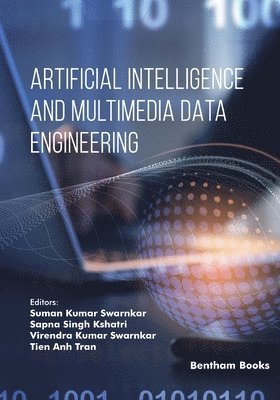
This book focuses on different applications of multimedia with supervised and unsupervised data engineering in the modern world. It includes AI-based soft computing and machine techniques in the field of medical diagnosis, biometrics, networking, manufacturing, data science, automation in electronics industries, and many more relevant fields.
Multimedia Data Processing and Computing provides a complete introduction to machine learning concepts, as well as practical guidance on how to use machine learning tools and techniques in real-world data engineering situations. It is divided into three sections. In this book on multimedia data engineering and machine learning, the reader will learn how to prepare inputs, interpret outputs, appraise discoveries, and employ algorithmic strategies that are at the heart of successful data mining. The chapters focus on the use of various machine learning algorithms, neural net- work algorithms, evolutionary techniques, fuzzy logic techniques, and deep learning techniques through projects, so that the reader can easily understand not only the concept of different algorithms but also the real-world implementation of the algorithms using IoT devices. The authors bring together concepts, ideas, paradigms, tools, methodologies, and strategies that span both supervised and unsupervised engineering, with a particular emphasis on multimedia data engineering. The authors also emphasize the need for developing a foundation of machine learning expertise in order to deal with a variety of real-world case studies in a variety of sectors such as biological communication systems, healthcare, security, finance, and economics, among others. Finally, the book also presents real-world case studies from machine learning ecosystems to demonstrate the necessary machine learning skills to become a successful practitioner.
The primary users for the book include undergraduate and postgraduate students, researchers, academicians, specialists, and practitioners in computer science and engineering.
886 kr
Läs direkt efter köp
This book focuses on different applications of multimedia with supervised and unsupervised data engineering in the modern world. It includes AI-based soft computing and machine techniques in the field of medical diagnosis, biometrics, networking, manufacturing, data science, automation in electronics industries, and many more relevant fields.
Multimedia Data Processing and Computing provides a complete introduction to machine learning concepts, as well as practical guidance on how to use machine learning tools and techniques in real-world data engineering situations. It is divided into three sections. In this book on multimedia data engineering and machine learning, the reader will learn how to prepare inputs, interpret outputs, appraise discoveries, and employ algorithmic strategies that are at the heart of successful data mining. The chapters focus on the use of various machine learning algorithms, neural net- work algorithms, evolutionary techniques, fuzzy logic techniques, and deep learning techniques through projects, so that the reader can easily understand not only the concept of different algorithms but also the real-world implementation of the algorithms using IoT devices. The authors bring together concepts, ideas, paradigms, tools, methodologies, and strategies that span both supervised and unsupervised engineering, with a particular emphasis on multimedia data engineering. The authors also emphasize the need for developing a foundation of machine learning expertise in order to deal with a variety of real-world case studies in a variety of sectors such as biological communication systems, healthcare, security, finance, and economics, among others. Finally, the book also presents real-world case studies from machine learning ecosystems to demonstrate the necessary machine learning skills to become a successful practitioner.
The primary users for the book include undergraduate and postgraduate students, researchers, academicians, specialists, and practitioners in computer science and engineering.
860 kr
Läs direkt efter köp
Wastewater Treatment Using Green Synthesis discusses advances in wastewater treatment with a focus on biological processes. Major topics discussed include bioremediation through microorganisms, green and iron-based nanoparticles in wastewater treatment, TiO2 Doped Lignocellulosic Biopolymer with an emphasis on their photodegradation potential for a variety of pollutants, and permanent film growth. It further includes remediation of industrial sludges/effluents with a particular emphasis on biological treatment, phytoremediation, and de-ballasting water treatment technology.
Features:
Focuses on the implementation of effective wastewater treatment with orientation towards biological processes Covers both biological and physico-chemical waste and wastewater treatment processes, focusing on emerging techniques Reviews computational method approaches, the application of TiO2-doped biopolymers, iron nanoparticles, and the use of molecular techniques for wastewater treatment Illustrates molecular docking, molecular dynamics simulation, homology modelling, and biodegradation pathways prediction Includes dedicated chapters on biological wastewater treatmentThis book is aimed at graduate students and researchers in environmental and chemical engineering with a focus on wastewater treatment.
860 kr
Läs direkt efter köp
Wastewater Treatment Using Green Synthesis discusses advances in wastewater treatment with a focus on biological processes. Major topics discussed include bioremediation through microorganisms, green and iron-based nanoparticles in wastewater treatment, TiO2 Doped Lignocellulosic Biopolymer with an emphasis on their photodegradation potential for a variety of pollutants, and permanent film growth. It further includes remediation of industrial sludges/effluents with a particular emphasis on biological treatment, phytoremediation, and de-ballasting water treatment technology.
Features:
Focuses on the implementation of effective wastewater treatment with orientation towards biological processes Covers both biological and physico-chemical waste and wastewater treatment processes, focusing on emerging techniques Reviews computational method approaches, the application of TiO2-doped biopolymers, iron nanoparticles, and the use of molecular techniques for wastewater treatment Illustrates molecular docking, molecular dynamics simulation, homology modelling, and biodegradation pathways prediction Includes dedicated chapters on biological wastewater treatmentThis book is aimed at graduate students and researchers in environmental and chemical engineering with a focus on wastewater treatment.
860 kr
Läs direkt efter köp
The development of intelligent transportation systems, especially autonomous underwater vehicles, has become significant in marine engineering, with an aim to enhance energy efficiency management and communication systems. This book covers different aspects of optimization of autonomous underwater vehicles and their propulsion systems via machine learning techniques. It further analyses hydrodynamic characteristics including the study of experimental investigation combined with hydrodynamic characteristics backed by MATLAB® codes and simulation study results.
Features:
Covers utilization of machine learning techniques with a focus on marine science and ocean engineering.
Details effect of the intelligent transportation system (ITS) into the sustainable environment and ecology system.
Evaluates performance of particle swarm intelligence-based optimization techniques.
Reviews propulsion performance of the remote-controlled vehicles based on machine learning techniques.
Includes MATLAB® examples and simulation study results.
This book is aimed at graduate students and researchers in marine engineering and technology, computer science, and control system engineering.
868 kr
Läs direkt efter köp
The development of intelligent transportation systems, especially autonomous underwater vehicles, has become significant in marine engineering, with an aim to enhance energy efficiency management and communication systems. This book covers different aspects of optimization of autonomous underwater vehicles and their propulsion systems via machine learning techniques. It further analyses hydrodynamic characteristics including the study of experimental investigation combined with hydrodynamic characteristics backed by MATLAB® codes and simulation study results.
Features:
Covers utilization of machine learning techniques with a focus on marine science and ocean engineering.
Details effect of the intelligent transportation system (ITS) into the sustainable environment and ecology system.
Evaluates performance of particle swarm intelligence-based optimization techniques.
Reviews propulsion performance of the remote-controlled vehicles based on machine learning techniques.
Includes MATLAB® examples and simulation study results.
This book is aimed at graduate students and researchers in marine engineering and technology, computer science, and control system engineering.
1 874 kr
Skickas inom 10-15 vardagar
740 kr
Skickas inom 10-15 vardagar
1 944 kr
Skickas inom 10-15 vardagar
740 kr
Skickas inom 10-15 vardagar
1 503 kr
Skickas inom 10-15 vardagar
762 kr
Skickas inom 10-15 vardagar
1 859 kr
Skickas inom 10-15 vardagar
751 kr
Kommande
2 500 kr
Skickas inom 10-15 vardagar
862 kr
Skickas inom 10-15 vardagar
2 950 kr
Läs direkt efter köp
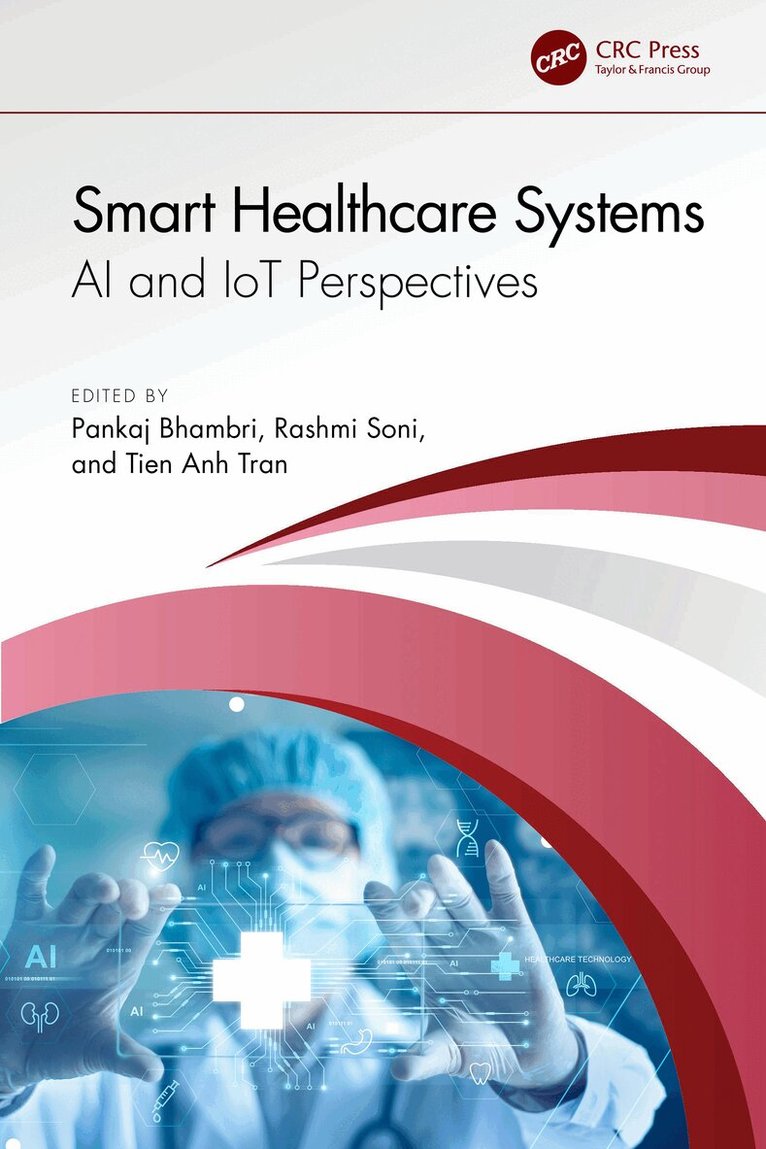
Recently, the fields of Artificial Intelligence (AI) and the Internet of Things (IoT) have revolutionized numerous industries, including healthcare. The convergence of AI and IoT has given birth to smart healthcare systems, transforming the way we deliver, receive, and experience healthcare services. This book explores the profound impact of these technologies on healthcare and presents a comprehensive overview of their applications, challenges, and prospects.
Smart Healthcare Systems: AI and IoT Perspectives addresses various aspects of how smart healthcare can be used to detect and analyze diseases, the underlying methodologies, and related security concerns. It also discusses healthcare as a multidisciplinary field that involves a range of sectors such as the financial system, social factors, health technologies, and organizational structures that affect individuals, families, institutions, organizations, and populations’ healthcare. The book presents the goals of healthcare services which include patient safety, timeliness, effectiveness, efficiency, and equity. An outline of what smart healthcare consists of which is m-health, e-health, electronic resource management, smart and intelligent home services, and medical devices is included. Along with highlights on how AI and IoT-enabled healthcare technologies are suitable for remote health monitoring, including rehabilitation, and assisted ambient living. Rounding the offers of this book out is that it also covers how healthcare analytics can be applied to the data gathered from different areas to improve healthcare at a minimum expense.
Researchers, Academicians, Industry, R&D Organizations, medical professionals, PG students, and policymakers in the fields of artificial intelligence, the internet of things, healthcare informatics, biomedical engineering, medical informatics, and related subjects can use this book to assist them in making appropriate decisions regarding these emerging disciplines.
2 924 kr
Läs direkt efter köp
Recently, the fields of Artificial Intelligence (AI) and the Internet of Things (IoT) have revolutionized numerous industries, including healthcare. The convergence of AI and IoT has given birth to smart healthcare systems, transforming the way we deliver, receive, and experience healthcare services. This book explores the profound impact of these technologies on healthcare and presents a comprehensive overview of their applications, challenges, and prospects.
Smart Healthcare Systems: AI and IoT Perspectives addresses various aspects of how smart healthcare can be used to detect and analyze diseases, the underlying methodologies, and related security concerns. It also discusses healthcare as a multidisciplinary field that involves a range of sectors such as the financial system, social factors, health technologies, and organizational structures that affect individuals, families, institutions, organizations, and populations’ healthcare. The book presents the goals of healthcare services which include patient safety, timeliness, effectiveness, efficiency, and equity. An outline of what smart healthcare consists of which is m-health, e-health, electronic resource management, smart and intelligent home services, and medical devices is included. Along with highlights on how AI and IoT-enabled healthcare technologies are suitable for remote health monitoring, including rehabilitation, and assisted ambient living. Rounding the offers of this book out is that it also covers how healthcare analytics can be applied to the data gathered from different areas to improve healthcare at a minimum expense.
Researchers, Academicians, Industry, R&D Organizations, medical professionals, PG students, and policymakers in the fields of artificial intelligence, the internet of things, healthcare informatics, biomedical engineering, medical informatics, and related subjects can use this book to assist them in making appropriate decisions regarding these emerging disciplines.
936 kr
Läs direkt efter köp
Artificial Intelligence (AI) is reshaping our urban landscapes and healthcare systems. From enhancing efficiency in smart cities to delivering personalized healthcare solutions, AI holds the key to a transformative future.
Comprising seven insightful chapters, this book offers a comprehensive overview of key topics shaping the future of healthcare systems and smart cities. This book is a combination of the smart healthcare system and the intelligent transportation system based on AI. From telemedicine’s global accessibility to the application of data-mining techniques in predicting cardiac diseases and detecting anti-malaria drug resistance, each chapter presents cutting-edge research and practical applications.
Furthermore, this book explores the integration of advanced AI technologies into healthcare systems, paving the way for cost-effective solutions and innovative approaches. It also delves into the challenges associated with analyzing electroencephalogram data and predicting anxiety and depression among elderly patients, offering promising solutions and insights.
This book discusses the realms of smart cities and healthcare, where AI promises to revolutionize efficiency, sustainability, and personalized care delivery.
Researchers/scholars and graduate students at universities/research institutes and research engineers in computer science, transportation, and engineering industries will find this book beneficial.
936 kr
Läs direkt efter köp
Artificial Intelligence (AI) is reshaping our urban landscapes and healthcare systems. From enhancing efficiency in smart cities to delivering personalized healthcare solutions, AI holds the key to a transformative future.
Comprising seven insightful chapters, this book offers a comprehensive overview of key topics shaping the future of healthcare systems and smart cities. This book is a combination of the smart healthcare system and the intelligent transportation system based on AI. From telemedicine’s global accessibility to the application of data-mining techniques in predicting cardiac diseases and detecting anti-malaria drug resistance, each chapter presents cutting-edge research and practical applications.
Furthermore, this book explores the integration of advanced AI technologies into healthcare systems, paving the way for cost-effective solutions and innovative approaches. It also delves into the challenges associated with analyzing electroencephalogram data and predicting anxiety and depression among elderly patients, offering promising solutions and insights.
This book discusses the realms of smart cities and healthcare, where AI promises to revolutionize efficiency, sustainability, and personalized care delivery.
Researchers/scholars and graduate students at universities/research institutes and research engineers in computer science, transportation, and engineering industries will find this book beneficial.
1 725 kr
Kommande
2 155 kr
Skickas inom 5-8 vardagar
2 578 kr
Läs direkt efter köp
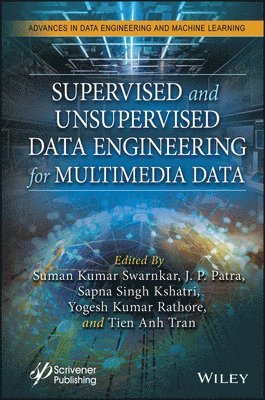
Explore the cutting-edge realms of data engineering in multimedia with Supervised and Unsupervised Data Engineering for Multimedia Data, where expert contributors delve into innovative methodologies, offering invaluable insights to empower both novices and seasoned professionals in mastering the art of manipulating multimedia data with precision and efficiency.
Supervised and Unsupervised Data Engineering for Multimedia Data presents a groundbreaking exploration into the intricacies of handling multimedia data through the lenses of both supervised and unsupervised data engineering. Authored by a team of accomplished experts in the field, this comprehensive volume serves as a go-to resource for data scientists, computer scientists, and researchers seeking a profound understanding of cutting-edge methodologies.
The book seamlessly integrates theoretical foundations with practical applications, offering a cohesive framework for navigating the complexities of multimedia data. Readers will delve into a spectrum of topics, including artificial intelligence, machine learning, and data analysis, all tailored to the challenges and opportunities presented by multimedia datasets. From foundational principles to advanced techniques, each chapter provides valuable insights, making this book an essential guide for academia and industry professionals alike. Whether you’re a seasoned practitioner or a newcomer to the field, Supervised and Unsupervised Data Engineering for Multimedia Data illuminates the path toward mastery in manipulating and extracting meaningful insights from multimedia data in the modern age.
2 578 kr
Läs direkt efter köp
Explore the cutting-edge realms of data engineering in multimedia with Supervised and Unsupervised Data Engineering for Multimedia Data, where expert contributors delve into innovative methodologies, offering invaluable insights to empower both novices and seasoned professionals in mastering the art of manipulating multimedia data with precision and efficiency.
Supervised and Unsupervised Data Engineering for Multimedia Data presents a groundbreaking exploration into the intricacies of handling multimedia data through the lenses of both supervised and unsupervised data engineering. Authored by a team of accomplished experts in the field, this comprehensive volume serves as a go-to resource for data scientists, computer scientists, and researchers seeking a profound understanding of cutting-edge methodologies.
The book seamlessly integrates theoretical foundations with practical applications, offering a cohesive framework for navigating the complexities of multimedia data. Readers will delve into a spectrum of topics, including artificial intelligence, machine learning, and data analysis, all tailored to the challenges and opportunities presented by multimedia datasets. From foundational principles to advanced techniques, each chapter provides valuable insights, making this book an essential guide for academia and industry professionals alike. Whether you’re a seasoned practitioner or a newcomer to the field, Supervised and Unsupervised Data Engineering for Multimedia Data illuminates the path toward mastery in manipulating and extracting meaningful insights from multimedia data in the modern age.
1 335 kr
Skickas inom 10-15 vardagar
1 579 kr
Läs direkt efter köp
This book covers the sustainability issues of a green environment towards economics and society in terms of alteration in industrial pollution levels, effect of reduced carbon emissions, changes in water bodies characteristics with respect to heavy metal contamination, monitoring of associated impact with respect to ecology and biodiversity, impact of reduced noise levels and air quality influences on human health, handling and management of biomedical waste. According to WHO, 80% of people living in urban areas are exposed to air exceeding safe limits. The advent of "sustainability‟ in development science has led planners to apply evolving notions of "sustainability‟ to the contemporary debate over how cities and regions should be revitalized, redeveloped, and reformed. Market allocation of resources, sustained levels of growth and consumption, an assumption that natural resources are unlimited and a belief that economic growth will „trickle down‟ to the poor have been its hallmarks. The recent advance technology helps to promote green and clean modern societies continuously. The Internet of things will be playing an important role in the upcoming years in environment protection and sustainable development.
There is a focus on paradigm shift in the sustainable development for the green environment during the period of isolation of COVID-19. This is the moment for the mobilization against the climate crisis. The sudden fall in pollutants and subsequent blue skies signifies a dramatic shift for India and also other affected countries during this period. Fighting climate change requires a collaborative approach between all spheres of society unlike the former. It must heavily redirect resources towards local, sustainable activities, including education, health, sustainable agriculture and circular management of resources. The impact of COVID-19 pandemic which has resulted in the dramatic change in the different aspects of the environment. The global lockdown has led to a rejuvenation of nature, ecosystems, biodiversity. Even urban environments are discovering a degree of peace and serenity, which led to decrease in greenhouse gas emission.