Tihomir Topuzovski - Böcker
Visar alla böcker från författaren Tihomir Topuzovski. Handla med fri frakt och snabb leverans.
4 produkter
4 produkter
1 276 kr
Skickas inom 10-15 vardagar
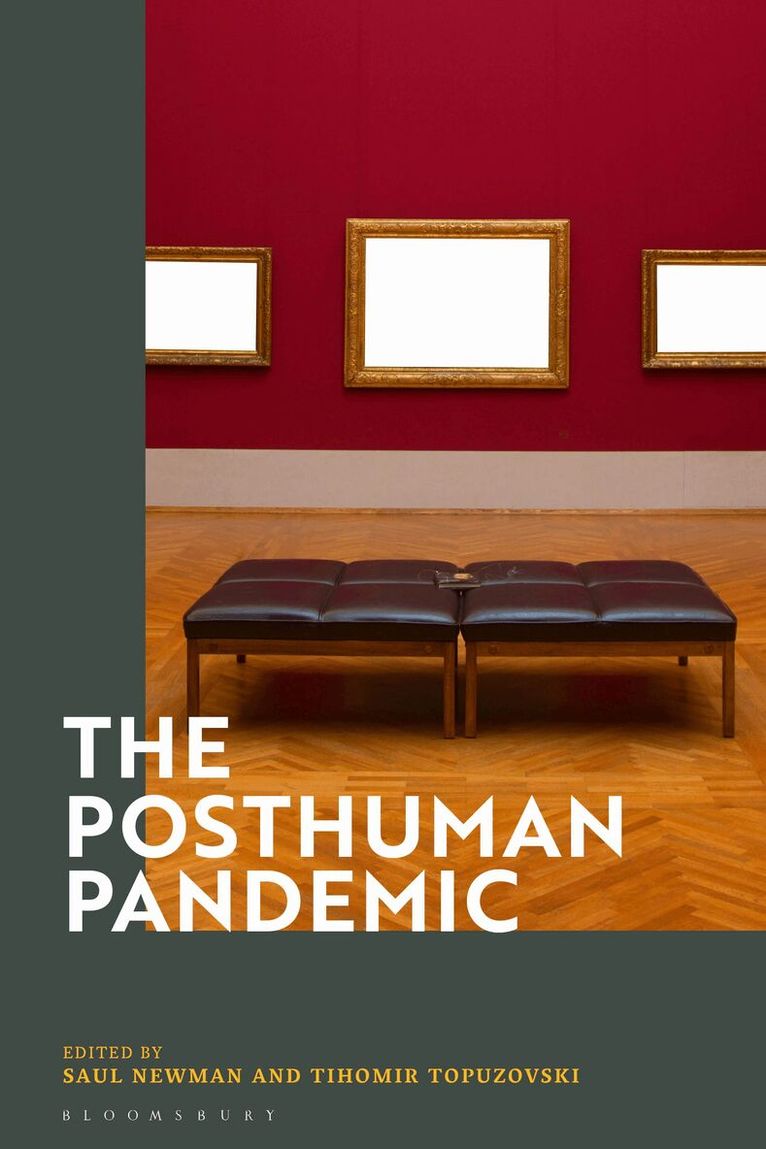
With the COVID-19 crisis forcing us to reflect in a dramatic way on the limits of the human and the implications of the Anthropocene Age, this timely volume addresses these concerns through an exploration of post-humanism as represented in philosophy, politics and aesthetics. Global pandemics bring into sharp focus the bankruptcy of the neoliberal economic paradigm, the future of the arts sector in society, and our dependence upon political forces outside our control. In response to the recent state of emergency, The Posthuman Pandemic highlights the urgent need to rethink our anthropocentrism and develop new political models, aesthetic practices and ways of living. Central to these discussions is the idea of post-humanism, a philosophy that can help us grapple with the crisis, as it takes seriously the unstable ecosystems on which we depend and the precarious nature of our long-cherished notions of agency and sovereignty. Bringing together international philosophers, political theorists and media and art theorists, all of whom engage with the posthuman, this volume explores a range of vital subjects, from the inequality revealed by COVID-19 survival rates to museums’ role in spreading human-centric understandings of a world struck by human fragility.Facing up to the realities that the coronavirus outbreak has uncovered, The Posthuman Pandemic combines both breadth and depth of analysis to take on the posthuman challenges confronting us today.
408 kr
Skickas inom 10-15 vardagar
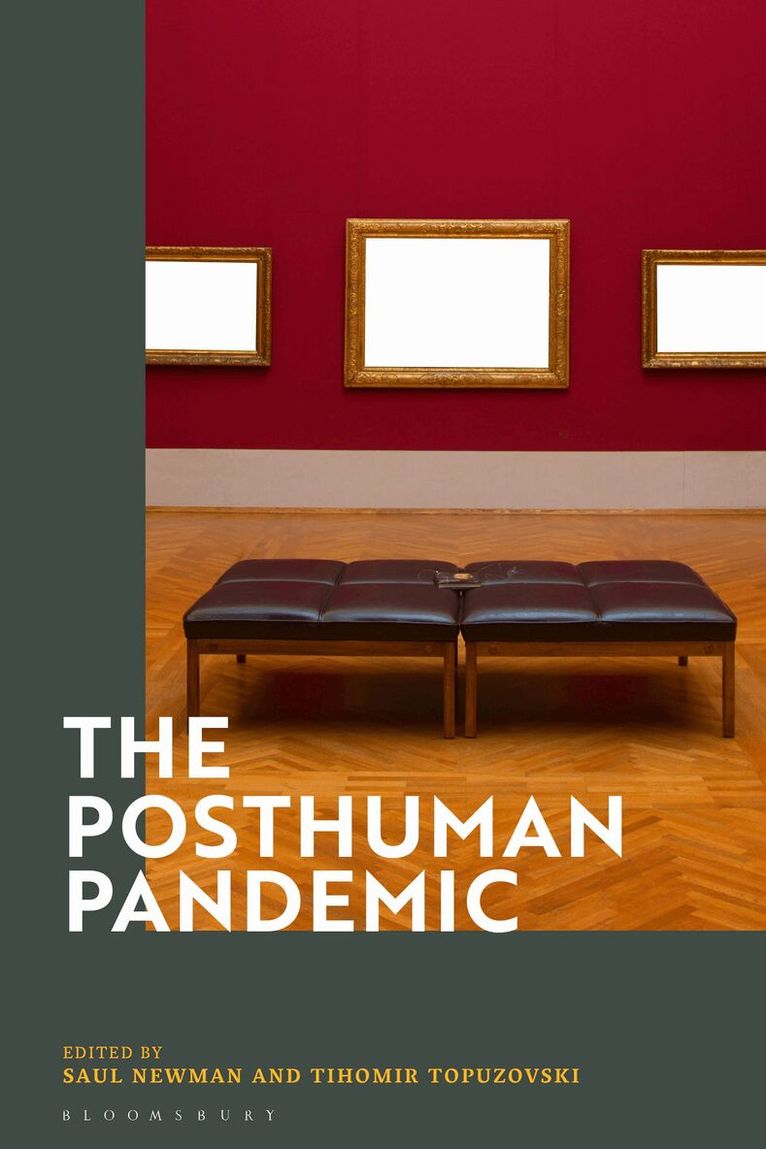
With the COVID-19 crisis forcing us to reflect in a dramatic way on the limits of the human and the implications of the Anthropocene Age, this timely volume addresses these concerns through an exploration of post-humanism as represented in philosophy, politics and aesthetics. Global pandemics bring into sharp focus the bankruptcy of the neoliberal economic paradigm, the future of the arts sector in society, and our dependence upon political forces outside our control. In response to the recent state of emergency, The Posthuman Pandemic highlights the urgent need to rethink our anthropocentrism and develop new political models, aesthetic practices and ways of living. Central to these discussions is the idea of post-humanism, a philosophy that can help us grapple with the crisis, as it takes seriously the unstable ecosystems on which we depend and the precarious nature of our long-cherished notions of agency and sovereignty. Bringing together international philosophers, political theorists and media and art theorists, all of whom engage with the posthuman, this volume explores a range of vital subjects, from the inequality revealed by COVID-19 survival rates to museums’ role in spreading human-centric understandings of a world struck by human fragility.Facing up to the realities that the coronavirus outbreak has uncovered, The Posthuman Pandemic combines both breadth and depth of analysis to take on the posthuman challenges confronting us today.
1 209 kr
Skickas inom 10-15 vardagar
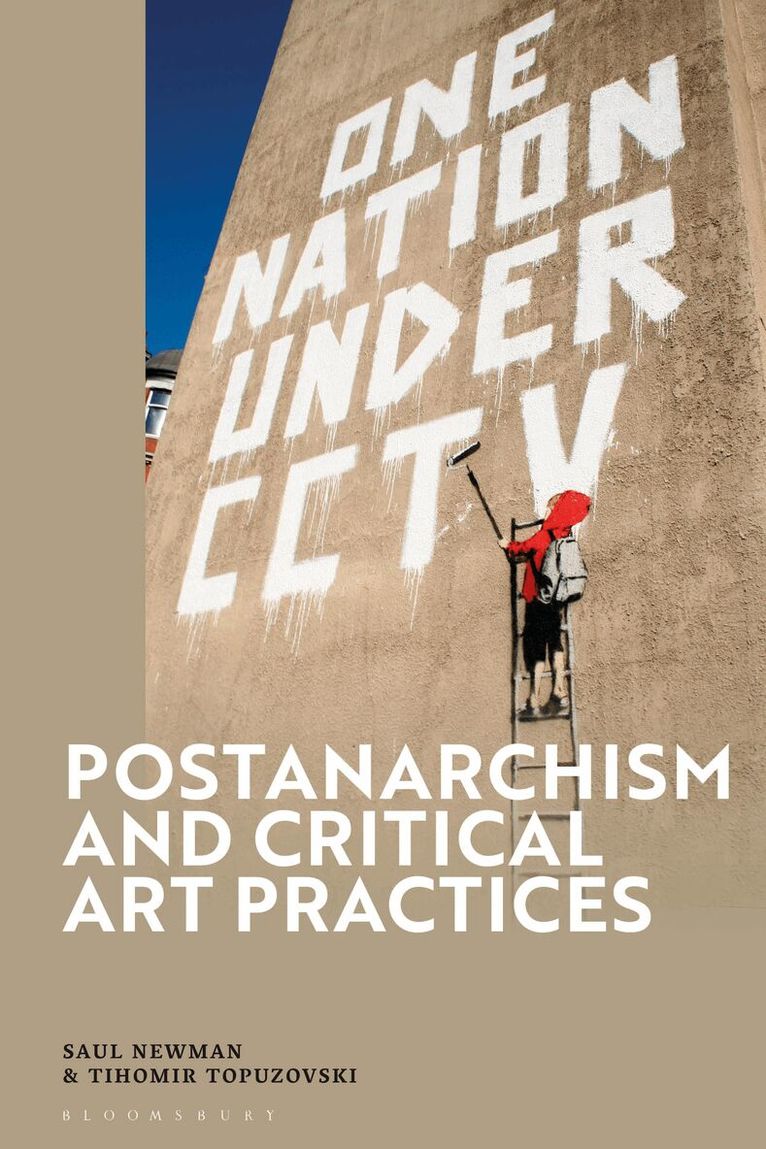
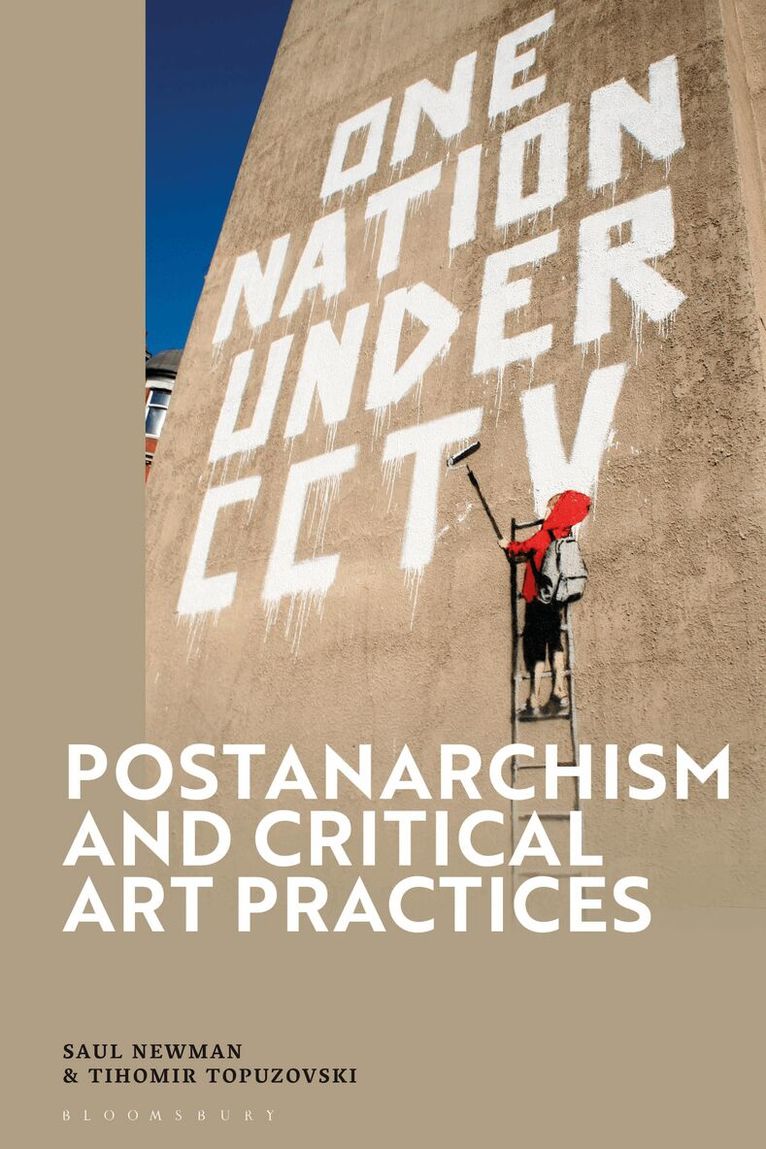
Engaging with contemporary debates about the political role of art in an era of total market subsumption, this book shows how artists respond to the challenges of political authoritarianism, police violence, right-wing populism, ‘post-truth’ discourse, economic inequality, pandemics, and the environmental crisis, transforming the public sphere in new and unexpected ways. Going beyond sterile debates about identity politics, diversity and representation that beset the mainstream media, university campuses and other cultural domains, the volume illustrates the ways in which artists are opening up alternative sites of contestation, occupation, and autonomous political thought and action. Newman and Topuzovski examine here the artistic practices of multiple collectives and individuals deeply engaged with social and political activities such as Grupo de Arte Callejero (GAC) and Voina, arguing that the best way to understand these new critical discourses and practices is through an updated political theory of anarchism - or what we call postanarchism - where the insurrection against power and the politics of singularity are central. Featuring, for instance, an examination of significant movements such as Black Lives Matter, as well as its use of artistic tactics such as graffiti, graphic design and movement art, the book launches itself into a vibrant discussion of the extent to which art can produce a multiplicity of practices through the deconstruction of existing legal, political, and cultural identities.By developing an alternative way of exploring the nexus between art and politics through the idea of postanarchism, this book bridges the gap between the two, promoting an understanding of the political role that art can play today and introduces a theory of postanarchism to a non-specialist audience of artists, activists and those generally interested in new sites and directions for radical politics.
394 kr
Skickas inom 10-15 vardagar
Engaging with contemporary debates about the political role of art in an era of total market subsumption, this book shows how artists respond to the challenges of political authoritarianism, police violence, right-wing populism, ‘post-truth’ discourse, economic inequality, pandemics, and the environmental crisis, transforming the public sphere in new and unexpected ways. Going beyond sterile debates about identity politics, diversity and representation that beset the mainstream media, university campuses and other cultural domains, the volume illustrates the ways in which artists are opening up alternative sites of contestation, occupation, and autonomous political thought and action. Newman and Topuzovski examine here the artistic practices of multiple collectives and individuals deeply engaged with social and political activities such as Grupo de Arte Callejero (GAC) and Voina, arguing that the best way to understand these new critical discourses and practices is through an updated political theory of anarchism - or what we call postanarchism - where the insurrection against power and the politics of singularity are central. Featuring, for instance, an examination of significant movements such as Black Lives Matter, as well as its use of artistic tactics such as graffiti, graphic design and movement art, the book launches itself into a vibrant discussion of the extent to which art can produce a multiplicity of practices through the deconstruction of existing legal, political, and cultural identities.By developing an alternative way of exploring the nexus between art and politics through the idea of postanarchism, this book bridges the gap between the two, promoting an understanding of the political role that art can play today and introduces a theory of postanarchism to a non-specialist audience of artists, activists and those generally interested in new sites and directions for radical politics.