Tomila V. Lankina - Böcker
Visar alla böcker från författaren Tomila V. Lankina. Handla med fri frakt och snabb leverans.
8 produkter
8 produkter
1 476 kr
Skickas inom 10-15 vardagar
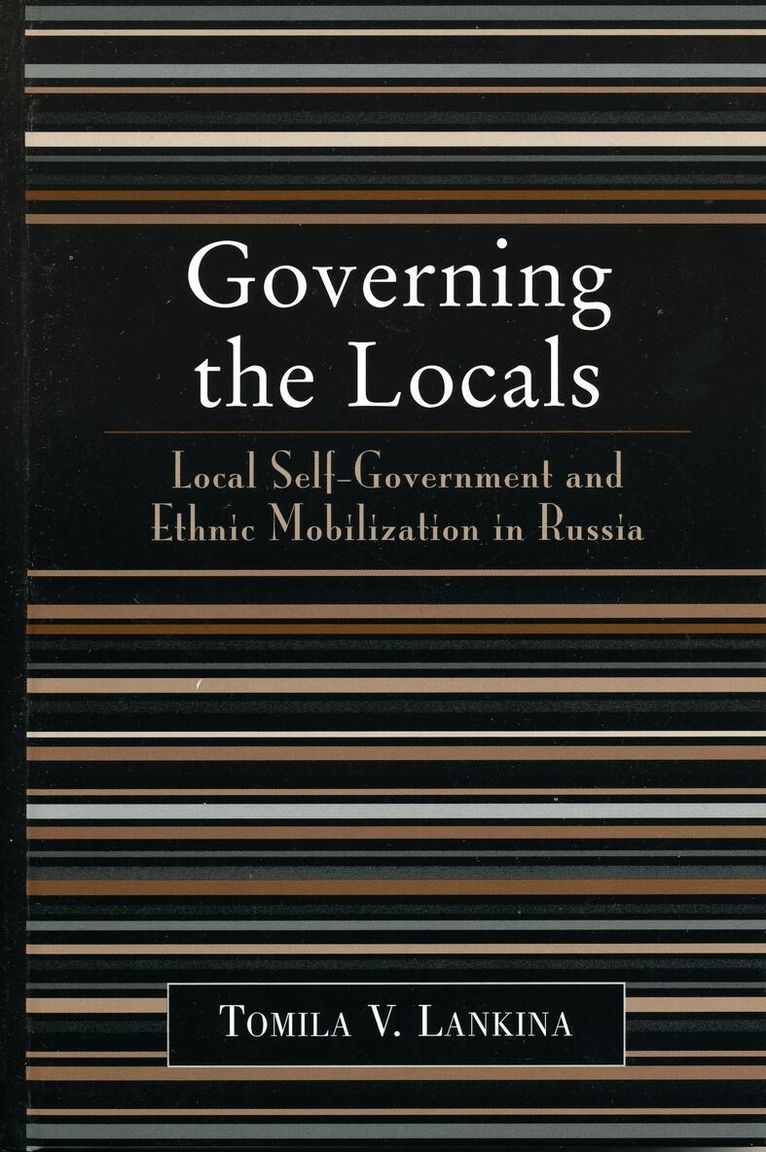
Governing the Locals demonstrates that with the exception of a brief period in 1990-92 when the local soviets fostered mass mobilization, local governments in post-Soviet Russia have actively constrained grass-roots activism. Rather than serving as instruments of the 'schooling in civil society,' or of 'making democracy work'_as the conventional wisdom holds_local governments have been used by the regional authoritarian or ethnocratic regimes as instruments of top down social control. The author suggests that this tendency has been on the rise under President Putin, whose reforms have served to integrate local government into a centralized power vertical potentially facilitating authoritarian style social mobilization non only on a regional level, but also on a nation-wide scale. The author examines the impact of local self-governing institutions on nationalist movement mobilization in Russia. Using insights from social movement theories, Lankina argues that similar to the soviets in the Soviet system, municipalities in post-Soviet Russia continue to influence local societies through their control over social networks, material resources, and public agenda setting. Accordingly, their facilitating or constraining role crucially affects movement successes or failures. This is the first study identifying the centrality of local government for understanding the nature of state-society relations in Russia, and for explaining the broader questions of social activism or lack thereof in the post-Soviet space.
619 kr
Skickas inom 5-8 vardagar
Governing the Locals demonstrates that with the exception of a brief period in 1990-92 when the local soviets fostered mass mobilization, local governments in post-Soviet Russia have actively constrained grass-roots activism. Rather than serving as instruments of the 'schooling in civil society,' or of 'making democracy work'_as the conventional wisdom holds_local governments have been used by the regional authoritarian or ethnocratic regimes as instruments of top down social control. The author suggests that this tendency has been on the rise under President Putin, whose reforms have served to integrate local government into a centralized power vertical potentially facilitating authoritarian style social mobilization non only on a regional level, but also on a nation-wide scale. The author examines the impact of local self-governing institutions on nationalist movement mobilization in Russia. Using insights from social movement theories, Lankina argues that similar to the soviets in the Soviet system, municipalities in post-Soviet Russia continue to influence local societies through their control over social networks, material resources, and public agenda setting. Accordingly, their facilitating or constraining role crucially affects movement successes or failures. This is the first study identifying the centrality of local government for understanding the nature of state-society relations in Russia, and for explaining the broader questions of social activism or lack thereof in the post-Soviet space.
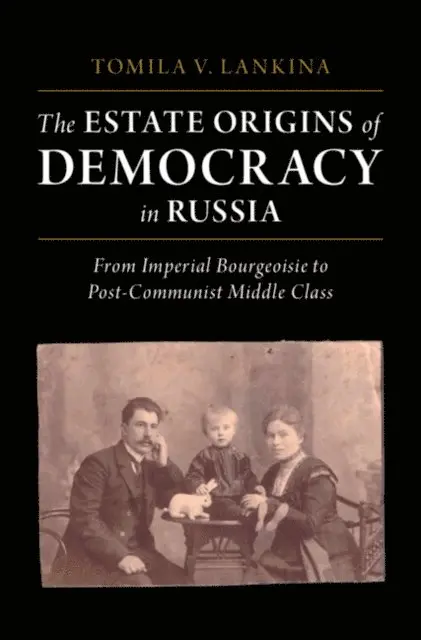
The Estate Origins of Democracy in Russia
From Imperial Bourgeoisie to Post-Communist Middle Class
Häftad, Engelska, 2024
297 kr
Skickas inom 7-10 vardagar
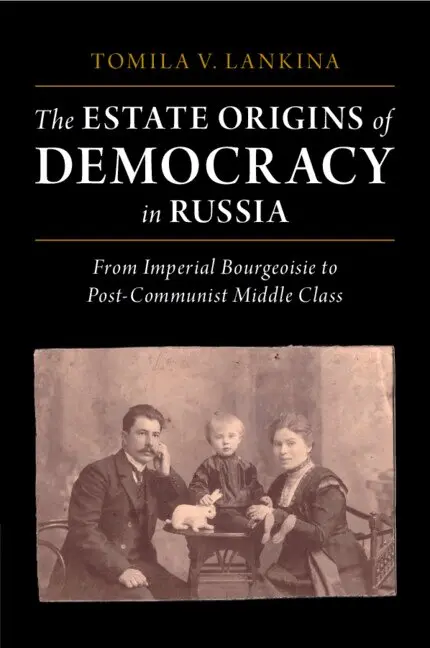
A devastating challenge to the idea of communism as a 'great leveller', this extraordinarily original, rigorous, and ambitious book debunks Marxism-inspired accounts of its equalitarian consequences. It is the first study systematically to link the genesis of the 'bourgeoisie-cum-middle class' - Imperial, Soviet, and post-communist - to Tzarist estate institutions which distinguished between nobility, clergy, the urban merchants and meshchane, and peasants. It demonstrates how the pre-communist bourgeoisie, particularly the merchant and urban commercial strata but also the high human capital aristocracy and clergy, survived and adapted in Soviet Russia. Under both Tzarism and communism, the estate system engendered an educated, autonomous bourgeoisie and professional class, along with an oppositional public sphere, and persistent social cleavages that continue to plague democratic consensus. This book also shows how the middle class, conventionally bracketed under one generic umbrella, is often two-pronged in nature - one originating among the educated estates of feudal orders, and the other fabricated as part of state-induced modernization.
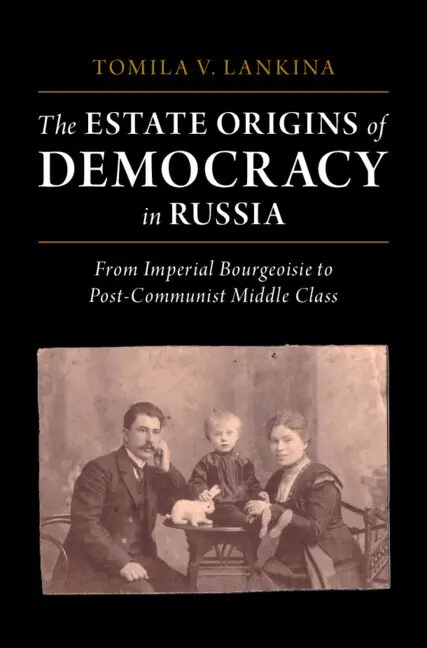
The Estate Origins of Democracy in Russia
From Imperial Bourgeoisie to Post-Communist Middle Class
Inbunden, Engelska, 2021
460 kr
Skickas inom 7-10 vardagar
A devastating challenge to the idea of communism as a 'great leveller', this extraordinarily original, rigorous, and ambitious book debunks Marxism-inspired accounts of its equalitarian consequences. It is the first study systematically to link the genesis of the 'bourgeoisie-cum-middle class' - Imperial, Soviet, and post-communist - to Tzarist estate institutions which distinguished between nobility, clergy, the urban merchants and meshchane, and peasants. It demonstrates how the pre-communist bourgeoisie, particularly the merchant and urban commercial strata but also the high human capital aristocracy and clergy, survived and adapted in Soviet Russia. Under both Tzarism and communism, the estate system engendered an educated, autonomous bourgeoisie and professional class, along with an oppositional public sphere, and persistent social cleavages that continue to plague democratic consensus. This book also shows how the middle class, conventionally bracketed under one generic umbrella, is often two-pronged in nature - one originating among the educated estates of feudal orders, and the other fabricated as part of state-induced modernization.
478 kr
Skickas inom 7-10 vardagar
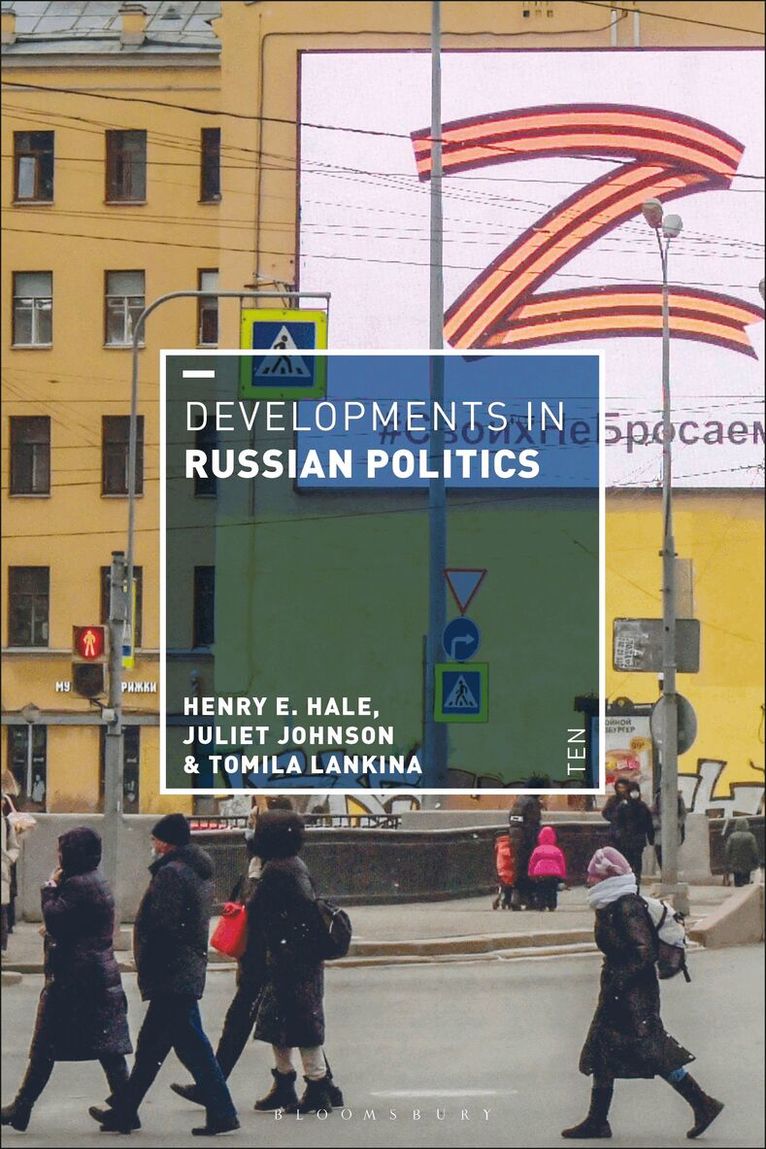
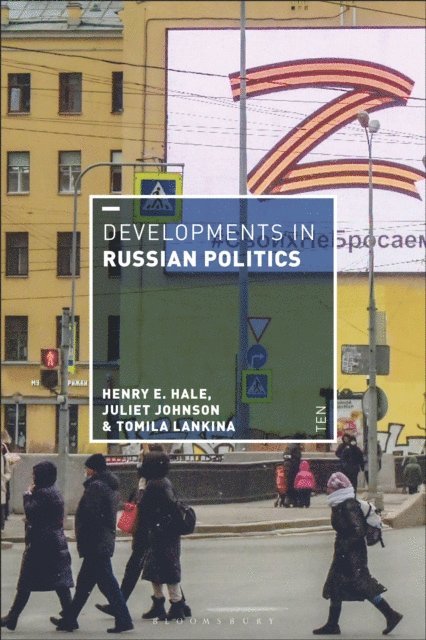
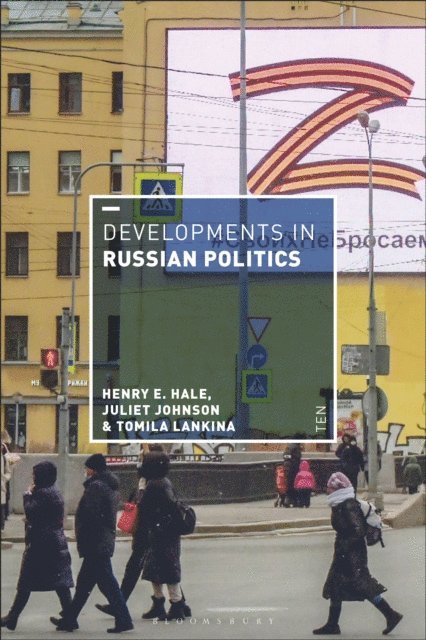
Russia’s invasion of Ukraine presents a major challenge for Russian studies. It has demonstrated the imperative to search for better ways to understand Russia. At the same time, the war has spotlighted Russian imperial ambitions and colonial attitudes toward countries around it and ethnic minorities within it, raising uncomfortable questions about whether our own views of these countries and peoples reflect this biased Russian gaze.Understanding Russia is more important than ever and diverse perspectives are needed. With a stronger focus on informal institutions, marginalised voices and “de-centering” of Russian studies, Developments in Russian Politics 10 brings together a diverse author team to offer fresh viewpoints on a rapidly evolving subject. Discussing established topics such as executive leadership, parties and elections as well as newer issues of national identity, protest, and Russia and Greater Eurasia, this new edition analyses the political system in which Putin’s influence can be understood and covers frequently overlooked topics like the informal economy and climate change. Breaking with the tradition of organizing Russian Politics around formal institutions and instead emphasising the societal factors and informal structures and processes that underpin support for Russia’s political regime, this new edition offers:- Topical and theoretically informed coverage of major issues from top scholars- Analysis of how Russia’s past influences its contemporary politics in counterintuitive ways- Dedicated chapters on the Russia-Ukraine war, Russian Foreign Policy and Chechnya - Chapters on all of the key topics covered by typical courses on Russian politics, including protest movement and civil society, and gender. The politics of any country, especially Russia at this moment in time, are volatile. Developments in Russian Politics 10 provides readers with a conceptual toolkit for understanding the dynamism of Russian politics, whatever the future may bring.
1 507 kr
Skickas inom 10-15 vardagar
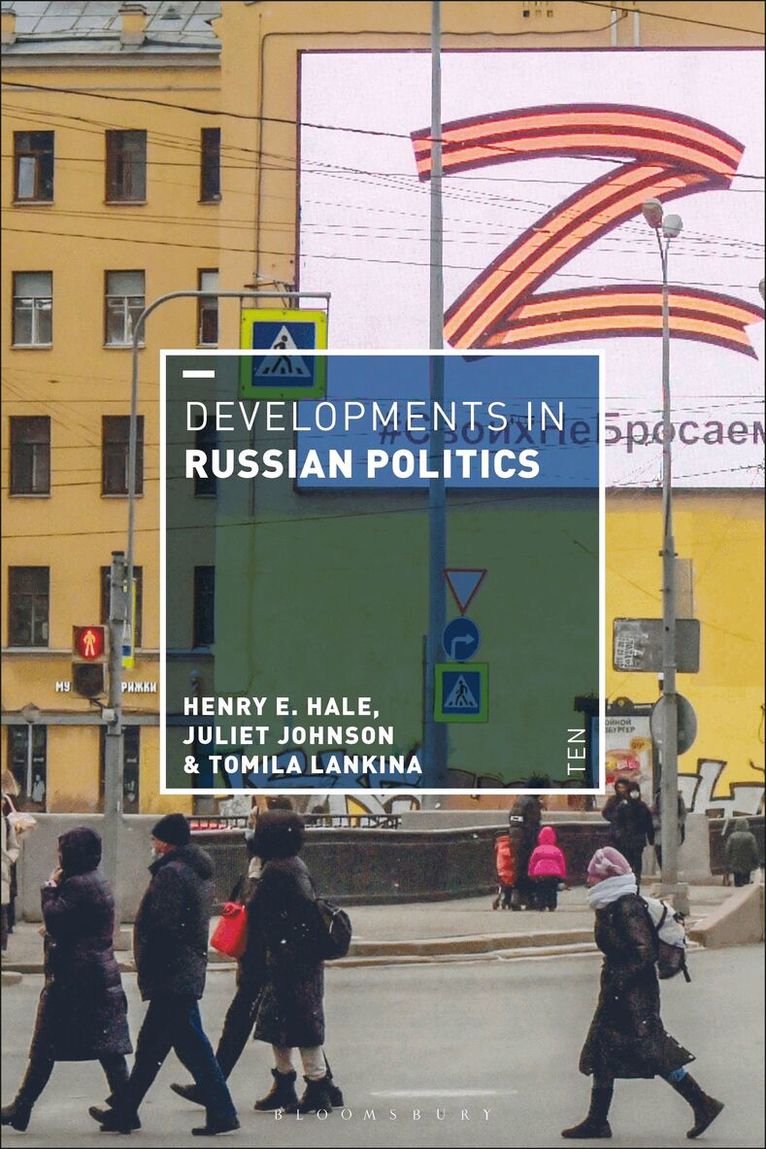
Russia’s invasion of Ukraine presents a major challenge for Russian studies. It has demonstrated the imperative to search for better ways to understand Russia. At the same time, the war has spotlighted Russian imperial ambitions and colonial attitudes toward countries around it and ethnic minorities within it, raising uncomfortable questions about whether our own views of these countries and peoples reflect this biased Russian gaze.Understanding Russia is more important than ever and diverse perspectives are needed. With a stronger focus on informal institutions, marginalised voices and “de-centering” of Russian studies, Developments in Russian Politics 10 brings together a diverse author team to offer fresh viewpoints on a rapidly evolving subject. Discussing established topics such as executive leadership, parties and elections as well as newer issues of national identity, protest, and Russia and Greater Eurasia, this new edition analyses the political system in which Putin’s influence can be understood and covers frequently overlooked topics like the informal economy and climate change. Breaking with the tradition of organizing Russian Politics around formal institutions and instead emphasising the societal factors and informal structures and processes that underpin support for Russia’s political regime, this new edition offers:- Topical and theoretically informed coverage of major issues from top scholars- Analysis of how Russia’s past influences its contemporary politics in counterintuitive ways- Dedicated chapters on the Russia-Ukraine war, Russian Foreign Policy and Chechnya - Chapters on all of the key topics covered by typical courses on Russian politics, including protest movement and civil society, and gender. The politics of any country, especially Russia at this moment in time, are volatile. Developments in Russian Politics 10 provides readers with a conceptual toolkit for understanding the dynamism of Russian politics, whatever the future may bring.
1 641 kr
Skickas inom 3-6 vardagar
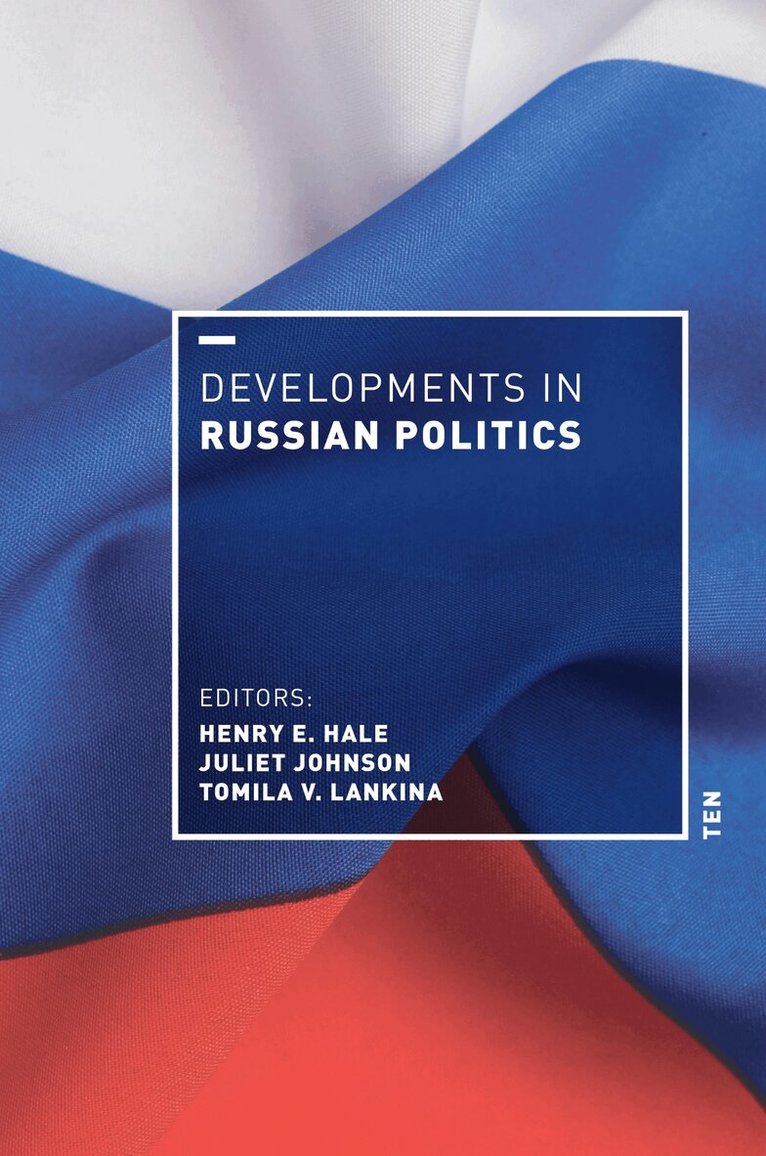
The tenth edition of this go-to text offers critical discussion of contemporary Russian politics and its fundamental principles. It covers established topics such as executive leadership, parties, and elections as well as newer issues of national identity, protest, and Russia and Greater Eurasia. Taking a bottom-up approach, Developments in Russian Politics 10 analyzes the political system in which Putin’s influence can be understood and covers frequently overlooked topics like the informal economy, climate change, and gender. The book is organized around the informal politics of hybrid regimes and authoritarianism and accounts for how Russian history impacts contemporary politics in counterintuitive ways, addressing notions of hybrid warfare, disinformation, and election meddling. The chapters have a modular quality and are designed to correspond to course teaching. Compiled by an international team of specialists and offering key questions, further reading suggestions, and a list of up-to-date repositories of video material, the edition will appeal to undergraduate and postgraduate students from across the world.
502 kr
Skickas inom 3-6 vardagar
The tenth edition of this go-to text offers critical discussion of contemporary Russian politics and its fundamental principles. It covers established topics such as executive leadership, parties, and elections as well as newer issues of national identity, protest, and Russia and Greater Eurasia. Taking a bottom-up approach, Developments in Russian Politics 10 analyzes the political system in which Putin’s influence can be understood and covers frequently overlooked topics like the informal economy, climate change, and gender. The book is organized around the informal politics of hybrid regimes and authoritarianism and accounts for how Russian history impacts contemporary politics in counterintuitive ways, addressing notions of hybrid warfare, disinformation, and election meddling. The chapters have a modular quality and are designed to correspond to course teaching. Compiled by an international team of specialists and offering key questions, further reading suggestions, and a list of up-to-date repositories of video material, the edition will appeal to undergraduate and postgraduate students from across the world.