Tommaso Padoa-Schioppa – författare
Visar alla böcker från författaren Tommaso Padoa-Schioppa. Handla med fri frakt och snabb leverans.
9 produkter
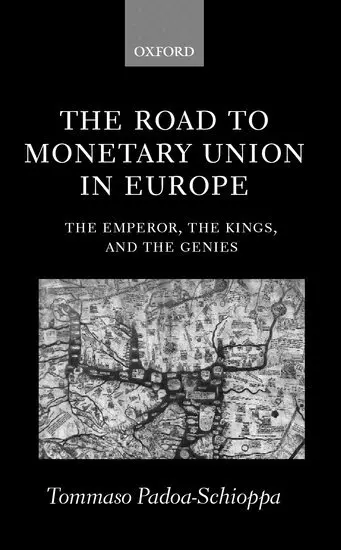
Road to Monetary Union in Europe
The Emperor, the Kings, and the Genies
E-bok, 1994
722 kr
Lägg i varukorg
This book provides an indispensable guide to the economic, political and diplomatic process that led to the creation of the European single market and the signing of the Maastricht Treaty. In this new, expanded edition Padoa-Schioppa presents a lucid assessment of the opportunities and risks that …
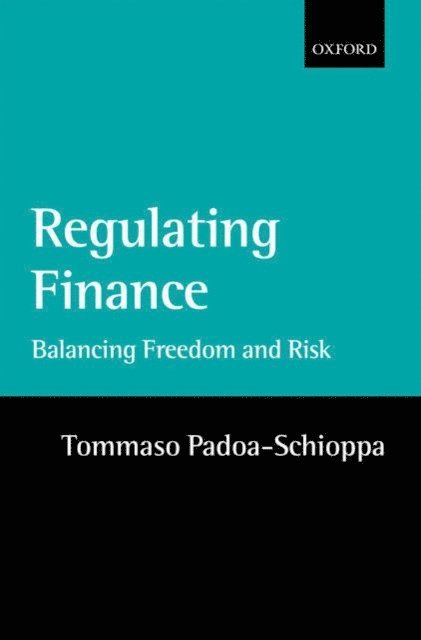
Regulating Finance
Balancing Freedom and Risk
E-bok, 2004
1451 kr
Lägg i varukorg
Grounding its analysis in the historical evolution of financial regulation, this book addresses a range of public policy issues that concern the design of financial regulation and its enforcement, and contributes several new ideas to the debate in this field. Financial systems have become more …
The Road to Monetary Union in Europe
The Emperor, the Kings, and the Genies
Häftad, 2000
1280 kr
Lägg i varukorg
This book provides an indispensable guide to the economic, political and diplomatic process that led to the creation of the European single market and the signing of the Maastricht Treaty. In this new, expanded edition Padoa-Schioppa presents a lucid assessment of the opportunities and risks that …
Regulating Finance
Balancing Freedom and Risk
Inbunden, 2004
2586 kr
Lägg i varukorg
Grounding its analysis in the historical evolution of financial regulation, this book addresses a range of public policy issues that concern the design of financial regulation and its enforcement, and contributes several new ideas to the debate in this field. Financial systems have become more …
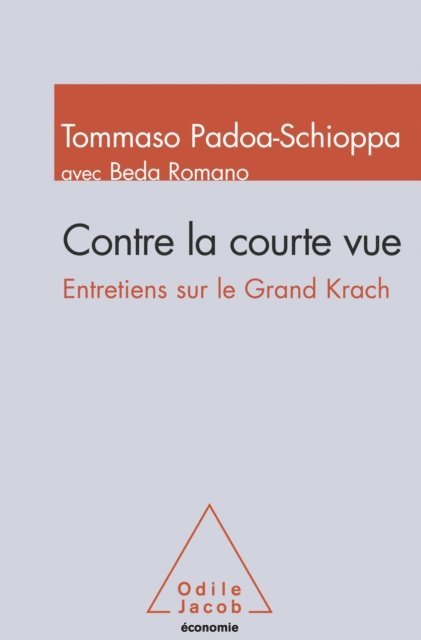
Contre la courte vue
Entretiens sur le Grand Krach
Av Beda Romano, Tommaso Padoa-Schioppa
E-bok, 2009
179 kr
Lägg i varukorg
« On ne peut pas réfléchir sur la sortie de la crise si on ne comprend pas la crise en elle-même. Son essence est économique et sociale. Ce qui a fait défaut au système économique, c’est la charpente de règles, de contrôles et d’actions gouvernementales qui, dans une économie de marché, constitue …
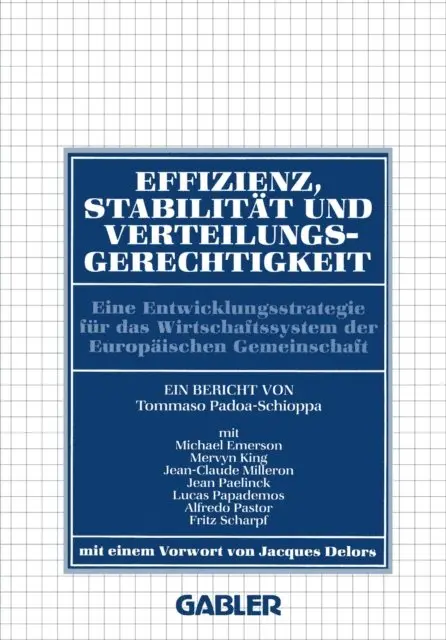
Effizienz, Stabilität und Verteilungsgerechtigkeit
Eine Entwicklungsstrategie für das Wirtschaftssystem der Europäischen Gemeinschaft
Av Michael Emerson, Tommaso Padoa-Schioppa
E-bok, 2013
621 kr
Lägg i varukorg
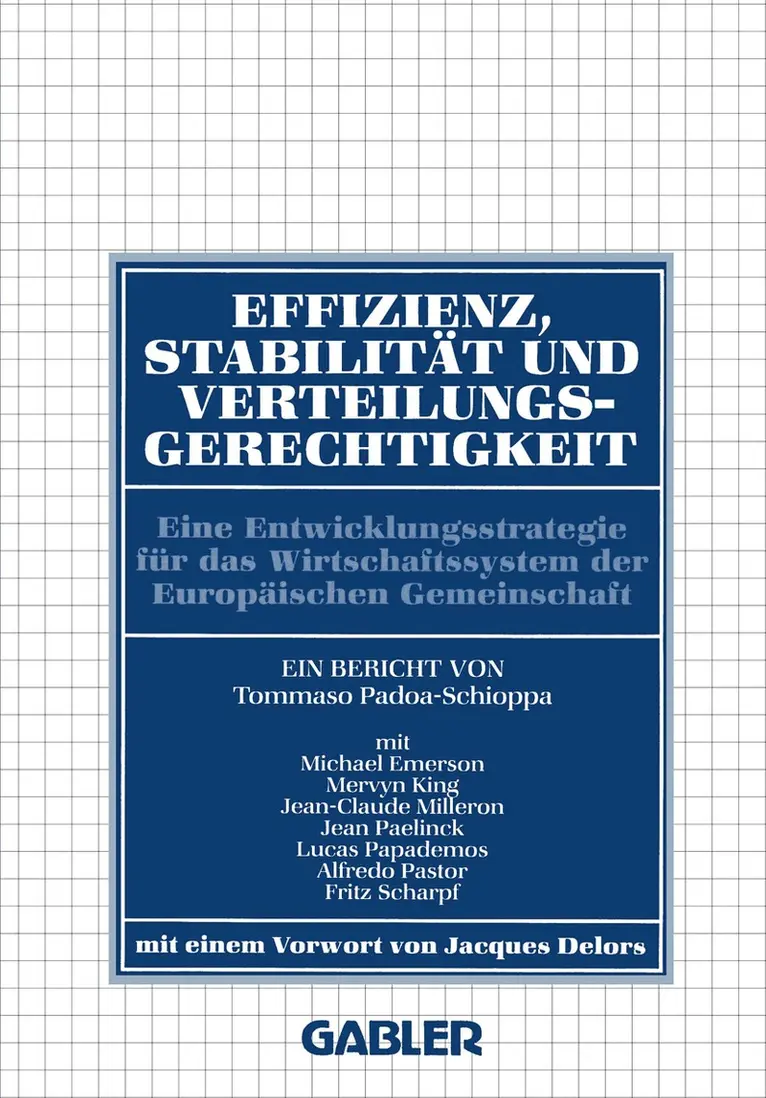
Effizienz, Stabilität und Verteilungsgerechtigkeit
Eine Entwicklungsstrategie für das Wirtschaftssystem der Europäischen Gemeinschaft
Av Tommaso Padoa-Schioppa, Michael Emerson
Häftad, 1988
582 kr
Lägg i varukorg
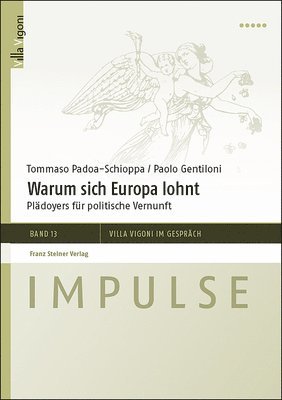
Warum Sich Europa Lohnt: Plädoyers Für Politische Vernunft
Av Tommaso Padoa-Schioppa, Paolo Gentiloni
Inbunden
1046 kr
Lägg i varukorg