Tristan J. Rogers – författare
Visar alla böcker från författaren Tristan J. Rogers. Handla med fri frakt och snabb leverans.
8 produkter
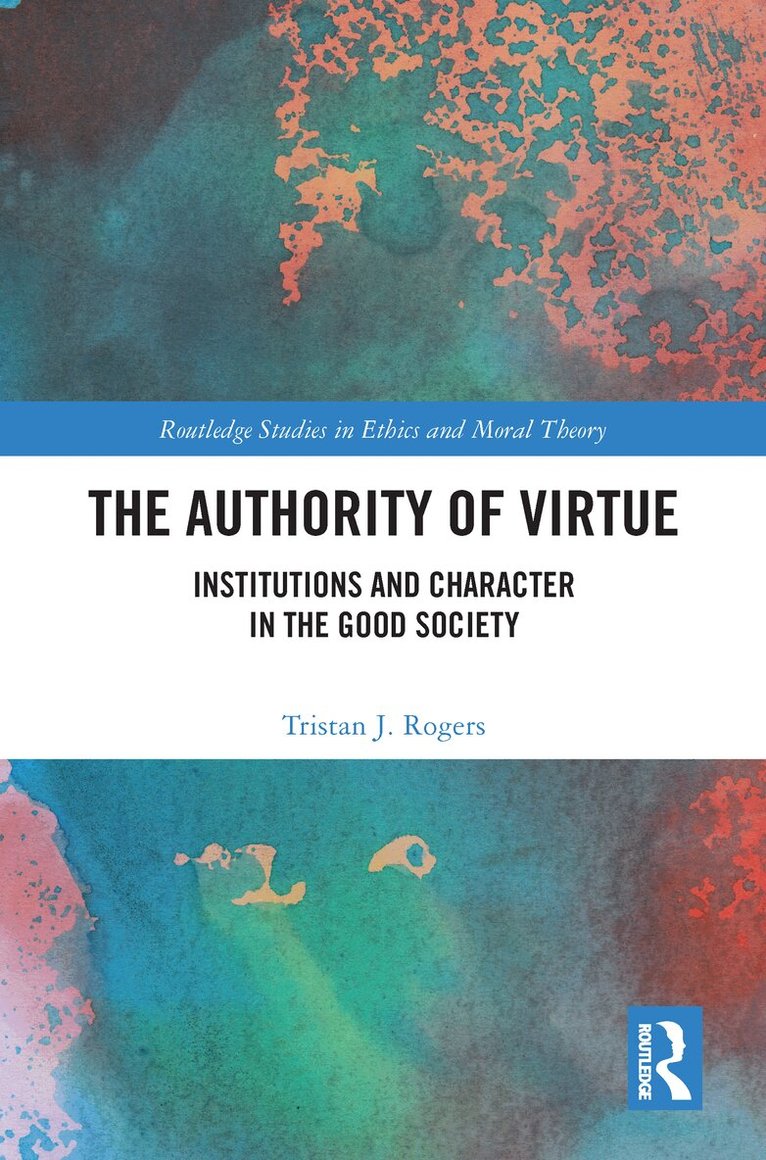
Authority of Virtue
Institutions and Character in the Good Society
Häftad, 2022
705 kr
Lägg i varukorg
This book provides a unified account of the connection between justice and the good life. It argues that the virtues of character require institutions, while good institutions enable persons to live together virtuously.Although virtue ethics and political philosophy are rich and sophisticated …
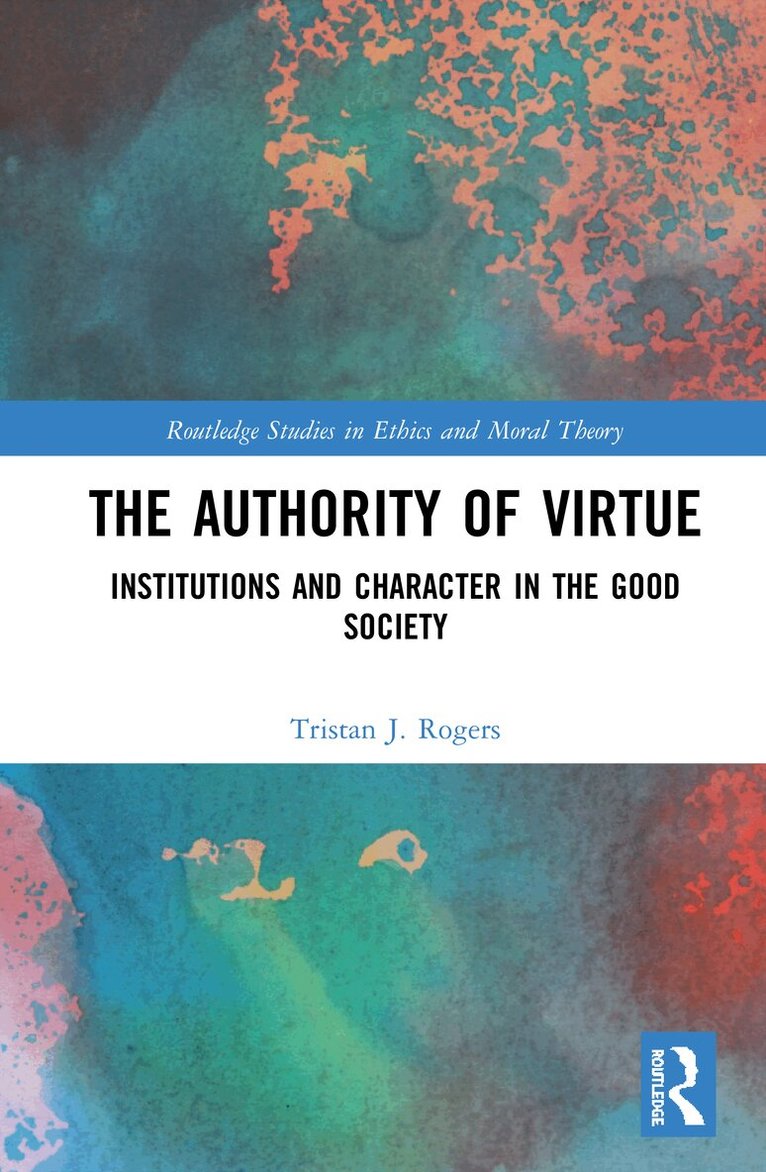
Authority of Virtue
Institutions and Character in the Good Society
Inbunden, 2020
2510 kr
Lägg i varukorg
This book provides a unified account of the connection between justice and the good life. It argues that the virtues of character require institutions, while good institutions enable persons to live together virtuously.Although virtue ethics and political philosophy are rich and sophisticated …
Authority of Virtue
Institutions and Character in the Good Society
E-bok, 2020
831 kr
Lägg i varukorg
This book provides a unified account of the connection between justice and the good life. It argues that the virtues of character require institutions, while good institutions enable persons to live together virtuously. Although virtue ethics and political philosophy are rich and sophisticated …
Authority of Virtue
Institutions and Character in the Good Society
E-bok, 2020
813 kr
Lägg i varukorg
This book provides a unified account of the connection between justice and the good life. It argues that the virtues of character require institutions, while good institutions enable persons to live together virtuously. Although virtue ethics and political philosophy are rich and sophisticated …
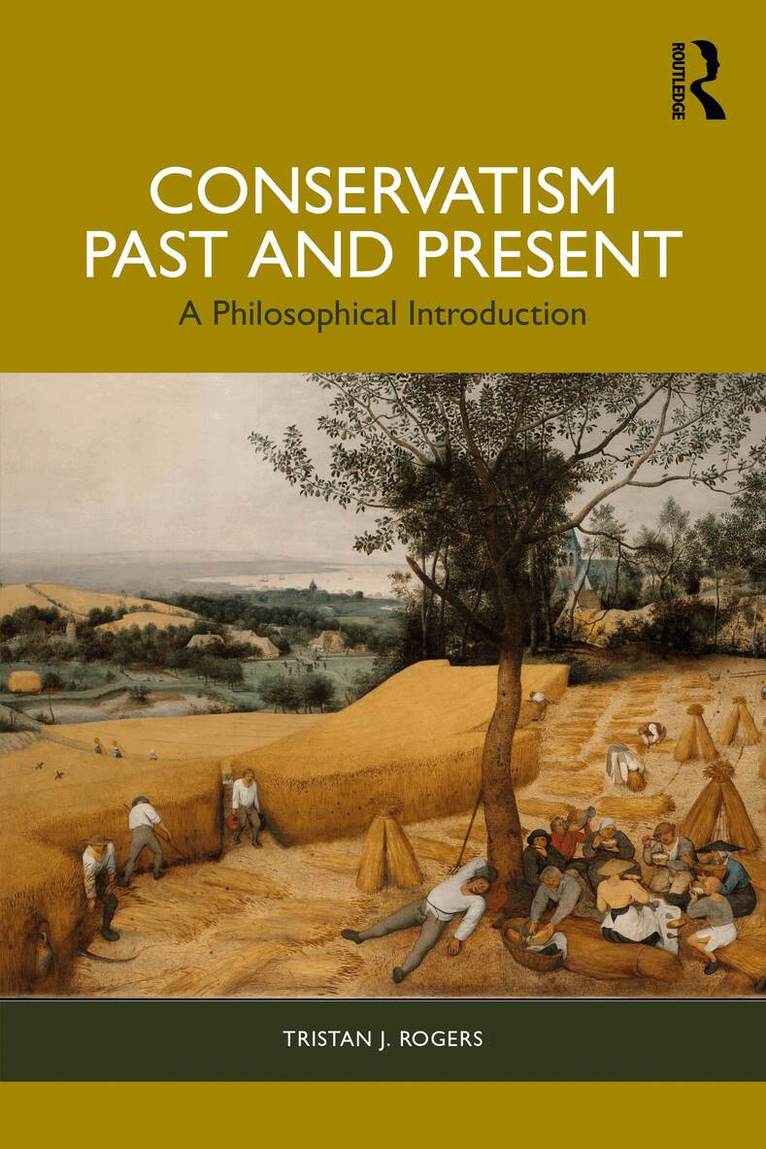
Conservatism, Past and Present
A Philosophical Introduction
Häftad, 2025
647 kr
Lägg i varukorg
In Conservatism, Past and Present: A Philosophical Introduction, Tristan J. Rogers argues that philosophical conservatism is a coherent and compelling set of historically rooted ideas about conserving and promoting the human good. Part I, “Conservatism Past,” presents a history of conservative …
Conservatism, Past and Present
A Philosophical Introduction
Inbunden, 2025
2510 kr
Lägg i varukorg
In Conservatism, Past and Present: A Philosophical Introduction, Tristan J. Rogers argues that philosophical conservatism is a coherent and compelling set of historically rooted ideas about conserving and promoting the human good. Part I, “Conservatism Past,” presents a history of conservative …
Conservatism, Past and Present
A Philosophical Introduction
E-bok, 2025
740 kr
Lägg i varukorg
In Conservatism, Past and Present: A Philosophical Introduction , Tristan J. Rogers argues that philosophical conservatism is a coherent and compelling set of historically rooted ideas about conserving and promoting the human good. Part I, “Conservatism Past,” presents a history of conservative …
Conservatism, Past and Present
A Philosophical Introduction
E-bok, 2025
762 kr
Lägg i varukorg
In Conservatism, Past and Present: A Philosophical Introduction , Tristan J. Rogers argues that philosophical conservatism is a coherent and compelling set of historically rooted ideas about conserving and promoting the human good. Part I, “Conservatism Past,” presents a history of conservative …