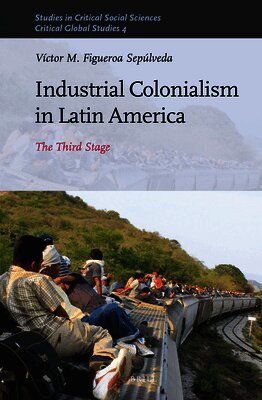
This book confronts critical problems being experienced by Latin America in its quest for development. Special attention is paid to the living conditions of the popular sectors over the last half-century under “industrial colonialism.” The author’s framework of analysis weaves together key structural variables including the neoliberal mode of knowledge creation for material production in order to unveil the actual mechanisms of the reproduction of this system. The decisive role of science in the development of the productive forces forms the basis of explicating the “state development function.” The external and internal manifestations of the main underlying contradictions in Latin America are systematically exposed as they unfold from the region’s particular integration into the imperialist system.
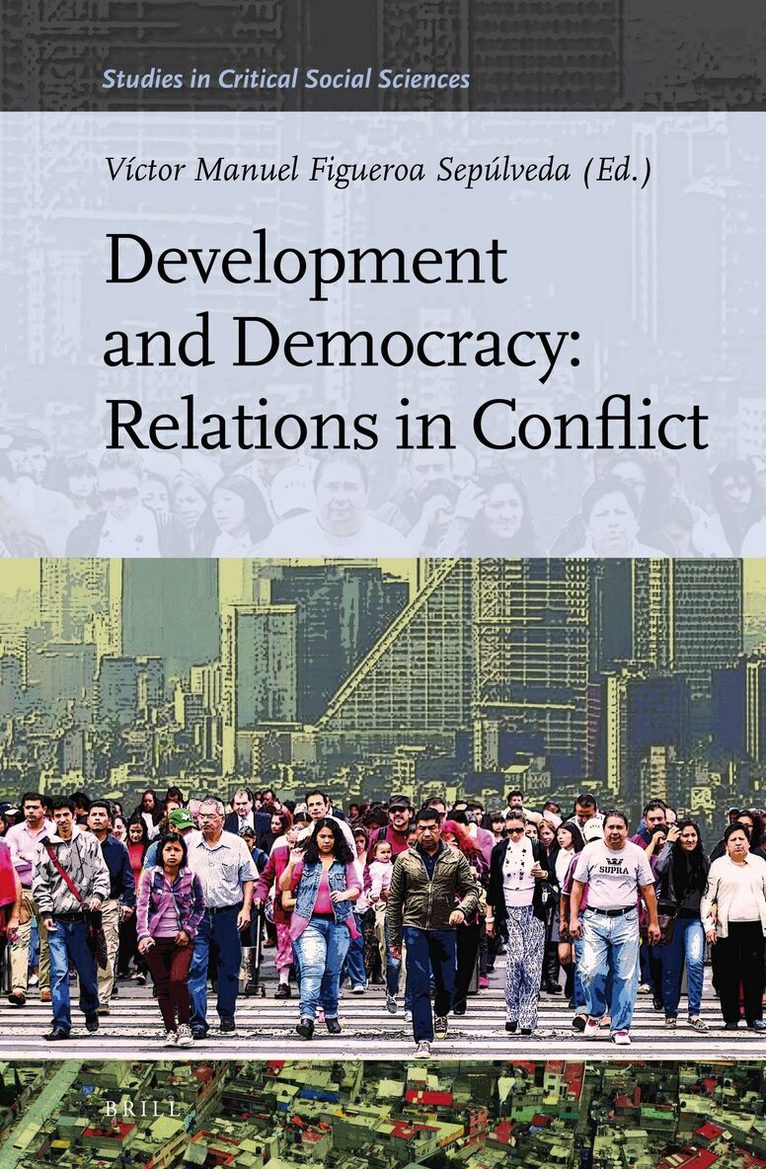
Technological progress in the 21st Century still remains monopolized by the developed countries, thereby determining the direction and rhythm of growth in developing countries which must import their technological infrastructure. This colonialized model of industrialization leads to a perpetual outflow of resources abroad and to structured social exclusion that placed narrow limits on democracy and the distribution of overall wellbeing. Why did Latin American societies fail to create an internal division of labour that could adequately provide for the development of productive forces? How did this affect the prospects for democracy in the region? Development and Democracy: Relations in Conflict examines the conflicting relations between technological development and democracy as they unfold in a new and ever more challenging environment.Contributors are: Irma Lorena Acosta Reveles, Leonel Álvarez Yáñez, Jesús Becerra Villegas, Ximena de la Barra, Héctor de la Fuente Limón, R. A. Dello Buono, Sergio Octavio Contreras Padilla, Silvana Andrea Figueroa Delgado, Víctor Manuel Figueroa Sepúlveda, Ernesto Menchaca Arredondo, Miguel Omar Muñoz Domínguez, Alexandre M. Quaresma de Moura, Cristina Recéndez Guerrero.
This book confronts critical problems being experienced by Latin America in its quest for development. Special attention is paid to the living conditions of the popular sectors over the last half-century under “industrial colonialism.” The author’s framework of analysis weaves together key structural variables including the neoliberal mode of knowledge creation for material production in order to unveil the actual mechanisms of the reproduction of this system. The decisive role of science in the development of the productive forces forms the basis of explicating the “state development function.” The external and internal manifestations of the main underlying contradictions in Latin America are systematically exposed as they unfold from the region’s particular integration into the imperialist system.
Technological progress in the 21st Century still remains monopolized by the developed countries, thereby determining the direction and rhythm of growth in developing countries which must import their technological infrastructure. This colonialized model of industrialization leads to a perpetual outflow of resources abroad and to structured social exclusion that placed narrow limits on democracy and the distribution of overall wellbeing. Why did Latin American societies fail to create an internal division of labour that could adequately provide for the development of productive forces? How did this affect the prospects for democracy in the region? Development and Democracy: Relations in Conflict examines the conflicting relations between technological development and democracy as they unfold in a new and ever more challenging environment.Contributors are: Irma Lorena Acosta Reveles, Leonel Álvarez Yáñez, Jesús Becerra Villegas, Ximena de la Barra, Héctor de la Fuente Limón, R. A. Dello Buono, Sergio Octavio Contreras Padilla, Silvana Andrea Figueroa Delgado, Víctor Manuel Figueroa Sepúlveda, Ernesto Menchaca Arredondo, Miguel Omar Muñoz Domínguez, Alexandre M. Quaresma de Moura, Cristina Recéndez Guerrero.